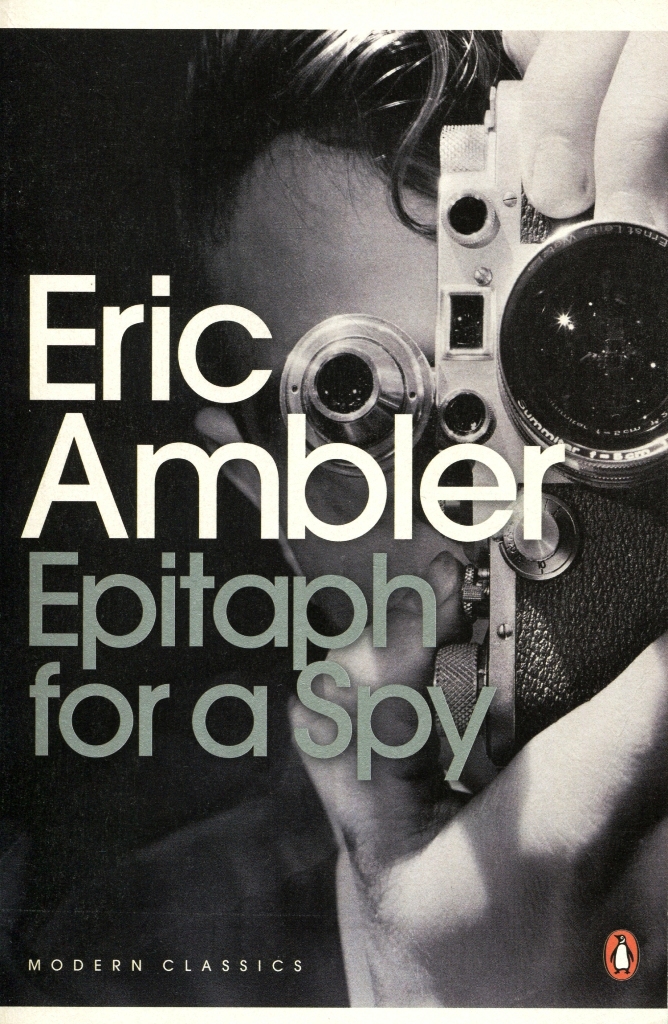


Epitaph for a Spy (1938) places me at the centre of a Venn diagram of two things I heartily dislike — the everyman espionage fiction of John le Carre, and novels whose protagonists cluelessly accidentally their way along — and so I shouldn’t exactly be surprised that these two wrongs have failed to combine to produce something I would enjoy. This story of languages teacher Josef Vadassy strong-armed into helping identify a spy while on holiday at an exclusive French pension is, in fact, riddled with just about every trope and facet of genre fiction that I dislike, and it’s difficult to imagine Eric Ambler’s intent in writing such a book. But, I get ahead of myself…

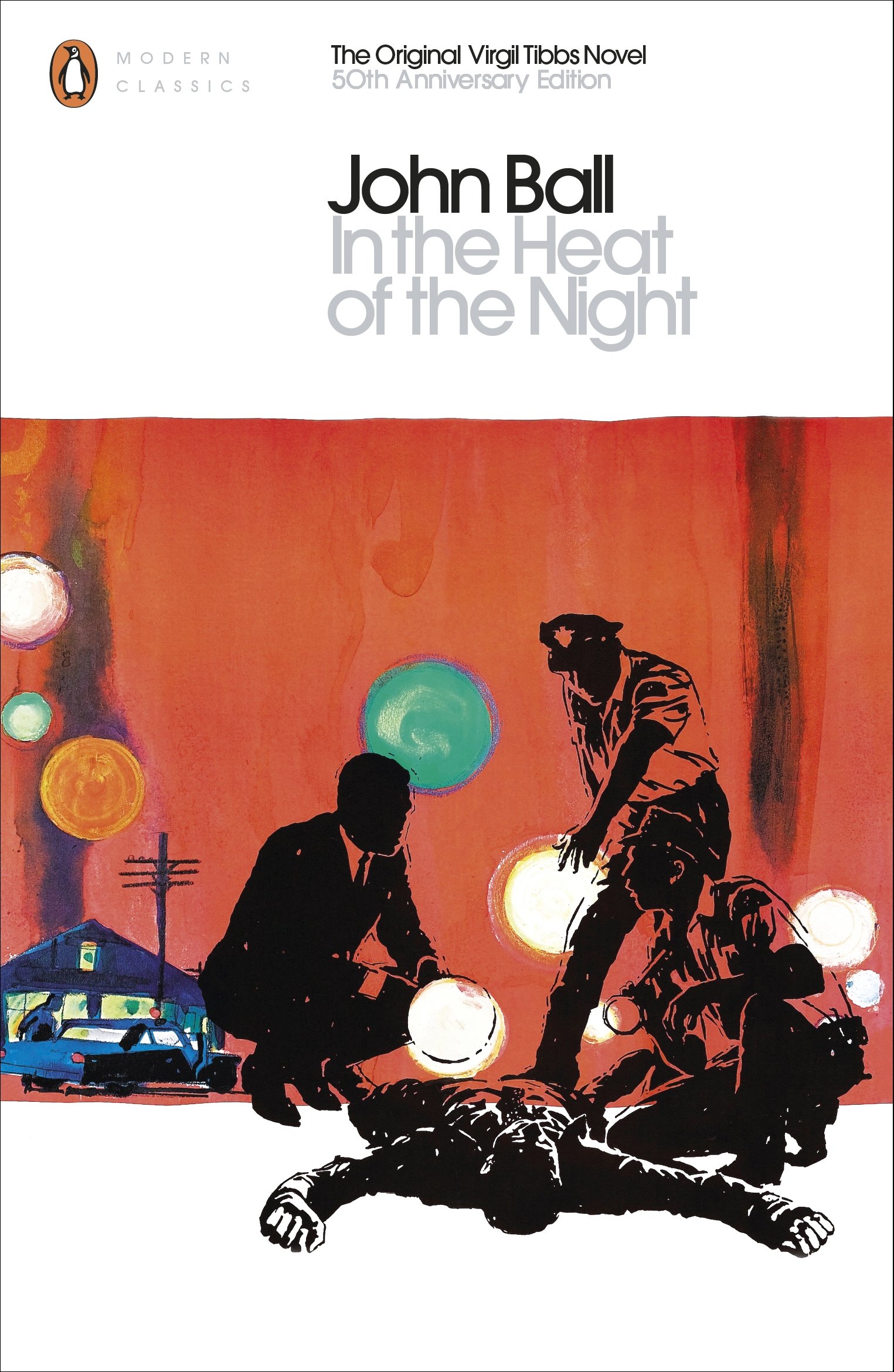
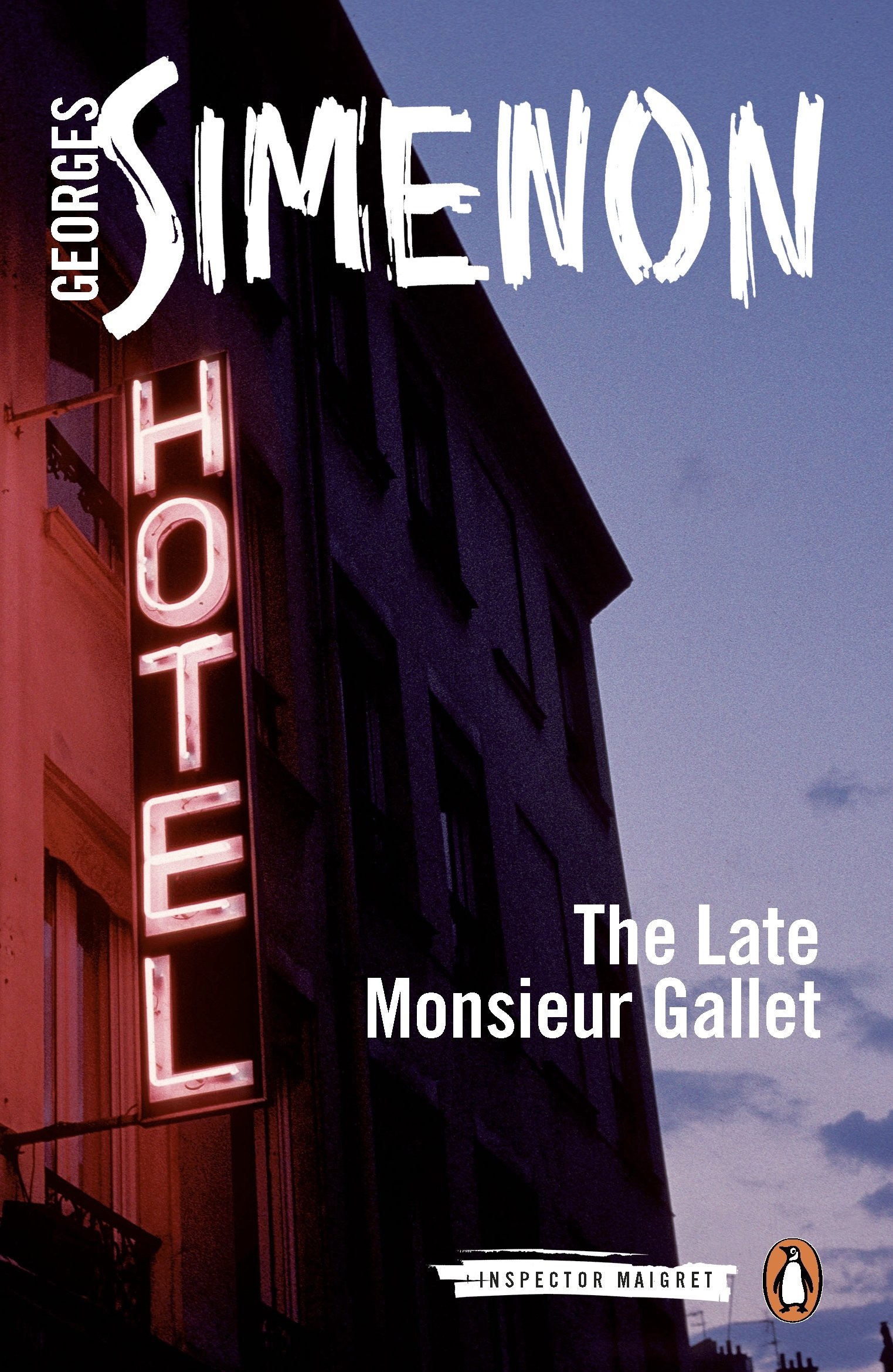
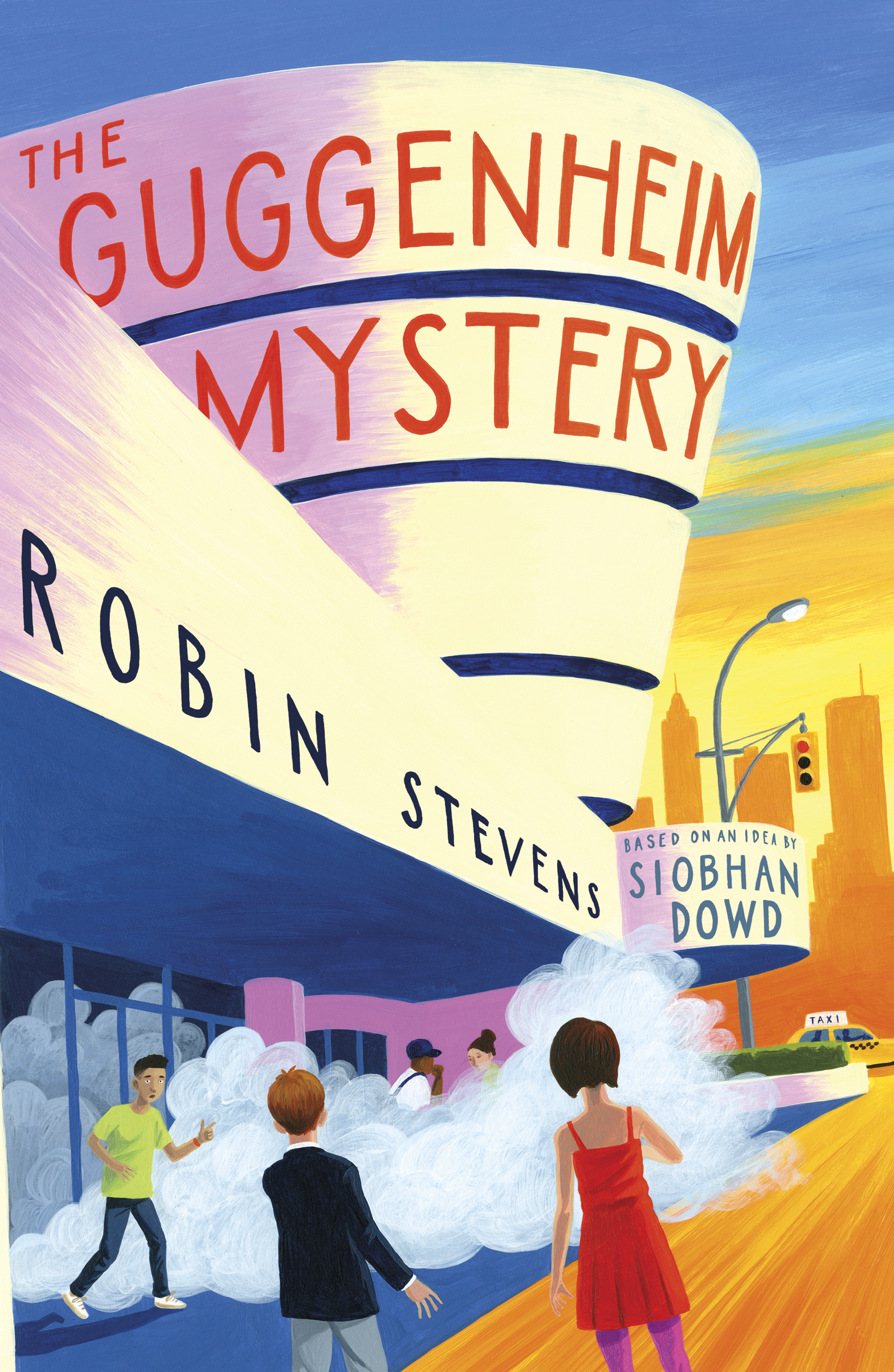 The Guggenheim Mystery is almost a piece of mystery metafiction in itself: the title was discovered among Siobhan Dowd’s papers following her untimely death in 2007, implying its intention as the follow-up to her impossible disappearance novel for younger readers, The London Eye Mystery (2007)…but no more was known. It fell to Robin Stevens to puzzle out a plot from these waifish beginnings and so continue the adventures of Ted Spark, his sister Kat, and their cousin Salim. So here we are — a painting disappears from the eponymous art gallery, the police jump on the most likely suspect, and it falls to this intrepid trio to hunt out the truth, recover the painting, and save the day.
 The Invisible Event