#1135: “Don’t be so infernally bloodthirsty!” – Who Killed Father Christmas? and Other Seasonal Mysteries [ss] (2023) ed. Martin Edwards

Astoundingly, Who Killed Father Christmas? (2023) is the fifth collection of seasonal mysteries collated by Martin Edwards for the British Library Crime Classics range. And, with the BL kind enough to provide me with a review copy, it seemed like the perfect excuse to start some Christmas reading a little earlier than planned.

Continue reading

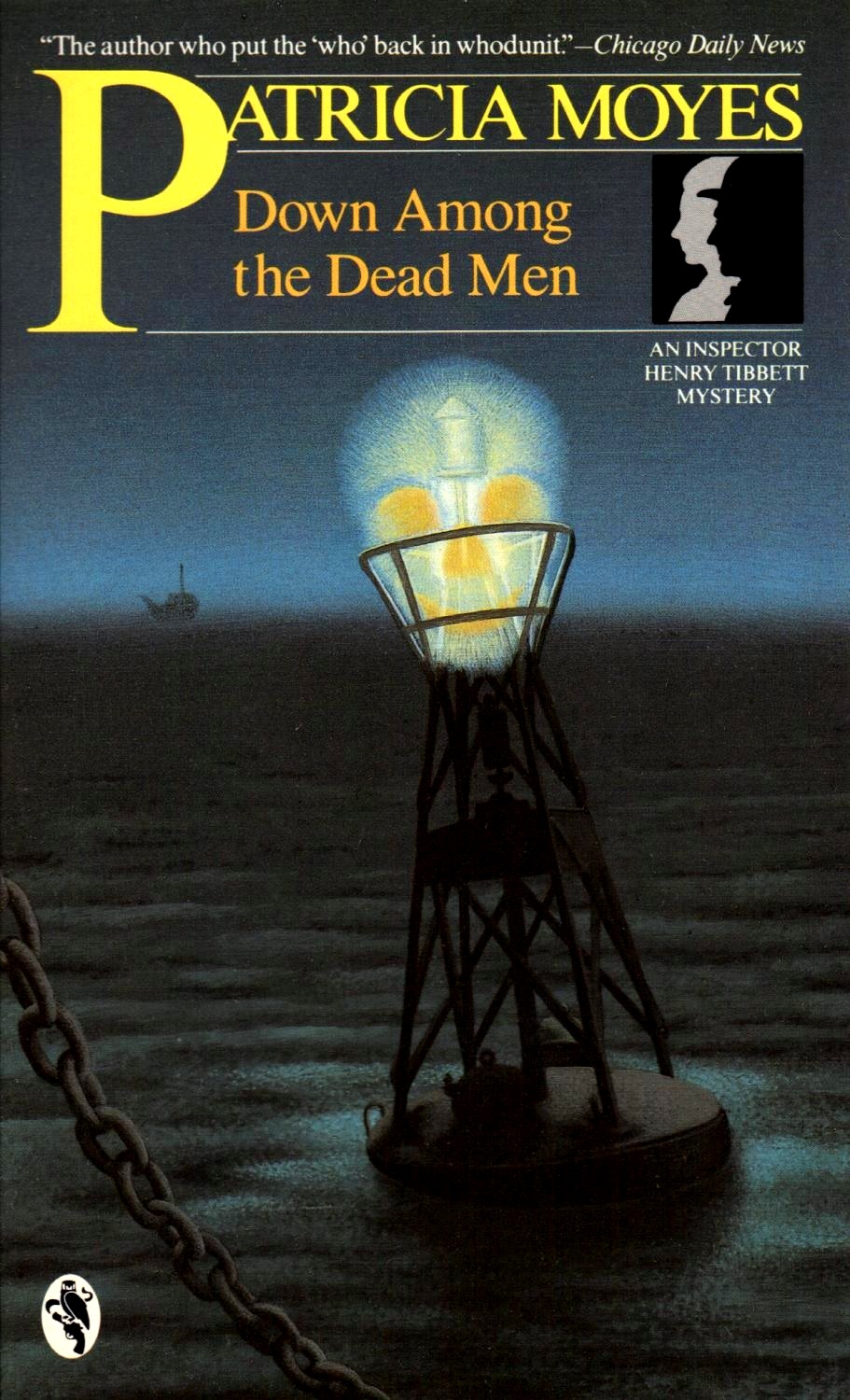
#529: Down Among the Dead Men, a.k.a. The Sunken Sailor (1961) by Patricia Moyes

Down Among the Dead Menstar filledstar filledstarsstarsstars
I don’t think anyone would doubt that I’m out of my stated era of the Golden Age reviewing a book from 1961, and there isn’t even an impossibility in this one to justify it on those grounds.  But Patricia Moyes’ debut Dead Men Don’t Ski (1959) was clothed in the fashions of GAD, and the series bears further investigation for that alone.  This second novel is afflicted a little by the narrative periphrasis that betokens later-era crime writing — chapter one should be called ‘Here’s the Cast’ and chapter two ‘Sure, I Understand Sailing, But I Don’t Know How to Communicate It (Glossary of Terms)’ — but, once past that, things improve significantly.

Continue reading

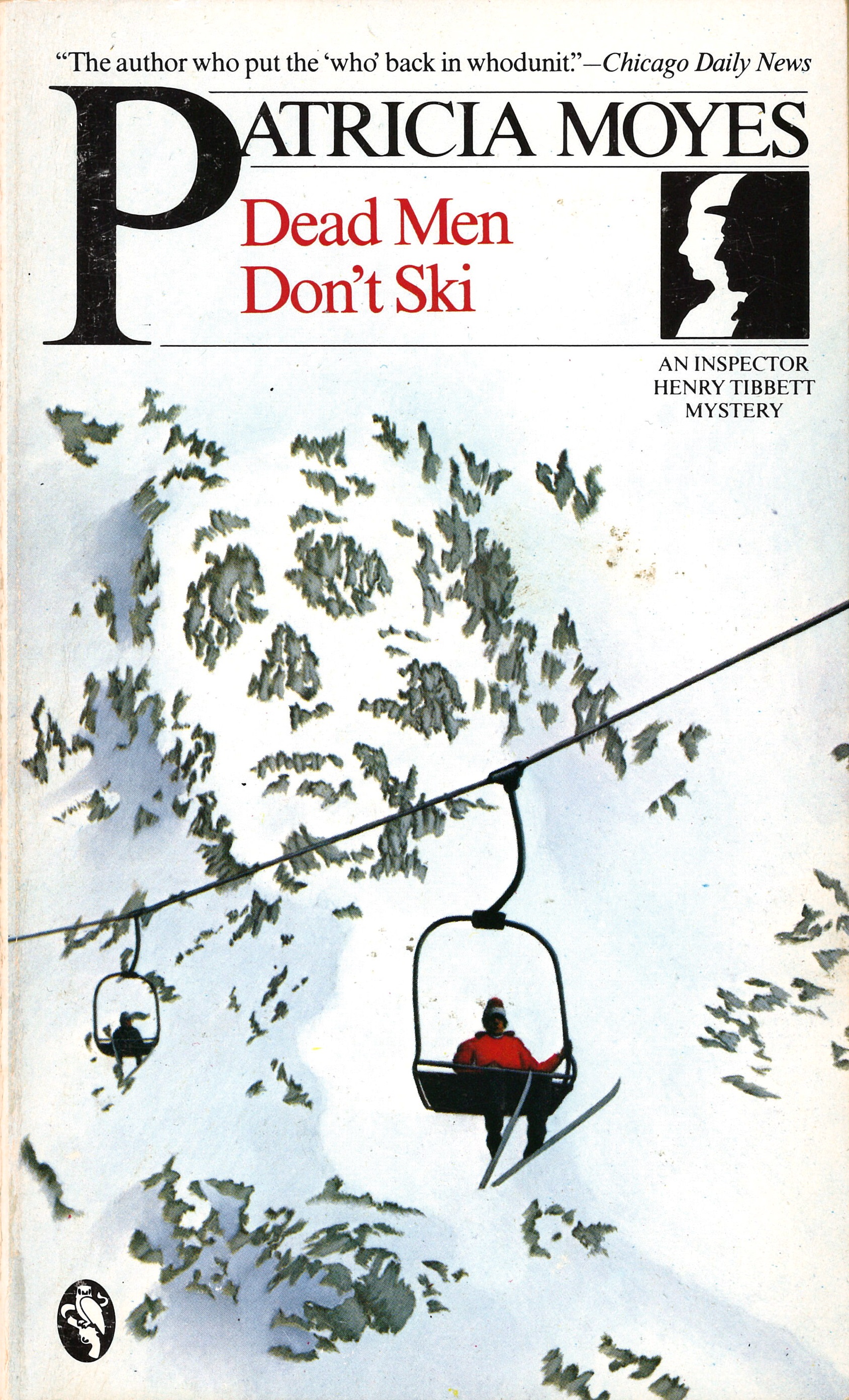
#460: Dead Men Don’t Ski (1959) by Patricia Moyes

Dead Men Don't Skistar filledstar filledstar filledstar filledstars
It’s fitting that Noah’s review of Dead Men Don’t Ski (1959), is what first brought the book to my attention, because the novel exemplifies for me a strata of fiction that I only got thinking about on account of Noah’s own, far superior, ruminations on the subject.  Much like Murder on Safari (1938) by Elspeth Huxley, contemporary familiarity with the milieu would probably see this classified as ‘cozy’ these days — but to do so would be to ignorantly overlook the newness of this sort of setting at the time of writing.  I’m tempted to call these Travelogue Mysteries, where the setting appeals as much as the crime on account of how novel it would have been at the time.

Continue reading