Norman Berrow
#546: The 10 Types of Impossible Crime – Categories and Titles from Our Talk at Bodies from the Library 2019


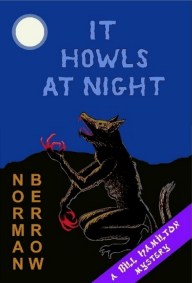
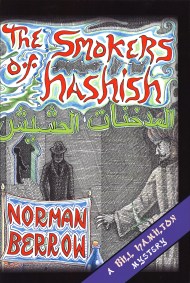

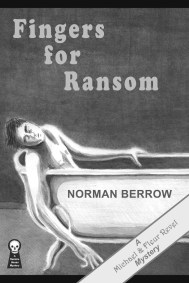

 As I wend my merry way through the works of Norman Berrow — this is the seventh book of his I’ve read, thanks to the wonderful efforts of Ramble House in republishing his entire catalogue — I’m forced into a certain awareness: I really like his style of mystery, even though they fall slightly below the standard I’d typically expect. His characters are fun, his situations inventive, he doesn’t bog you down in mucilaginous prose, and the fact that he jumped between five different (albeit short) series plus standalones in his career invited a certain variation in his approaches that stops things getting samey. If the plots occasionally fall short of full brilliance…I can live with that. But it makes things a little tricky from a reviewing perspective.
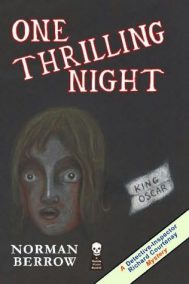 Sometimes I think it is possible to become jaded from reading too much of the same type of book. I signed up to this GAD blogging lark on my own initiative, and it’s the genre I prefer to read, but the need to get in at least one, and ideally two, a week to meet my own self-imposed deadlines can lead at times to a little disaffection creeping in. Thankfully, via the exemplary work of Fender Tucker’s Ramble House imprint, I have discovered the books of Norman Berrow, and so if my will be wandering I have the option of returning to the lightness and joy of his entertaining milieu. He’s not a plotter par excellence, but I find these books fun in a way that obviates my usual requirements in this direction. Prose before pose, dudes.
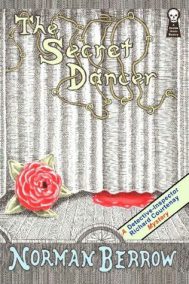 In a week that saw me start and quit three books in a row, it was a relief to open Norman Berrow’s third novel and be put immediately at ease by his nimble capturing of the pre-show backstage goings-on at the latest, most fashionable theatre in London. From the music described as “…a shamelessly stolen conglomeration of Mexican airs, assembled in Tin-Pan Alley, shipped to Europe, and played with astonishing variations” to the beautiful summation of leading lady Lili La Paz as “a miracle to watch; and hell to live with”, it’s the sort of opening salvo that reminds me why I return time and again to Berrow and his slightly disappointing impossibilities (the man does love a secret passage): simply put, he writes glorious prose.
 The Invisible Event