
Last year my book club picked our favourite 1930s mysteries, and earlier this year we moved on a decade and each selected a top 10 for the 1940s. So, well, here’s mine.
Continue readingLast year my book club picked our favourite 1930s mysteries, and earlier this year we moved on a decade and each selected a top 10 for the 1940s. So, well, here’s mine.
Continue reading


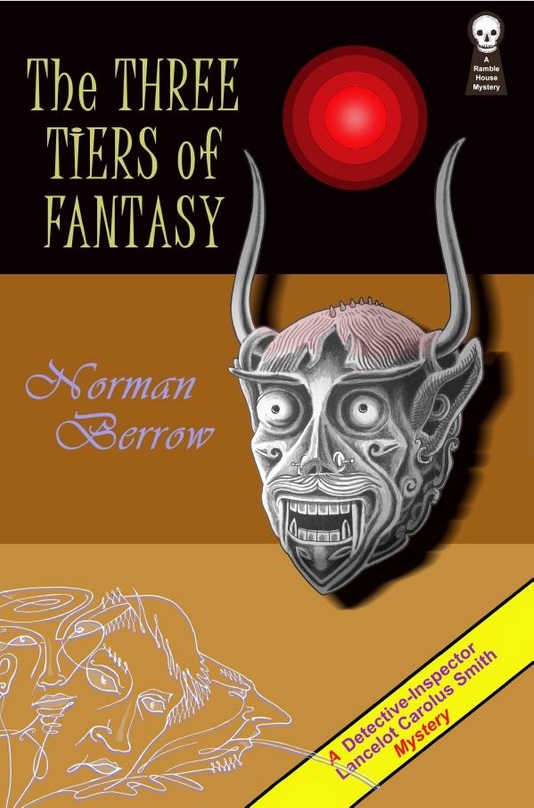
Norman Berrow’s literary output presents very much like the little girl with the curl in the middle of her forehead: when he’s good he’s The Three Tiers of Fantasy (1947) and The Footprints of Satan (1950), but when he’s bad he’s Words Have Wings (1946) or The Singing Room (1948). And after a few reading experiences so tedious that I didn’t finish them, never mind review them on the blog, a break was needed. Three years without reading a word by the man, then, we return with The Lady’s in Danger (1955), which lacks for detection but is nevertheless a very enjoyable little thriller, and a fun time thanks to its author’s familiarity with so many of the tropes he deploys.
It looks like I might be making these ‘Ten Favourite…’ lists a thing, having previously done fictional detectives and British Library reissues; today, we turn our attention to the great work done by Ramble House, publishers of an unusual mix of crime and weird fiction.
Continue readingPerhaps April Fool’s Day isn’t the best scheduling of this post, but the recent experience of dragging my way through Helen Vardon’s Confession (1922) by R. Austin Freeman got me thinking about the literary detectives I’d follow to hell and back, and I figured that it might be worth expanding upon.
Continue reading
In the back of my mind when I started The Invisible Event was the idea that exactly half of what I’d post about would feature impossible crimes, locked room mysteries, and/or miracle problems — and although this proportion started an irreversible slide after the first 500 or so posts, the impossible crime remains my first love.
Continue reading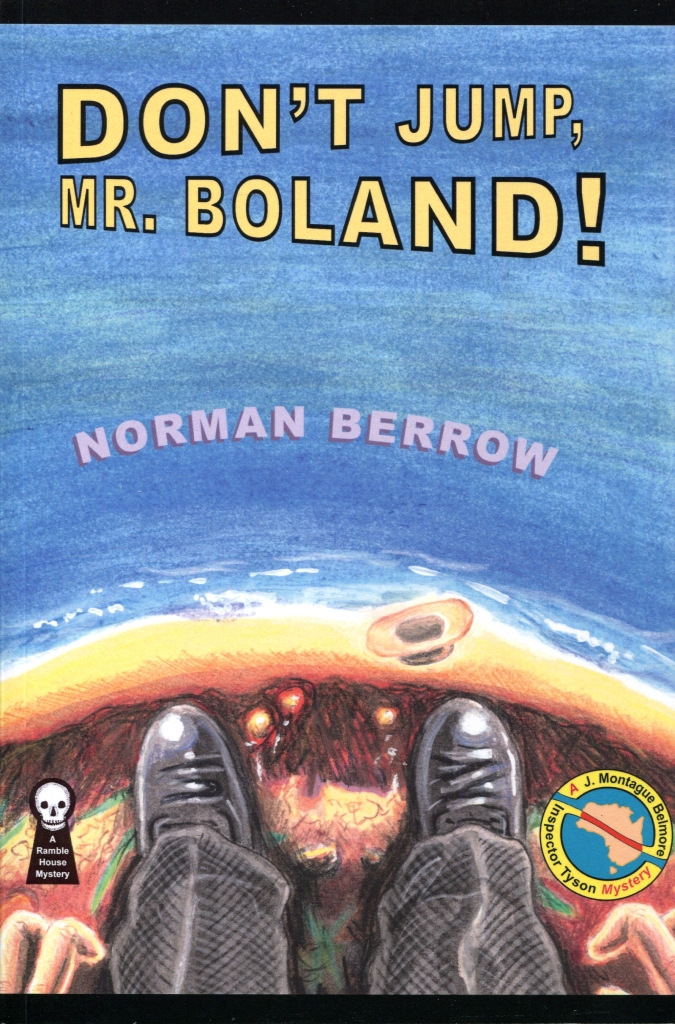
I’m in a confusing place with my reading of Norman Berrow. I was sure that the break he took during WW2 would result in his post-1945 work being far superior — and it largely is — but the likes of Words Have Wings (1946), The Singing Room (1948), and The Eleventh Plague (1953) proved too tedious to finish. And now Don’t Jump, Mr. Boland! (1954) is similarly bland and thin, and I have anywhere between three and seven books of his left to read. We expect authors with long careers to fade away towards the end, but Berrow’s inconsistency is bizarre in how unguessable his quality is. At even his second best he’s lithe and fun, so today let’s examine this failure.

For a blog set up with the implicit aim to explore the impossible crime in fiction, it has to be said that impossibilities have been rather thin on the ground at The Invisible Event of late. Here, then, is a podcast episode committed to the impossible crime (or one-tenth of it, at least) with author Tom Mead.
Continue reading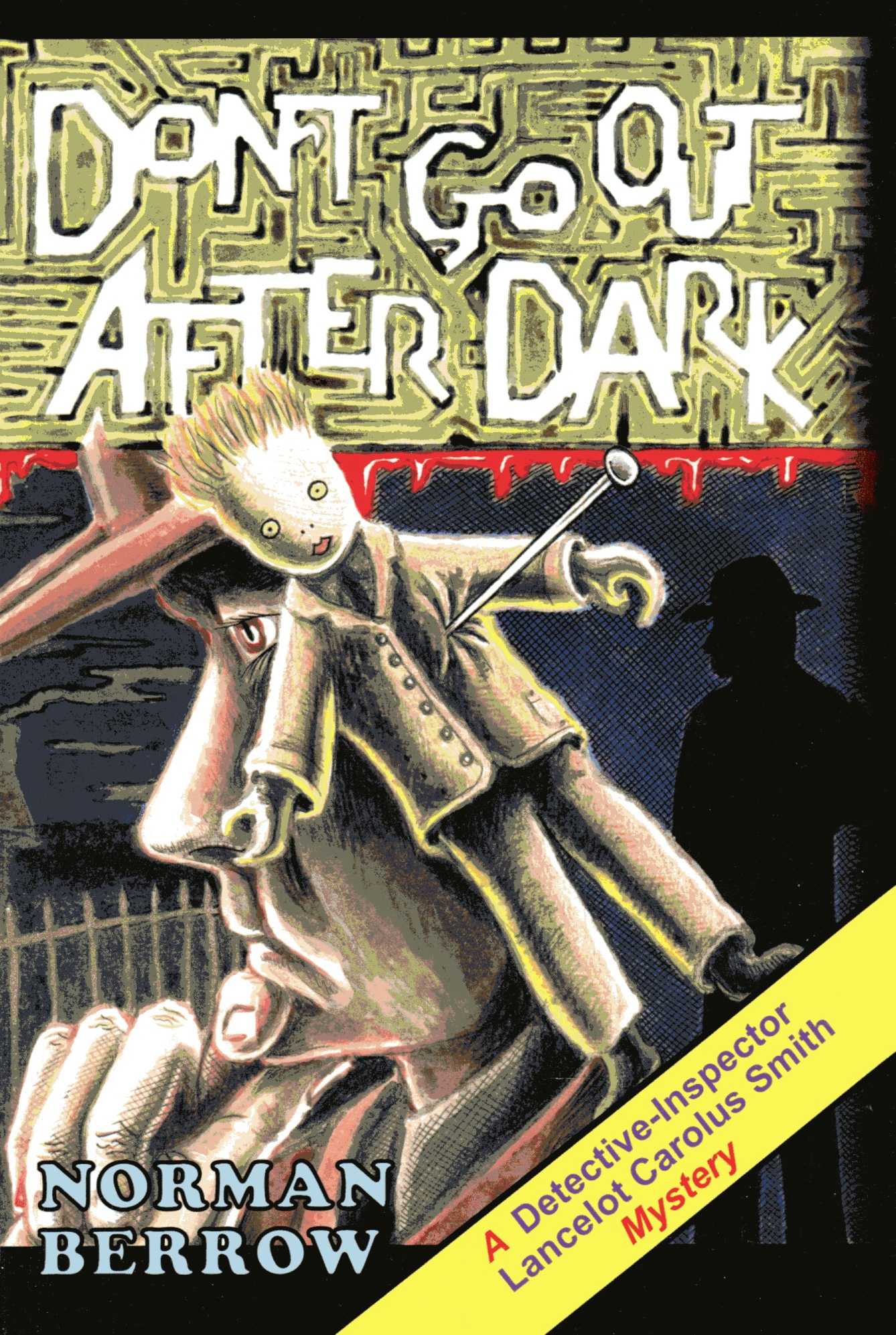
I posited before that Norman Berrow’s career was neatly bisected by the Second World War — those novels he wrote before it being light, sometimes a little tedious, and generally easily dismissed, and those coming after possessed of better plotting, better characterisation, better everything. Then I encountered two post-war Berrow books in a row — Words Have Wings (1946) and The Singing Room (1948), both featuring the characters Michael and Fleur Revel — which left me disinterested and to date remain unfinished. Does Don’t Go Out After Dark (1950), the last of the usually excellent Lancelot Carolus Smith novels I have to read, correct this? Thankfully, yes.
 The Invisible Event