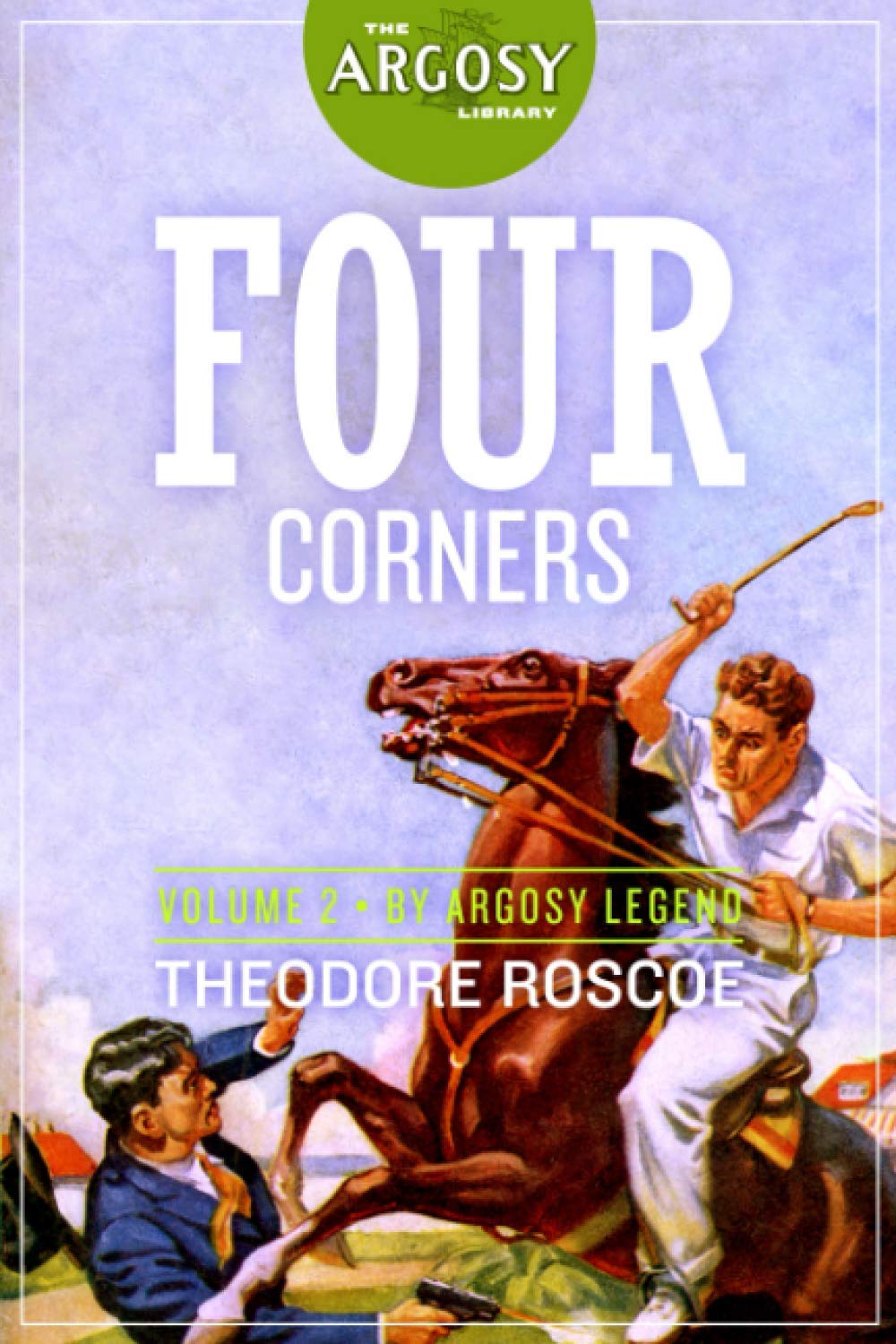
Where next for Theodore Roscoe’s tales of small own life in upstate New York? Well, how about some Suspense?
Continue readingImpossible Crimes
#946: Law and Order – Ranking the First Fifteen Inspector French Novels (1924-36) by Freeman Wills Crofts
With the sixteenth to twenty-fourth novels by Freeman Wills Crofts to feature his series detective Chief Inspector Joseph French due to be republished between now and January 2023 (well, #18, Antidote to Venom (1938), is already available from the British Library) it occurred to me that people might be looking for advice about the first fifteen — all, incredibly, in print.
Continue reading#940: A Little Help for My Friends – Finding a Modern Locked Room Mystery for TomCat Attempt #19: The Botanist (2022) by M.W. Craven
Believe it or believe it not, this occasional endeavour — in which I read modern locked room and impossible crime novels in the hope that I may save my fellow enthusiast TomCat some drudgery — started with good intentions, despite rarely going to plan. So, does the enthusiasm Puzzle Doctor showed for this no-footprints baffler mean we’ve found a good one?
Continue reading#931: Five to Try – Elementary, Season 2 (2013-14)
Five more recommended episodes of Elementary, the US TV update of Sherlock Holmes, this time from season 2.
Continue reading#930: Night at the Mocking Widow (1950) by Carter Dickson

![]()
![]()
![]()
![]()
![]()
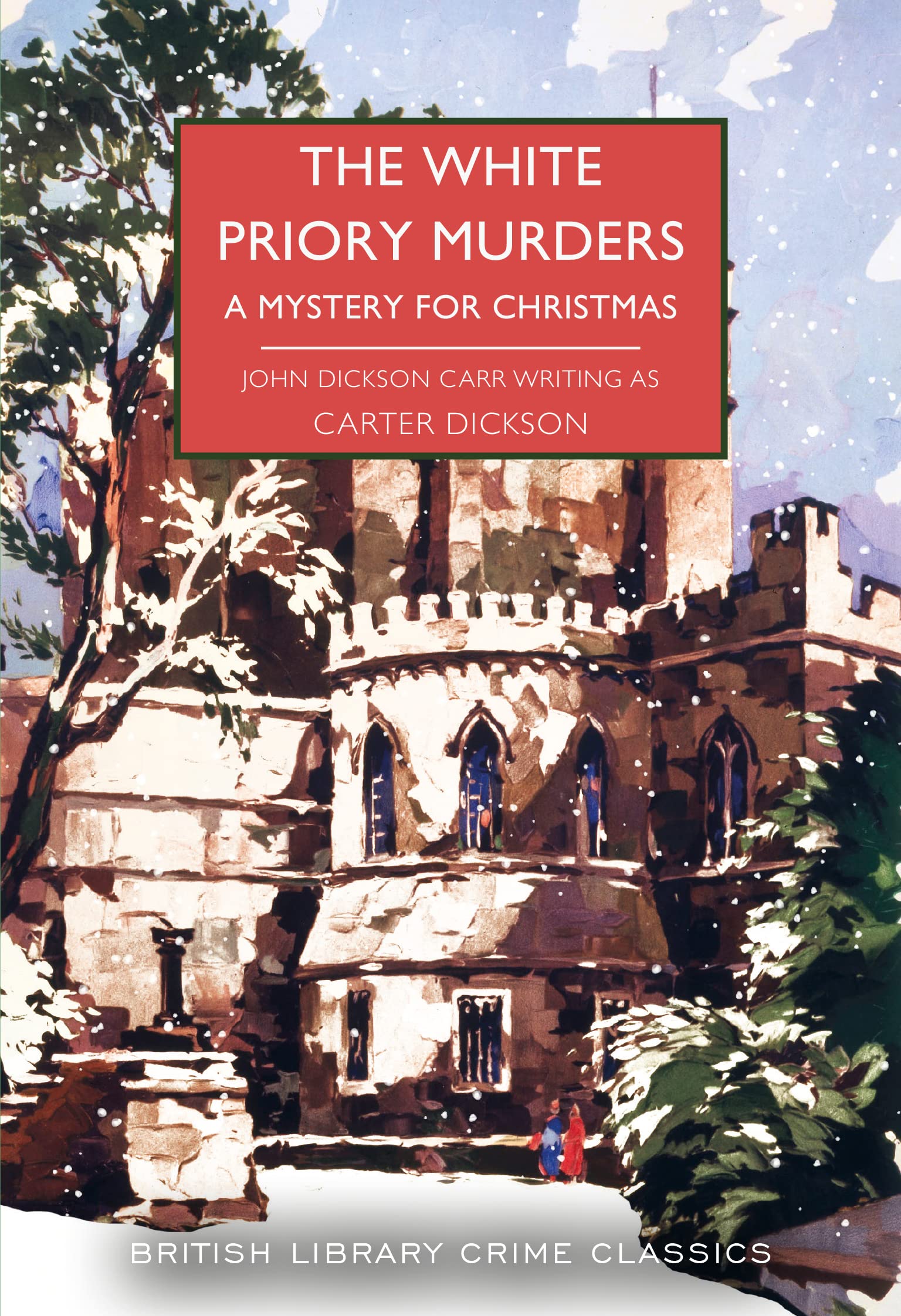
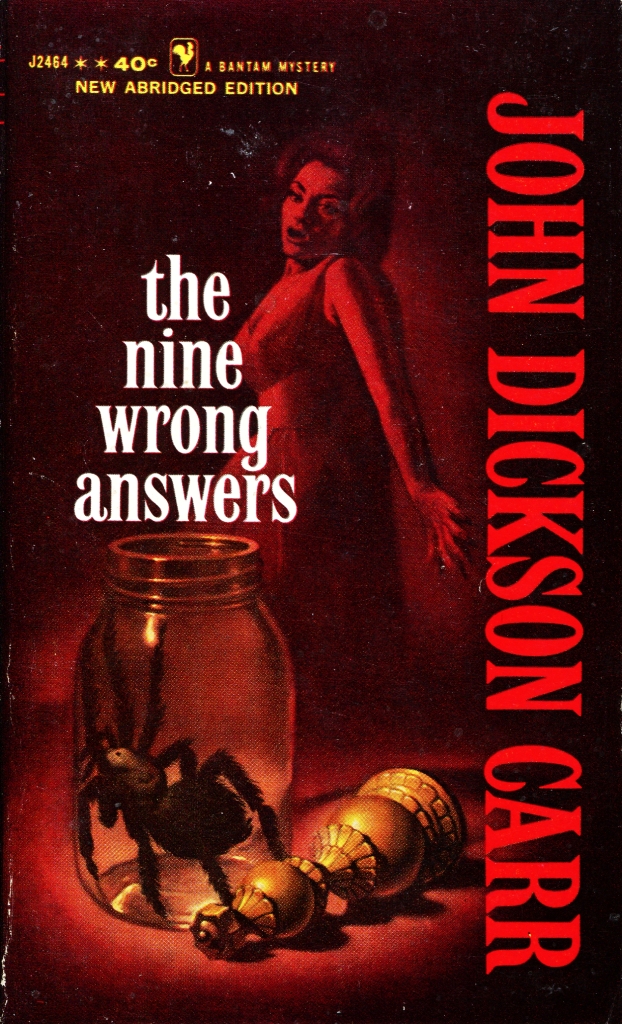
I love a good village poison pen mystery but, as I’ve said before, they’re difficult to write because both the village and the mystery must convince and compel. Night at the Mocking Widow (1950), the twentieth book written under John Dickson Carr’s Carter Dickson nom de plume to feature Churchillian sleuth Sir Henry ‘H.M.’ Merrivale, starts off seeming like a great example of both…but once we hit the halfway stage and the impossible appearance and vanishing of the sinister Widow presents itself, the life rather goes out of things. From that point on, it feels more like a writing exercise than a novel, and one that Carr is forcing himself to complete.
#929: Little Fictions – ‘A Matter of Scholarship’ (1955), ‘The Ultimate Clue’ (1960), and ‘The Anomaly of the Empty Man’ (1952) by Anthony Boucher
A slight cheat this week — the final two stories by Anthony Boucher from the collection Exeunt Murderers [ss] (1983), and then, so that we have three stories again this week, the Holmes pastiche ‘The Anomaly of the Empty Man’ (1952) as listed in Adey.
Continue reading#926: Little Fictions – ‘The Retired Hangman’ (1947), ‘The Smoke-Filled Locked Room’ (1950), and ‘The Statement of Jerry Malloy’ (1955) by Anthony Boucher
Another Tuesday, another triumvirate of stories from the Exeunt Murderers [ss] (1983) anthology of short crime fiction by Anthony Boucher.
Continue reading#925: “Everyone has to die sometime.” – Nightwebs [ss] (1971) by Cornell Woolrich
Roughly twenty years ago, the British publisher Orion released a series of reprints under the banner of Crime Masterworks which had something of a transformative effect on the books Younger Me started to look out for. Included in that selection was the short story collection Nightwebs (1971) by Cornell Woolrich.
Continue reading#924: The Curse of the Reckaviles, a.k.a. The Crime of the Reckaviles (1927) by Walter S. Masterman

![]()
![]()
![]()
![]()
![]()
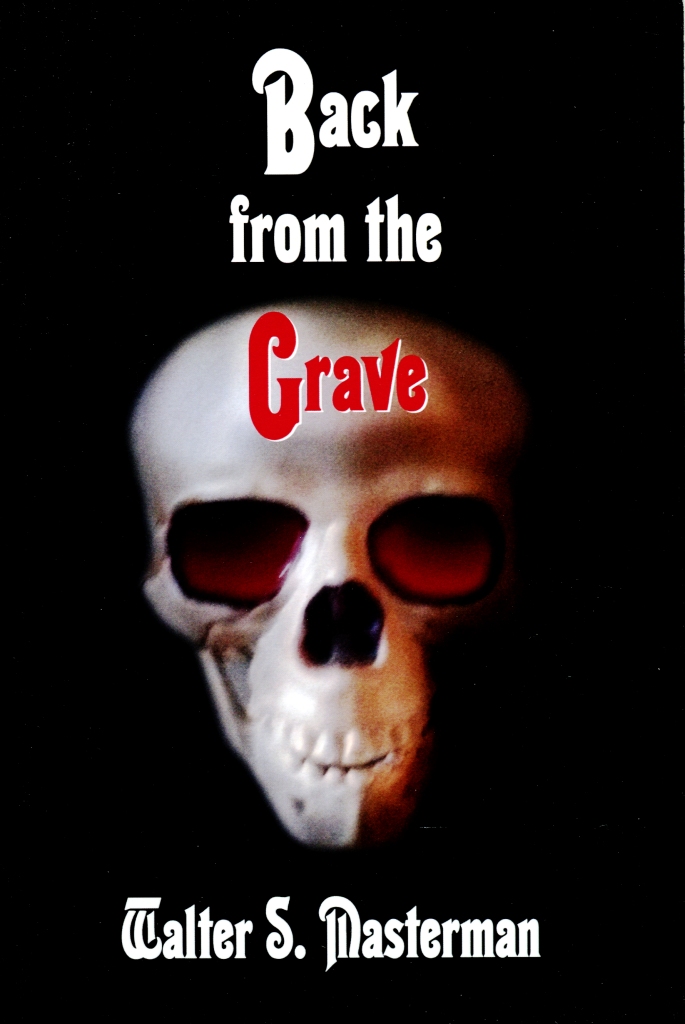
How to explain my fascination with the work of Walter S. Masterman? The five books I’ve read so far are all written in a sprawling, loose style evoking detective fiction’s Victorian forebears — as if actually penned in the 1880s and discovered in a trunk before being published during the genre’s Golden Age — and the consequent veering of his plots should vex me immensely. And yet I keep returning to these Ramble House reprints because there’s something fascinating about Masterman’s insistence on writing books in this style despite the genre accelerating away from him. I mean, RH have published twenty-five of his novels…so he was hardly a flash in the pan.
#922: This Deadly Isle: A Golden Age Mystery Map (2022) by Martin Edwards [ill. Ryan Bosse]
After the very enjoyable work done by Herb Lester and Caroline Crampton in mapping the key locations of Agatha Christie’s English mysteries, it was surely only a matter of time before a similar project was attempted. And This Deadly Isle, which maps the locations of a raft of Golden Age mysteries across the country, is the delightful inevitable follow-up.
Continue reading