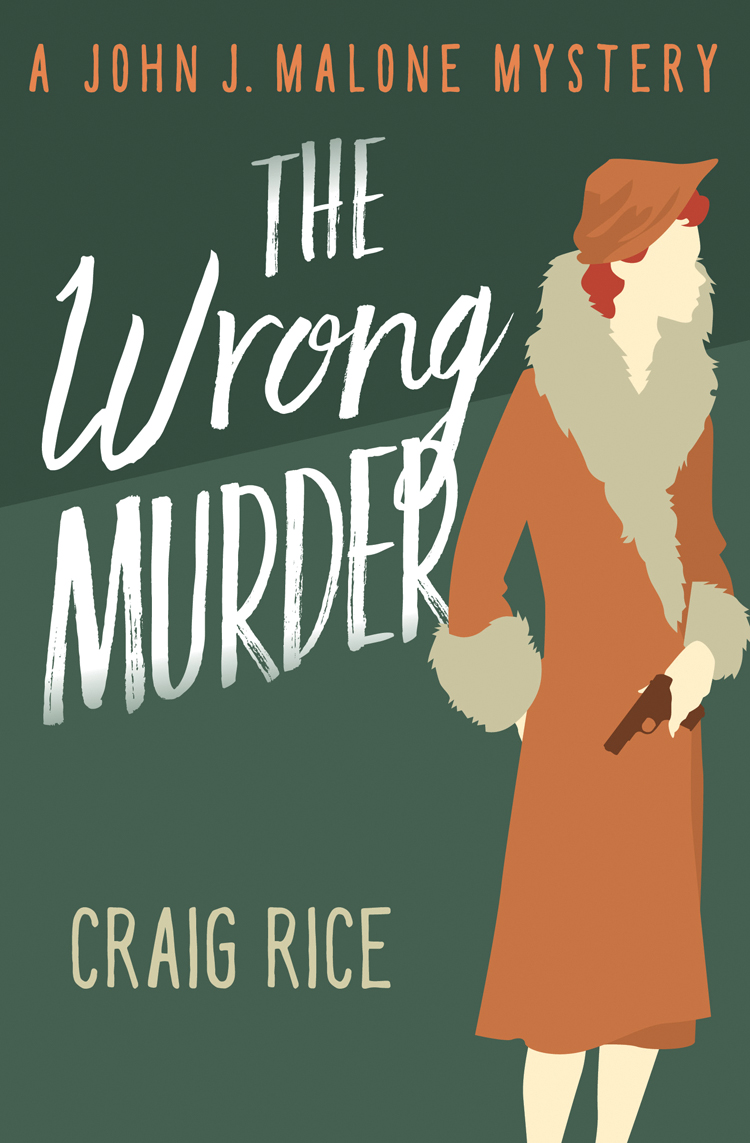
#954: The Wrong Murder (1940) by Craig Rice

Wrong Murder

star filledstar filledstar filledstar filledstars
At the bunfight following his marriage to Helene Brand, theatrical agent Jake Justus, reflecting that “he had had more than his fair share of homicides”, is unprepared for Mona McClane boasting that she will kill someone “in broad daylight on the public streets, with…plenty of witnesses”. Surely she can’t be serious? And so a bet is struck — powered, no doubt, by the veneer of alcohol that drives so much of Craig Rice’s wild plotting — that, if Mona commits the murder, Jake will prove her guilty of it. And then a man is shot dead on the busiest corner in Chicago during the Christmas rush, with Mona McClane spotted in the vicinity just moments before.

Continue reading →

#940: A Little Help for My Friends – Finding a Modern Locked Room Mystery for TomCat Attempt #19: The Botanist (2022) by M.W. Craven

Believe it or believe it not, this occasional endeavour — in which I read modern locked room and impossible crime novels in the hope that I may save my fellow enthusiast TomCat some drudgery — started with good intentions, despite rarely going to plan. So, does the enthusiasm Puzzle Doctor showed for this no-footprints baffler mean we’ve found a good one?

Continue reading →

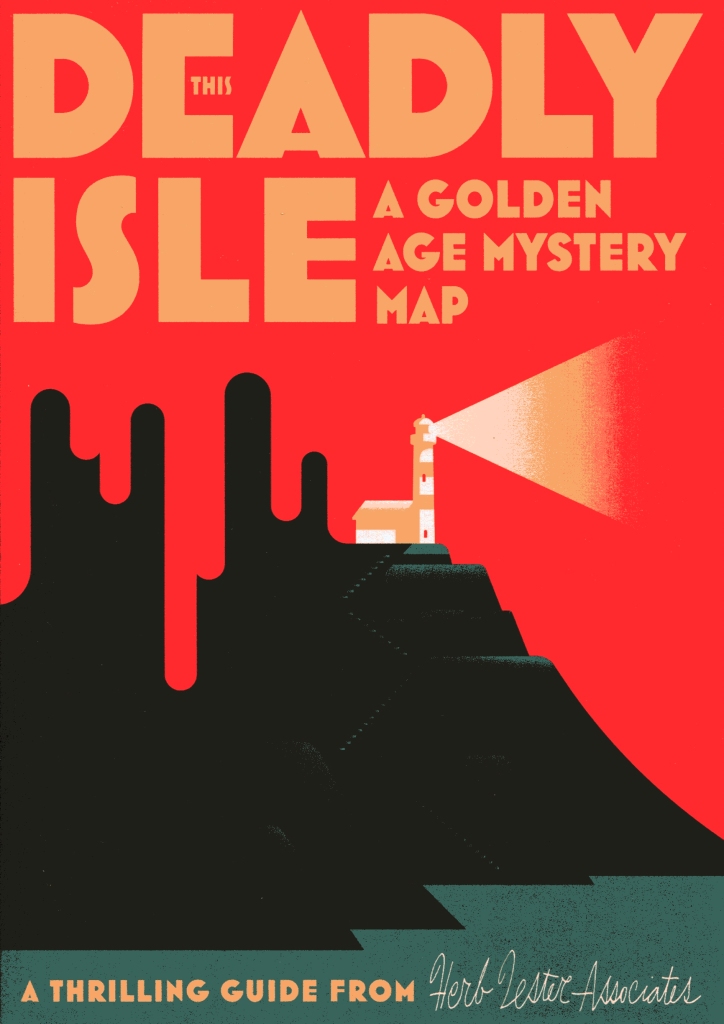
#922: This Deadly Isle: A Golden Age Mystery Map (2022) by Martin Edwards [ill. Ryan Bosse]

After the very enjoyable work done by Herb Lester and Caroline Crampton in mapping the key locations of Agatha Christie’s English mysteries, it was surely only a matter of time before a similar project was attempted. And This Deadly Isle, which maps the locations of a raft of Golden Age mysteries across the country, is the delightful inevitable follow-up.

Continue reading →

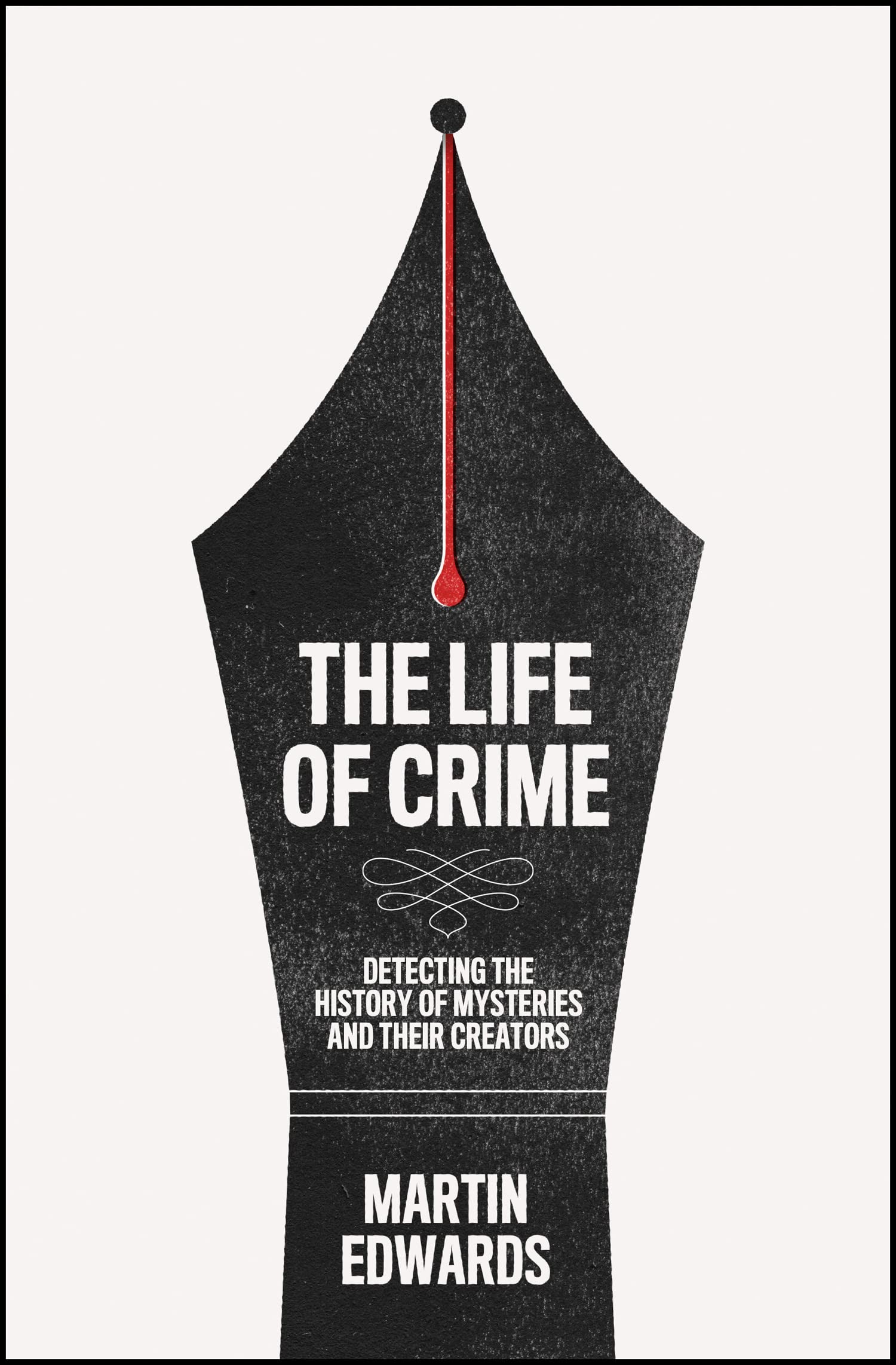
#918: The Life of Crime (2022) by Martin Edwards

Life of Crime

star filledstar filledstar filledstar filledstar filled
To me falls the honour of rounding off the blog tour for The Life of Crime (2022) by Martin Edwards, adding to the deserved praise it has already garnered elsewhere. This “personal journey through the genre’s past, with all the limitations and idiosyncrasies that implies” is a monumental achievement, encompassing the breadth and depth of a genre that is now a good couple of centuries old, and finding many nuggets to share about it along the way. And, since any study of a genre must inherently be about that genre to some extent, Edwards’ trump card here is to tell a story of crime writing that also sheds light on the need for such stories to exist in the first place.

Continue reading →