
And then there were 16…
Continue readingAnd then there were 32 — the first round of this vote to find the most popular sleuth of detective fiction’s Golden Age having whittled the original 64 names down to half that number, and the votes available for one week from today due to halve it again. So, who survived and who is out of the running?
Continue readingRight, you probably know the drill by now: 100+ sleuths nominated, top 64 chosen, the top half of 32 already voted on…today you’re voting on the bottom half of the first round.
Continue readingOver one hundred names were nominated. The top 64 have been sifted. Today we begin the process of finding the favourite sleuth of detective fiction’s Golden Age (precise dates pending, but we’re saying 1920-45).
Continue reading
Here’s something I’ve been curious about, and probably only now have the time and energy to think about organising: who is the most popular detective character of the genre’s Golden Age?
Continue reading


One of my very favourite detective fiction tropes is the Unidentified Corpse. It’s at the heart of my favourite E.C.R. Lorac book, one of my favourite Freeman Wills Crofts books, and as a mainstay of the work of R. Austin Freeman is put to wonderful use both traditional and inverted. Murder in the Basement (1932) by Anthony Berkeley also invents the Whowasdunin?, giving us a cast of characters from which the corpse will be produced, and not divulging the identity of the victim until the halfway point. Thankfully, given Berkeley’s tendency to commit to a thought experiment regardless of whether the book that comes out of it is any good, he’s also written an entertaining and very witty novel along the way.

The tension at the heart of the likes of the wonderful British Library Crime Classics and American Mystery Classics ranges is that they’re reprinting some genuine classics — Home Sweet Homicide (1944) by Craig Rice, The Bride Wore Black (1940) by Cornell Woolrich — whose authors I’d love to comprise their output for the next few years, but likes of E.C.R. Lorac and Mary Robert Reinhart will sell plenty of books to people who aren’t me, despite me feeling better books are out there. So while it would be harsh to say that The Great Hotel Murder (1934) by Vincent Starrett feels like a wasted opportunity, I can safely say that I’ve now read as much Starrett as I have any interest in reading.
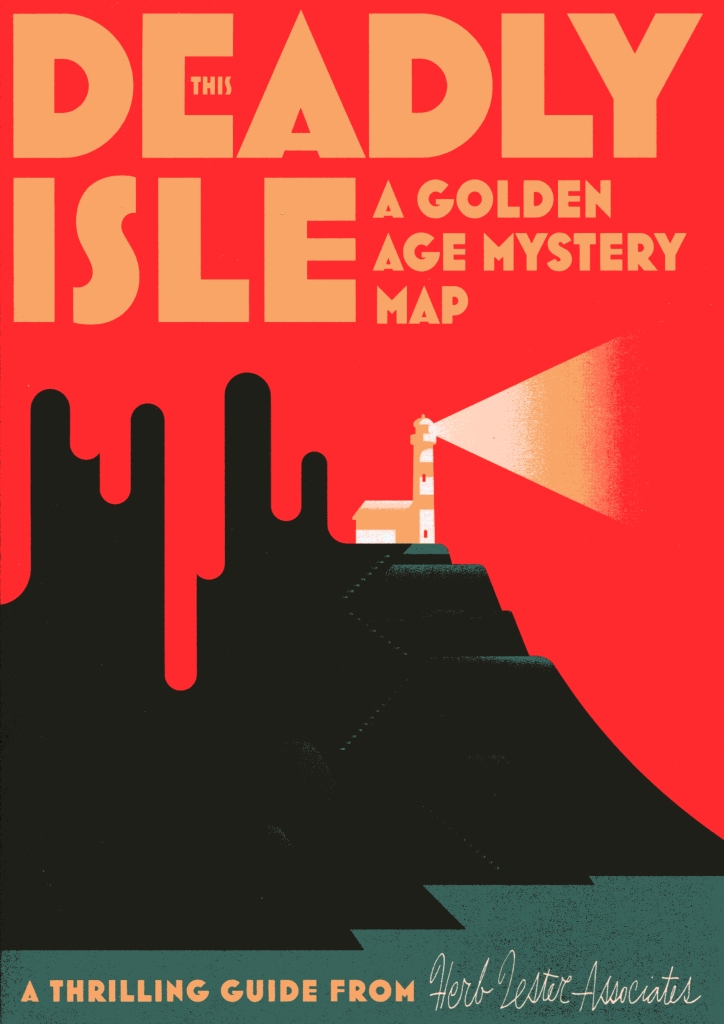
After the very enjoyable work done by Herb Lester and Caroline Crampton in mapping the key locations of Agatha Christie’s English mysteries, it was surely only a matter of time before a similar project was attempted. And This Deadly Isle, which maps the locations of a raft of Golden Age mysteries across the country, is the delightful inevitable follow-up.
Continue reading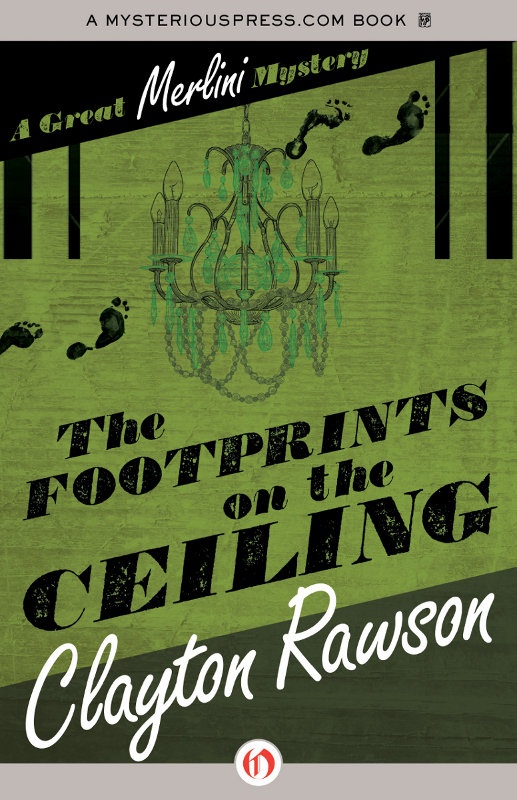
This might be the longest-gestating punchline in blogging history, but it was also about time I returned to Clayton Rawson. Ever since the American Mystery Classics reissued Rawson’s debut novel Death from a Top Hat (1938), I’ve been waiting for them to release his second, The Footprints on the Ceiling (1939), so that I could finally experience it. And then I discovered a few months ago that I’d already bought Footprints as an ebook and it had been waiting, long-forgotten, on my e-reader of choice. And, as someone who feels Rawson’s best work might have been his short stories, I have to say that I very much enjoyed…most of this.
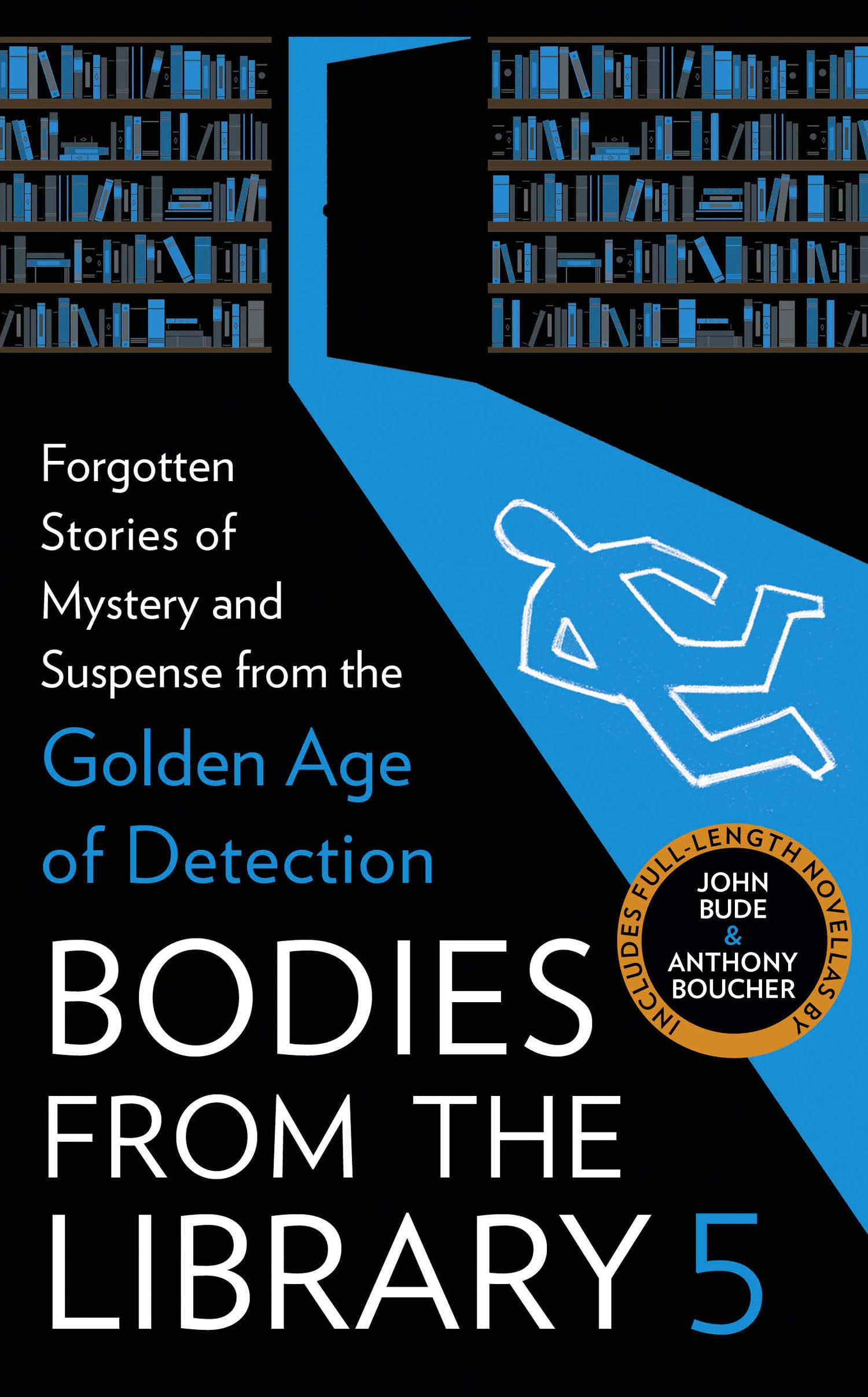
Another year, another collection of forgotten or unknown tales from the luminaries of detective fiction’s Golden Age brought to us by the tireless efforts of Tony Medawar. So how does Bodies from the Library 5 (2022) stack up?
Continue reading The Invisible Event