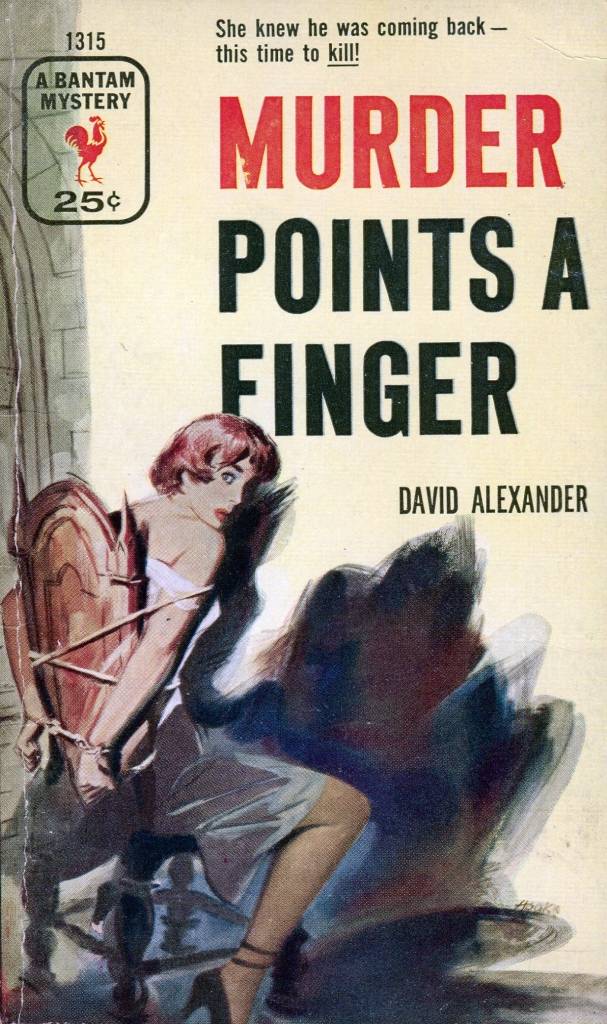
It was probably TomCat’s review of Murder Points a Finger (1953) by David Alexander which first put the book on my radar, but chances of finding it were slim and I’d forgotten any details by the time I did, much to my surprise, run a copy to earth last year.
Continue readingAmateur Detective
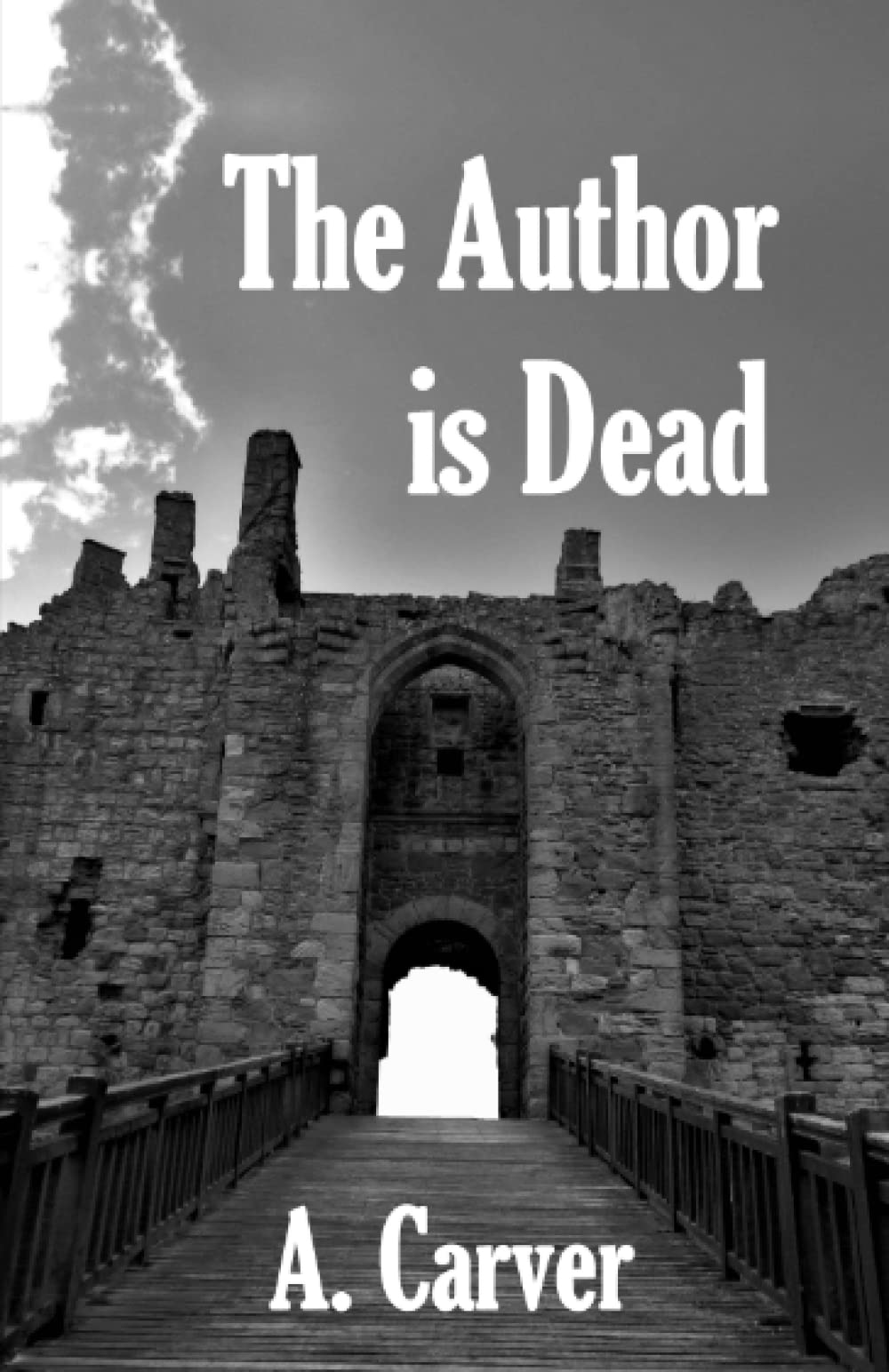
#1113: Adventures in Self-Publishing – The Author is Dead (2022) by A. Carver
Excepting a couple of books by James Scott Byrnside, who graduated magna cum laude from the University of Self-Publishing, the last time I pursued these Adventures was October 2020. So, grizzled and too old for this shit, I am summoned out of retirement by The Author is Dead (2022) by A. Carver.
Continue reading#1070: Twice Round the Clock (1935) by Billie Houston

![]()
![]()
![]()
![]()
![]()
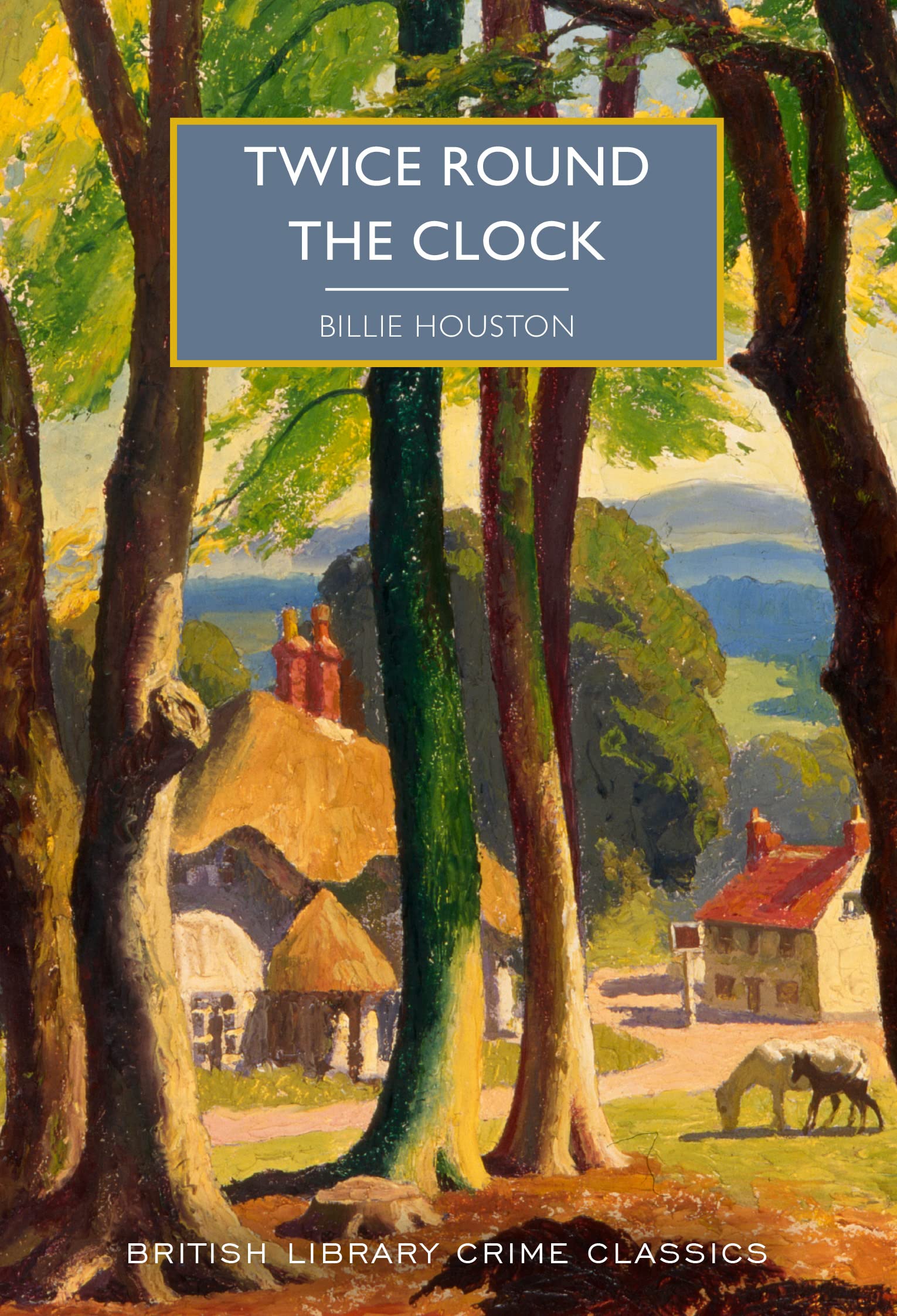
The core framing of Billie Houston’s sole crime novel Twice Round the Clock (1935) — a murdered man discovered in the opening scene, before we jump back in time twelve hours and see events that lead up to the murder, then the twelve hours that follow the discovery — is hardly new, but the book is written with a fresh eye, and such clear lines in its character and narrative that it’s difficult not to enjoy. Don’t come for the detection or clues, which are scanty, but those of you who enjoyed Death of Anton (1936) by Alan Melville, another British Library Crime Classic, will find this equally to your liking for its clear setting, distinct characters, and occasionally unusual ideas.
#1052: The Mysterious Mr. Badman (1934) by W.F. Harvey

![]()
![]()
![]()
![]()
![]()
The expertly-curated British Library Crime Classics series continues to diversify with crowd-pleasing reissues of Anthony Berkeley, Christianna Brand, and John Dickson Carr, never-heard-of-em delights like Family Matters (1933) by Anthony Rolls and Death of Anton (1936) by Alan Melville, and stirring in a Freeman Wills Crofts or a few E.C.R. Loracs along the way. And The Mysterious Mr. Badman (1934) by W.F. Harvey definitely falls into the middle category, because ask 100 people if they’d heard of it before this reissue and maybe three would say they had, two of whom would be lying to look cool. But a delight it is, and welcome it most certainly is.
#1044: To Foe of Theirs I’m Deadly Foe… – My Ten Favourite Literary Detectives
Perhaps April Fool’s Day isn’t the best scheduling of this post, but the recent experience of dragging my way through Helen Vardon’s Confession (1922) by R. Austin Freeman got me thinking about the literary detectives I’d follow to hell and back, and I figured that it might be worth expanding upon.
Continue reading#1015: Epitaph for a Spy (1938) by Eric Ambler

![]()
![]()
![]()
![]()
![]()
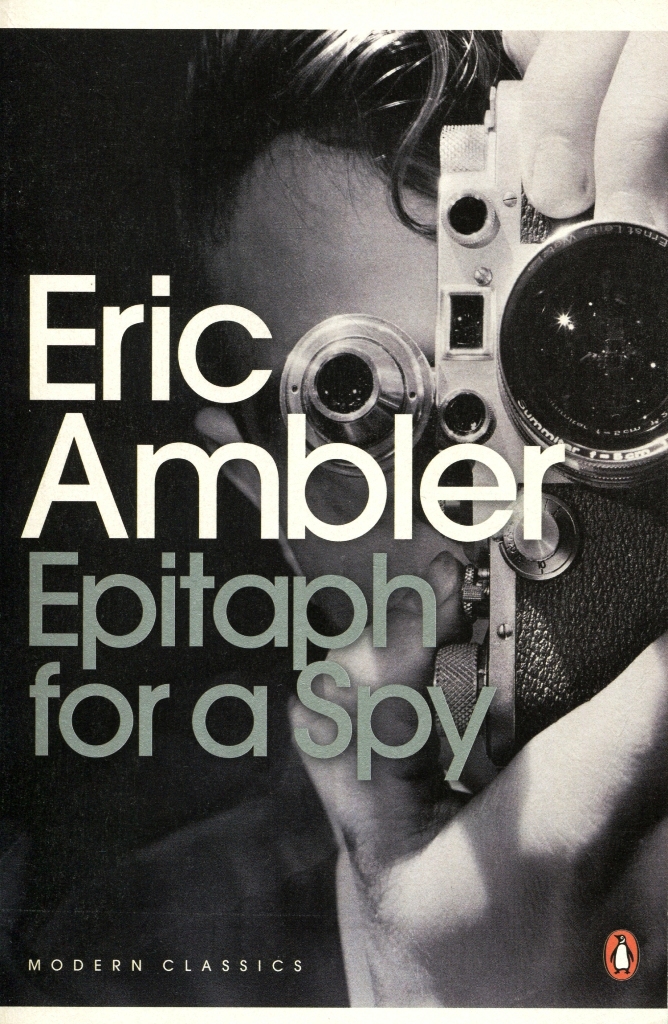
Epitaph for a Spy (1938) places me at the centre of a Venn diagram of two things I heartily dislike — the everyman espionage fiction of John le Carre, and novels whose protagonists cluelessly accidentally their way along — and so I shouldn’t exactly be surprised that these two wrongs have failed to combine to produce something I would enjoy. This story of languages teacher Josef Vadassy strong-armed into helping identify a spy while on holiday at an exclusive French pension is, in fact, riddled with just about every trope and facet of genre fiction that I dislike, and it’s difficult to imagine Eric Ambler’s intent in writing such a book. But, I get ahead of myself…
#1012: The World’s Favourite Golden Age Sleuth – The Result
We started back in August, with readers of this blog nominating sleuths of their choosing to be put into a series of gladiatorial head-to-heads that would result in an overall favourite from detective fiction’s Golden Age, and finally, in January, we have our winner.
Continue reading#1007: The World’s Favourite Golden Age Sleuth – The Final!
#1001: The World’s Favourite Golden Age Sleuth – The Semi-Finals
#994: The World’s Favourite Golden Age Sleuth – The Quarter-Finals
We approach the sharp end of things now, with 64 names reduced now to a mere eight, and only three rounds of voting before the legally-binding World’s Favourite Golden Age Sleuth is crowned.
Continue reading