In GAD We Trust – Episode 21: The Diversity of Approaches to Detective Fiction [w’ Martin Edwards]

The detective fiction genre is built around the essential structure of a crime, an investigation of that crime, and the revelation of the guilty party who committed the crime, and good heavens didn’t the Golden Age map out a lot of different ways to walk that path. And there are few people better placed to discuss this than President of the Detection Club and recent recipient of the CWA Diamond Dagger Martin Edwards, who celebrates three decades as a published author this year.

Continue reading


#790: On the Morals of Golden Age Detective Fiction, via Crime and Detection [ss] (1926) ed. E.M. Wrong

That title is doing a lot of work, isn’t it? Fair warning: this goes on a bit.

At the online Bodies from the Library conference last weekend, I gave a talk inspired in part by E.M. Wrong’s introduction to the 1926 anthology Crime and Detection. And, in addition to coining the term “Wellington of detection” that inspired the thinking I laid out last weekend, there is plenty of material in that piece of prose to get the cogs turning.

Continue reading

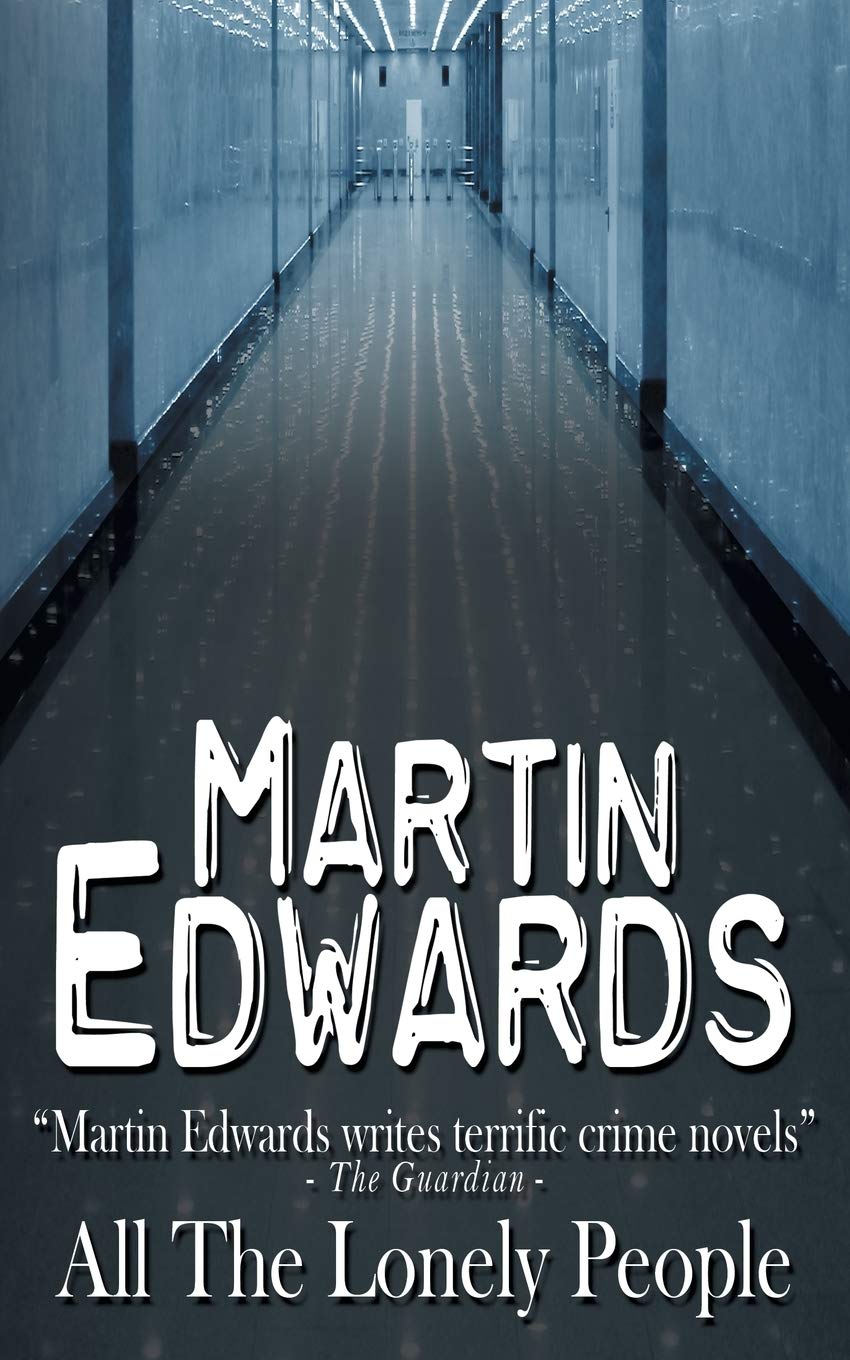
#788: All the Lonely People (1991) by Martin Edwards

All the Lonely People

star filledstar filledstar filledstar filledstars
Earlier this year, when I spoke with Steve about modern authors writing in the Golden Age tradition, he reminded me that I’d not read any of Martin Edwards’ series of Liverpool-set novels featuring solicitor Harry Devlin.  Back when modern crime fiction commanded more of my attention, Robert Crais had led me to Michael Connelly, who led me to Ian Rankin, who led me to John Harvey, who then led me to Edwards’ Lake District novels The Coffin Trail (2004) and The Arsenic Labyrinth (2007), but his earlier series eluded me.  So, at long last, here we are at All the Lonely People (1991) — the debut for author and character both, which turns 30 this year.

Continue reading

#784: The Widening Stain (1942) by W. Bolingbroke Johnson [a.p.a. by Morris Bishop]

Widening Stain

star filledstar filledstar filledstarsstars
To Miss Gilda Gorham, Chief Cataloguer of an unnamed American university’s library — a building oft-expanded, and now an “architectural emetic” — the death of one colleague amongst the stacks may be regarded as a misfortune; the death of two, however, added to the disappearance of a staggeringly rare and expensive mansucript, has the air of carelessness about it. Who among the amicable staff of the university could have perpetrated such acts? And why? So, for ill-defined reasons, she puts any discomfiture aside and launches an investigation of her own. Naturally, it is not too long before all manner of clandestine activites begin to creep out…

Continue reading

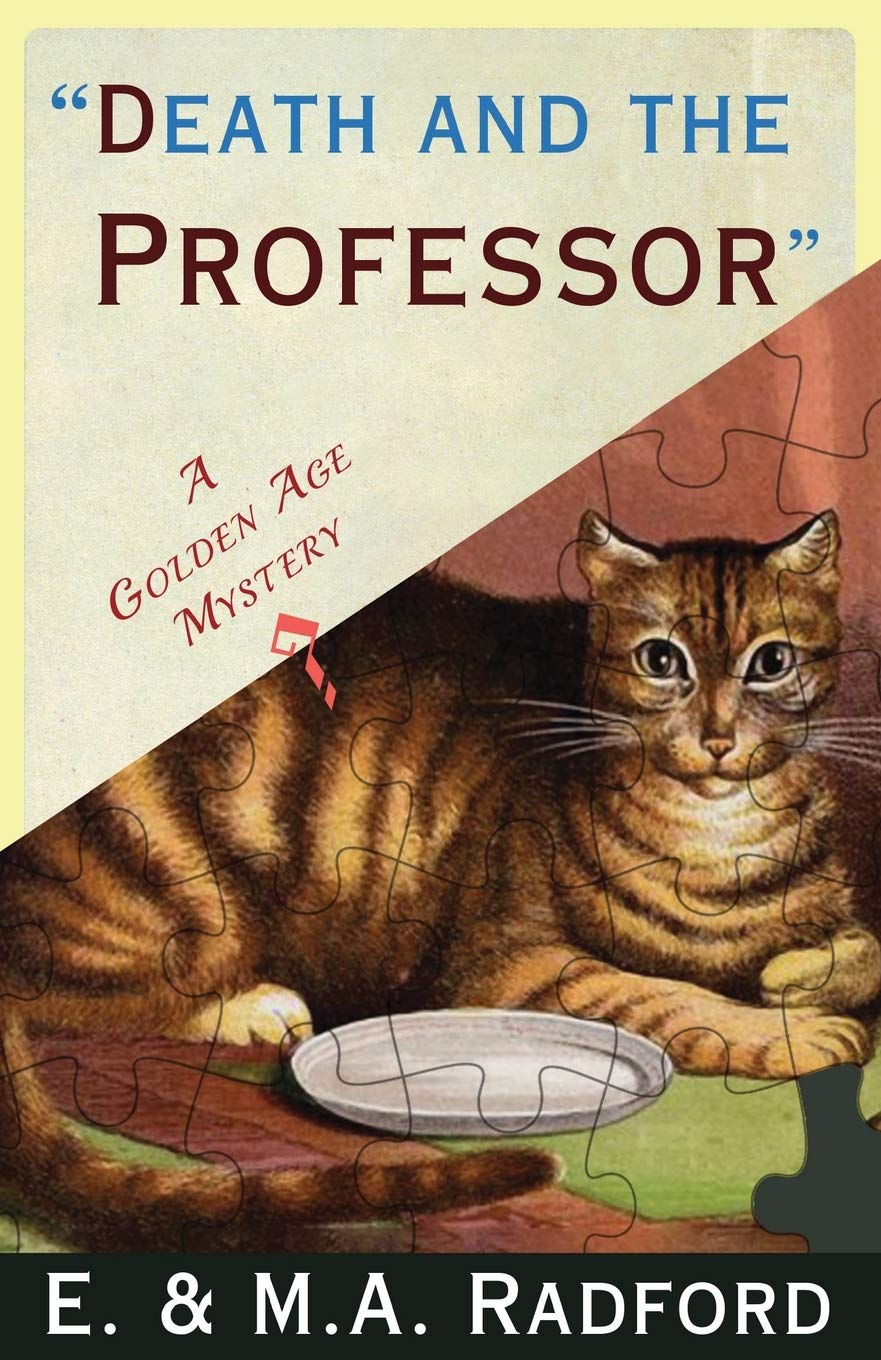
#763: Little Fictions – Death and the Professor [ss] (1961) by E. & M.A. Radford

A surgeon, a policeman, a psychiatrist, a mathematician, and a pathologist walk into a club — the foundation not of some esoteric wit but instead the Dilettante’s Club, a dinner-and-discussion group who meet fortnightly for their own entertainment. And when Professor Marcus Stubbs joins their number, those discussions take a frequent turn into the realm of the impossible crime.

Continue reading

#761: The Skeleton in the Clock (1948) by Carter Dickson

Skeleton in the Clock

star filledstar filledstar filledstar filledstars
On the afternoon of November 4th 1927, Sir George Fleet stood unaccompanied on the flat roof of Fleet House and was, as several independent witnesses assert, pushed to his death by invisible hands.  Twenty years later, Scotland Yard receive three anonymous postcards marked “Re: Sir George Fleet” exhorting them to “examine the skeleton in the clock” and asking “what was the pink flash on the roof?” because “evidence of murder is still there”. Enter Chief Inspector Humphrey Masters, dragging the Old Man, Sir Henry ‘H.M.’ Merrivale, in his wake…Merrivale himself having just bought a grandfather clock which has a skeleton suspended inside of it.

Continue reading

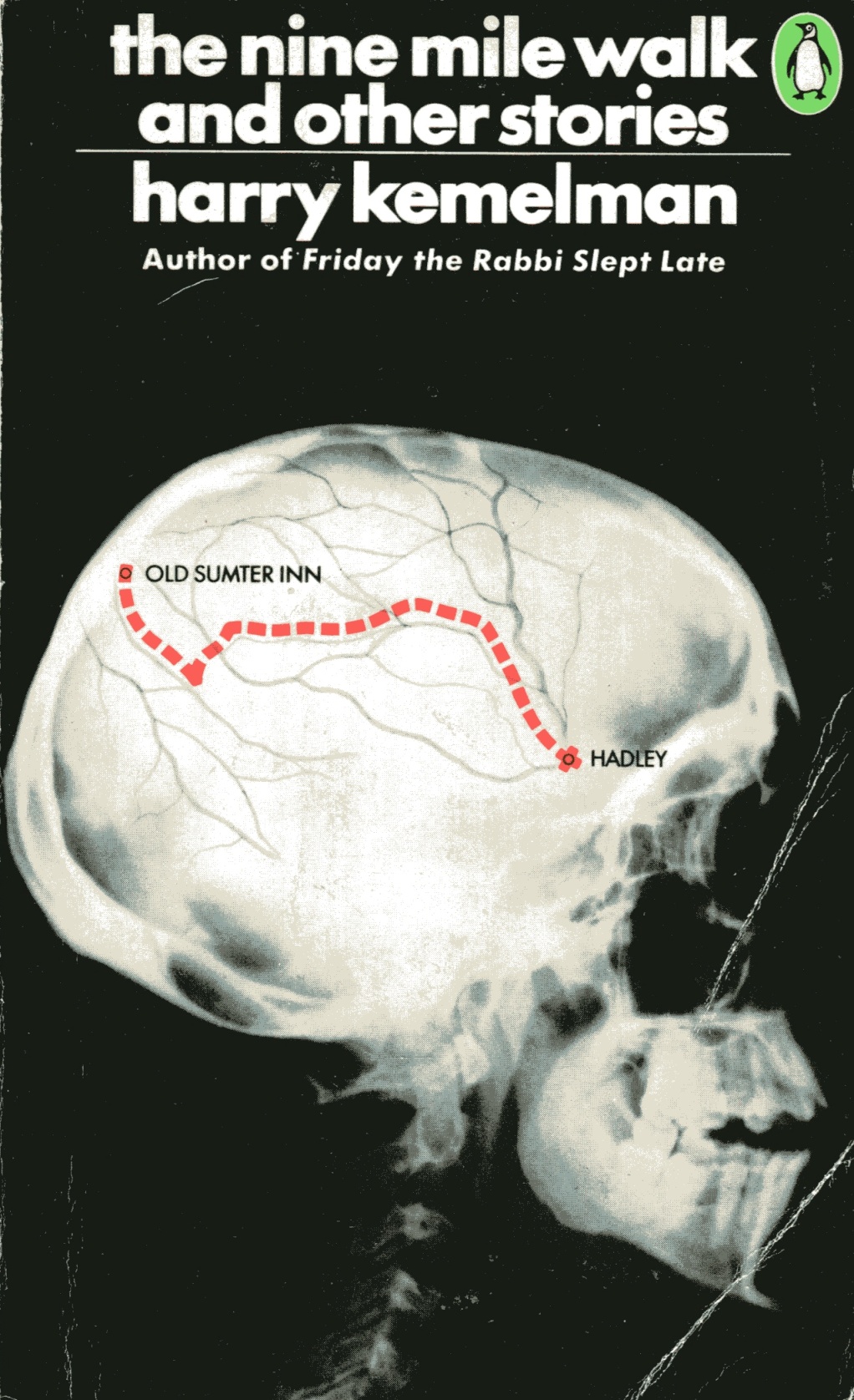
#757: Little Fictions – The Nine Mile Walk and Other Stories [ss] (1968) by Harry Kemelman

A little while back, I decided that short story collections don’t really merit an overall star rating since the stories should be considered individually. Thus, I stopped reviewing them on Thursdays and moved them to weekends. The upshot of this is that I now have a lot of unreviewed short story collections, so I’m going to pick out four single-author bundles to look at on Tuesdays in February. And first up is this collection recommended to me by Christian of Mysteries, Short and Sweet.

Continue reading