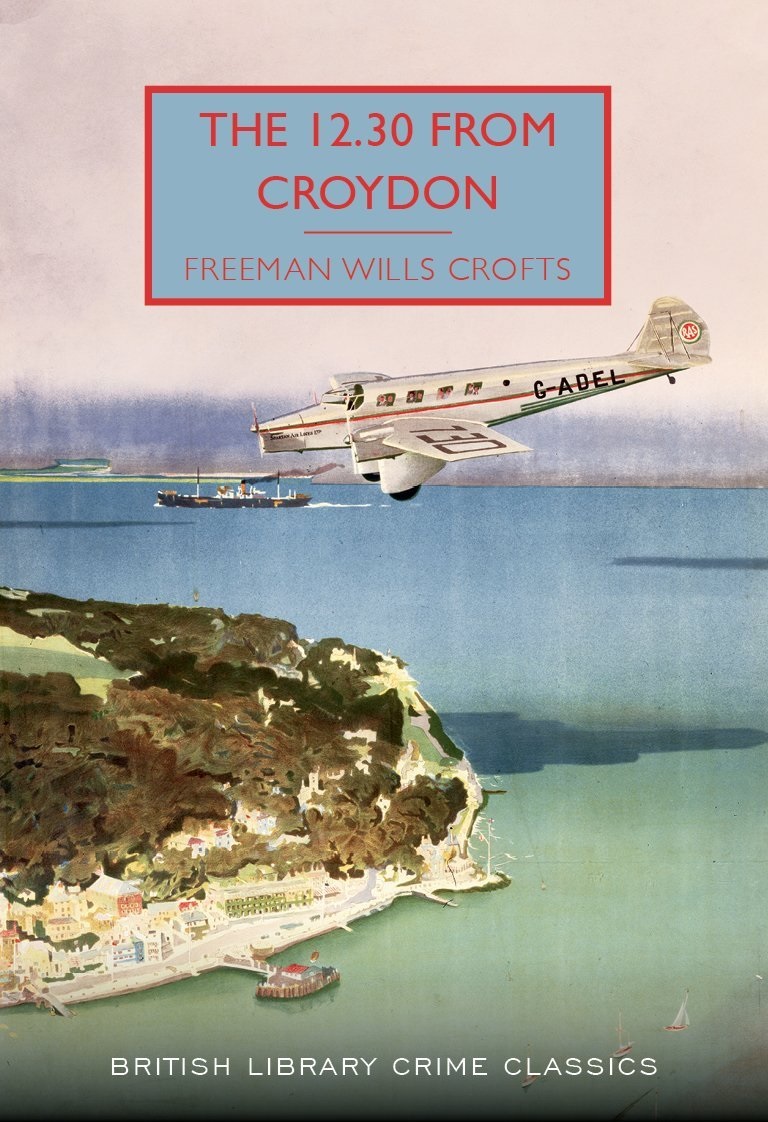
#724: The 12.30 from Croydon, a.k.a. Wilful and Premeditated (1934) by Freeman Wills Crofts

12.30 from Croydon

star filledstar filledstar filledstarsstars
The writing of an inverted mystery must surely bring with it a certain amount of release.  Your typical detective novel, after all, keeps the villain, their motives, their opportunity, and oftentimes their method occluded from the reader whilst ideally also dropping all manner of subtle hints about them, where the inverted mystery — in which we know the criminal and their motivation from the off, see the crime committed, and must then watch the detective figure it out — removes every single one of these difficulties, requiring only the investigation which would have happened in a ‘straight’ novel of detection anyway.
Continue reading →

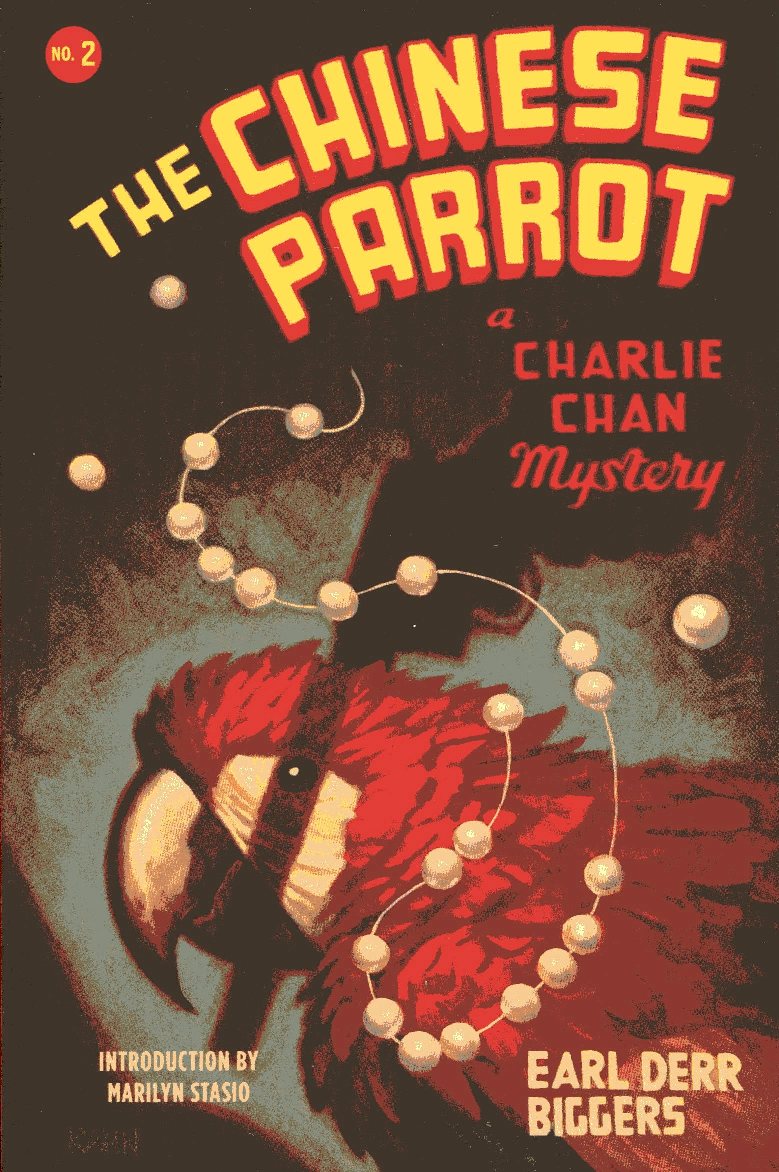
#721: The Chinese Parrot (1926) by Earl Derr Biggers

Chinese Parrot

star filledstar filledstar filledstar filledstars
On Tuesday I looked at Ronald Knox’s omni-misquoted admonishment against detective fiction writers using the ‘sinister Chinese’ stereotype to furnish their villainous plots, so the ground is primed to explore here the other end of that spectrum with the Intuitively Sagacious Minority Written by a Non-Minority Author. And given that the Chinese character Charlie Chan had the era-dense misfortune to be played in some 40 films by two white Americans, there’s a certain anticipatory screwing your courage to the mast before you embark on the books of wondering just how forgiving you’re going to have to be.

Continue reading →

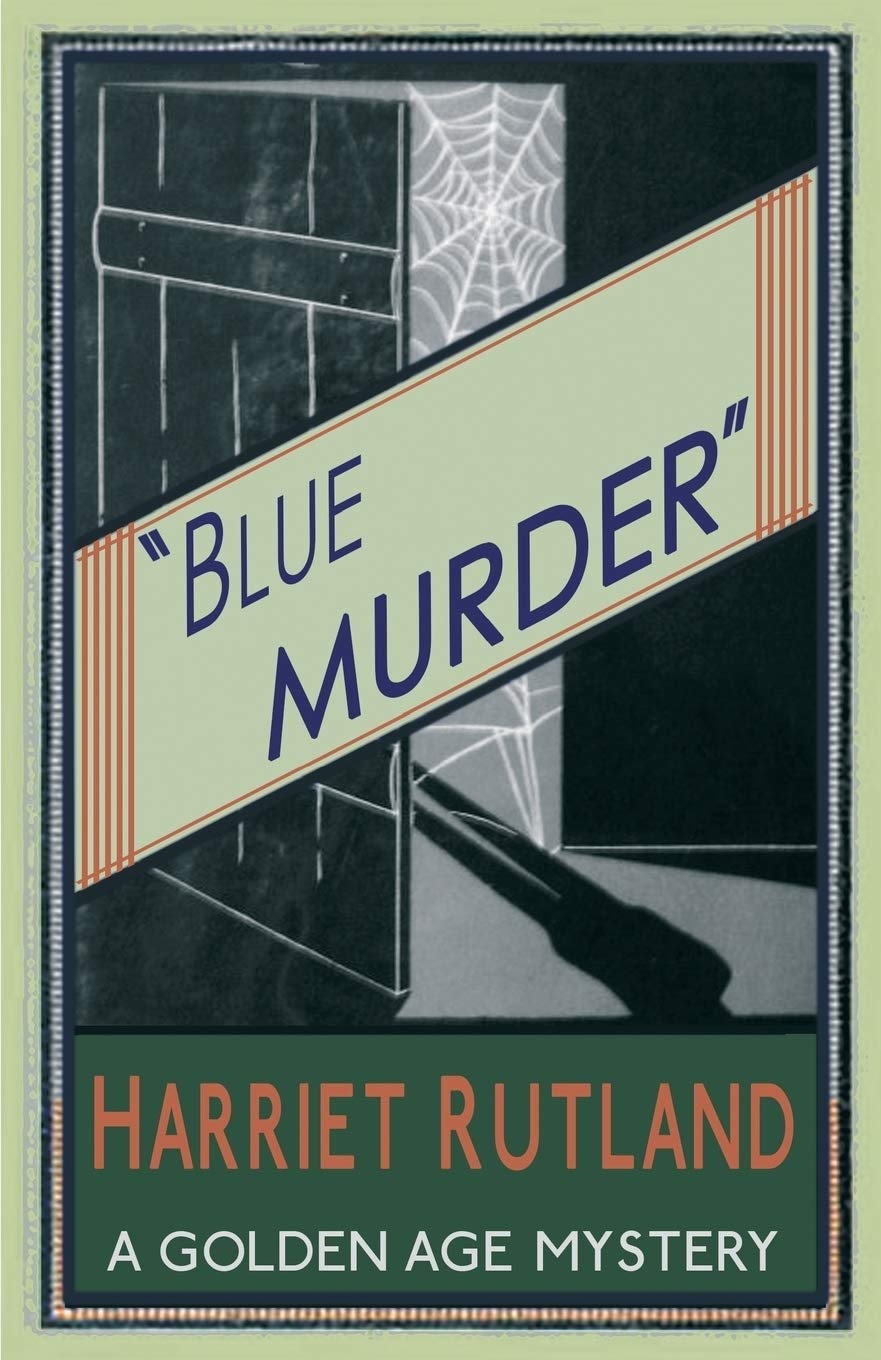
#718: Blue Murder (1942) by Harriet Rutland

Blue Murder

star filledstar filledstar filledstar filledstars
I read the first half of Blue Murder (1942), the third and final novel by Harriet Rutland, in a single gasp.  It’s a fascinating opening, deliberately short on setting and description so as to emphasise the characters you’re going to be spending the book with, and it drew me like a moth to a flame, eager for the destruction to come. From the outset, when headteacher Mr. Hardstaffe learns that his affairs are being gossiped about by the village schoolchildren and calls them “little bastards!” for showing such disrespect, we’re clearly not in the genteel arm of GAD, and it’s only a matter of how savagely Rutland develops from here. And, as things progress, we seem to ring more than a few changes.

Continue reading →

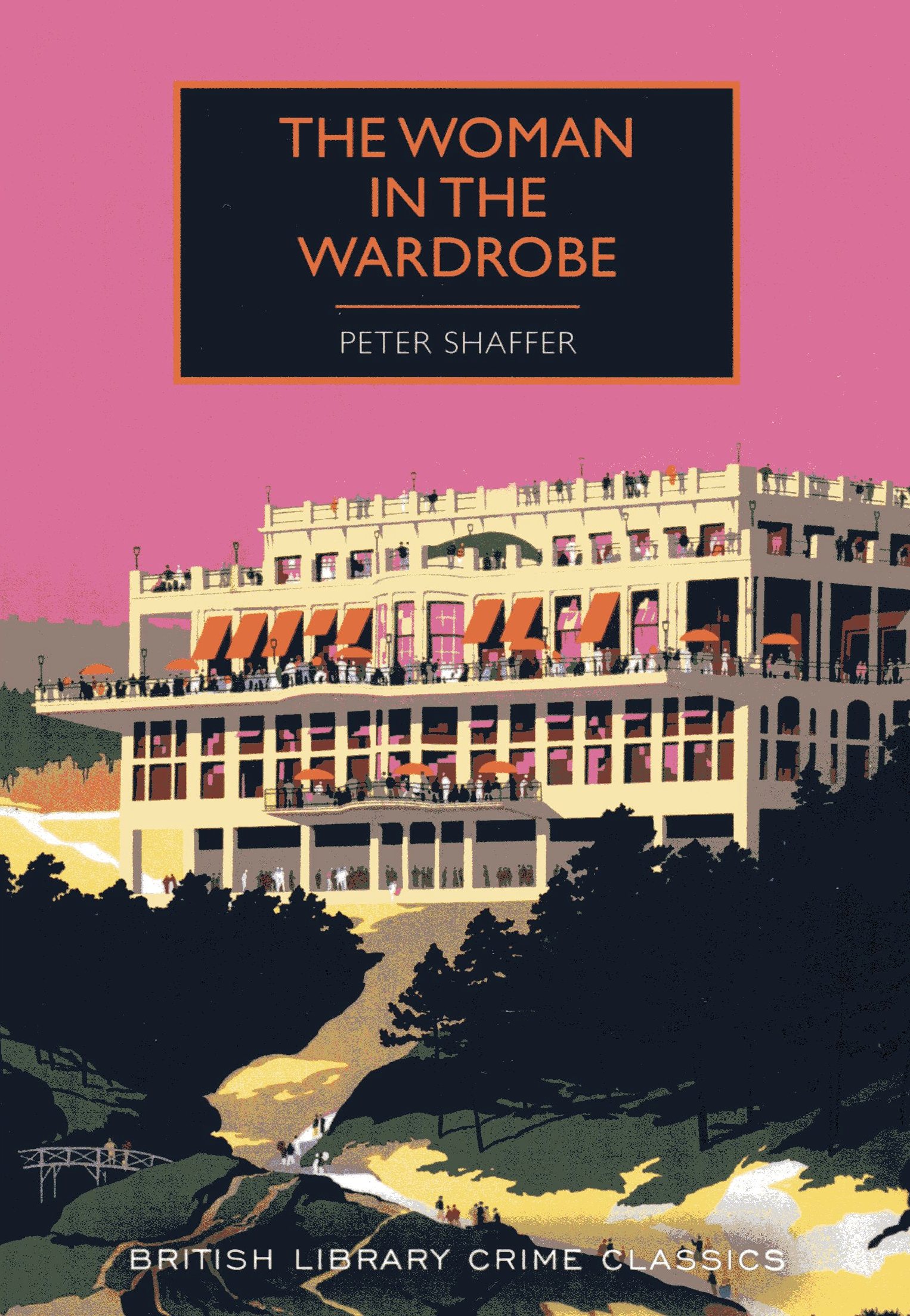
#715: The Woman in the Wardrobe (1951) by Peter Shaffer [a.p.a. by Peter Antony]

Woman in the Wardrobestar filledstar filledstarsstarsstars
The one thing a book cannot guard against is the expectations that build up around it — and the rarer a book proves to be, the more apocryphal its contents, the higher those expectations tend to rise. The Woman in the Wardrobe (1951) by Peter Shaffer has been staggeringly unobtainable for decades now and, with no less an authority than Robert Adey promising “a brilliant new solution” for its locked room murder, had much to live up to. We can’t blame the book for the solution not being new — not even slightly, Bob — but we can blame it for the flaws that disappointingly crop up in several key regards.

Continue reading →