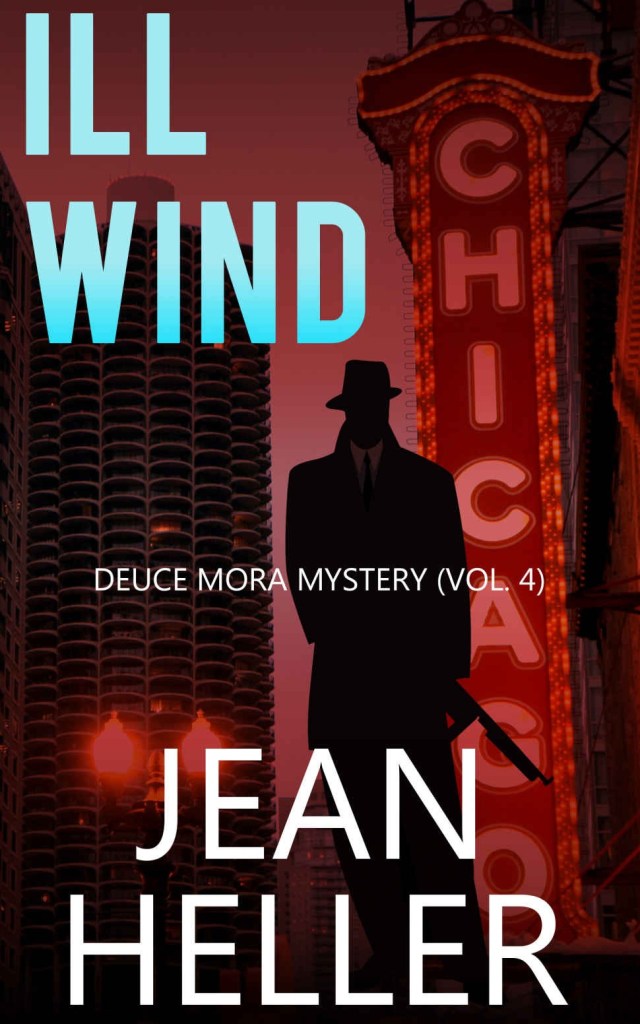
#708: Adventures in Self-Publishing – Ill Wind (2020) by Jean Heller

Recently, while recording an episode of the rightly-popular Shedunnit podcast, I was moved to lament the decline in quality represented by most modern attempts at the impossible crime in fiction (and, for all I know, in reality, too). Today’s self-published crime novel, Ill Wind (2020) by Jean Heller, perhaps demonstrates the reasons for that decline better than I’ve previously managed myself.

Continue reading

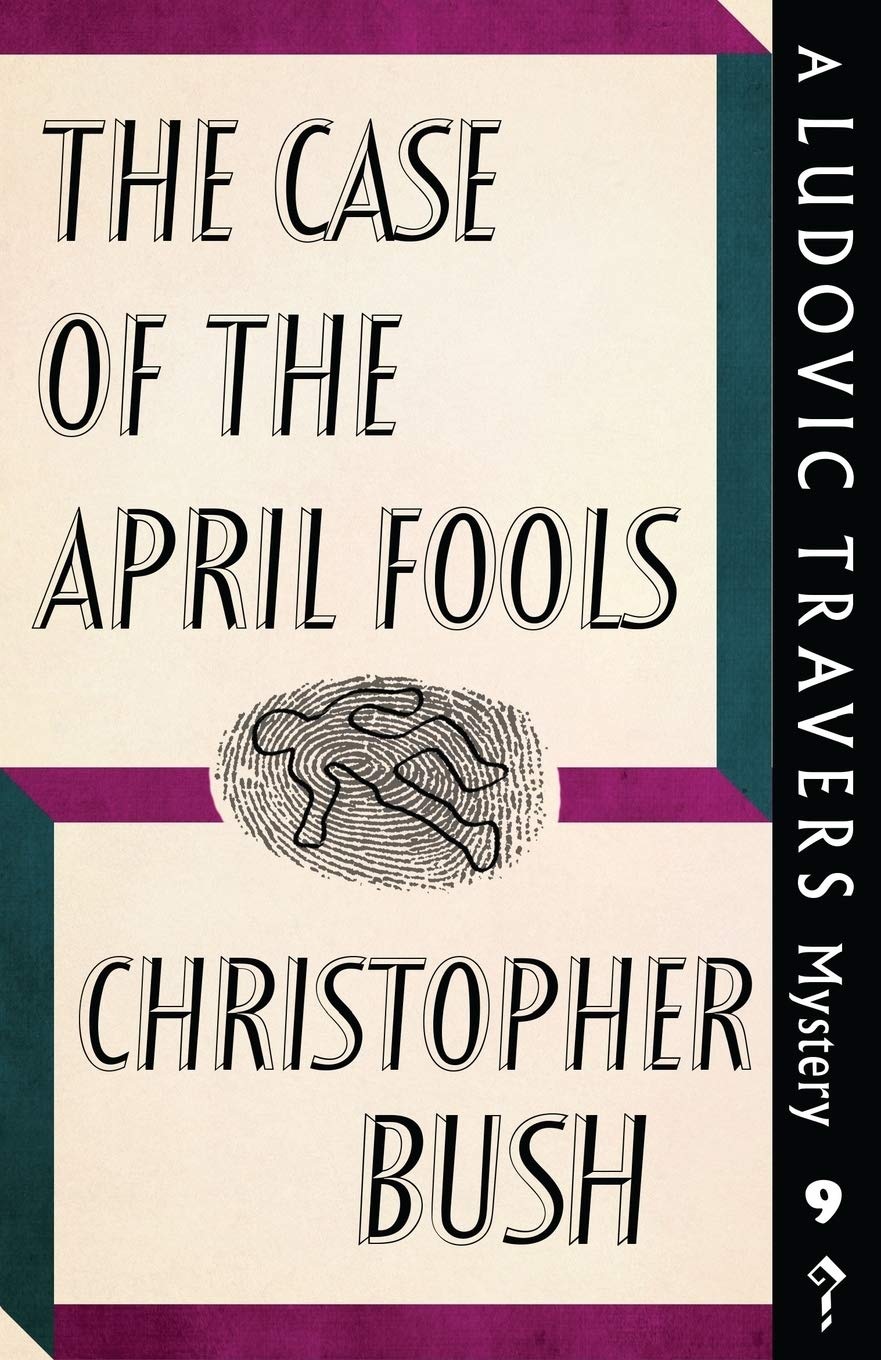
#706: The Case of the April Fools (1933) by Christopher Bush

Case of the April Foolsstar filledstar filledstarsstarsstars
Three years.  That’s how long ago TomCat’s review of The Case of the April Fools (1933) typified Christopher Bush’s writing as falling “halfway between Freeman Wills Crofts and John Dickson Carr”.  So I read the oft-celebrated Cut-Throat (1932) and didn’t really get on with it and then, to be honest, other books intruded and I simply never got back to Bush.  I wasn’t avoiding him, per se, and Dean Street Press had gamely recommended Bush’s twentieth novel The Case of the Green Felt Hat (1939) as possibly more to my liking…but, in these reprint-rich times, it can be difficult to keep up, y’know?

Continue reading

#704: “That’s an interesting choice of phrase, young man…” – The Dead Sleep Lightly (1983) by John Dickson Carr [ed. Douglas G. Greene] Part 1 of 2

It’s fair to say that no-one has done more for the curation of John Dickson Carr’s work than Douglas G. Greene: collecting various obscure short pieces in the likes of The Door to Doom and Other Detections (1980), Merrivale, March, and Murder (1991), and Fell and Foul Play (1991), writing the staggeringly comprehensive (and recently reprinted) biography The Man Who Explained Miracles (1995), and enabling, through Crippen & Landru, publication of two — soon to be three — collections of Carr’s radio scripts edited by Tony Medawar.

Continue reading

#703: The D’Arblay Mystery (1926) by R. Austin Freeman

D'Arblay Mystery

star filledstar filledstar filledstar filledstar filled
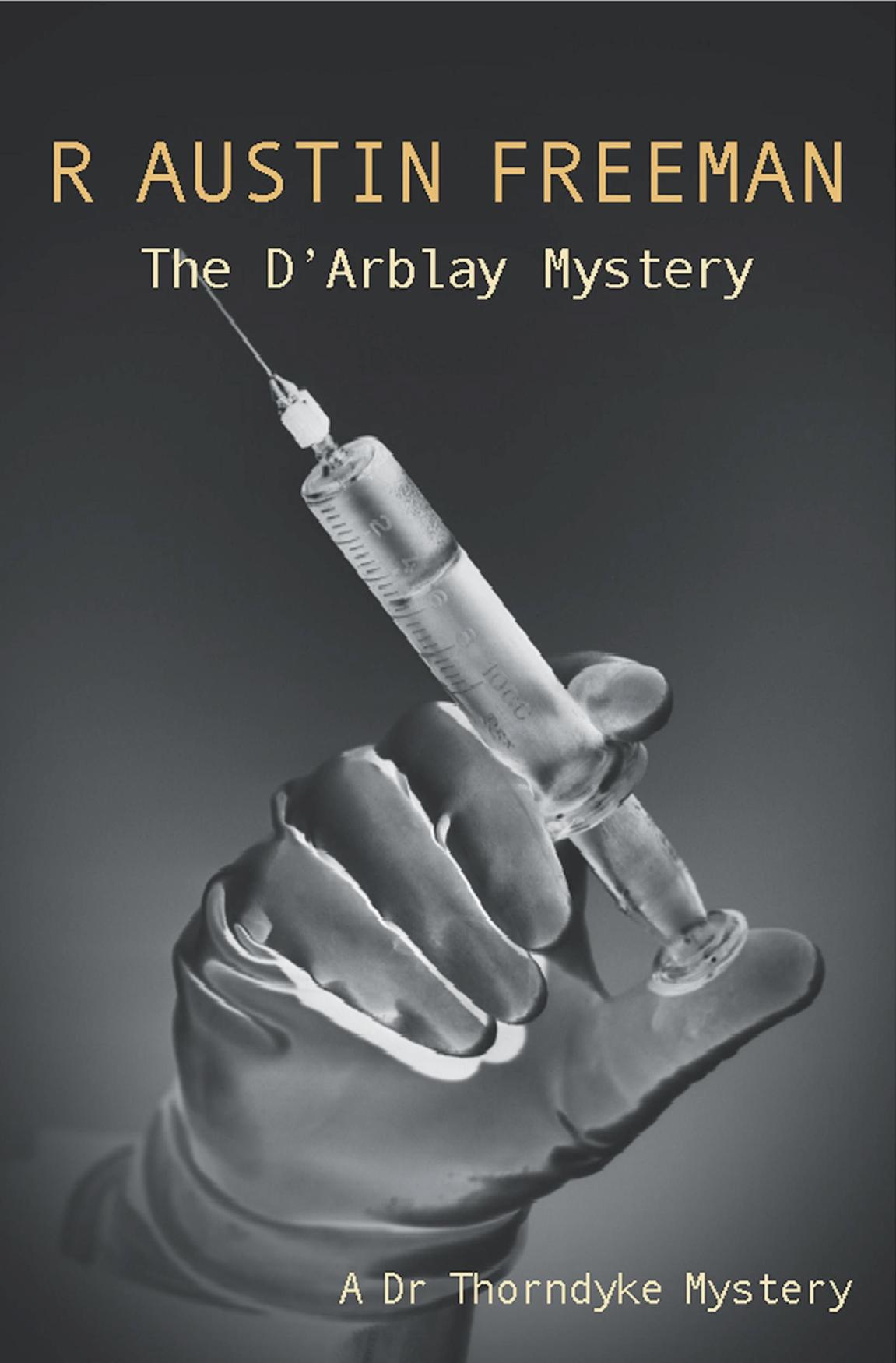
After a two month blogging hiatus in which I cleared a lot of lingering chaff from my TBR, it was wonderful to pick The D’Arblay Mystery (1926) as the first book for my return and love the absolute socks off of it.  Having now acclimatised myself to the faintly pedantic verbiage of Richard Austin Freeman, I’m happy to acknowledge my parsimony in giving the masterful Mr. Pottermack’s Oversight (1930) — my first encounter with the author’s long-form work — a mere four stars and to correct that error here with the gloriously involving puzzle of Julius D’Arblay’s murder.  While in many ways a thoroughly unsurprising book, in the ones that count it is joy unconfined to my GAD-happy soul.

Continue reading

#701: Death on the Way, a.k.a. Double Death (1932) by Freeman Wills Crofts

Death on the Waystar filledstar filledstar filledstarsstars
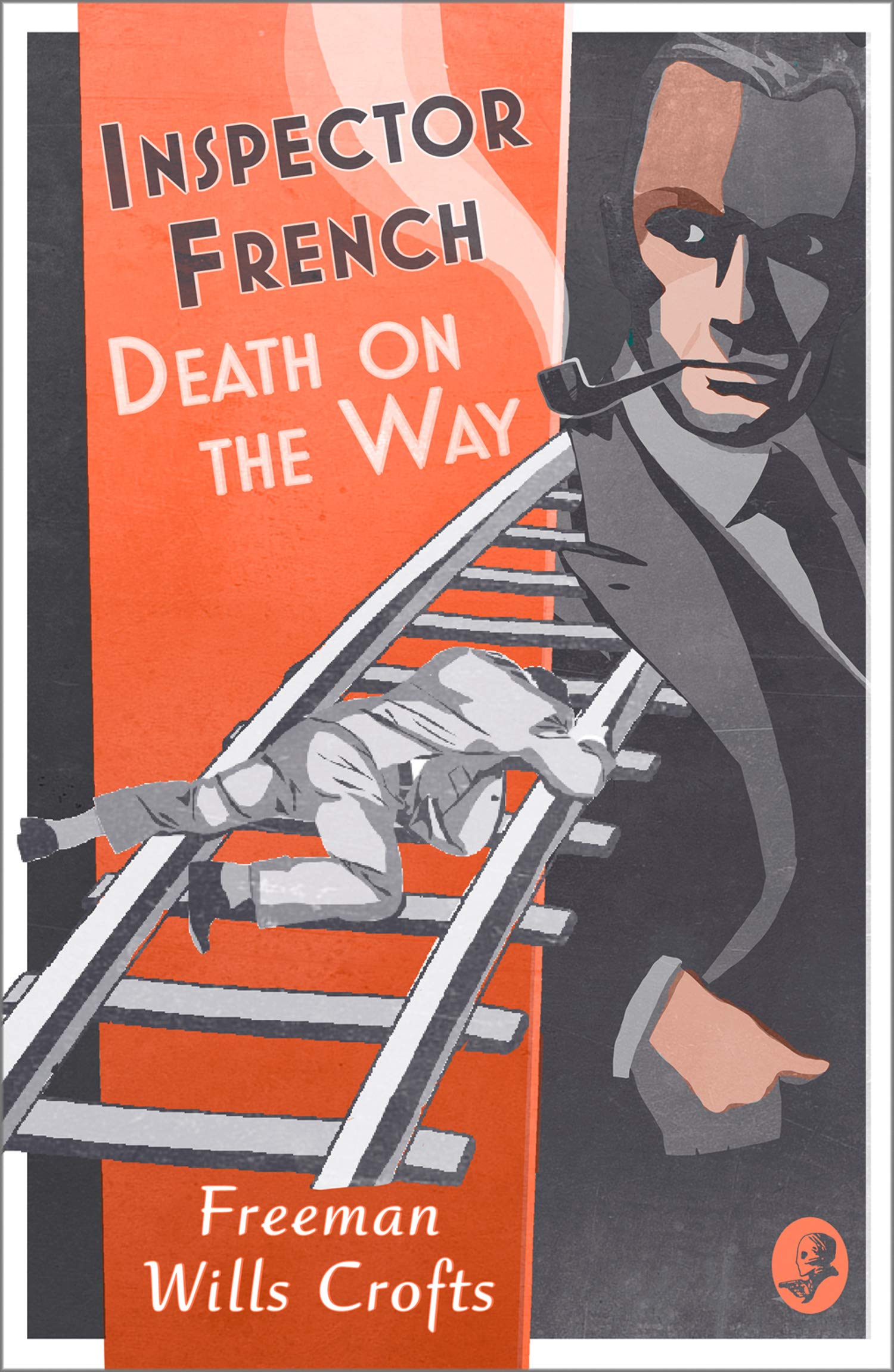
No, I’m not back from hiatus.  But if you think I’m going to let today’s reissue of three more Freeman Wills Crofts novels — Sudden Death (1932), Mystery on Southampton Water (1934), and Crime at Guildford (1935) — pass without comment, you’re mad.  Plus, in my absence WordPress has foisted a new post-writing setup upon us all, and I need some practice because I hate change.  But the world’s a negative enough place right now, so let’s dwell on the exemplary work done by HarperCollins in bringing Crofts back for us to enjoy; some people have been waiting years to be able to afford some of these titles, and it’s a wonderful thing to have them in general circulation.

Continue reading

#699: Jack-in-the-Box (1944) by J.J. Connington

Jack in the Boxstar filledstar filledstar filledstar filledstars
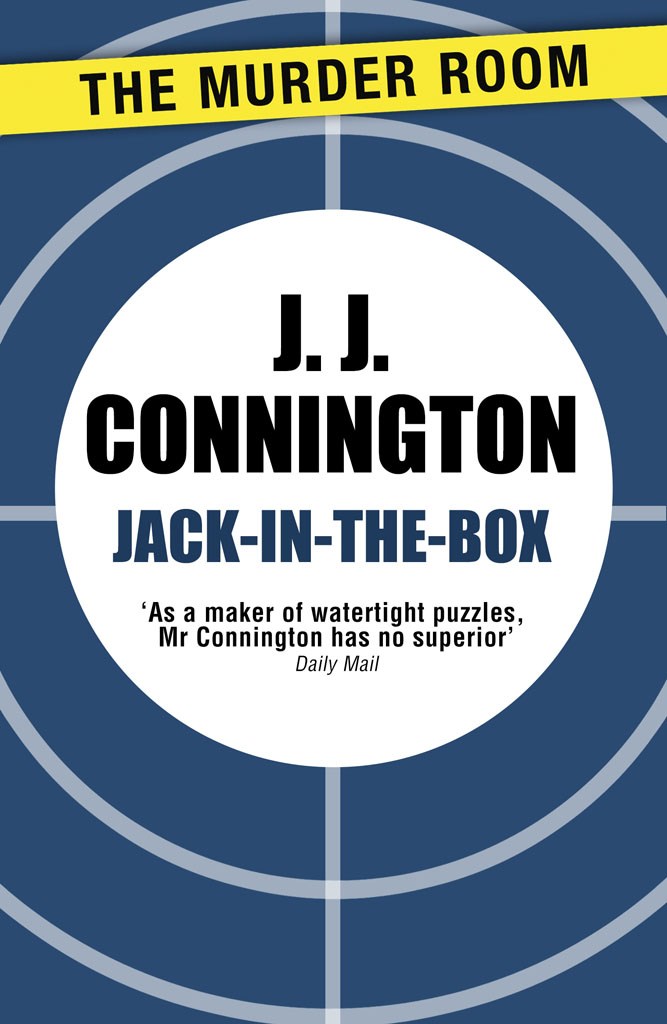
The devastation wrought by the First World War in the sheer quantity of life lost saw an upsurge in the popularity of spirit mediums, to the extent that no less an authority on the rational than Arthur Conan Doyle fell under their spell.  Given that this rise in open chicanery coincided with the birth of the detective novel, it surprises me that The Psychic Killer took such a long time to appear in GAD, perhaps owing to its intersection with the impossible crime and the associated difficulties of explaining away the tricks on the page — The Reader is Warned (1939) by Carter Dickson being easily the best example of a very, very small subset.

Continue reading