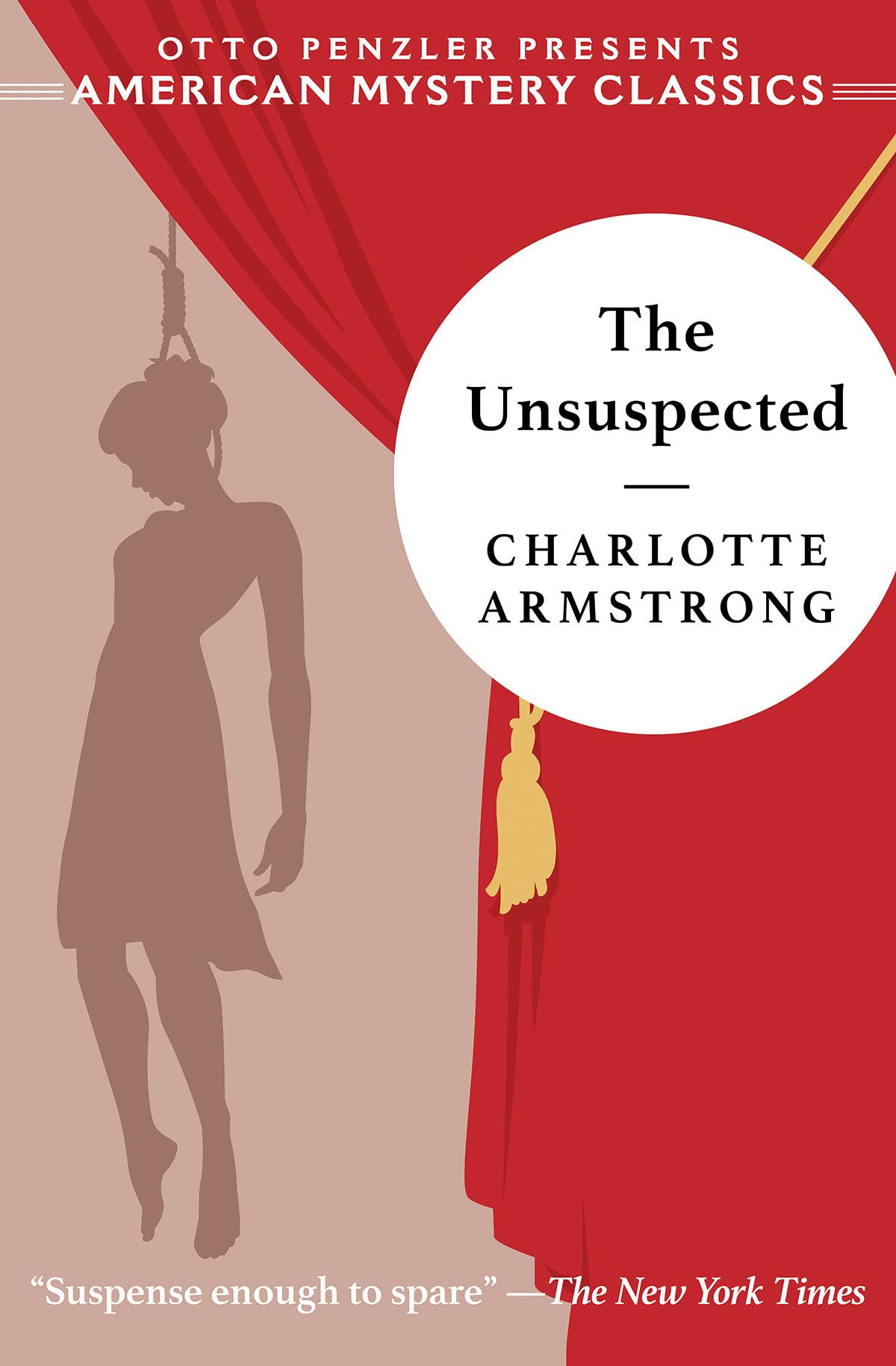
#1017: The Unsuspected (1946) by Charlotte Armstrong

Unsuspected

star filledstar filledstar filledstar filledstars
I don’t know the exact point at which an author becomes one I want to read in great depth, but I do know that the American Mystery Classics range has introduced me to novels by three authors who, in virtually no time at all, became fixtures on my Long-Range Reading List — those being Craig Rice, Cornell Woolrich, and Charlotte Armstrong. Of course, having now tantalised me with expertly-judged selections, the AMC will abandon all three, never reprint another of their works, and move on to pastures new, but at least my urgent searching out of further reading by these wonderful writers will give me something to do in my retirement. Or, y’know, if anyone wants to reprint them now, I won’t complain…

Continue reading

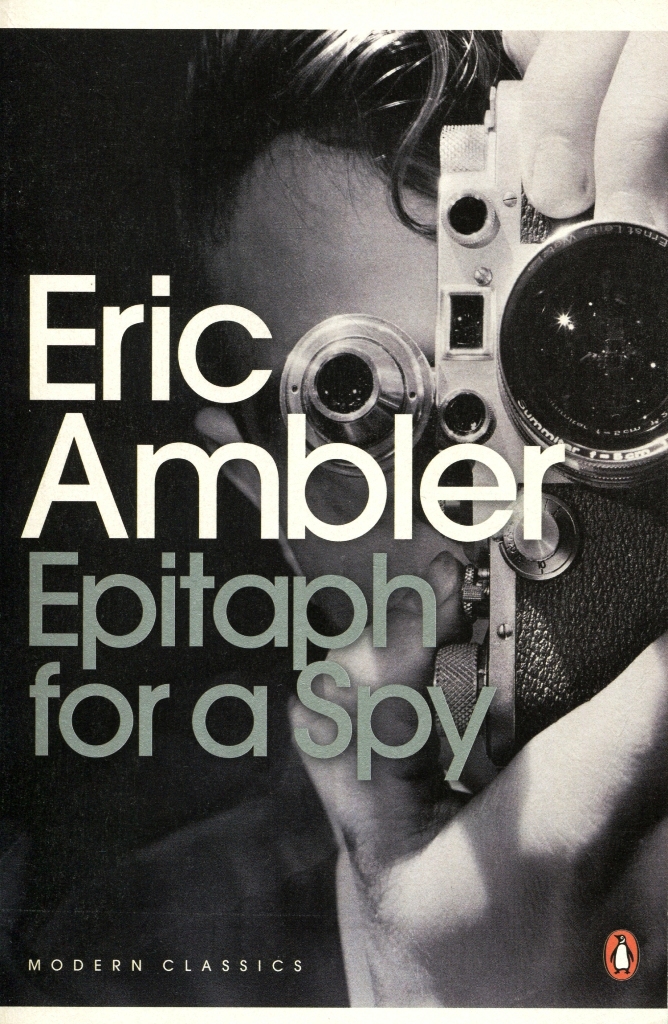
#1015: Epitaph for a Spy (1938) by Eric Ambler

Epitaph for a Spy

star filledstar filledstarsstarsstars
Epitaph for a Spy (1938) places me at the centre of a Venn diagram of two things I heartily dislike — the everyman espionage fiction of John le Carre, and novels whose protagonists cluelessly accidentally their way along — and so I shouldn’t exactly be surprised that these two wrongs have failed to combine to produce something I would enjoy. This story of languages teacher Josef Vadassy strong-armed into helping identify a spy while on holiday at an exclusive French pension is, in fact, riddled with just about every trope and facet of genre fiction that I dislike, and it’s difficult to imagine Eric Ambler’s intent in writing such a book. But, I get ahead of myself…

Continue reading

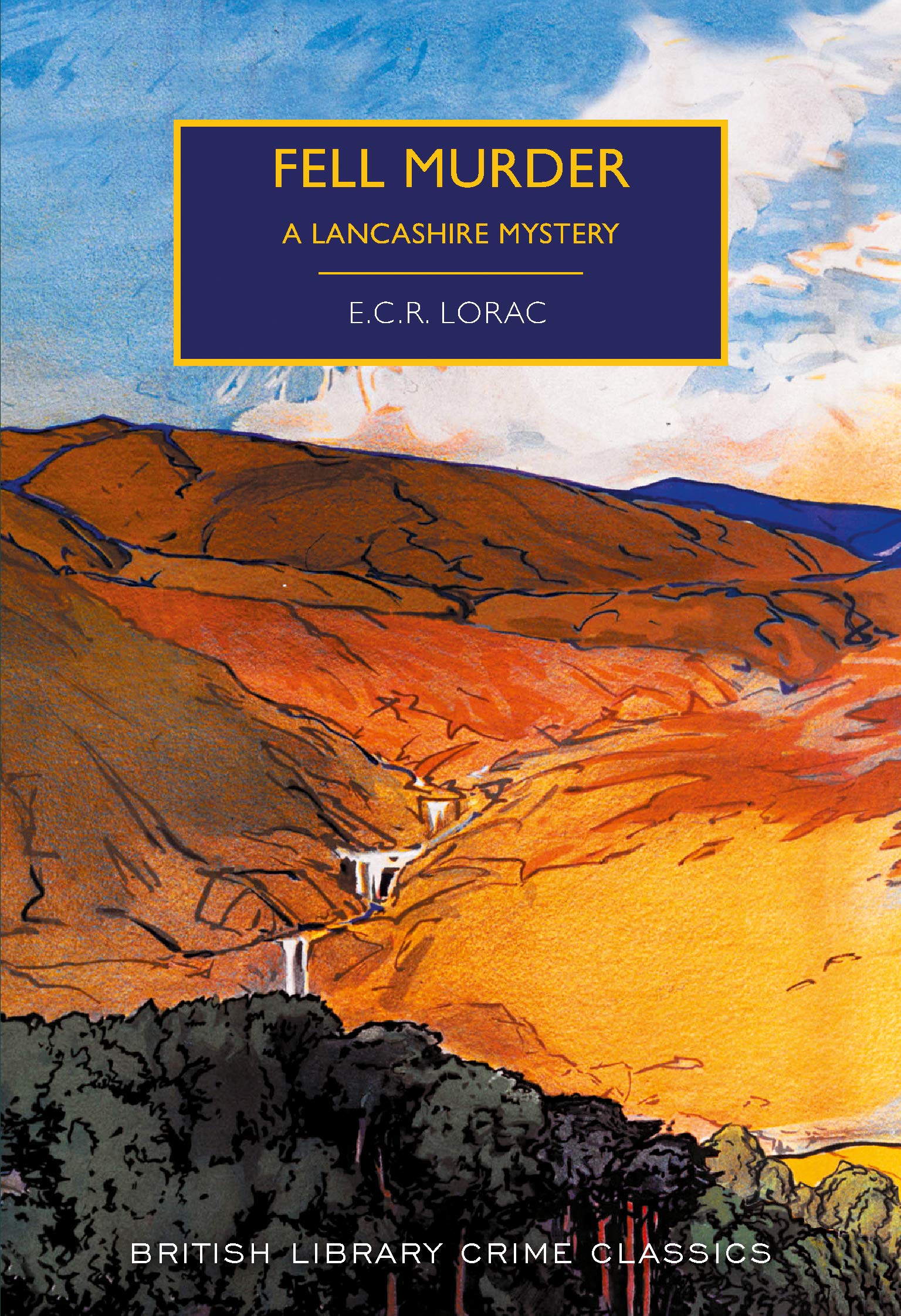
#1013: Fell Murder (1944) by E.C.R. Lorac

Fell Murder

star filledstar filledstar filledstarsstars
Another gentle tale of Northern homicide from the pen of E.C.R. Lorac, Fell Murder (1944) was Chief Inspector Robert Macdonald’s first visit to Lunesdale — I’m not entirely sure how many he would make over his career, but I understand it to be more than a few — and finds author and character both having a lovely time. This only falls down for me in comparison to the similarly-set Crook o’ Lune (1953) in that the eventual solution doesn’t feel quite so rigorously proved, relying on a few rather key assumptions which spoil the overall effect. Prior to that, however, Lorac’s melding of character and setting again shows through very strongly, making her popularity easy to understand.

Continue reading

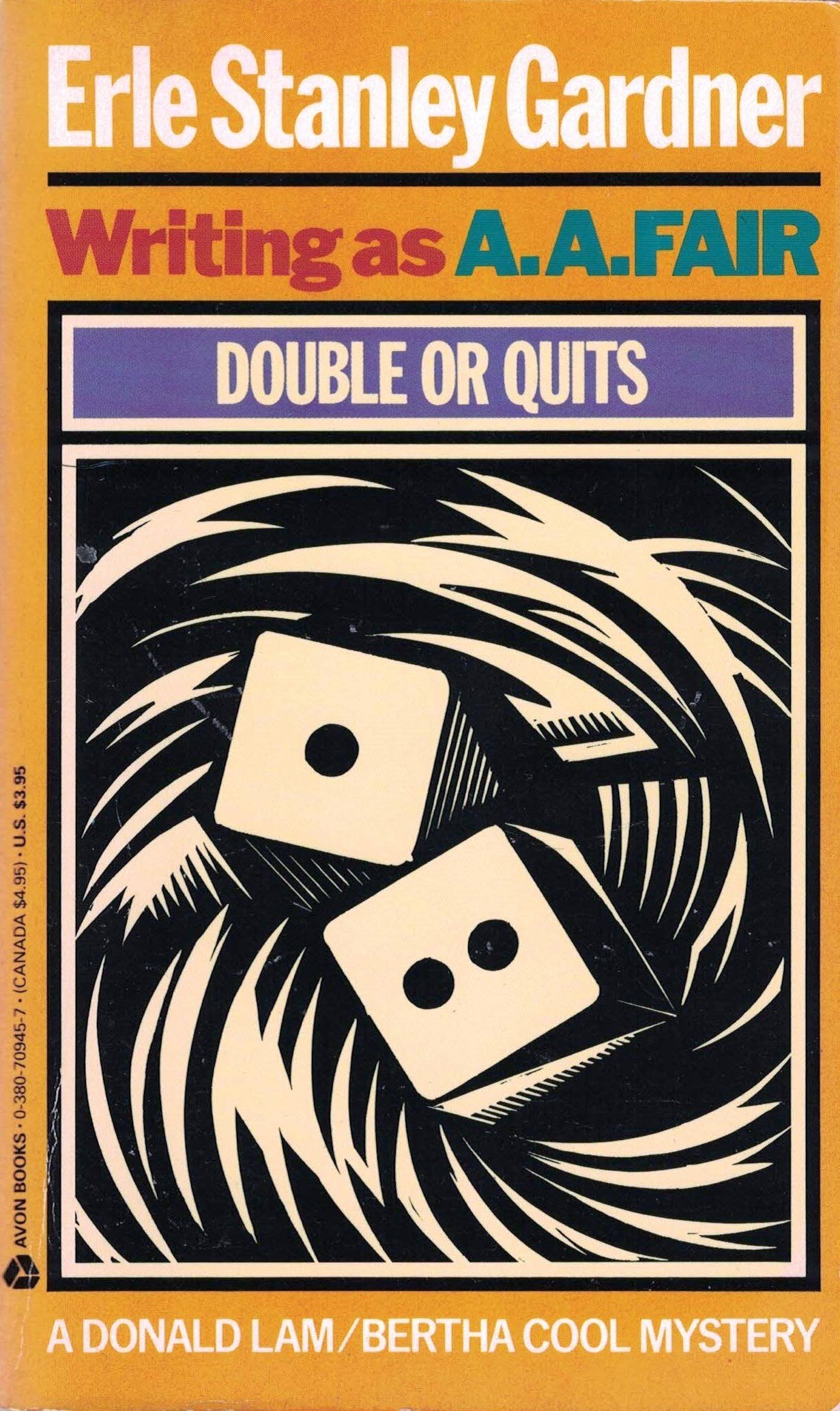
#1011: Double or Quits (1941) by A.A. Fair

Double or Quits

star filledstar filledstar filledstarsstars
Where the novel of detection delights in tropes so as to better lull you in and then sock you with an unexpected development, I’m starting to suspect that the private eye novel likes tropes so that you’re as comfortable as possible throughout without ever having to pay too close attention. You sign up for wealthy families, suspicious deaths, shady hangers-on, and plenty of business malfeasance, all the better to then unfurl a complex final chapter explanation which probably works as well as anything else, but, hey, at least it was entertaining while it lasted. And the world absolutely has a place for that kind of book, just don’t expect me to get too excited when I encounter one of them.

Continue reading

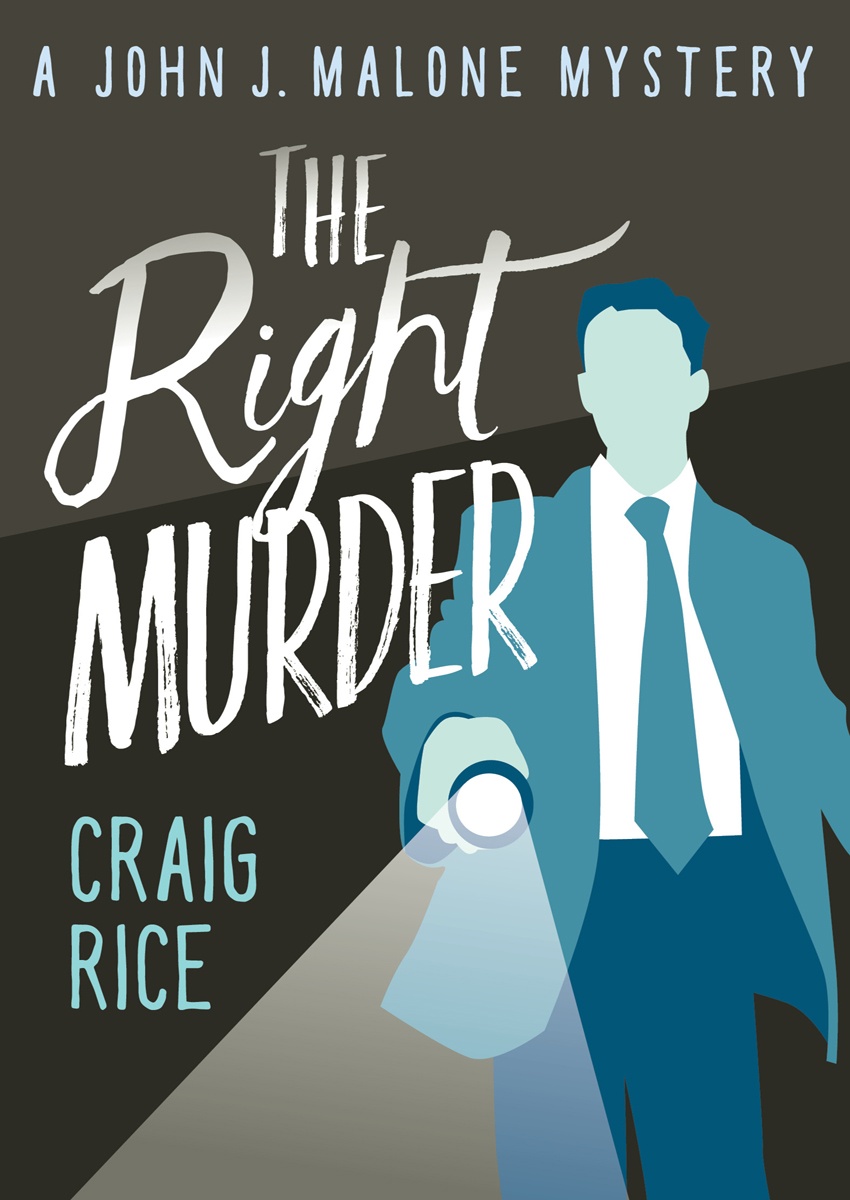
#1009: The Right Murder (1941) by Craig Rice

Right Murder

star filledstar filledstar filledstar filledstars
“Now you take this guy who was killed New Year’s Eve. If he was gonna be killed, why couldn’t he have had his passport on him, or a driver’s license, or even a calling card? No. Not a damn thing. So I have to go to all the trouble of finding out who he was. When I do find out, then what? More trouble.” Homicide Captain Daniel von Flanagan has a point, as there’s also the matter of the dead man staggering into a bar where lawyer John J. Malone was drowning his sorrows and croaking out “Malone!” before expiring on the floor, added to Malone’s insistence that he’d never seen the man before. And what of the key numbered 114 the man slipped to Malone…a key that was apparently stolen from the lawyer only moments later?

Continue reading