I was saddened to learn of the recent death of John Pugmire who, for the best part of the last 20 years, has been instrumental in bringing the works of foreign authors to Anglophone fans, latterly through his Locked Room International imprint.
Continue reading#1165: Cats Prowl at Night (1943) by A.A. Fair
![]()
![]()
![]()
![]()
![]()
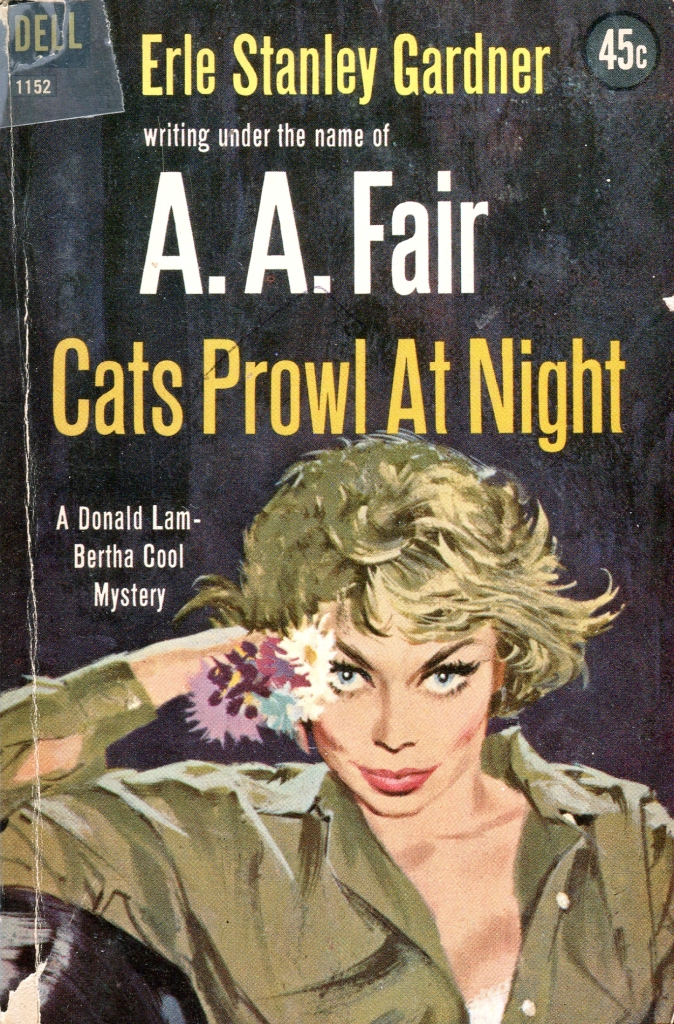
Look, I can’t swear to it, but I have a suspicion that Cats Prowl at Night (1943), the eighth published book in Erle Stanley Gardner’s series featuring Bertha Cool and Donald Lam, written under this A.A. Fair nom de plume, just might be the first title of his I ever read. Reading it now, some 20 years later, it tickled enough memory buttons to be tauntingly familiar while also furiously out of reach, but the distinct aspect that separates this book from its brethren — namely the absence of pocket dynamo Donald Lam from its pages — feels familiar, if only because I get the sense I started these books with no sense of Lam as a character.
#1164: The Traces of Merrilee (1966) by Herbert Brean

![]()
![]()
![]()
![]()
![]()
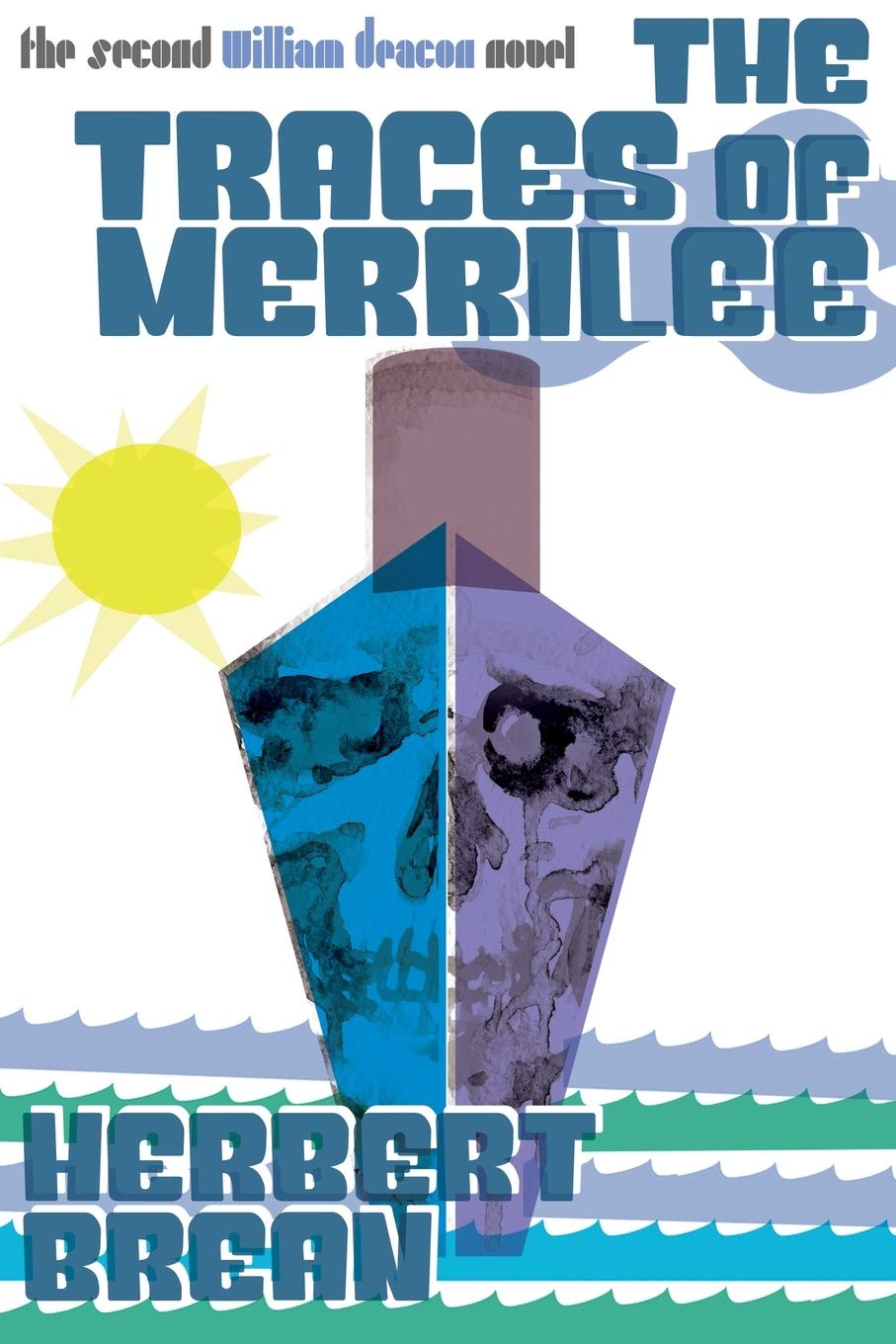
Merrilee Moore, the latest star to bewitch millions from the silver screen, is rumoured to be making a movie about Helen of Troy in Greece after years of being kept on a decidedly ungenerous contract by greedy studio heads. Suffice to say, certain people in the industry feel slightly put out at this turn of events, and might wish ill upon Miss Moore before she ever crosses the Atlantic and gets in front of a camera. And so magazine journalist William Deacon accepts a commission to cross the ocean on the Monmatre and keep an eye on Merrilee, to ensure nothing bad befalls her. First problem…is she even aboard the ship?
#1163: Golden Ashes (1940) by Freeman Wills Crofts

![]()
![]()
![]()
![]()
![]()
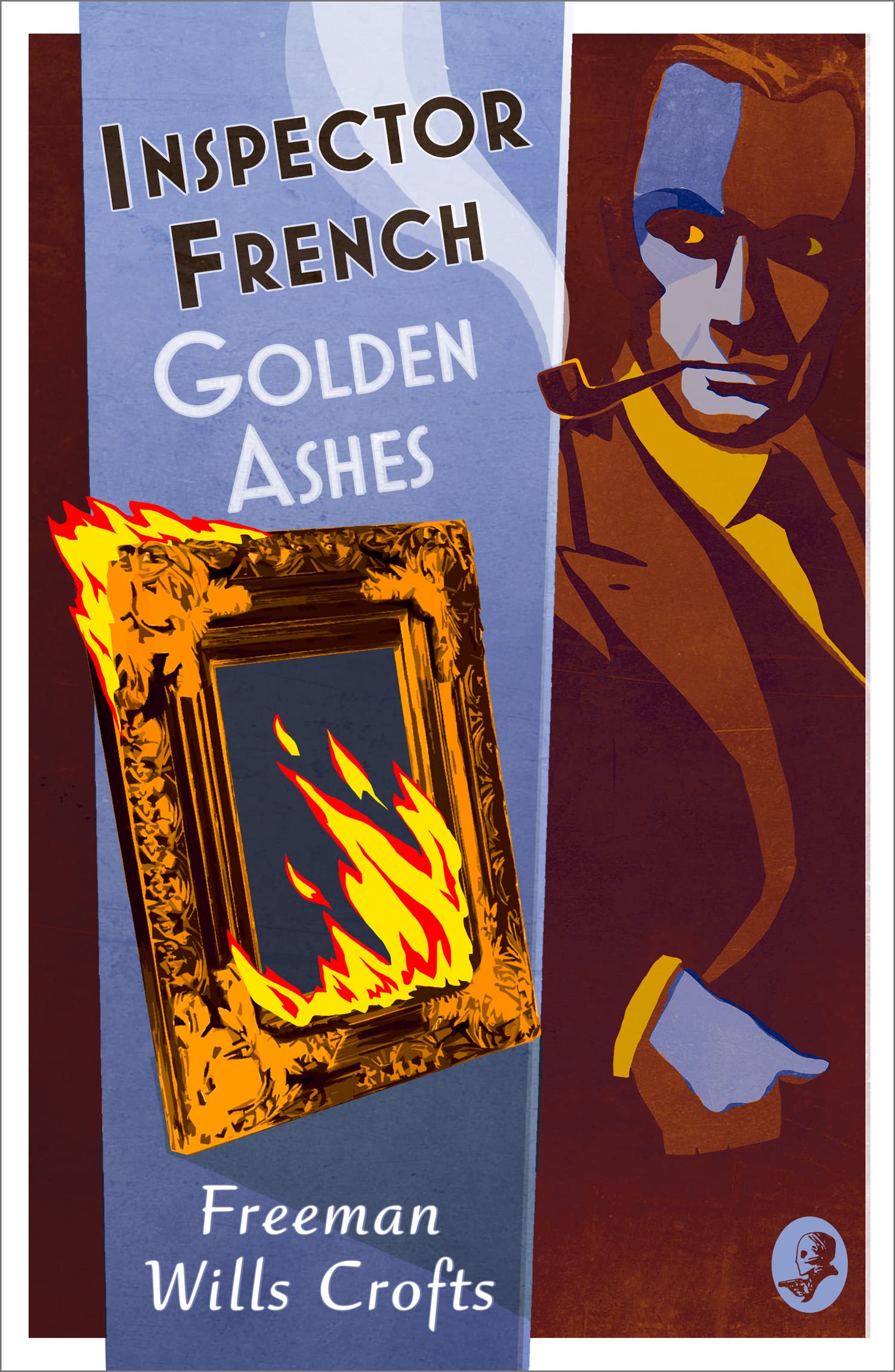
Rendered a widow and penniless at a young age — well, she is a Freeman Wills Crofts protagonist — Betty Stanton is fortunate in finding a job as housekeeper and general organiser of newly-minted baronet Sir Geoffrey Buller. Betty is delighted both with the setting of Forde Manor and the enviable collection of art on display — art that is of particular interest to her friend, the famous authority Charles Barke. Before long, however, tragedy strikes — again, this is a Freeman Wills Crofts novel — and Forde Manor burns down, resulting in the loss of both the priceless artefacts within and Betty’s position. And when Charles Barke disappears soon thereafter, a certain DCI French begins to suspect that the events might be linked.
#1162: “Front door locked on the inside, Johnny…” – The Art of the Impossible, a.k.a. Murder Impossible [ss] (1990) ed. Jack Adrian and Robert Adey, Part 2 of 2
Having previously looked at the first ten stories in this collection of impossible crime tales selected by Jack Adrian and Robert Adey, let’s crack on with the final eleven stories, shall we?
Continue reading#1161: “Who was murdered? When? How? Why?” – The Art of the Impossible, a.k.a. Murder Impossible [ss] (1990) ed. Jack Adrian and Robert Adey, Part 1 of 2
In a bizarre turn of events, I have no memory of acquiring the much-sought-after anthology The Art of the Impossible, a.k.a. Murder Impossible (1990) edited by the legendary pairing of Jack Adrian and Robert Adey. And yet I do have a copy. So let’s worry about my leaky memory later, and instead pick through some classic impossible crimes selected by two of the most knowledgeable men in the business, eh?
Continue reading#1160: The Siren’s Call (1998) by Paul Halter [trans. John Pugmire 2023]

![]()
![]()
![]()
![]()
![]()
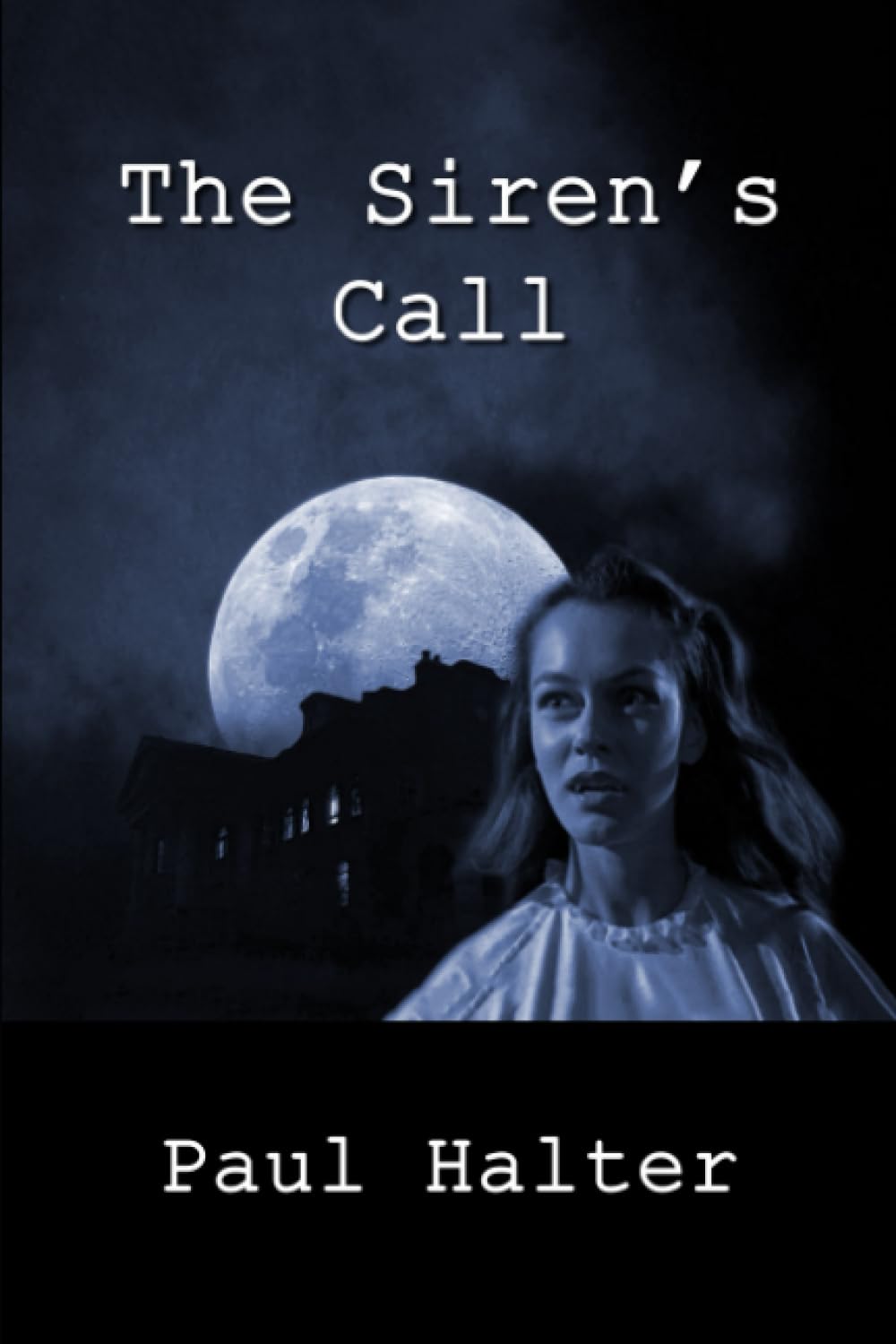
Returning to the Devon setting which proved home to one of the best impossible crimes in fiction, The Siren’s Call (1998, tr. 2023) finds Paul Halter once again mixing mysticism with a small town setting to varied effect. Doubtless Halter is greatly enjoying himself in detailing the first ever case for his detective Dr. Alan Twist, sprinkling more than a few references to John Dickson Carr, ne plus ultra of the impossible crime, along the way, but the book still disappointed me: the eventual shape and the answers it provides to its somewhat amorphous mysteries ensuring a fun time if not a memorable one. Halter’s done far worse, but he’s also done much, much better.
#1159: A Reading Round-Up for 2023 + Plans for 2024
I love a round-up post, a chance to reflect on what’s gone in the year before and to look ahead to what the future holds. So, following on from last year’s, here’s my review of bookish things for 2023.
Continue reading#1158: The Boathouse Riddle (1931) by J.J. Connington

![]()
![]()
![]()
![]()
![]()
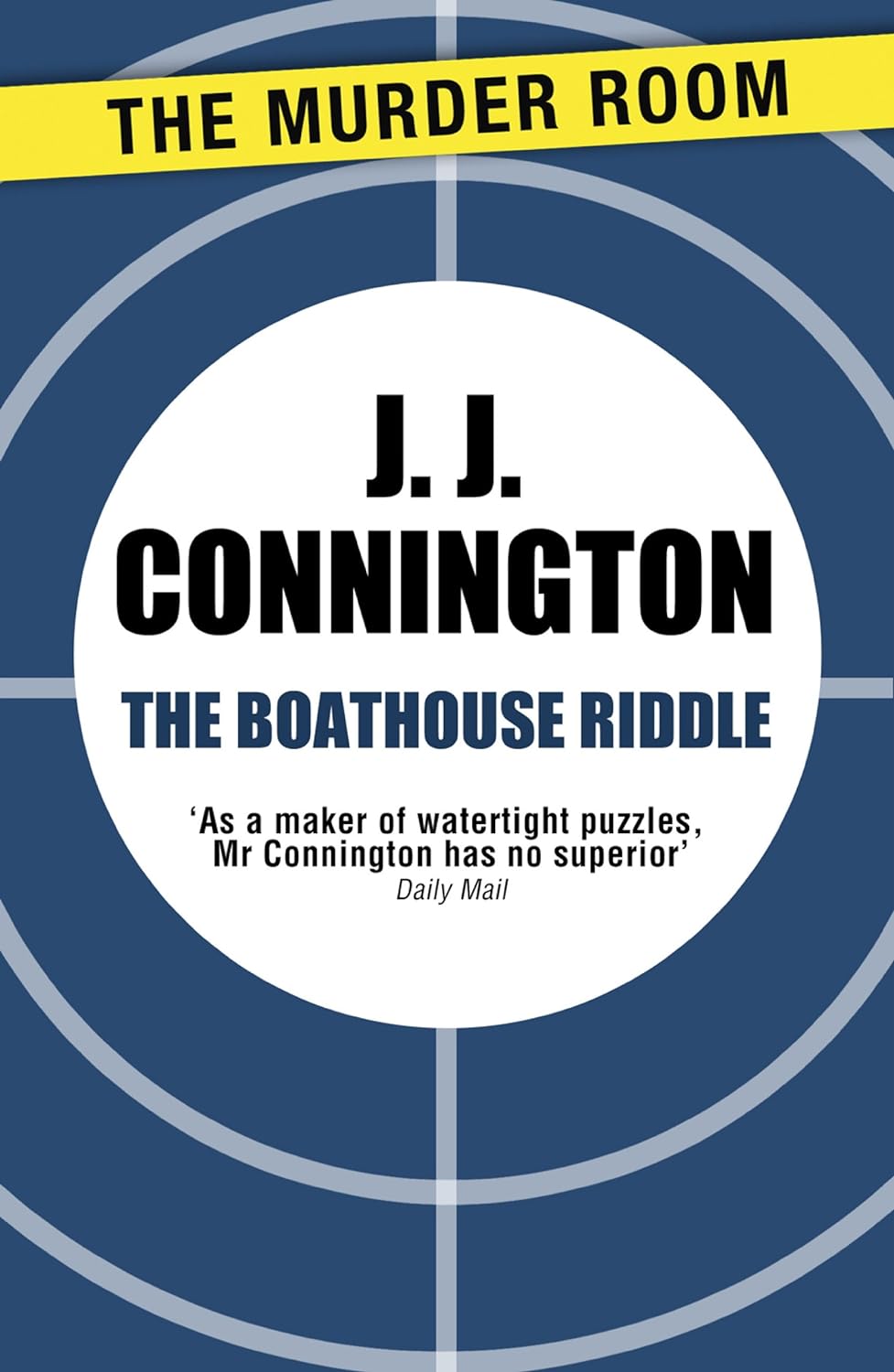
Perhaps sensing limitations in the character after five novels, J.J. Connington seemed to retire Chief Constable Sir Clinton Driffield following Nemesis at Raynham Parva (1929) and wrote two novels of diverging quality featuring the bland Superintendent Ross. But, with Ross possibly not finding traction in either his creator’s mind or in that of the reading public, The Boathouse Riddle (1931) sees the return of Sir Clinton, large as life and unknowable as ever, as a murdered groundskeeper interrupts his holiday on the estate of his friend ‘Squire’ Wendover. And so, with nary a sigh, our detective rolls up his sleeves and gets to work…
#1157: Little Fictions – The Dr. Britling Stories: Six Were to Die [n] (1932) by James Ronald
Not such a little Little Fiction this week, as I revisit the novella Six Were to Die (1932), which I’ve read before in edited form.
Continue reading