I have been known to be something of an impatient reader. In the first half of this decade, I read 713 books — an average of 2.74 a week — all while maintaining the physique of a Greek god, fighting crime at night dressed as a badger, holding down a full time job as a lawyer for the downtrodden, and winning the last six series of Mastermind in a raft of ingenious disguises.
Continue readingReviews
#1293: The Whistling Hangman (1937) by Baynard Kendrick
![]()
![]()
![]()
![]()
![]()
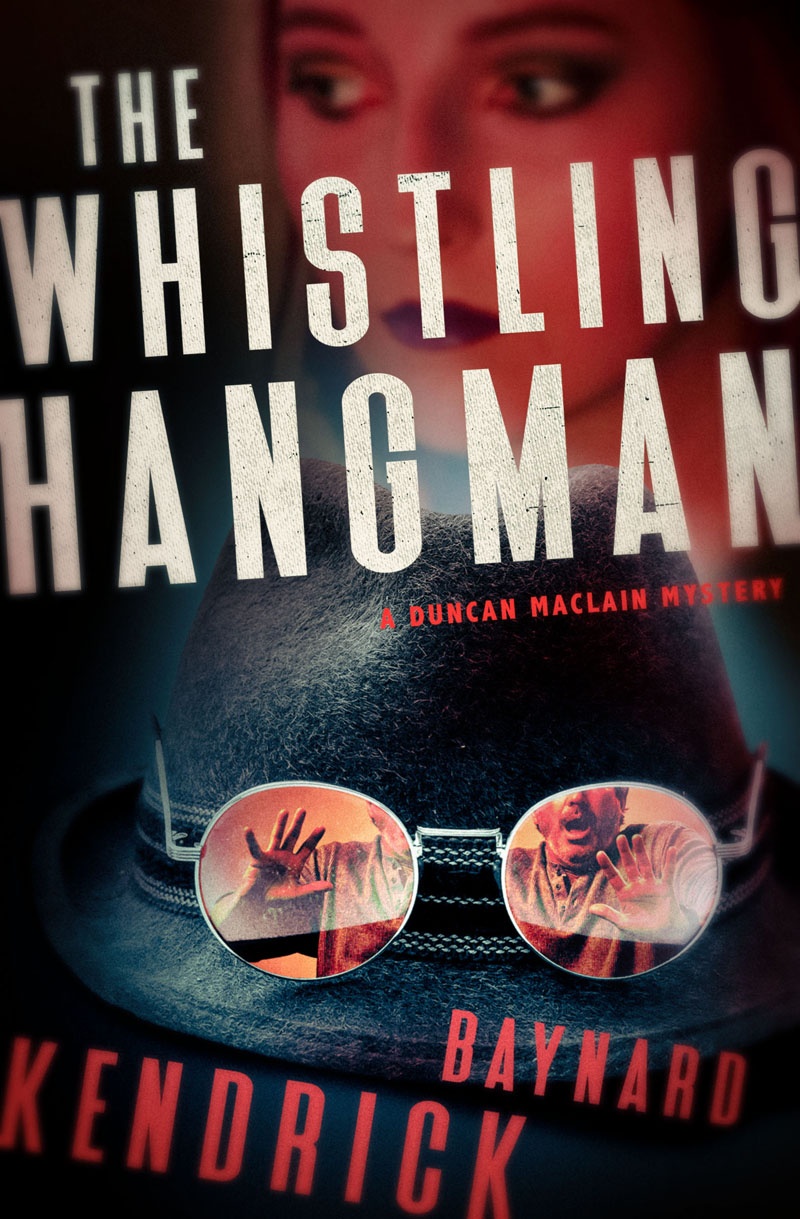
One of my favourite discoveries of recent years has been the character of Captain Duncan Maclain, the blind protagonist of a baker’s dozen of books by Baynard Kendrick. Having enjoyed The Odor of Violets (1941) and Blind Man’s Bluff (1943) as part of the American Mystery Classics range, I’ve been keeping an eye out for other books in the series, and got very lucky stumbling into a copy of The Whistling Hangman (1937) that was so severely beaten it must have owed money to six different loan sharks. And this was an especially exciting find as the novel has been praised by TomCat, apparently featuring some more ingenious impossible deaths in a large New York hotel…and, yeah, largely lives up to its billing.
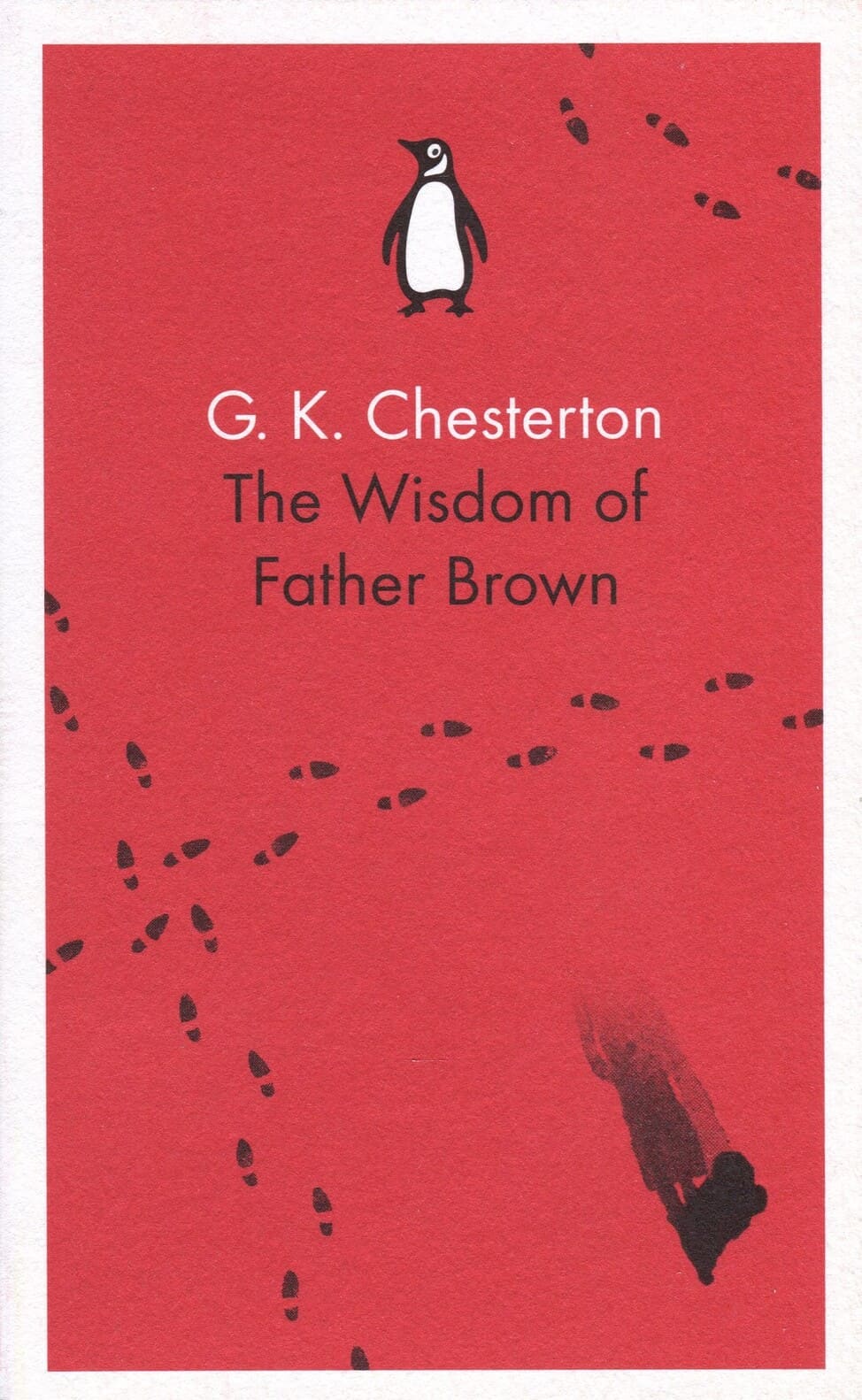
#1291: “Surely it must be a superstitious yarn spun out of something much simpler.” – The Wisdom of Father Brown [ss] (1914) by G.K. Chesterton
In my very first post on this blog I shared the belief that G.K. Chesterton’s writing is “too verbose”, and I’ll confess that I’ve found him hard to enjoy in the past. But reading some stories with Countdown John got me thinking that maybe I could suffer to give him another go, and so here, eventually, we are.
Continue reading#1290: Silence After Dinner (1953) by Clifford Witting
![]()
![]()
![]()
![]()
![]()
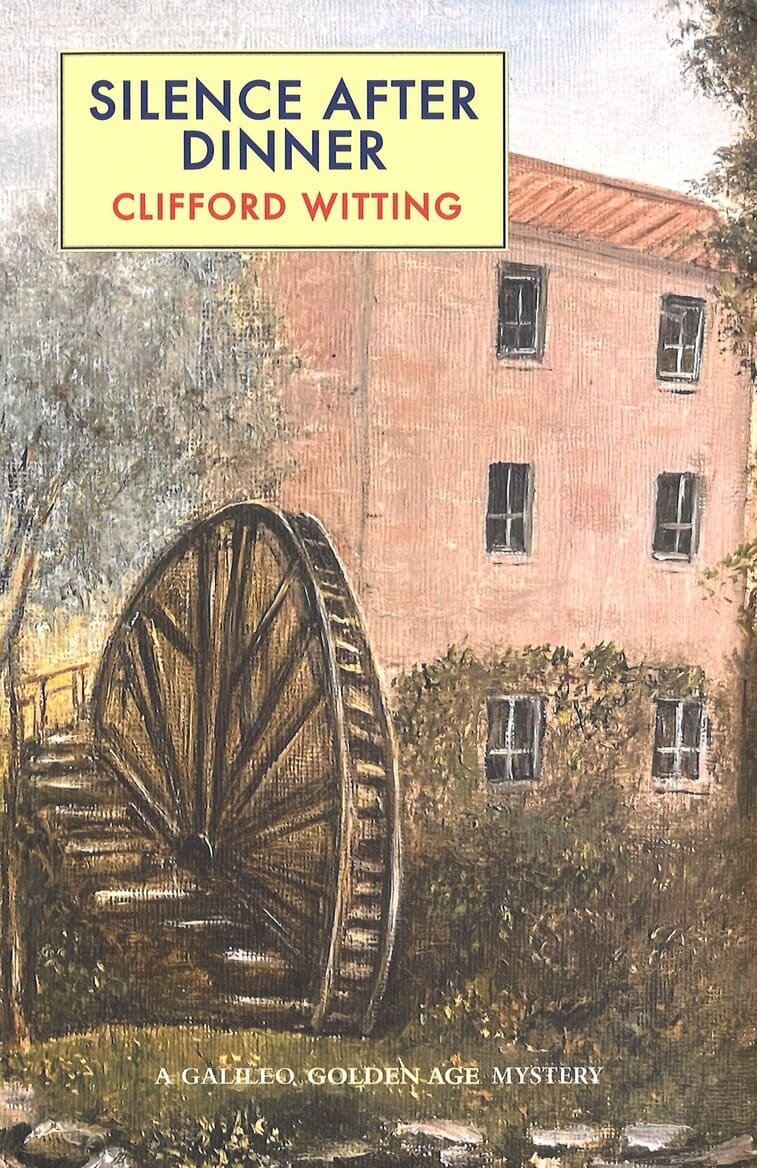
With an intriguing title taken from Oscar Wilde’s The Picture of Dorian Gray (1890) (“Murder is always a mistake. One should never do anything that one cannot talk about after dinner.”), Silence After Dinner (1953) is the eleventh Clifford Witting novel republished by Galileo Publishers. And since they were kind enough to send me a review copy, I can tell you about it fairly close to its release for a change. Opening with a startling, anonymous diary entry set in late-Communist Revolution China, we jump forward four years to the more bucolic South Downs where various people all seem to have spent time in that country and so might be the person responsible for the acts relayed in that opening. So, whodunnit?
#1287: A Certain Dr. Thorndyke (1927) by R. Austin Freeman
![]()
![]()
![]()
![]()
![]()
You have to buy the whole book of A Certain Dr. Thorndyke (1927), the tenth novel featuring R. Austin Freeman’s eponymous, esteemed medical jurist, but I’d advise only reading half of it. Rather like final Sherlock Holmes novel The Valley of Fear (1915) by Arthur Conan Doyle, the story here is split into two parts, one of criminous shenanigans and one of tedious backstory — though Freeman’s backstory comes first — and, even then, the crime and its investigation are only just about interesting to hold the attention. Mostly this smells of an idea Freeman couldn’t let go that should have been at best a novella, but which finds itself beefed up so that he could fulfil a clause in a contract. He does so enthusiastically, but it’s not a good read.
#1285: “It’s a classic locked-room thing.” – The Weight of Evidence (1978) by Roger Ormerod
Having enjoyed-if-not-loved my first encounter with Roger Ormerod’s work, Time to Kill (1974), he’s hovered on the fringes of my awareness as someone I should get back to. So a timely recommendation for The Weight of Evidence (1978) sees us pick up again with David Mallin
Continue reading#1284: The Dead Man’s Knock (1958) by John Dickson Carr
![]()
![]()
![]()
![]()
![]()
As my grandfather used to say, “Good god, it’s tough being a John Dickson Carr fan — he wrote some of the genre’s best and most enduring masterpieces, and yet the decline in his later works like Behind the Crimson Blind (1952) and The Cavalier’s Cup (1953) means that when you get to that end of his career he can prove to be frustrating and unenjoyable to read. But try The Dead Man’s Knock (1958), which at least features Dr. Gideon Fell, a character I’m sure you’ll like when you encounter him.” And, over 40 years later, his prophecy has been borne out, with The Dead Man’s Knock arresting a recent slide in quality where my Carr reading is concerned.
#1281: The Lady’s in Danger (1955) by Norman Berrow
![]()
![]()
![]()
![]()
![]()
Norman Berrow’s literary output presents very much like the little girl with the curl in the middle of her forehead: when he’s good he’s The Three Tiers of Fantasy (1947) and The Footprints of Satan (1950), but when he’s bad he’s Words Have Wings (1946) or The Singing Room (1948). And after a few reading experiences so tedious that I didn’t finish them, never mind review them on the blog, a break was needed. Three years without reading a word by the man, then, we return with The Lady’s in Danger (1955), which lacks for detection but is nevertheless a very enjoyable little thriller, and a fun time thanks to its author’s familiarity with so many of the tropes he deploys.