So, the obvious question in light of this entry into the Reprint of the Year Awards 2020 as organised by Kate at CrossExaminingCrime is: can these stories originally published between 1954 and 1961 be considered a reprint if they’ve never been published in English before? To which I ask: if they couldn’t, would they be in the running for the Reprint of the Year Awards?
Continue readingReviews
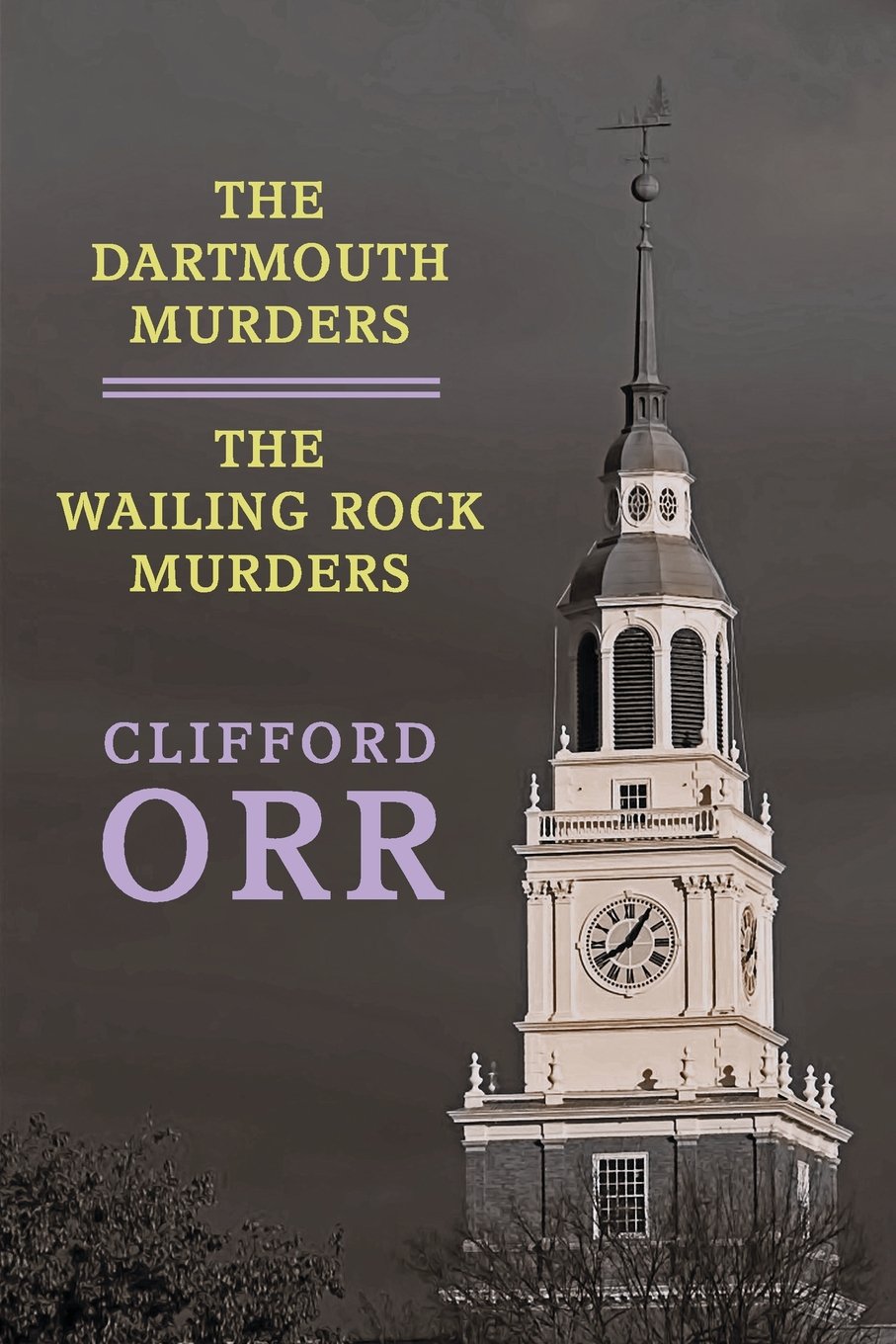
#734: The Wailing Rock Murders (1932) by Clifford Orr

![]()
![]()
![]()
![]()
![]()
Let the record state that The Wailing Rock Murders (1932) is the seventh title I’ve read from the Roland Lacourbe-curated Locked Room Library list to not actually contain an impossible crime. Others of this distinction have run the gamut from wonderful to utterly forgettable, so an absence of impossibility is not to be held against it, and Clifford Orr’s second and final novel undeniably contains plenty of locked rooms…but they’re the ‘locked from the outside’ variety, whose very nature should not be confused with the sort of thing we (are meant to) mean when throwing a term like ‘locked room mystery’ about.
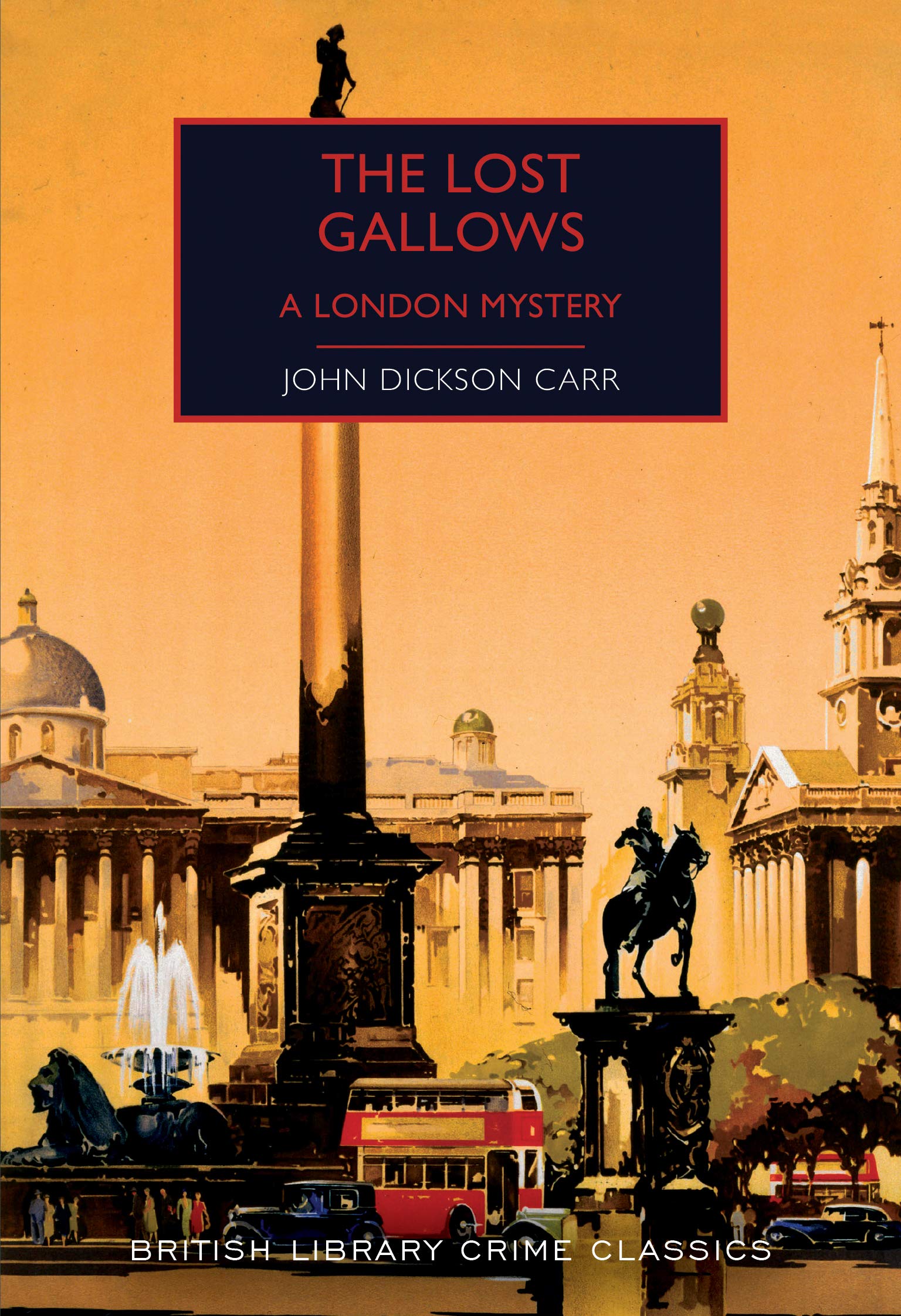
#730: The Lost Gallows (1931) by John Dickson Carr

![]()
![]()
![]()
![]()
![]()
It’s rather a coup of scheduling that the British Library opted to reissue this November-set second case for Henri Bencolin in November 2020, because there’s something distinctly eerie the fog-shrouded, darkening streets of the London of John Dickson Carr’s second novel The Lost Gallows (1931) that would, one feels, be lost if read in the blistering July sunshine (yes, thank-you, the Southern Hemisphere). Indeed, I enjoyed this one more at this second reading than I thought I would — in part because Carr’s melodrama doesn’t hit me so hard second time around, but I’m also going to cite “tis the season” as a definite factor.
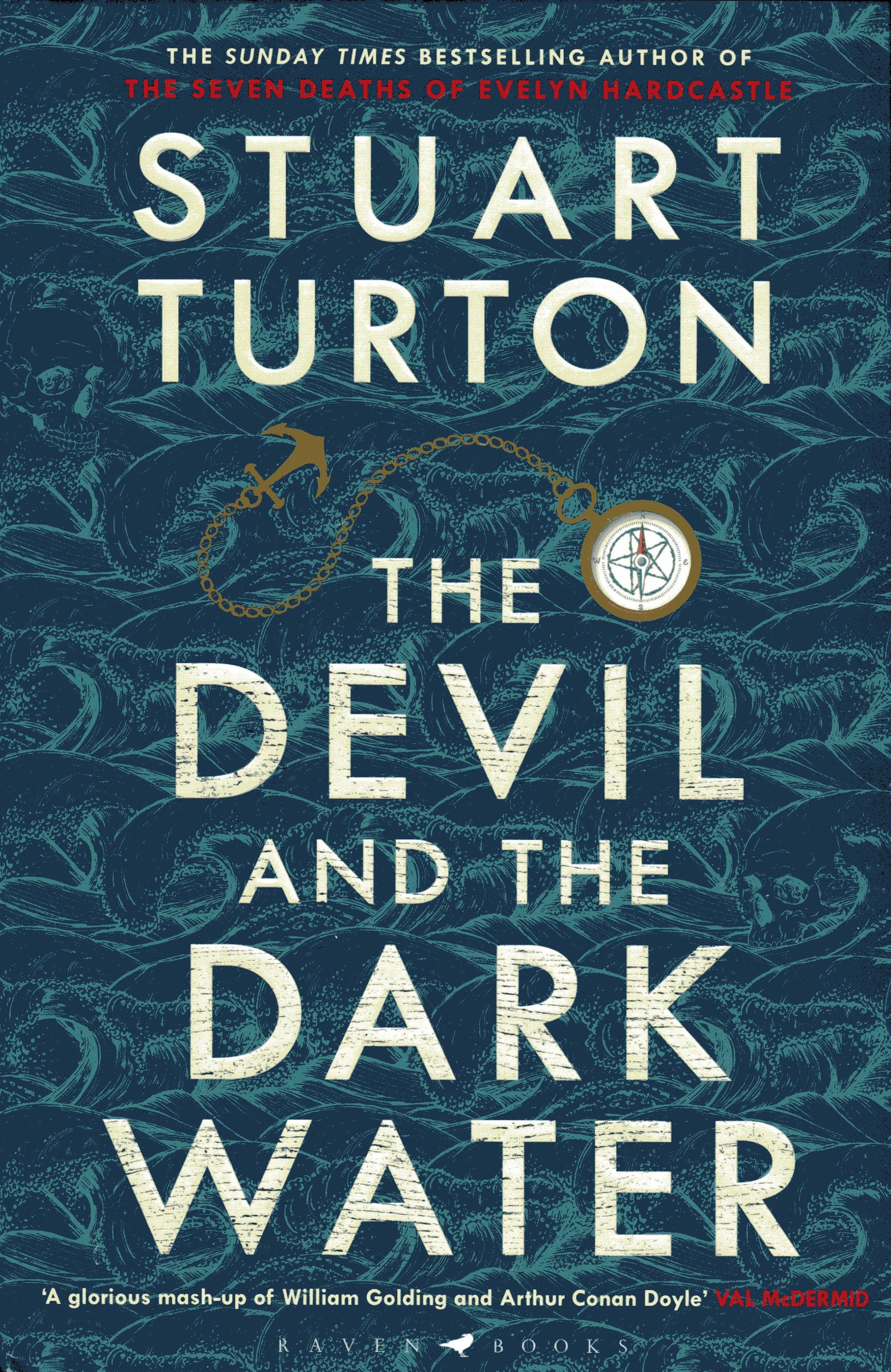
#728: A Little Help for My Friends – Finding a Modern Locked Room Mystery for TomCat Attempt #15: The Devil and the Dark Water (2020) by Stuart Turton
While I don’t quite share the optimism of my fellow impossible crime aficionado TomCat that a second Golden Age of detective fiction is on the horizon, there can be no denying that some great neo-orthodox detective novels have been written in recent years by the likes of James Scott Byrnside, Anthony Horowitz, and (with a heavy emphasis on the neo) Stuart Turton.
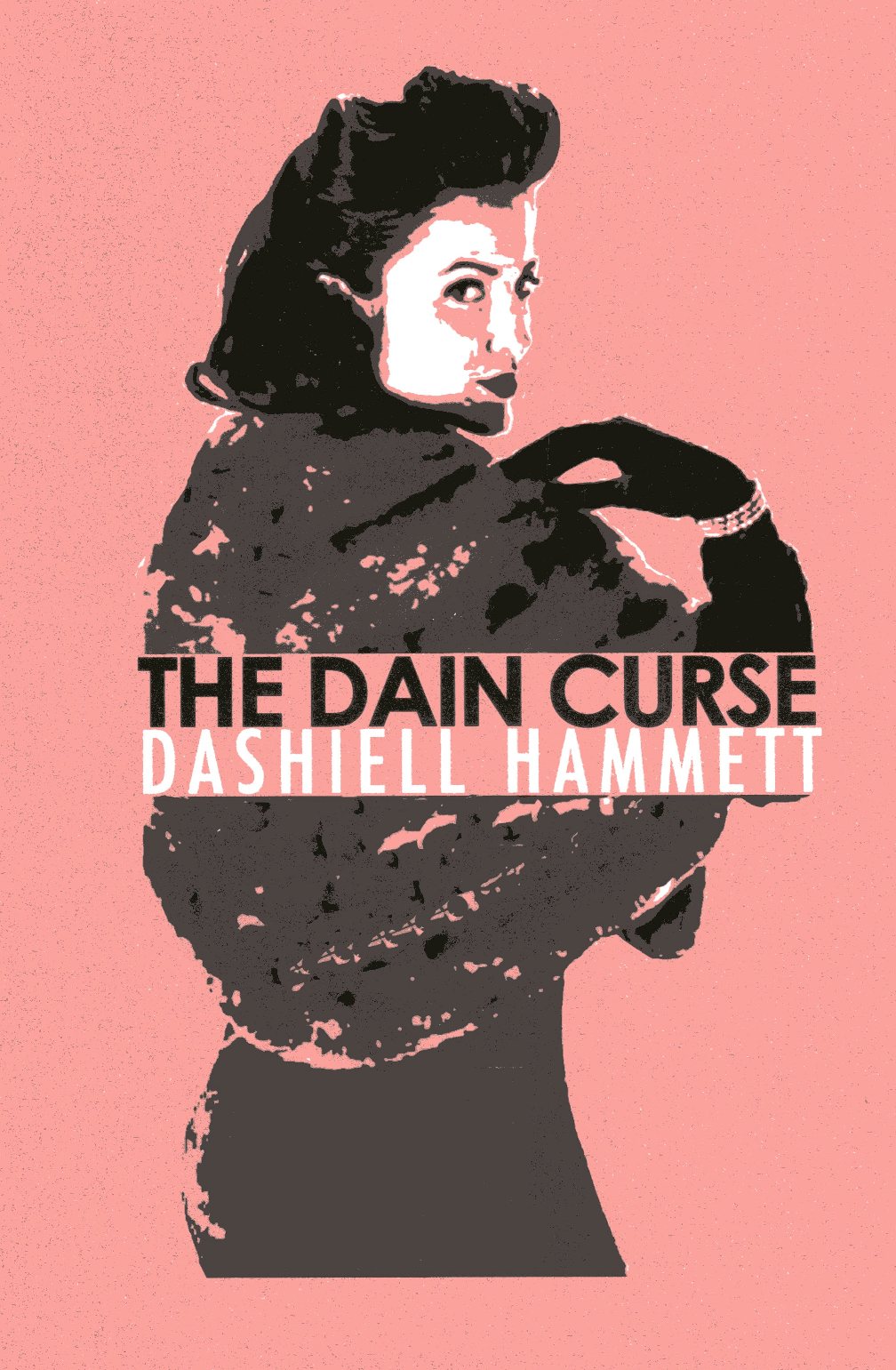
Continue reading#727: The Dain Curse (1929) by Dashiell Hammett

![]()
![]()
![]()
![]()
![]()
Doubtless on account of my predilection for typically British novels of detection, I have somehow fostered the mistaken reputation of one who dislikes the Hardboiled school. I mean, I named Jim Thompson one of the four most important male authors in crime fiction, have heaped praise on James M. Cain, Dashiell Hammett, both Ross and John D. MacDonald, and the Cool & Lam books of Erle Stanley Gardner, but still there lingers an air of distrust whenever I step away from the Venetian vase of the drawing room and into the mean streets. So let’s look to The Dain Curse (1929) to exemplify a lot of the good that the subgenre has to offer.
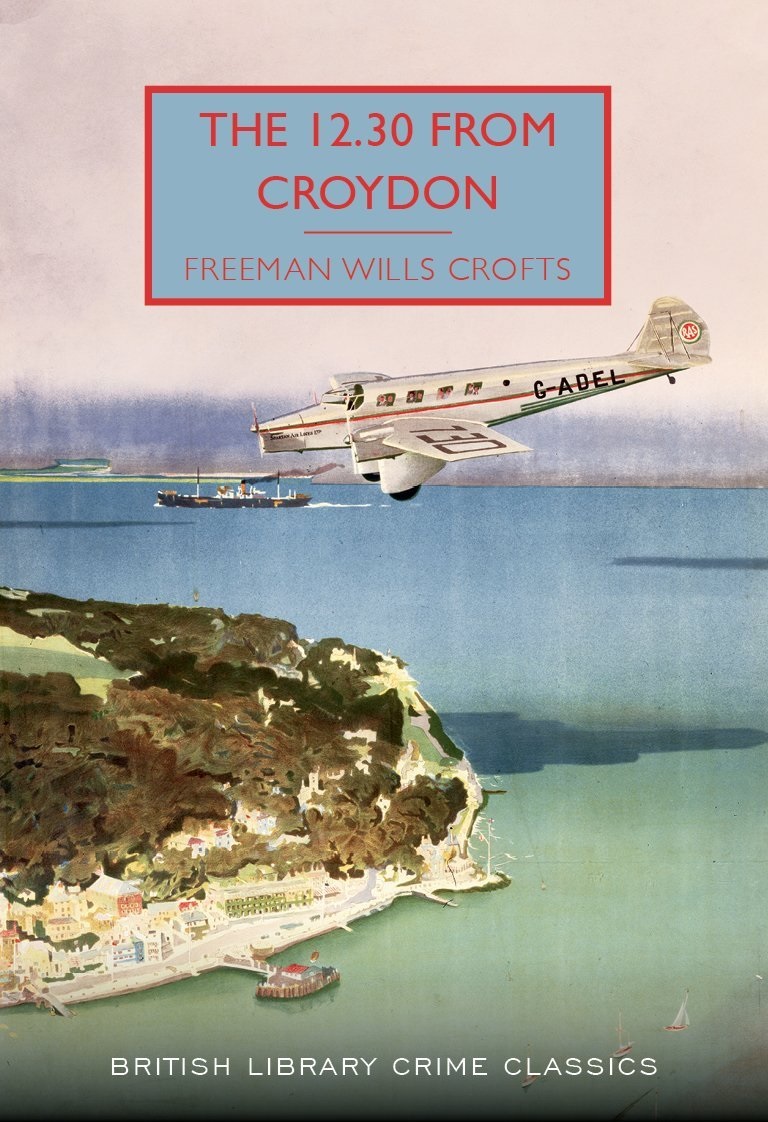
#724: The 12.30 from Croydon, a.k.a. Wilful and Premeditated (1934) by Freeman Wills Crofts

![]()
![]()
![]()
![]()
![]()
The writing of an inverted mystery must surely bring with it a certain amount of release. Your typical detective novel, after all, keeps the villain, their motives, their opportunity, and oftentimes their method occluded from the reader whilst ideally also dropping all manner of subtle hints about them, where the inverted mystery — in which we know the criminal and their motivation from the off, see the crime committed, and must then watch the detective figure it out — removes every single one of these difficulties, requiring only the investigation which would have happened in a ‘straight’ novel of detection anyway.
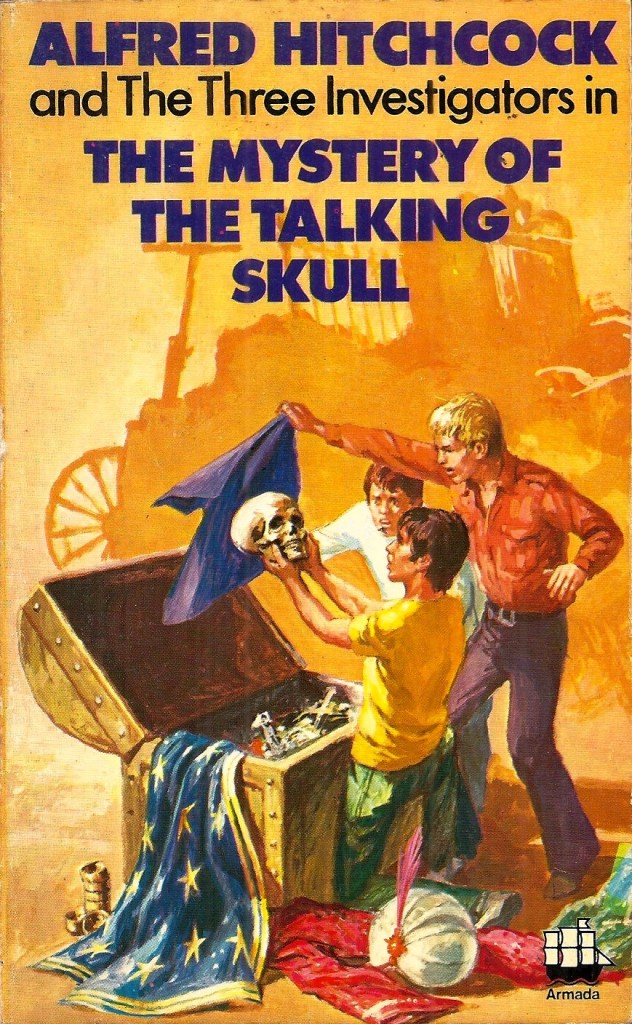
#722: Junk in the Trunk with The Mystery of the Talking Skull (1969) by Robert Arthur

Whatever happens to the series from here, it would be difficult to deny that creator Robert Arthur set Jupiter Jones, Pete Crenshaw, and Bob Andrews off to a magnificent start with his ten Three Investigators novels.
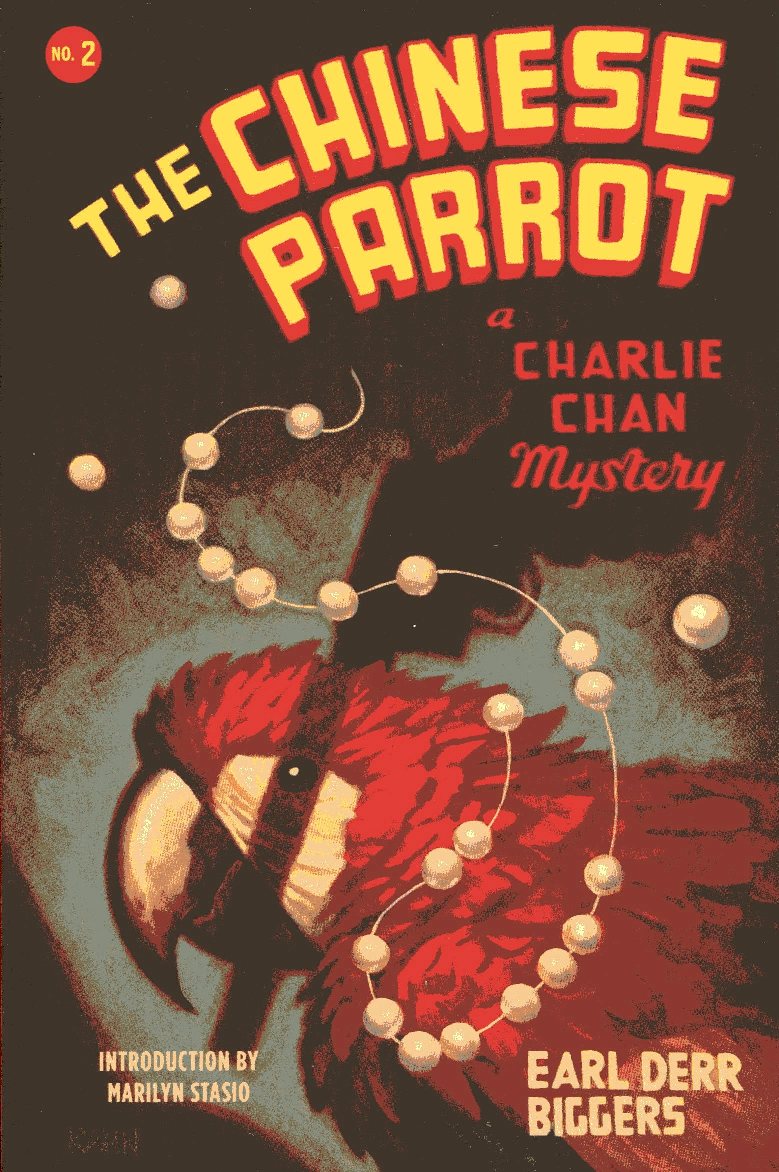
Continue reading#721: The Chinese Parrot (1926) by Earl Derr Biggers

![]()
![]()
![]()
![]()
![]()
On Tuesday I looked at Ronald Knox’s omni-misquoted admonishment against detective fiction writers using the ‘sinister Chinese’ stereotype to furnish their villainous plots, so the ground is primed to explore here the other end of that spectrum with the Intuitively Sagacious Minority Written by a Non-Minority Author. And given that the Chinese character Charlie Chan had the era-dense misfortune to be played in some 40 films by two white Americans, there’s a certain anticipatory screwing your courage to the mast before you embark on the books of wondering just how forgiving you’re going to have to be.
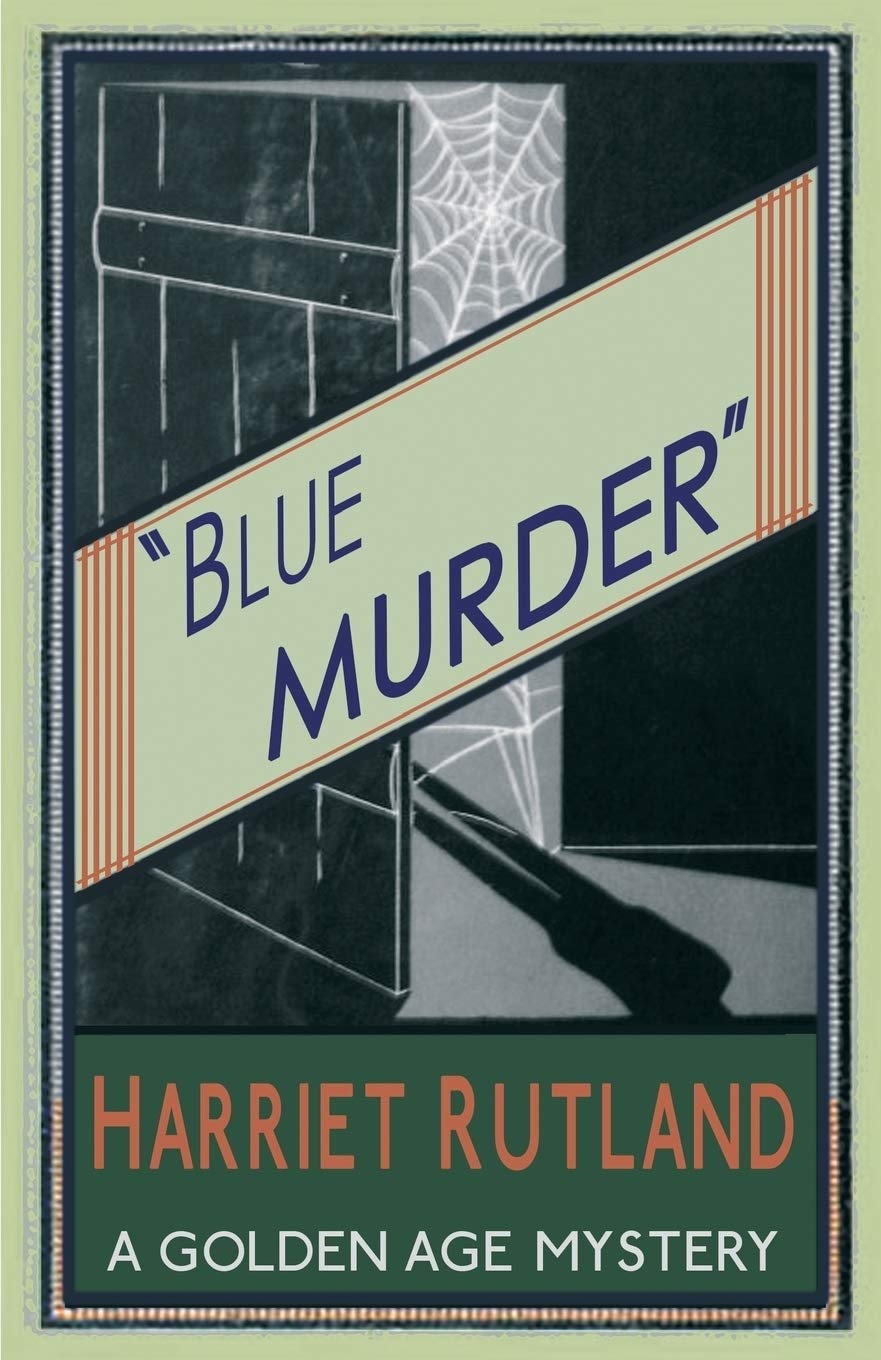
#718: Blue Murder (1942) by Harriet Rutland

![]()
![]()
![]()
![]()
![]()
I read the first half of Blue Murder (1942), the third and final novel by Harriet Rutland, in a single gasp. It’s a fascinating opening, deliberately short on setting and description so as to emphasise the characters you’re going to be spending the book with, and it drew me like a moth to a flame, eager for the destruction to come. From the outset, when headteacher Mr. Hardstaffe learns that his affairs are being gossiped about by the village schoolchildren and calls them “little bastards!” for showing such disrespect, we’re clearly not in the genteel arm of GAD, and it’s only a matter of how savagely Rutland develops from here. And, as things progress, we seem to ring more than a few changes.
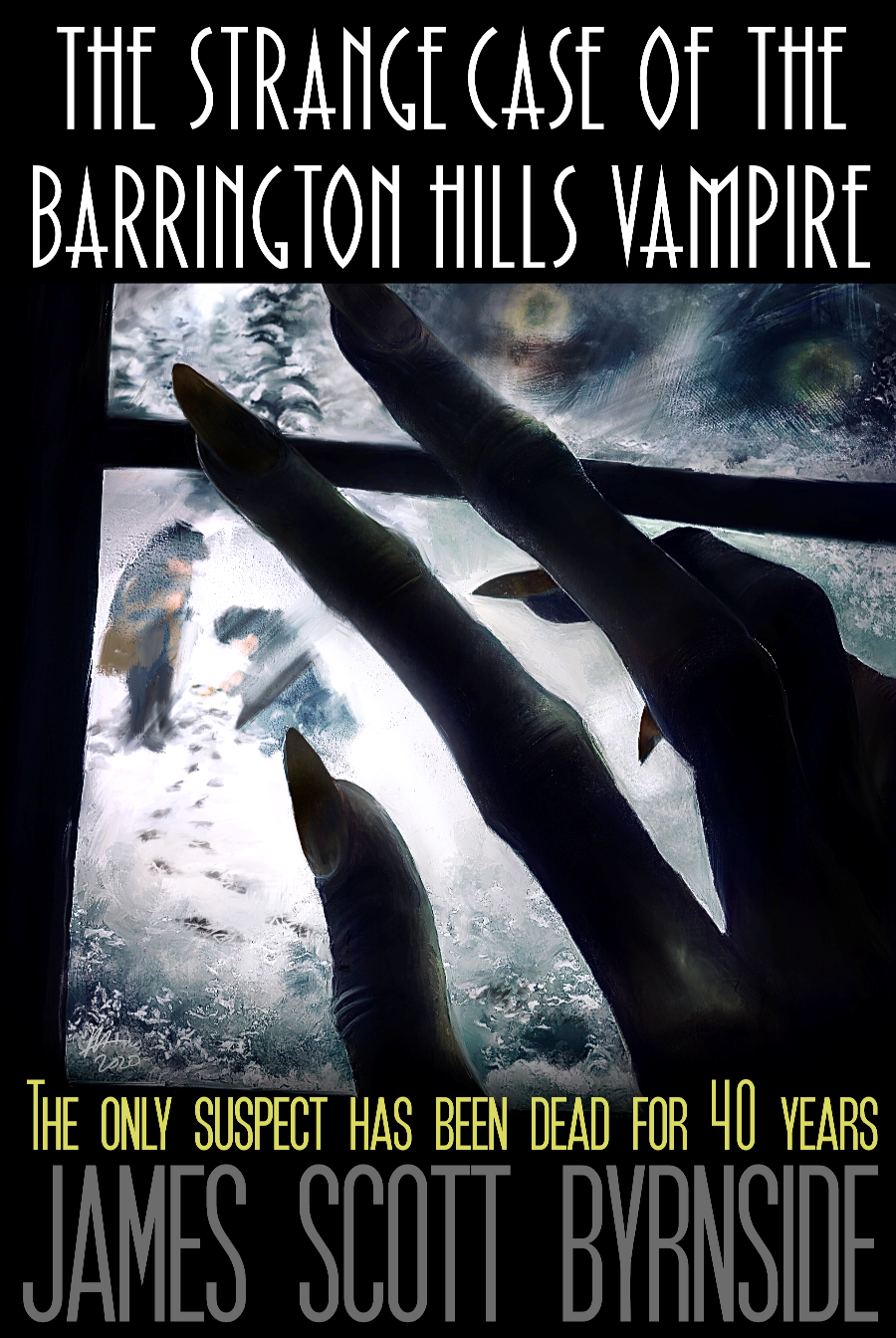
#716: Nosferat-whodunnit? – The Strange Case of the Barrington Hills Vampire (2020) by James Scott Byrnside
Nearly five years ago, in the innocent, heady days of December 2015, I read two self-published impossible crime novellas by Matt Ingwalson and was motivated into what has become my Adventures in Self-Publishing.
Continue reading