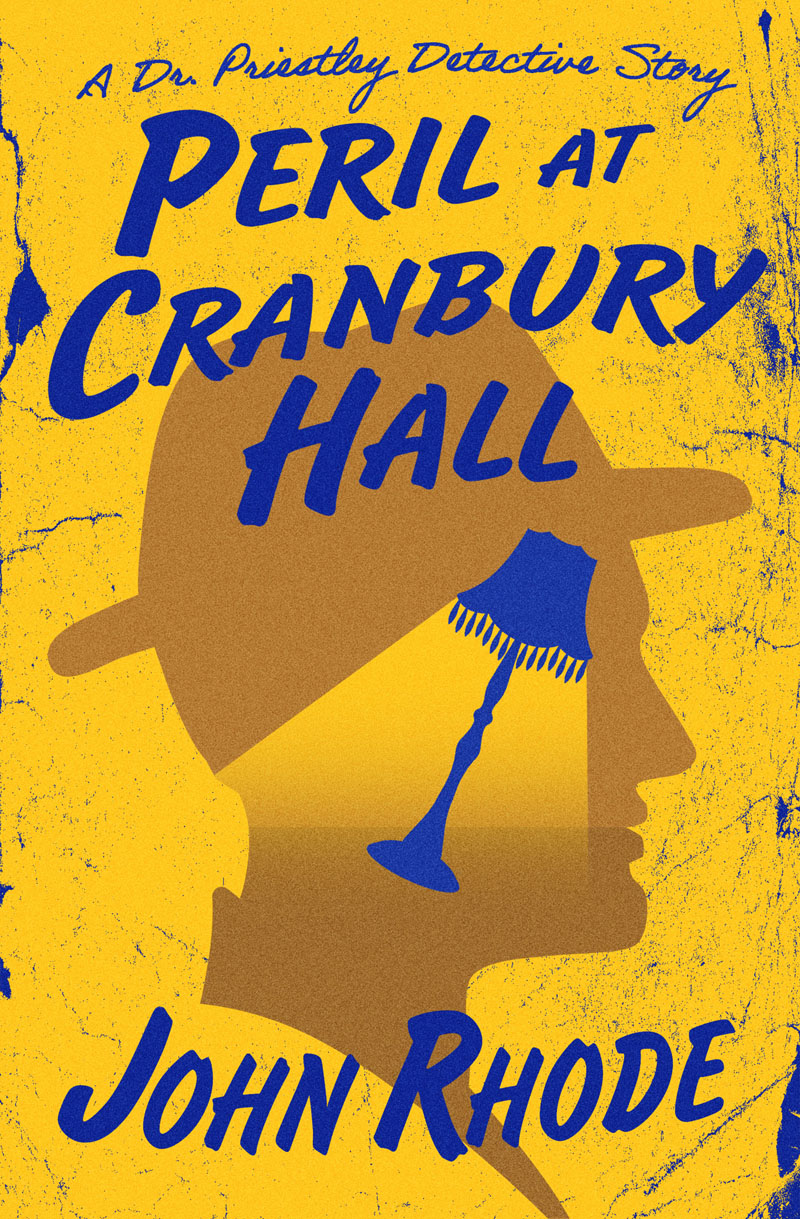
#972: Peril at Cranbury Hall (1930) by John Rhode

Peril at Cranbury Hall

star filledstar filledstarsstarsstars
Accompanying an architect in an examination of the faded ancestral pile of Cranbury Hall, prim solicitor Arthur Gilroy happens upon his wastrel half brother Oliver, with whom he has an interview later that evening, who is rather elliptical about the reason for his presence.  The two part on not unfriendly terms and, soon after, a shot rings out that is attributed to poachers taking liberties on the ownerless land.  But when Oliver fails to show up for their meeting, Arthur begins to suspect that “some mysterious tragedy had occurred”…and he might be right, since that shot turns out to have been merely the first attempt on Oliver’s life.

Continue reading

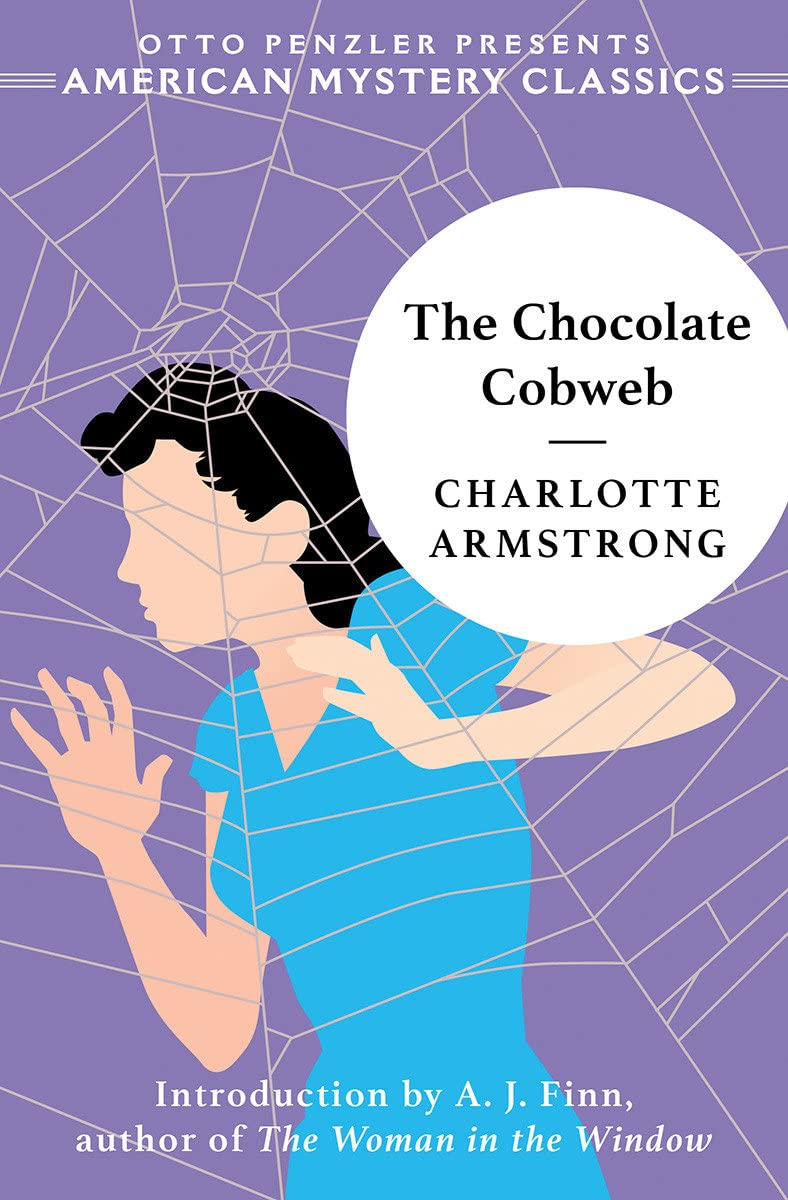
#969: The Chocolate Cobweb (1948) by Charlotte Armstrong

Chocolate Cobweb

star filledstar filledstar filledstar filledstar filled
There really is no accounting for taste. When I read The New Sonia Wayward (1960) by Michael Innes following a rave review from Aidan, I found it rather wanting; now that I’ve read The Chocolate Cobweb (1948) by Charlotte Armstrong following a rave review from Aidan, I wonder if he praised it enough, because it’s very probably the best novel of pure domestic suspense that I’ve ever encountered. We can add this to the likes of The Voice of the Corpse (1948) by Max Murray on the list of Books I Should Not Like Yet Absolutely Loved, an experience so enjoyable that it stalled my reading for about a week since I had no idea what I could possibly follow it up with.

Continue reading

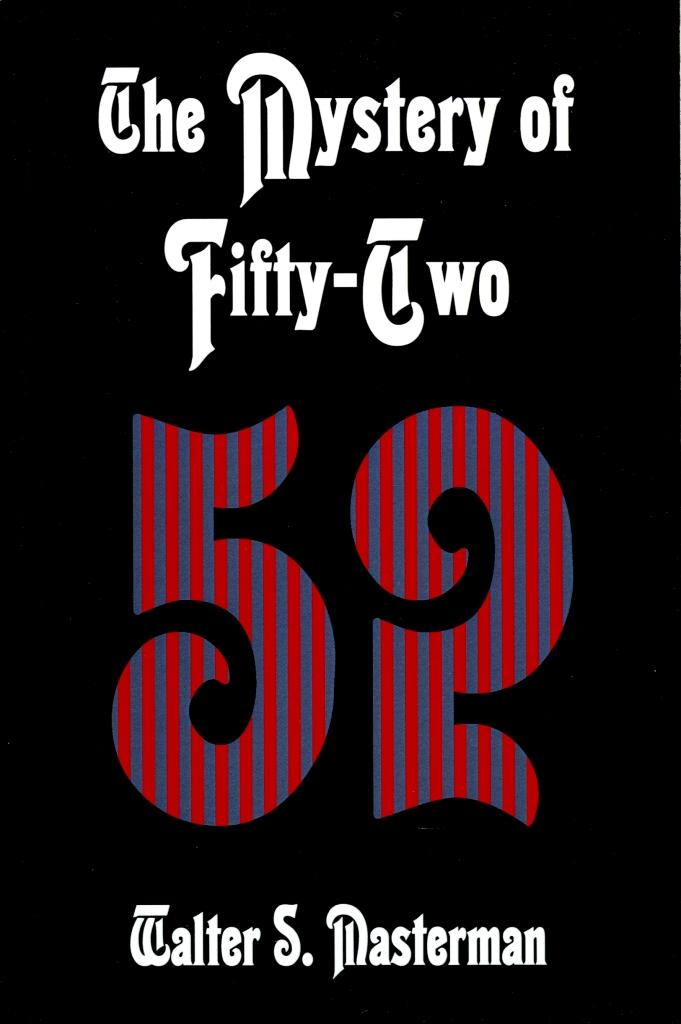
#966: The Mystery of Fifty-Two (1931) by Walter S. Masterman

Mystery of 52

star filledstar filledstar filledstar filledstars
One stormy evening, the nebbishy, unworldly Alfred Austin of 57 Caldwell Road is phoned up and asked to take a message to his neighbour Mr. Carey at number 52, only to fight his way through the wind and the rain to be told upon arrival that no-one of that name lives there.  When Austin’s wife arrives home later that same evening, she informs him that no-one of any name lives there, as the house has been empty since being built a year previously.  The following morning, Alf sees a man with bloody hands leaving number 52 shortly before a dead body is discovered within…and that’s just the beginning of his problems.

Continue reading

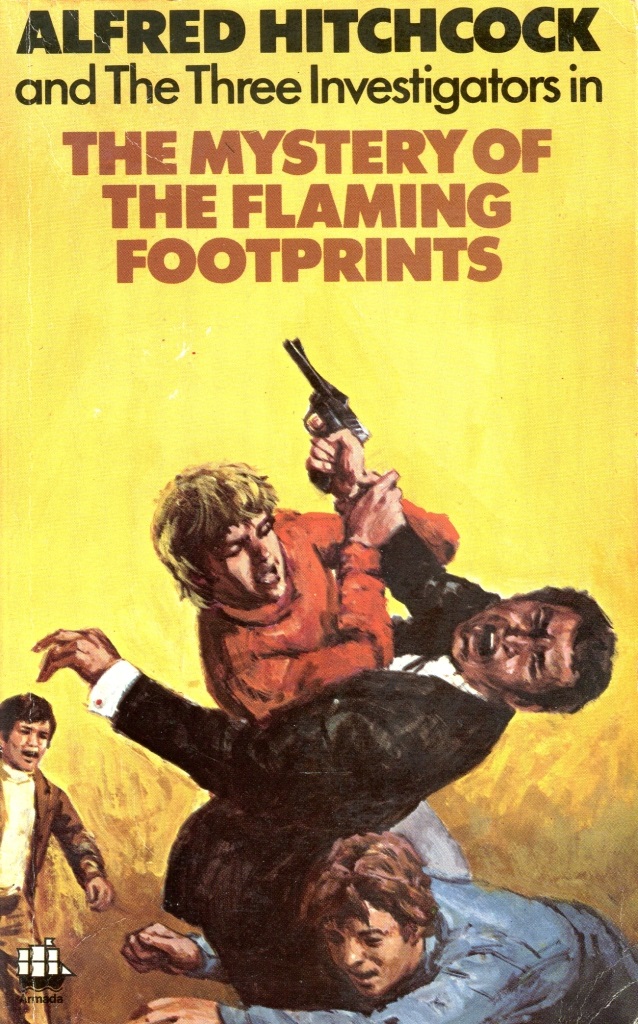
#964: Keeping it in the Family in The Mystery of the Flaming Footprints (1971) by M.V. Carey

Pity the New Guy, who has to come in to an established IP and keep everything recognisably the same while also making changes that justify their hiring, like whoever has to reinvent James Bond now that Daniel Craig is done with the role (I have some ideas, by the way, if anyone at EON is reading). With The Three Investigators 14 books old, what could fourth author into the fray Mary Virginia Carey do to establish herself?

Continue reading

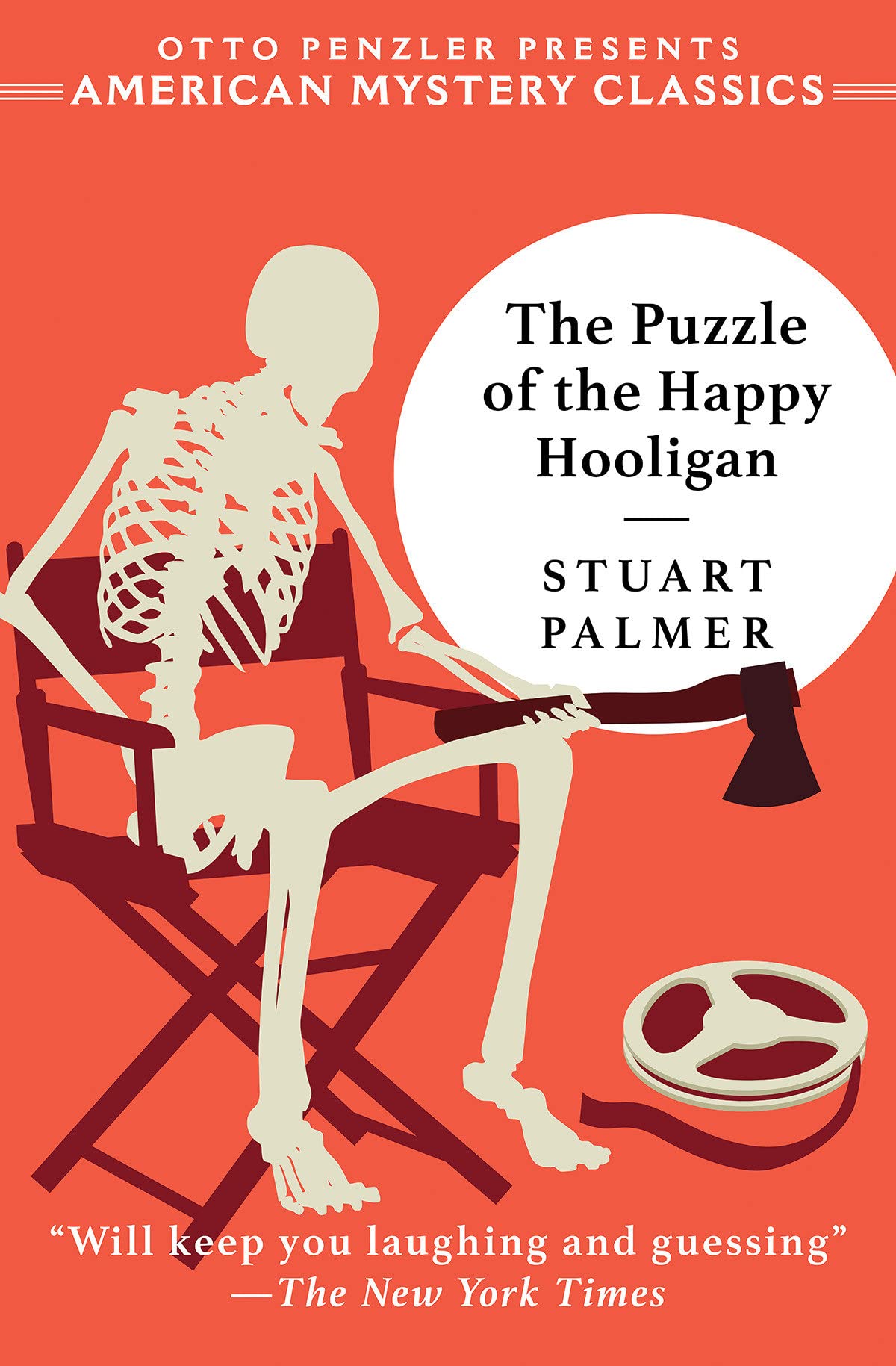
#963: The Puzzle of the Happy Hooligan (1941) by Stuart Palmer

Happy Hooligan

star filledstar filledstarsstarsstars
With “Europe [having] exploded”, crime-solving New York schoolteacher Hildegard Withers is holidaying in Los Angeles and, by dint of being recognised from a photo in the paper, is hired by a film studio as a consultant on a new film about Lizzie Borden. When, on her first day, the man in the office next to hers dies from a broken neck, Miss Withers becomes — for reasons that completed eluded this reader — convinced that he was murdered and sets about trying to find his killer. Thankfully, plenty of suspicious types present themselves for consideration, as the prospect of blackmail, secrets, and a general dissatisfaction with the victim’s comportment all float to the surface.

Continue reading

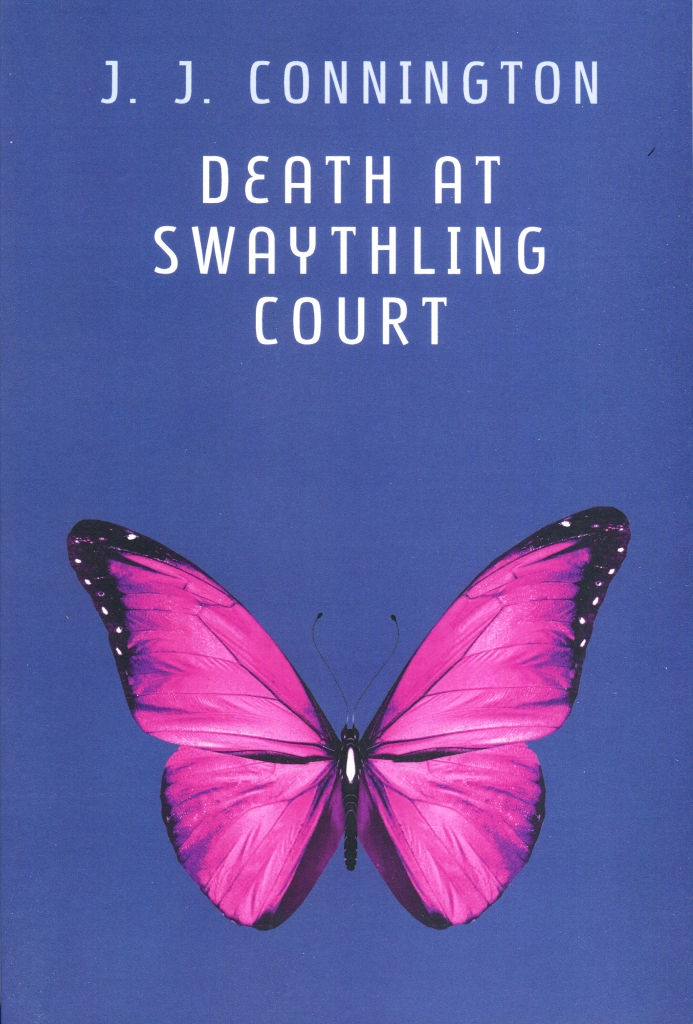
#960: Death at Swaythling Court (1926) by J.J. Connington

Death at Swaythling Court

star filledstar filledstar filledstarsstars
I’ll be honest, even I’ve lost track of whether I’m reading J.J. Connington chronologically — but I’m going to say that, yes, from this point on the criminous novels by Alfred Walter Stewart that I’ve not reviewed on here will be encountered in publication order.  So, back to the beginning we go, before even Connington’s most prolific sleuth Sir Clinton Driffield ambled onto the scene, with Death at Swaythling Court (1926). In short order, a murdered lepidopterist with an unsavoury past sees suspicion point in many directions, with the crime scene positively awash with clues which can’t seem to be fitted into any pattern.

Continue reading

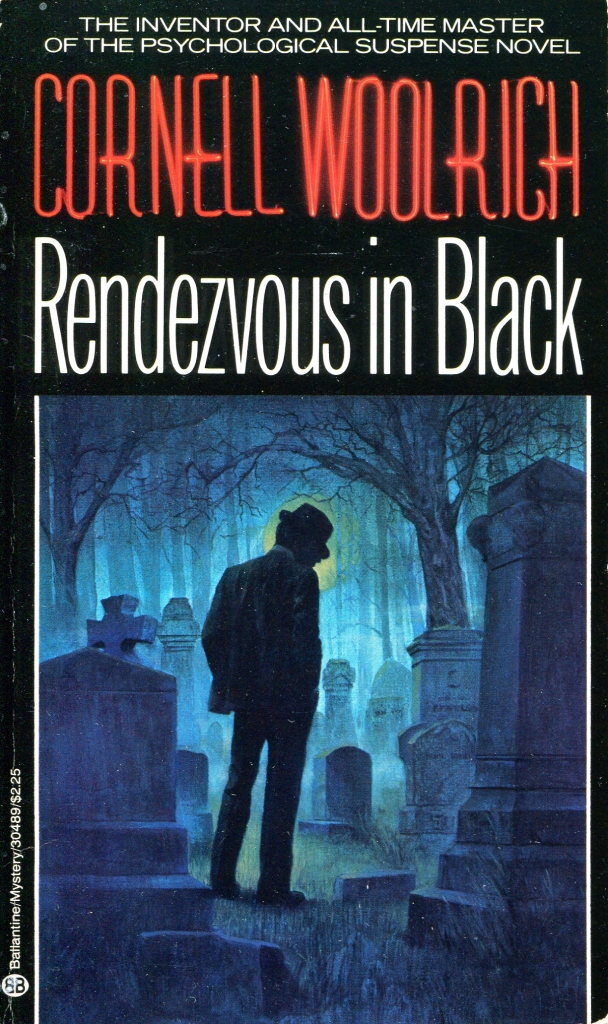
#957: Rendezvous in Black (1948) by Cornell Woolrich

Rendezvous in Black

star filledstar filledstar filledstar filledstars
One of the things that struck me as I got into the works of Freeman Wills Crofts is how, from book to book, he always finds a way to subtly alter the nature of the plot he is writing so that he never covers the exact same ground twice. This was evidently not so much of a concern for Cornell Woolrich, who could so readily imagine so many nightmarish possibilities bristling from any setup that he often had to use the same core idea more than once just to explore the principles that struck him. ‘All At Once, No Alice’ (1937) shares a sizeable chunk of DNA with the novel Phantom Lady (1942), and today’s read Rendezvous in Black (1948) harks back to Woolrich’s criminous debut, The Bride Wore Black (1940).

Continue reading

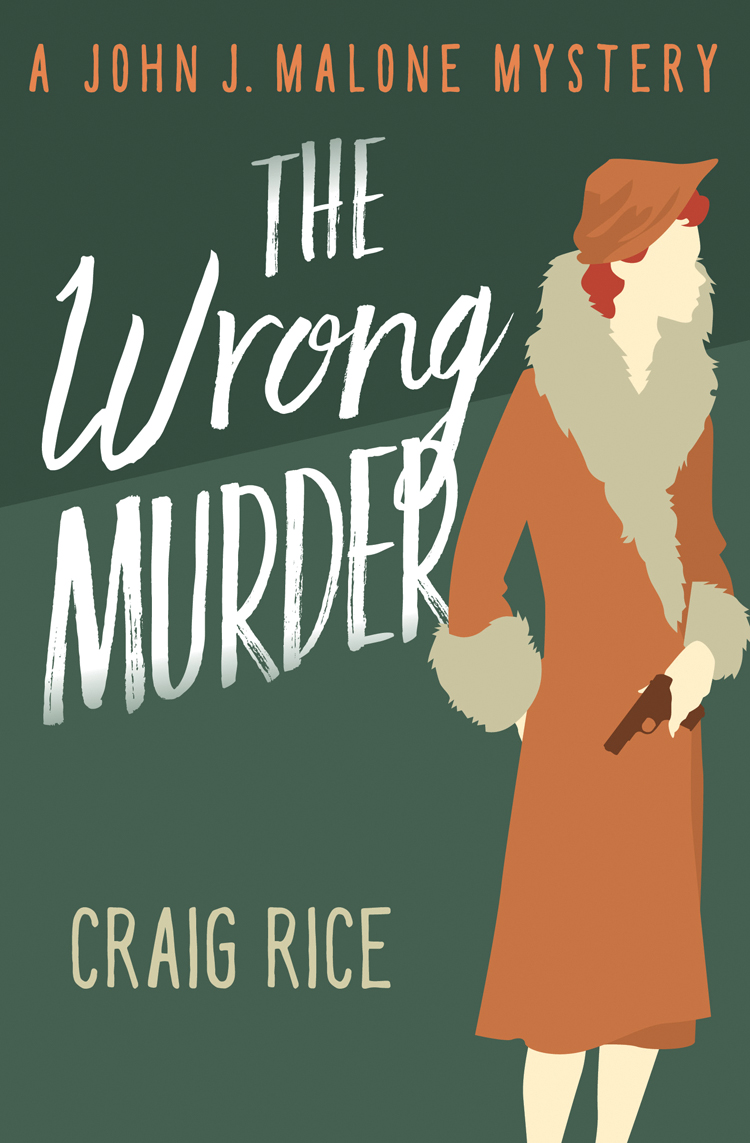
#954: The Wrong Murder (1940) by Craig Rice

Wrong Murder

star filledstar filledstar filledstar filledstars
At the bunfight following his marriage to Helene Brand, theatrical agent Jake Justus, reflecting that “he had had more than his fair share of homicides”, is unprepared for Mona McClane boasting that she will kill someone “in broad daylight on the public streets, with…plenty of witnesses”. Surely she can’t be serious? And so a bet is struck — powered, no doubt, by the veneer of alcohol that drives so much of Craig Rice’s wild plotting — that, if Mona commits the murder, Jake will prove her guilty of it. And then a man is shot dead on the busiest corner in Chicago during the Christmas rush, with Mona McClane spotted in the vicinity just moments before.

Continue reading