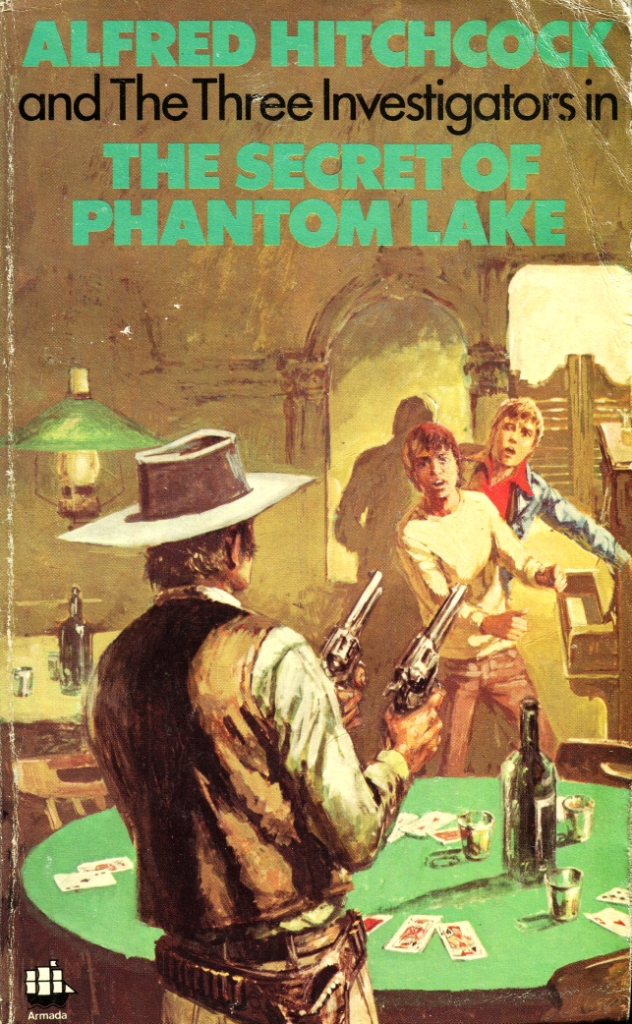
Pirates! Sunken ships! Mysterious treasure! A race to unscramble a message from beyond the grave! I promise you that The Secret of Phantom Lake (1973) by William Arden, the nineteenth title in the Three Investigators series, contains all these things. So why the hell is there a cowboy on the front cover?
Continue readingReviews
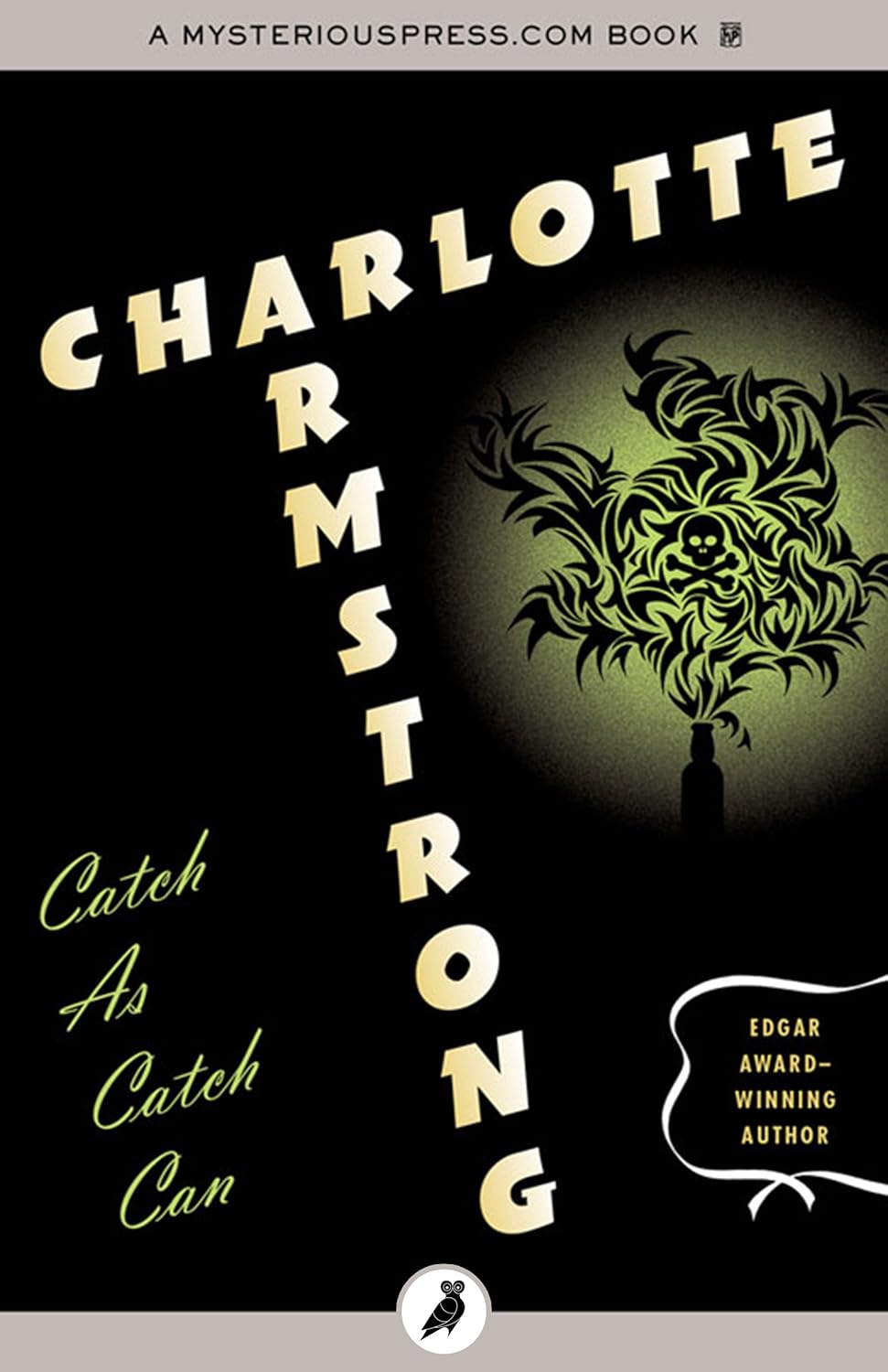
#1137: Catch-As-Catch-Can, a.k.a. Walk Out on Death (1953) by Charlotte Armstrong

![]()
![]()
![]()
![]()
![]()
When Dee Allison’s itinerant uncle Jonas Breen pulls one of his sudden appearing acts and then promptly dies, leaving the overwhelming majority of his fortune to his newly-on-the-scene 18 year-old daughter Laila, the problems sown in the family are only just beginning. When the unworldly Laila runs away from home, unaware that she has eaten poisoned food which has already killed their housekeeper, Dee and her fiancée Andy Talbot are in a race against time to find the young woman before she, too, succumbs. And with some elements of the family possibly happier if Laila were dead, since that would solve their own financial woes, well, then you have a plot on the boil.
#1135: “Don’t be so infernally bloodthirsty!” – Who Killed Father Christmas? and Other Seasonal Mysteries [ss] (2023) ed. Martin Edwards
Astoundingly, Who Killed Father Christmas? (2023) is the fifth collection of seasonal mysteries collated by Martin Edwards for the British Library Crime Classics range. And, with the BL kind enough to provide me with a review copy, it seemed like the perfect excuse to start some Christmas reading a little earlier than planned.
Continue reading#1134: The Murder Wheel (2023) by Tom Mead

![]()
![]()
![]()
![]()
![]()
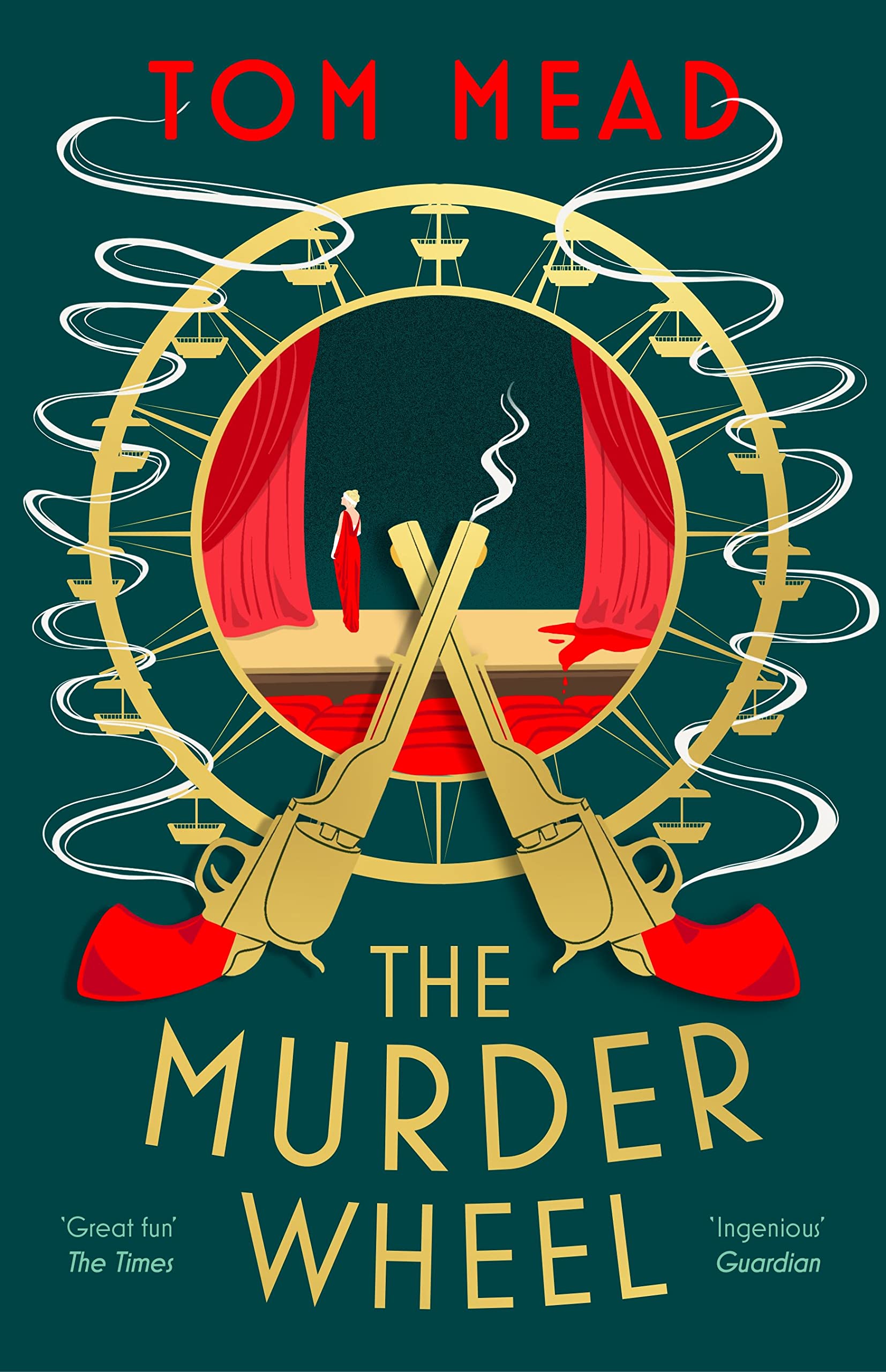
In these classic reprint-rich days, the work of Tom Mead — not just recycling the past, but building upon it by paying informed homage — feels like a breath of fresh air. His debut Death and the Conjuror (2022) was a genuine puzzle plot filled with the playfulness of this most spirited of genres, and if sophomore effort The Murder Wheel (2023) isn’t quite as successful, Mead deserves huge credit for the love he brings to his writing — and how superbly readable that writing is, never feeling weighed down by an excess of referencing or the weight of the history he is so lovingly revisiting. This is still bags of fun, and bodes well for what I hope is going to be a long and storied career.
#1133: “I would detect with dignity or not at all.” – Sealed Room Murder (1941) by Rupert Penny
I’m pretty sure that Sealed Room Murder (1941), the eighth and final novel by Rupert Penny to feature Chief Inspector Edward Beale, was only the second-ever book I read from Ramble House, and it made me an instant fan of Penny. So now I return to it to get my thoughts on record, and see whether I’ve been remiss in singing its praises for all these years.
Continue reading#1132: The Case of the Smoking Chimney (1943) by Erle Stanley Gardner

![]()
![]()
![]()
![]()
![]()
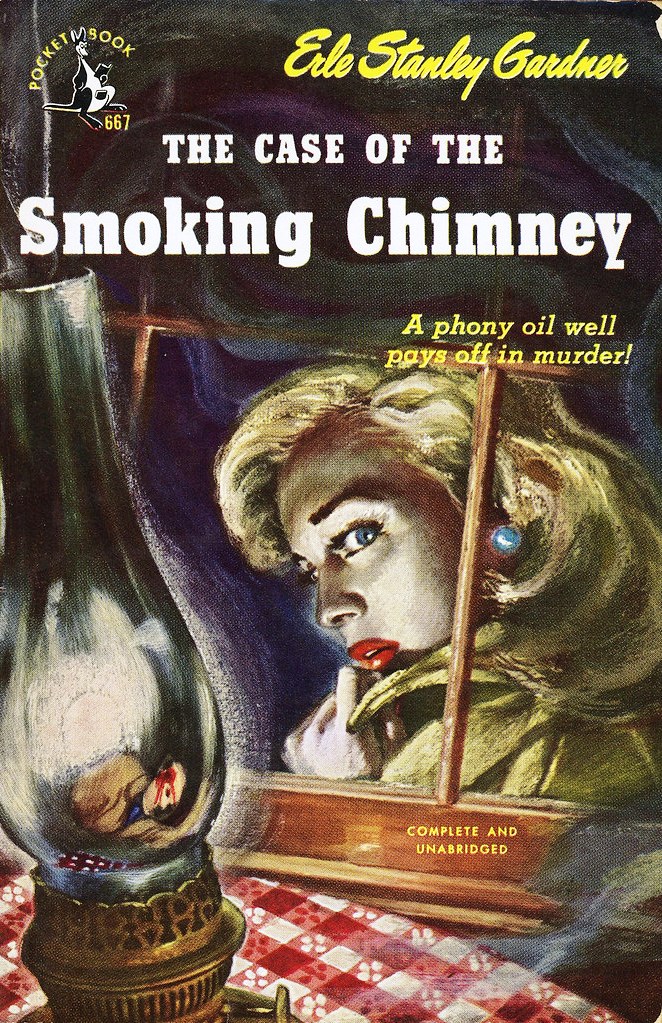
While you’ve hopefully been enjoying the regular reviews on The Invisible Event, I’ve been sweating bullets over the fact that I hit a seeming unpassable patch of reader’s block and haven’t read anything for nearly a month. Then Brad suggested that some Erle Stanley Gardner might help me out as it has done recently for him and, well, here we are. Mistakenly believing The Case of the Smoking Chimney (1943) to be the first of Gardner’s two novels featuring the disreputable Gramps Wiggins I picked it up and spent a very happy day in its pages, and while it reaffirmed much of what I like about Gardner’s writing the book also bears many of the man’s flaws.
#1130: The Red Widow Murders (1935) by John Dickson Carr [a.p.a. by Carter Dickson]

![]()
![]()
![]()
![]()
![]()
I’ve written previously about The Red Widow Murders (1935) — John Dickson Carr’s first take on the Room That Kills, originally published under his Carter Dickson nom de plume — but this American Mystery Classics reissue is a chance to look at the book more broadly and attach a star value to it. This third reading reinforced my impression that it’s perhaps too busy a book, redolent with the enthusiasm the youthful Carr brought to his early efforts when his eagerness outweighed his skill with juggling plot, but reading it three times also give me a good perspective on its many successes, not least of which is just how busy Carr manages to make it.
#1127: Suddenly at His Residence, a.k.a. The Crooked Wreath (1946) by Christianna Brand

![]()
![]()
![]()
![]()
![]()
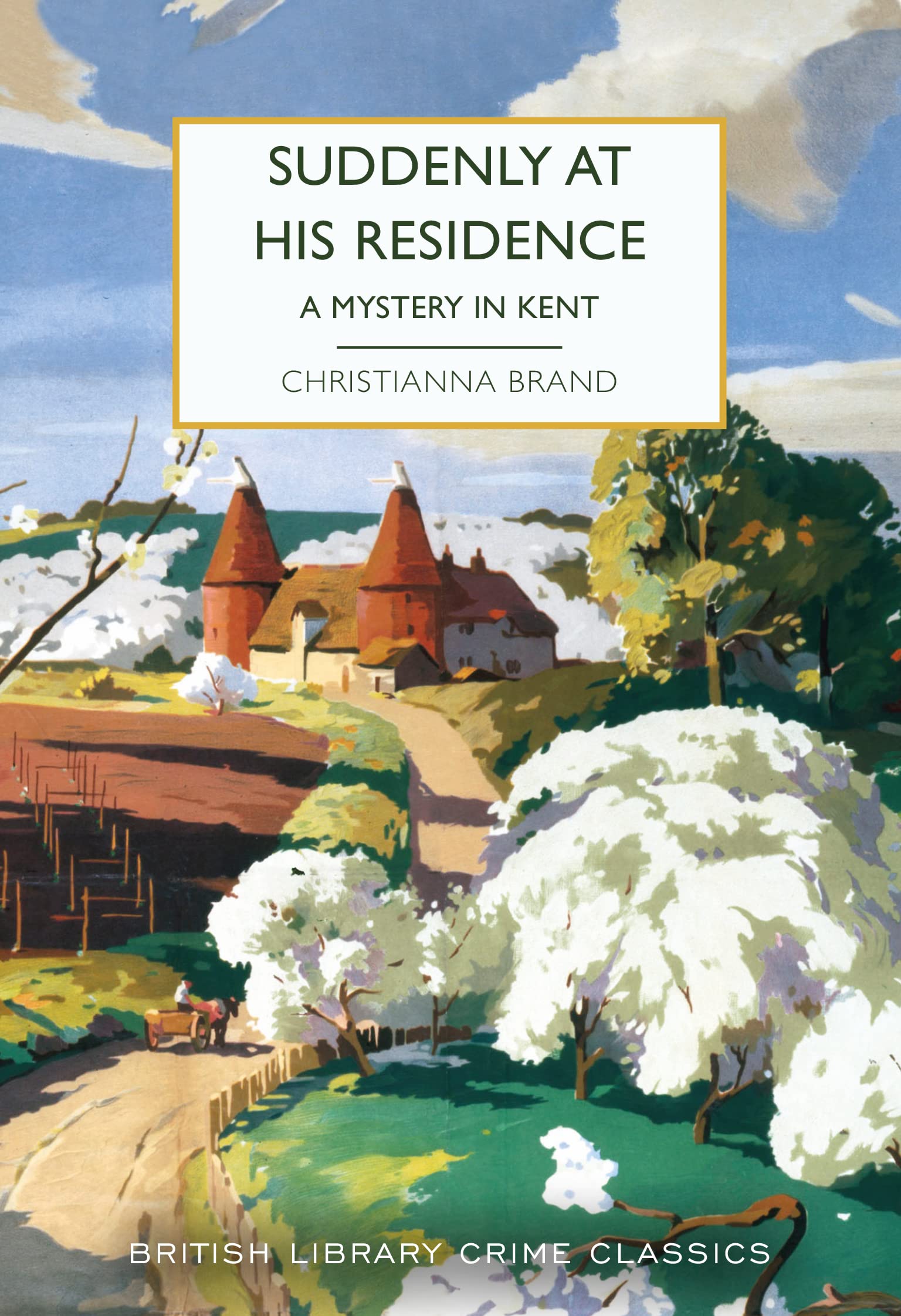
Good heavens, after this second reading of Christianna Brand’s Suddenly at His Residence, a.k.a. The Crooked Wreath (1946) do I have plenty of Thoughts. Indeed, I have so many Thoughts that I’m deliberately writing about it on a Thursday so that my self-imposed 1,000 word limit stops me going on for about four times that length, to the enjoyment of no-one. So: Sir Richard March, tiring of the attitudes of his grandchildren, threatens to rewrite his will, retires to the lodge in the grounds of Swanswater Manor for this express purpose…and is discovered dead the following morning. Having been visited by various people throughout the previous evening, who actually poisoned him?
#1124: Bats Fly at Dusk (1942) by A.A. Fair

![]()
![]()
![]()
![]()
![]()
With considerations of the era taking Donald Lam out of the Cool and Lam Detective Agency, Bertha Cool is left to fend for herself when a blind man wishes to hire her services in tracking down a young woman who, he claims, has disappeared. It’s an unusual jumping-off point in itself, but the real delight here is how intelligently Erle Stanley Gardner, writing under his A.A. Fair nom de plume, explores and explains the way the blind man is able to identify so many different people — and how intelligently he is able to come to conclusions about the woman whose wellbeing is his concern. And then others start to express an interest in the same woman; and then someone is murdered…
#1122: “I think an ambulance might be a bit optimistic.” – Death Goes by Bus in Murder on the Blackpool Express (2017) [Scr. Jason Cook; Dir. Simon Delaney]
In much the same way that movies like Murder on the Orient Express (1974/2017) draw in audiences with their roster of famous names, this humorous take on the murder mystery first captured my attention on account of the sheer wealth of British comedic talent it had attracted. But, like, is it any good?
Continue reading