I can’t claim to’ve watched swathes of the TV series Monk — starring the wonderfully talented Tony Shalhoub as the eponymous consultant to the San Francisco Police Department — but I always enjoyed its creativity when I did catch it (an episode in which a musical birthday card contributes to the solving of a crime stands out in my memory).
Something a little different today: ahead of the UK publication of his superb biography of forgotten Australian authors, Ryan O’Neill has kindly agreed to share some information about one of the authors featured therein — the neglected detective fiction great Dame Claudia Gunn…
If you’ve been paying attention, especially to my comments left both here and elsewhere, you’ll be aware that my typing is rather famously variable. 90% of the time I’m good, but that other 10% — man, some errors there are. Writing something recently, I made reference to the novel Five Little Pugs by Agatha Christie and then — catching myself in time to correct it — I had a thought…
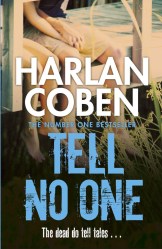
I’ll warn you now: even for me, this is niche. Following a reorganisation of books at Invisible Event Towers I stumbled across my copy Harlan Coben’s Tell No One (2001), which I read while at university, and got thinking about it in light of my more recent adoption of GAD an impossible crimes. And the above question struck me, but discussing it will require you, dear reader, to have done some rather specific reading…
In light of my recent favourable experience with Ellery Queen’s The Chinese Orange Mystery (1934), my thoughts turn to the benefits and pitfalls of reading GAD authors’ novels in chronological order. The old joke is that they had to write them in that order, but is there any real benefit or detriment in reading them so arrayed?
Discussing a book we’ve both read in preparation for another episode of The Men Who Explain Miracles, Dan made reference to some key event in the narrative that I simply did not remember…and this got me thinking: how much of a novel do you have to recall in order to be able to have an opinion on it? And in a plot-heavy undertaking like GAD, should you be expected to remember more, or less?
The end is nigh! So here’s a breakdown for those curious about various aspects of my reading from these last 12 months. No, there aren’t many of you. This is a niche blog, I’ll admit.
You are no doubt aware that in recent years the month of November has been co-opted into a fundraising event known as Movember, in which men grow facial hair to raise money for a variety of causes, including mental health charities. For reasons that will be made plain if you click to read more, this is something I’d like to discuss today; if that doesn’t sound like your kind of thing, feel free to pass this post over and I’ll see you on Tuesday for more of the usual.
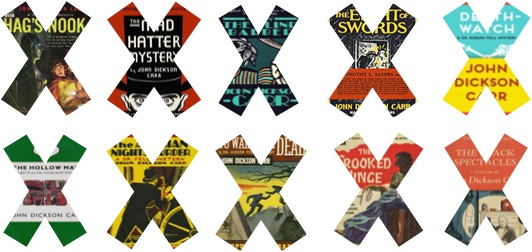
Having recently read The Arabian Nights Murder (1936) by John Dickson Carr, the time seems ripe to rank the first ten of Carr’s novels featuring the gargantuan Dr. Gideon Fell. Why the first 10? Well, we’re a decimal-obsessed society, and I’ve not read the eleventh, so this seems a natural jumping-off point. It’s not technically a top ten, right? It’s a little more interesting than that…right?
The second trailer for Kenneth Branagh’s Murder on the Orient Express was released a few days ago. People are probably furious or something. Me, I’ve already said everythingI intend to about the movie until I actually see it and shall not be discussing it here beyond a few brief mentions, but it got me thinking some about character and plot and so this is a sort of Part Three to follow up on parts One and Two on this topic before.





 The Invisible Event