Blog fun

#241: Fair-Play Detective Fiction 101 – The Results!
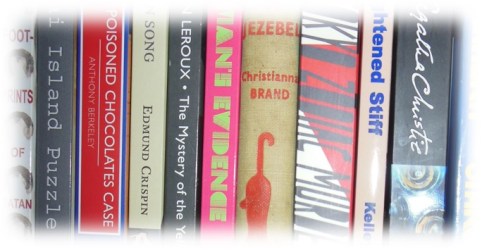
You suggested the titles, you voted, and now here we are: these are the top ten novels demonstrating fair-play in detective fiction as selected by nearly 500 votes on 40 titles. Except there are twelve of them, because we had a few ties. So, alphabetically by author we have…
Continue reading
#238: Fair-Play Detective Fiction 101 – The Vote!
The titles have been declared, now we simply have to pick a top ten of detective fiction novels that display fair-play and the declaration of clues at its best.
Continue reading
#235: Fair-Play Detective Fiction 101 – What Are the Essential Texts?

Of late, I have done a moderate amount of pontificating here on The Invisible Event about topics related to fair-play detective fiction: first talking about rules, and then trying to explain how I see the idea of disclosure. Partly this was because it’s the sort of thing I’m happy to do for fun — hello, I’m a nerd — but, in truth, there was a larger intention behind it providing no-one could see any massive flaws in my thinking.
Continue reading
#230: Detective Fiction is a Joke…
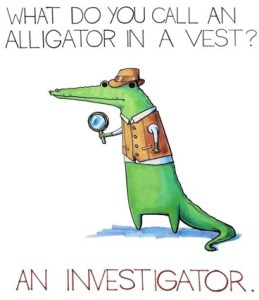
Bear with me here, I want to tell you one of my all-time favourite jokes; remain calm, it is not rude (I’m too much the gentleman for that):
Continue reading
#229: Carr vs. Christie…the Follow-Up
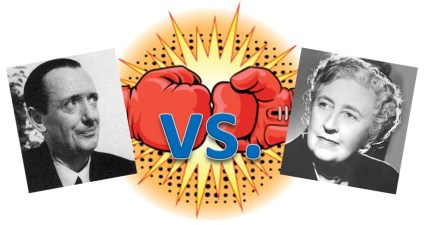
Last week we discussed the merits of what all y’all voted the two finest books by John Dickson Carr and Agatha Christie in full spoiler style. This week, Brad — who magnanimously locked horns with me — is hosting a follow-up where we air yet more of our favourite napery regarding these two and…well, go to his site and check it out…
Come back here next week for another follow-up where we’ll be…nah, I’m kidding. We’re not going to flog this horse any more.
Are we, Brad?
#224: Coming Soon – Death on the Nile (1937) vs. He Who Whispers (1946): Some (Optional) Pre-Reading…


 The Invisible Event