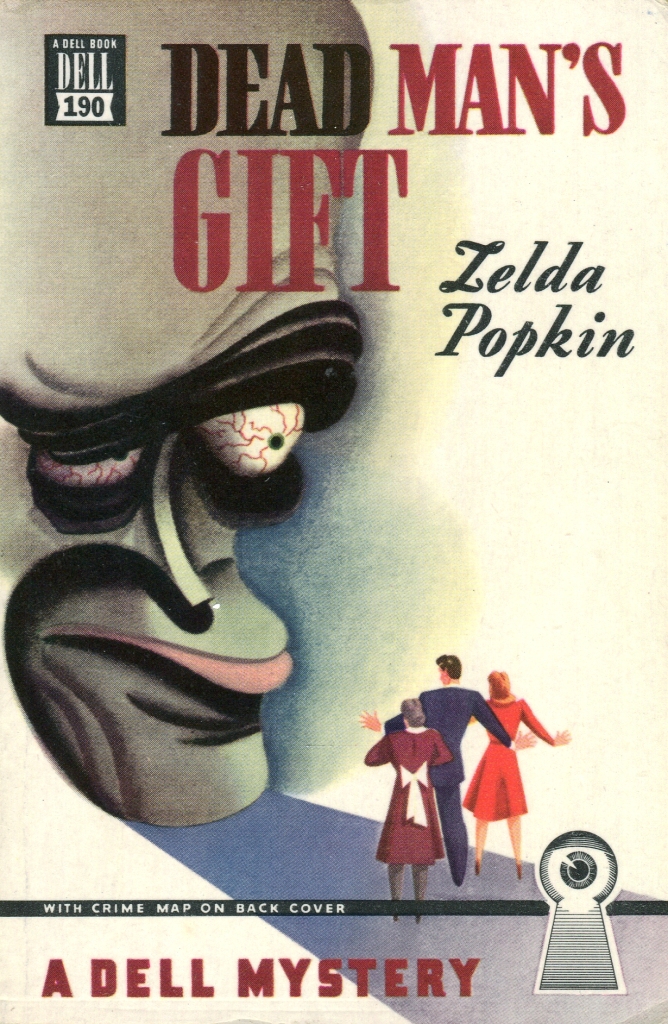
#827: Dead Man’s Gift (1941) by Zelda Popkin

Dead Man's Gift

star filledstar filledstarsstarsstars
Elderly mining magnate Michael Carmichael has died, leaving behind one of the great Terrible Wills of Fiction in which money is bequeathed to various relatives in reparation for indignities endured on his behalf or at his hands. But the heirs so-named, gathered in Carmichael’s home as directed in his will, not only deny these claims but also can’t seem to agree on who the man was to each of them — uncle, great-uncle, maybe a cousin of some hue or stripe — and investigator Mary Carner, brought along by pulchitrudinous shopgirl Veronica Carmichael, suspects that something fishy is going on. And then rising flood waters force everyone to stay the night. Cue chaos.
Continue reading

#825: Agatha Christie’s England (2021) by Caroline Crampton [ill. Ryan Bosse]

A few weeks ago, when Shedunnit‘s Caroline Crampton and I discussed Watsons in fiction, she mentioned Agatha Christie’s England (2021), a project she had worked on for Herb Lester Associates mapping the locations of Agatha Christie’s UK-set mysteries. And then the lovely people at Herb Lester got in touch to ask if I’d like a copy, and here we are.

Continue reading

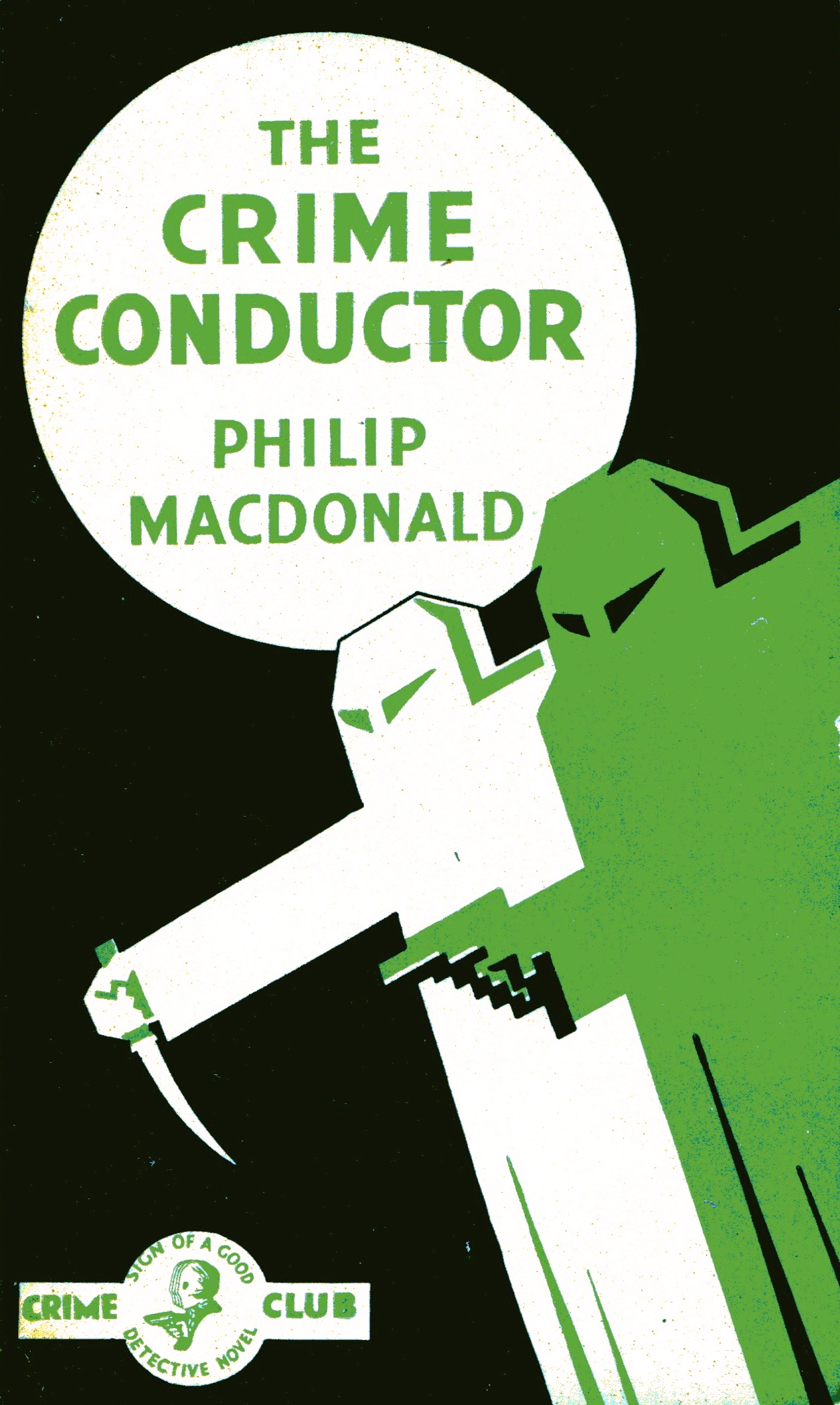
#824: The Crime Conductor (1932) by Philip MacDonald

Crime Conductor

star filledstar filledstarsstarsstars
“In all the cases I’ve been mixed up in,” muses Colonel Anthony Gethryn early on in The Crime Conductor (1932), “I can only remember two which I was pulled into from the outside. All the others I seemed to fall into”. Cue a knock at the door from a constable because the celebrated theatrical impressario Willington Sigsbee has been found drowned in his bathtub over the road, and Gethryn falls into yet another murder investigation. Locked bathroom door notwithstanding, Gethryn is suspicious partly on account of “why a bath was wanted at all” in the middle of the “slightly orgiastic party” Sigsbee was hosting, and so the household comes under suspicion. Cue The Yard…

Continue reading

#821: The Appeal (2021) by Janice Hallett

appeal

star filledstar filledstar filledstar filledstars
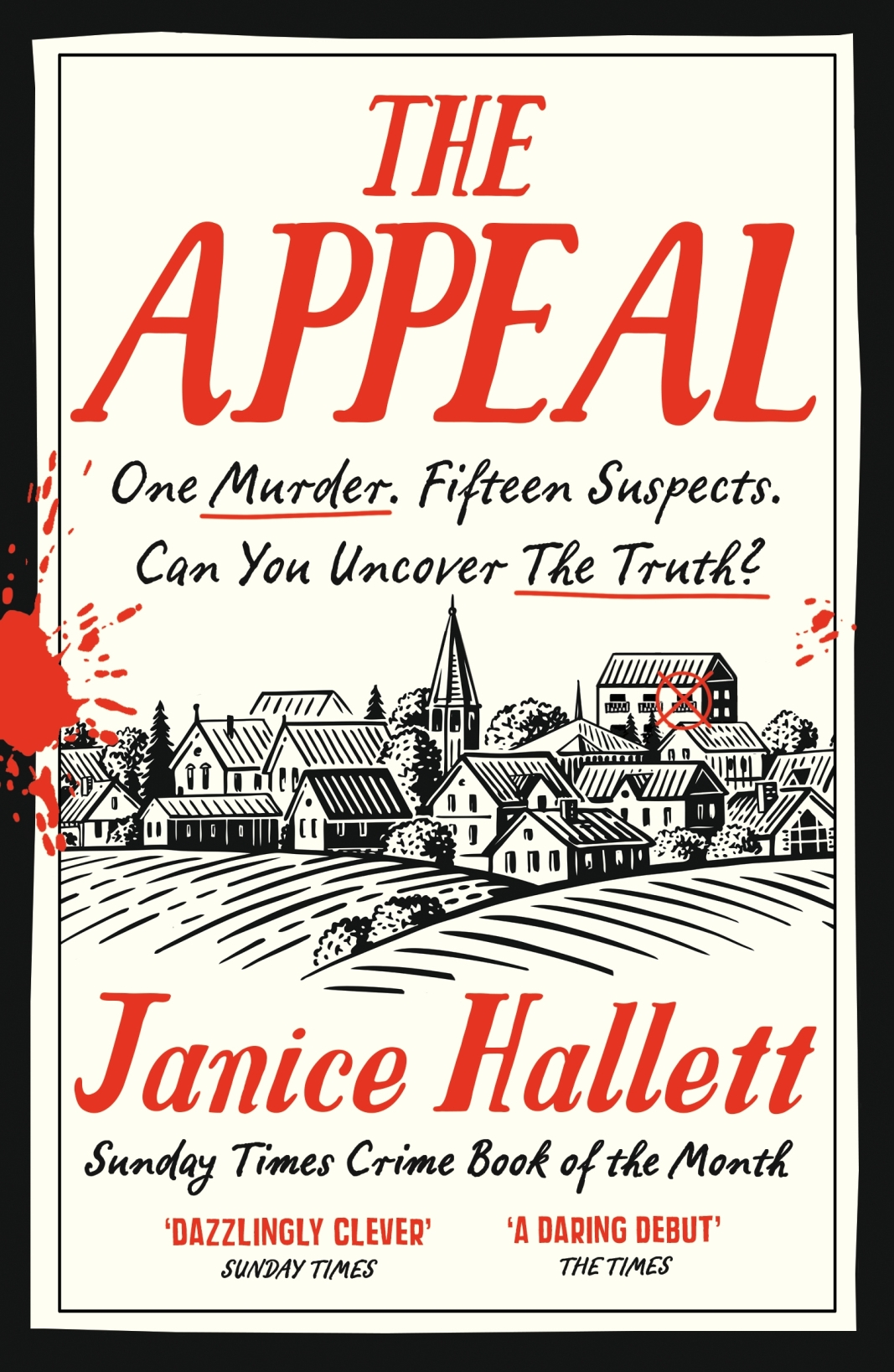
Do not adjust your sets, The Appeal (2021) by Janice Hallett is a modern crime novel that does not contain an apparent impossibility…and yet here I am reading and reviewing it.  I was struck by the idea behind this: essentially an update of The Documents in the Case (1930) by Dorothy L. Sayers and Robert Eustace, The Maze, a.k.a. Persons Unknown (1932) by Philip MacDonald, and the Dennis Wheatley “murder dossier” books that began with Murder Off Miami (1936), in which the story of a murder is told through emails, text messages, interview transcripts, and more. And as updates go, this is a very good one indeed — very cleverly written, very easy to read.

Continue reading

#820: Minor Felonies – The Goldfish Boy (2017) by Lisa Thompson

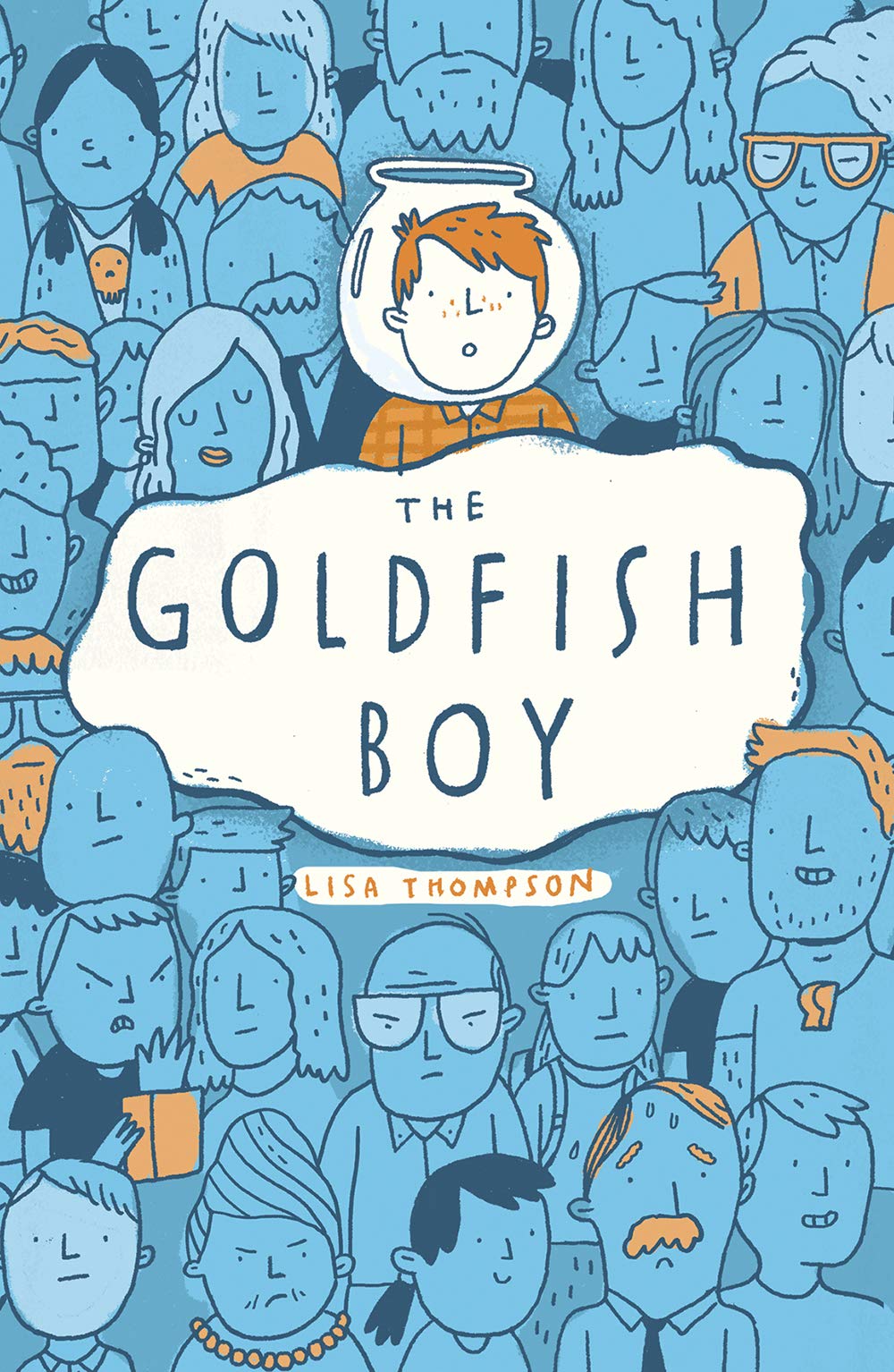
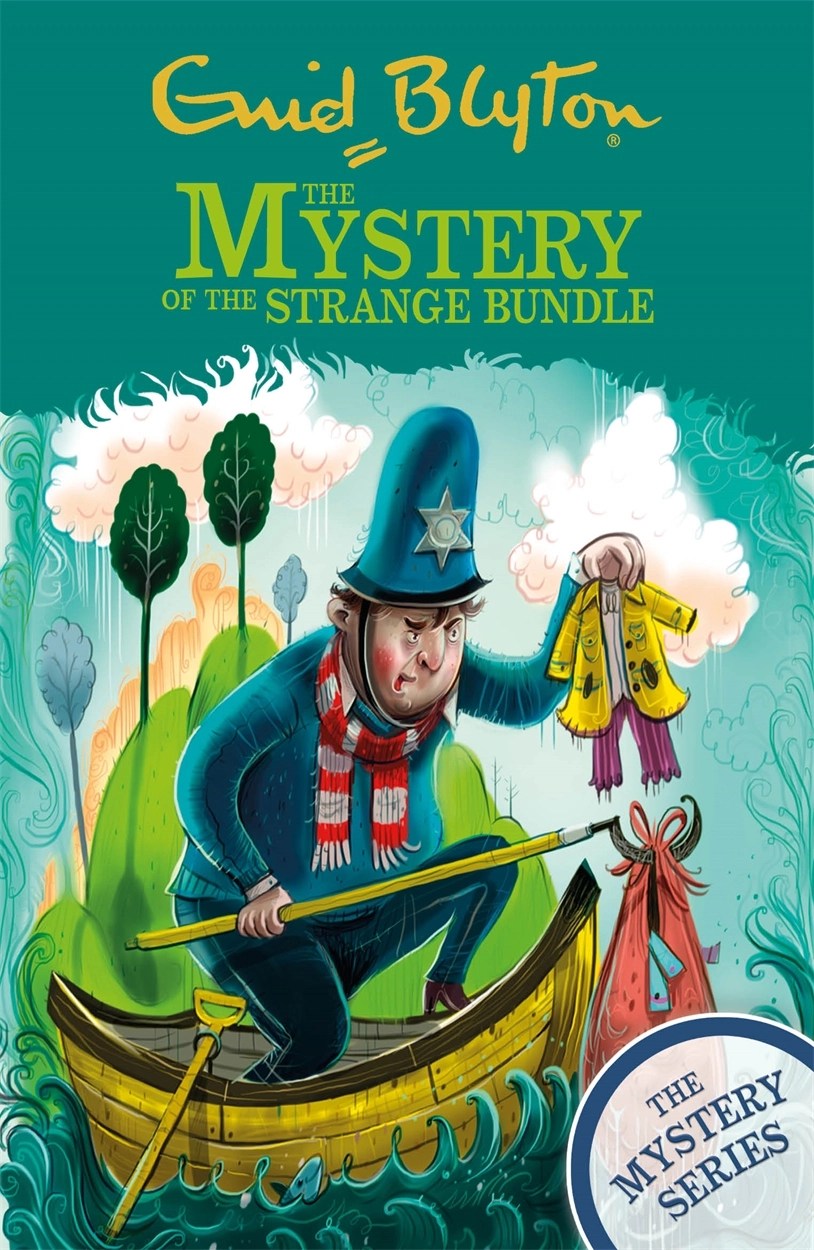
After a couple of attempts reading mysteries for older younger readers a few months ago, I think I’m happy that my niche is to be found in stories probably aimed at 12 year-olds — older than that, hormones get involved and there’s as much time spent swooning over someone as there is trying to solve all the, y’know, murders happening at their elite private school.

Continue reading

#819: A Little Help for My Friends – Finding a Modern Locked Room Mystery for TomCat Attempt #17: The Knight’s Tale (2021) by M.J. Trow

The last time I checked out a modern impossible crime novel on the increasingly-tenuous pretence that this is being done exclusively for the beneft of TomCat, I took a swing at something that turned out to (maybe?) contain no impossibility at all. Thankfully that won’t happen again. Right?

Continue reading

#818: Waltz into Darkness (1947) by Cornell Woolrich [a.p.a. by William Irish]

Waltz into Darkness

star filledstar filledstar filledstar filledstar filled
It’s fair to say that, in the course of writing this blog over the last six years, I have become known as something of a plot fiend. Atmosphere is lovely, memorable characters are preferable, social commentary perfectly acceptable, but what drew me to classic-era detective fiction was the possibilities of plot and plenty of it. On that front, Waltz into Darkness (1947), Cornell Woolrich’s 1880s-set epic of catfishing, revenge, and much more besides should leave me cold — heavy on emotion, laden with dread, fond of repetition to hammer home obvious points…everythng that should send me running. And yet, damn, I wish this probably 120,000-word book was twice as long.

Continue reading