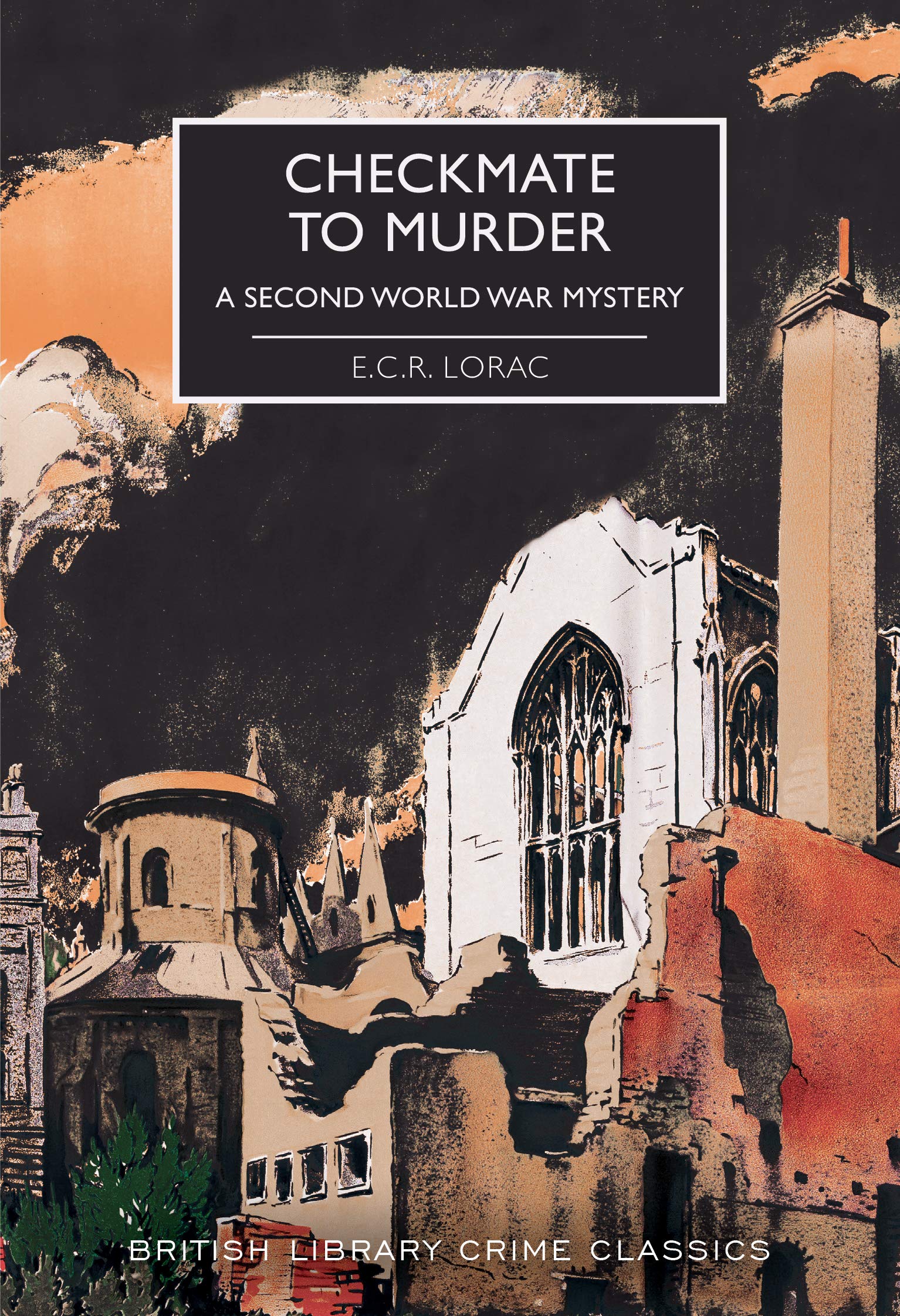
#1076: Checkmate to Murder (1944) by E.C.R. Lorac

Checkmate to Murder

star filledstar filledstar filledstarsstars
In the latter stages of World War 2, artist Bruce Manaton is painting the portrait of a friend dressed in the robes of a cardinal, and his sister Rosanne fretting about the efficacy of the blackout curtains on the studio where they live, when there is a knock at the door. It seems that a special constable has discovered the body of murdered Old Mr. Folliner, the Manatons’ miserly landlord, and apprehended the killer as he was fleeing. Leaving the suspect in the care of the five people in the studio — two chess-playing friends have also dropped by for the evening — the constable summons the police, and before long Chief Inspector Robert Macdonald finds himself with another complex tangle to unfurl.

Continue reading

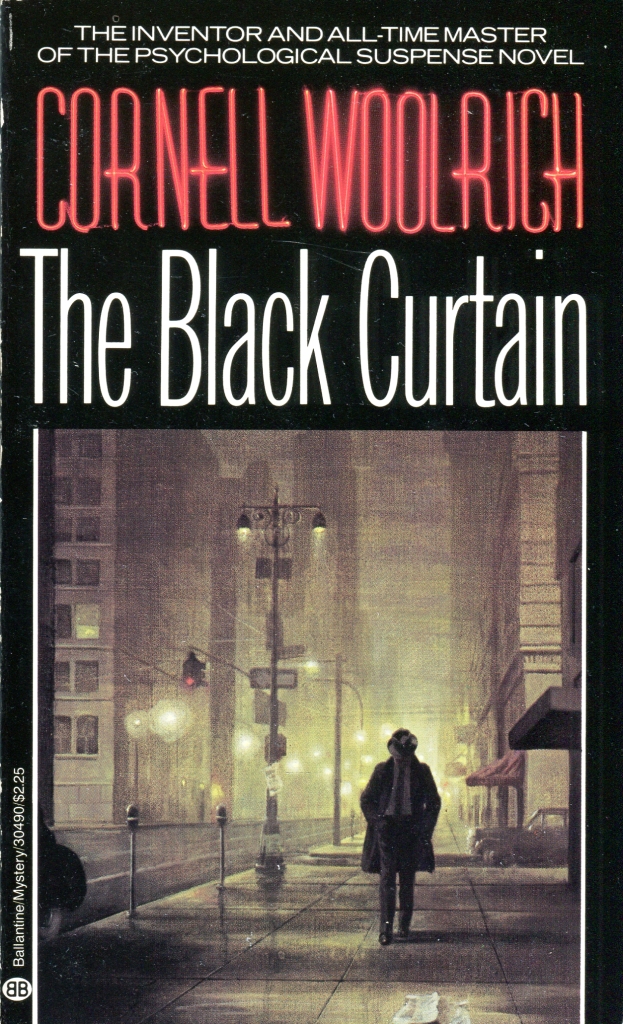
#1073: The Black Curtain (1941) by Cornell Woolrich

Black Curtain

star filledstar filledstar filledstarsstars
I’m starting to develop the belief that the novelistic output of Cornell Woolrich can be broadly summed up in a single word: ‘Loss’. The six novels of his I’ve read so far all concern the desperate search for — and horror associated with — something either already lost or on the verge of being so, be it love, opportunity, or escape.  And The Black Curtain (1941) extends this theme by finding yet another string of loss to add to the great man’s bow in Frank Townsend’s misplacement of perhaps the most crucial of all things: himself. And, this being a work of suspense writing, when he starts to uncover what the eponymous curtain obscures, he’s not necessarily going to be thrilled with what he finds.

Continue reading

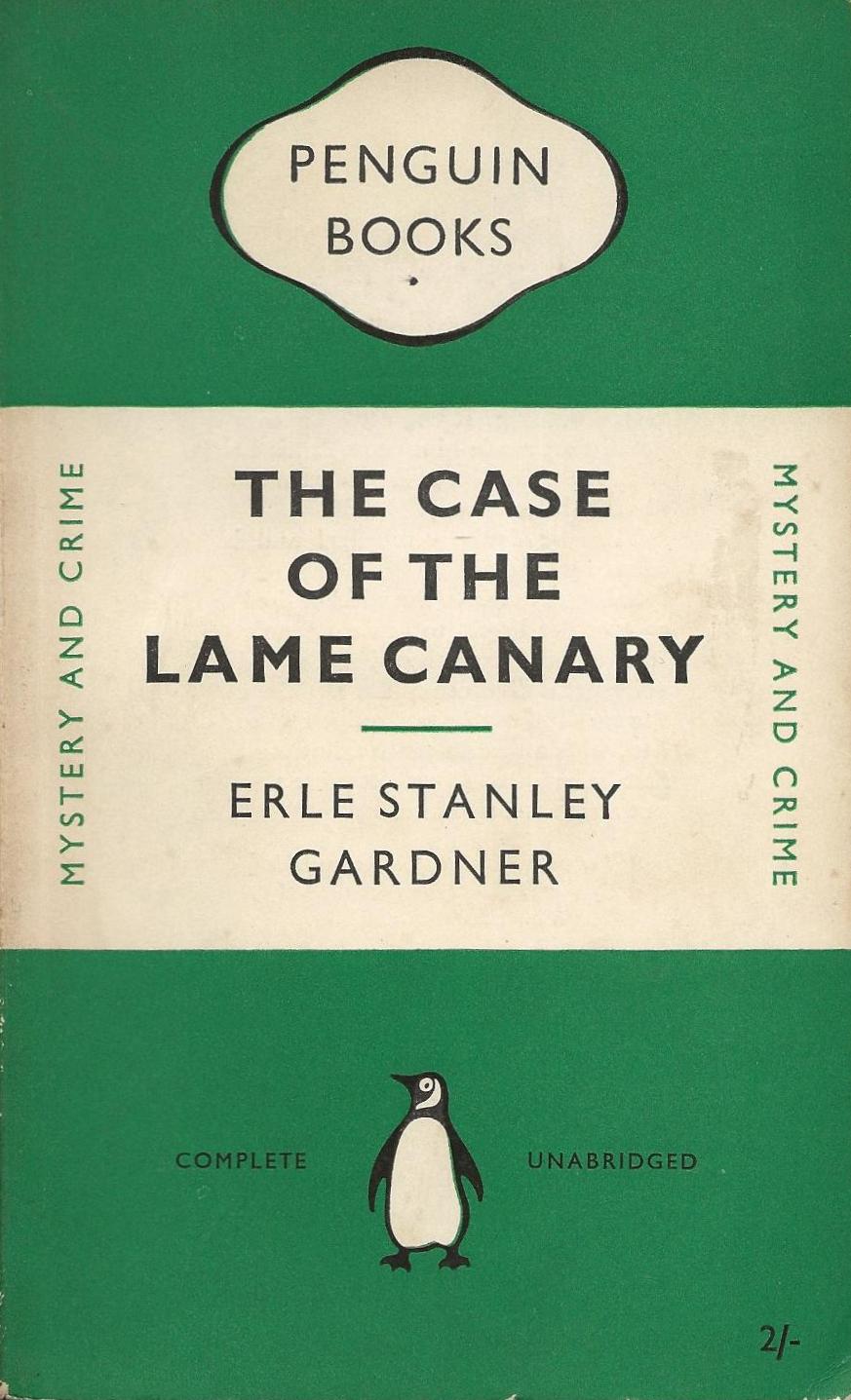
#1071: “Now there’s been a murder, the situation will be different.” – The Case of the Lame Canary (1937) by Erle Stanley Gardner

I might have read as many as half of Erle Stanley Gardner’s 80-some Perry Mason books — it’s difficult to remember, I didn’t used to keep track — and am fond of stating the opinion that eleventh title The Case of the Lame Canary (1937) is perhaps the peak of those I have encountered to date. So let’s revisit it, eh, and see how my memory stands up.

Continue reading

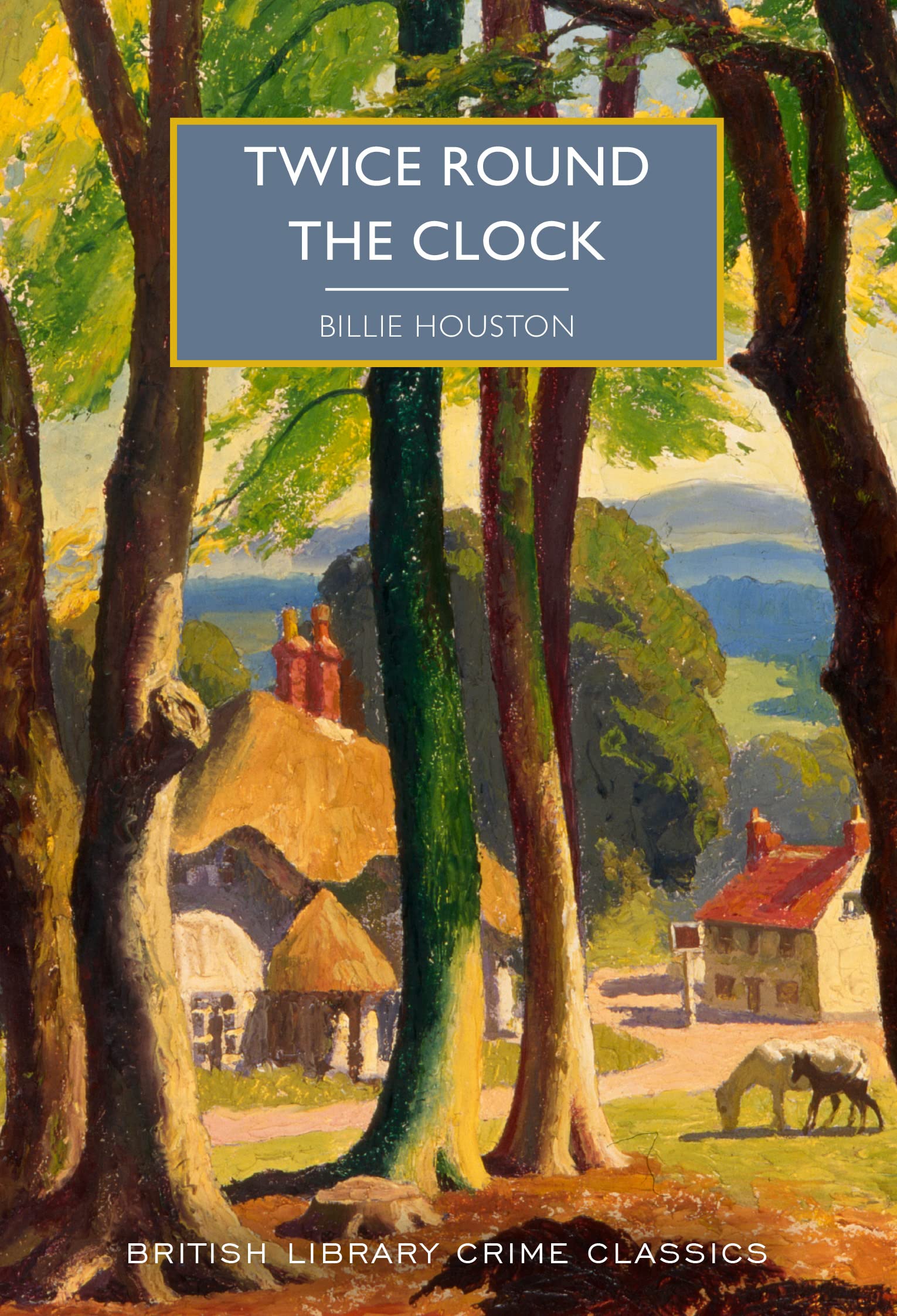
#1070: Twice Round the Clock (1935) by Billie Houston

Twice Round the Clock

star filledstar filledstar filledstar filledstars
The core framing of Billie Houston’s sole crime novel Twice Round the Clock (1935) — a murdered man discovered in the opening scene, before we jump back in time twelve hours and see events that lead up to the murder, then the twelve hours that follow the discovery — is hardly new, but the book is written with a fresh eye, and such clear lines in its character and narrative that it’s difficult not to enjoy. Don’t come for the detection or clues, which are scanty, but those of you who enjoyed Death of Anton (1936) by Alan Melville, another British Library Crime Classic, will find this equally to your liking for its clear setting, distinct characters, and occasionally unusual ideas.

Continue reading

#1068: “I like sometimes to escape from the humdrum of detective investigation…” – The Door with Seven Locks (1926) by Edgar Wallace

A title like The Door with Seven Locks (1926) suggests all manner of locked room excitement, hopefully resulting is some impossible crime shenanigans. So imagine my surprise when this ended up being little more than a straight thriller with some (perhaps not unexpectedly, this is Edgar Wallace after all) weird ideas at its core.

Continue reading

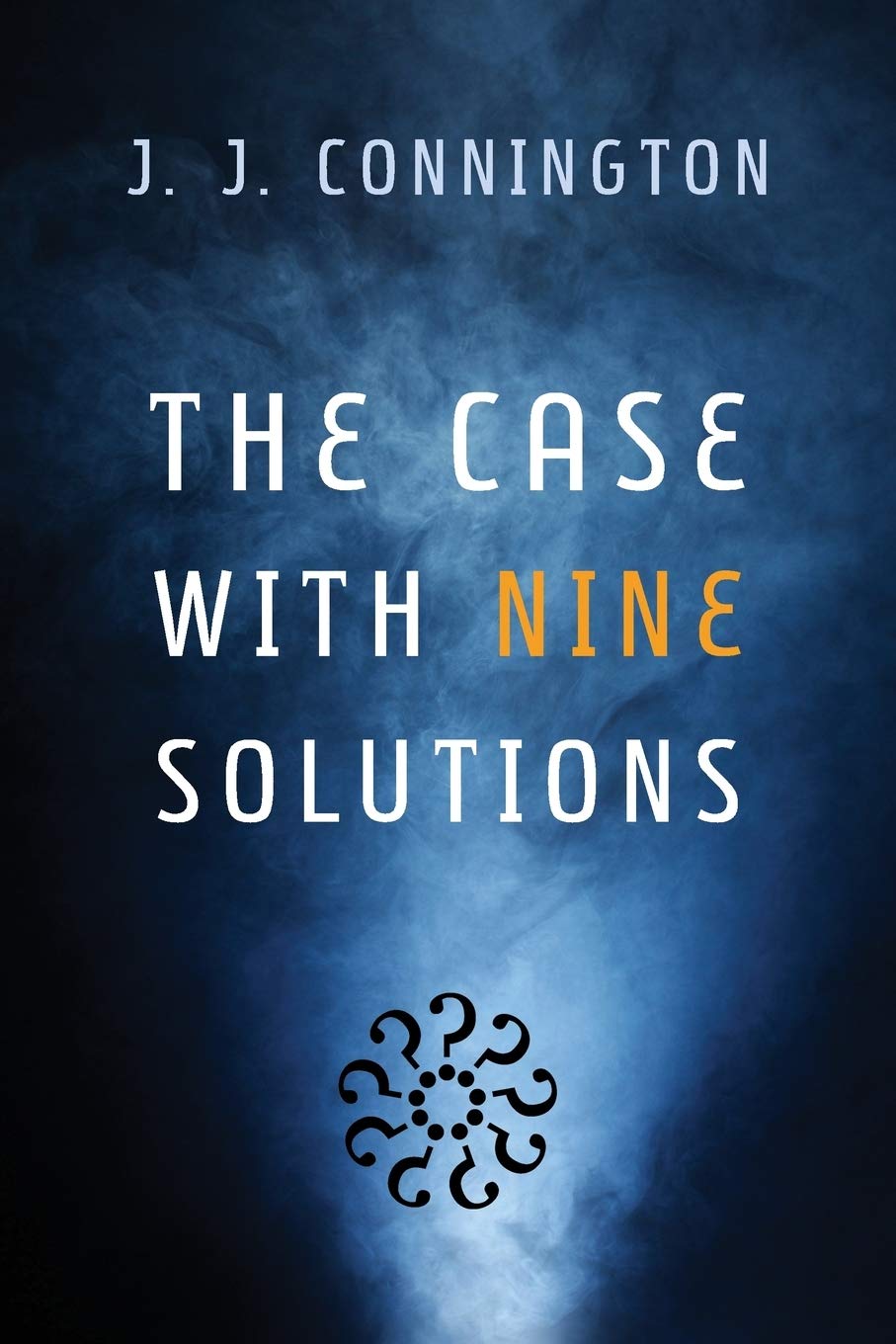
#1067: The Case with Nine Solutions (1928) by J.J. Connington

Case with Nine Solutions

star filledstar filledstar filledstar filledstars
Hard to believe, I know, but I had a life before this blog, and in that life I read The Case with Nine Solutions (1928) by J.J. Connington and was mildly disappointed that those ‘solutions’ were merely permutations on the interpretations put on two deaths and not a Poisoned Chocolates Case-esque reinterpretation of available information to give a nonet of distinct answers to explain away events.  Beyond that, I remembered very little about it and so, now more versed in Connington’s writing, I return — making this the fifth Connington novel I’ve read in the last 12 months, which is probably enough to convince me that I’m now a fan.

Continue reading