#1085: Let X be the Murderer (1947) by Clifford Witting

Let X be the Murderer

star filledstar filledstar filledstar filledstars
The recent Bodies from the Library conference will have brought Clifford Witting to everyone’s mind, so the time seems ripe to look at Let X be the Murderer (1947), the latest Witting title to be reprinted by Galileo Publishers. When Sir Victor Warringham phones the police with a story of luminous, ghostly hands trying to strangle him in the night, Detective Inspector Charlton must contend with the various facets of Warringham’s household trying to prevent him from investigating. When murder is committed in the house, however, the denizens cannot block the investigation, despite a few keeping secrets that they’d rather not have brought to light.

Continue reading

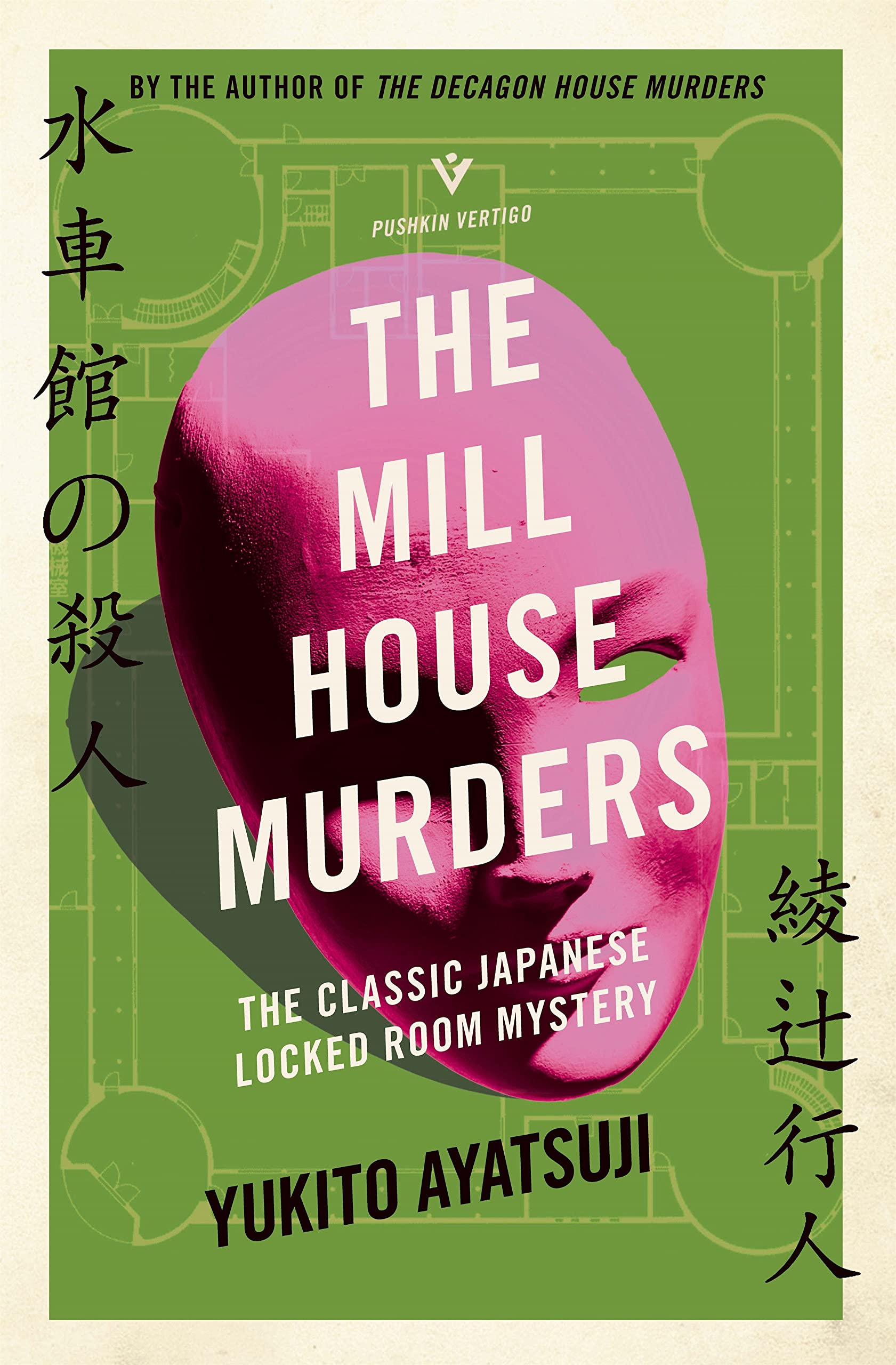
#1082: The Mill House Murders (1988) by Yukito Ayatsuji [trans. Ho-Ling Wong 2023]

Mill House Murders

star filledstar filledstarsstarsstars
The Decagon House Murders (1987, tr. 2015), the excellent first book in Yukito Ayatsuji’s series featuring the bizarre architecture of Nakamura Seiji, was translated into English so long ago that I hadn’t even started blogging at the time. Follow-up The Mill House Murders (1988, tr. 2023) was, then, much anticipated, and, for this reader at least, doesn’t quite merit the wait. While relatively swift, and enjoyably inventive as we’ve come to expect from shin honkaku, there’s a cleverness lacking in a story whose telling is marred by some unusual writing to the extent that I ripped through this without ever really relaxing into it. Like Soji Shimada, Ayatsuji has written a brilliantly clever debut and then suffered from Difficult Second Novel Syndrome.

Continue reading

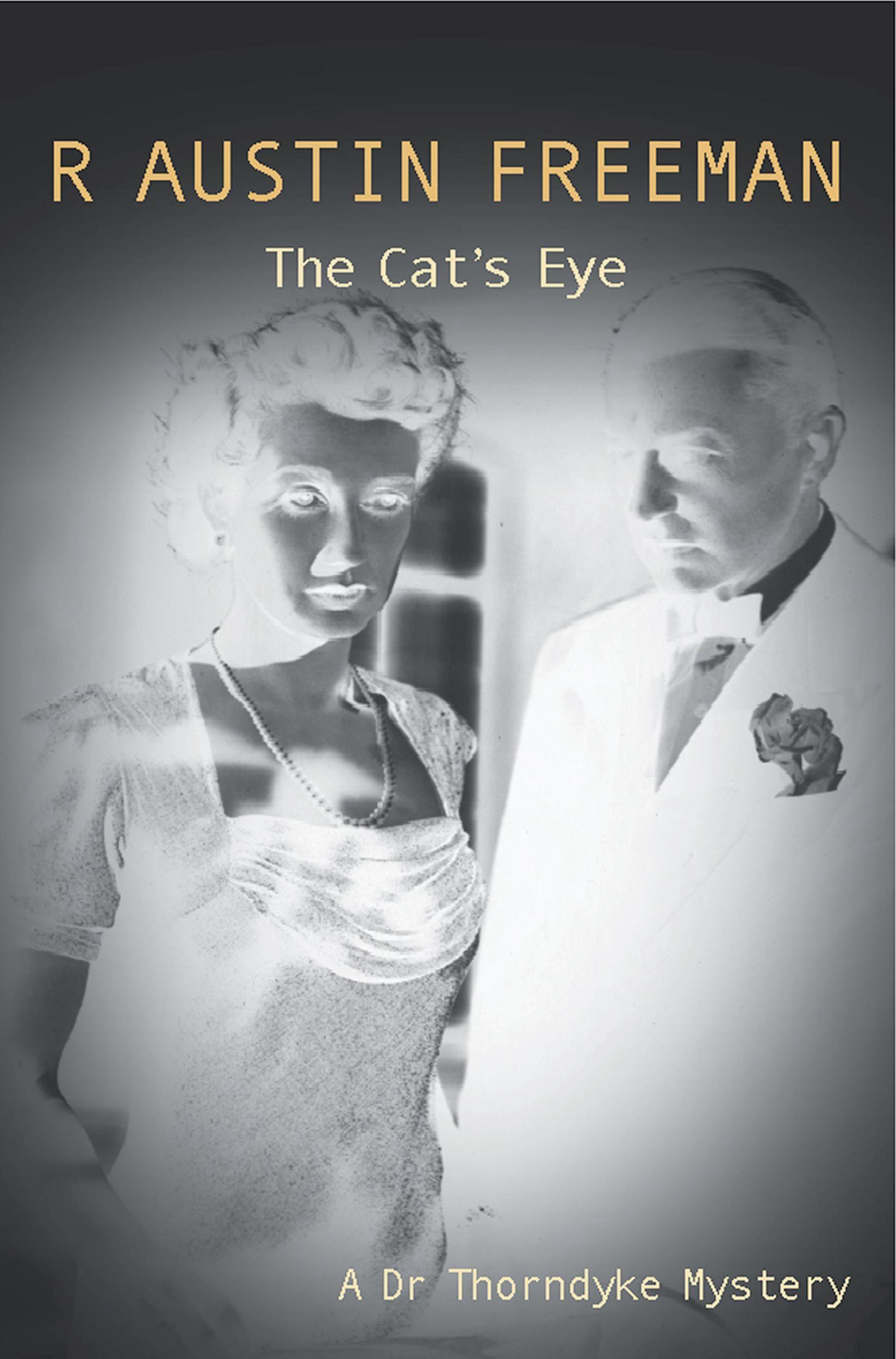
#1079: The Cat’s Eye (1923) by R. Austin Freeman

The Cat's Eye

star filledstar filledstar filledstarsstars
“Follow him!  Don’t let him escape!  He has just committed a dreadful murder!” — thus is Robert Anstey exhorted into chasing after a man he interrupts assaulting a woman on Hampstead Heath. Failing to catch his quarry, Anstey retraces his steps and discovers that Andrew Drayton, collector of knick-knacks, has indeed been shot dead in his home where Winifred Blake, the assaulted woman, had an appointment to meet him that evening. Even more curious, all Drayton’s acquisitions were well-known to be essentially valueless, so why have his gewgaws been ransacked, and what could he possibly have had amongst them that was worth killing for? Enter Dr. John Evelyn Thorndyke.

Continue reading

#1077: “A gleeful disregard for law, and an ungentlemanly pride in his own cleverness.” – The Penguin Book of Gaslight Crime [ss] (2009) ed. Michael Sims

Subtitled Con Artists, Burglars, Rogues, and Scoundrels from the Time of Sherlock Holmes, The Penguin Book of Gaslight Crime [ss] (2009) collects twelve stories originally published between 1896 and 1919 — an era which I find myself increasingly interested in, giving birth as it did to the Golden Age of the 1920s-40s.

Continue reading

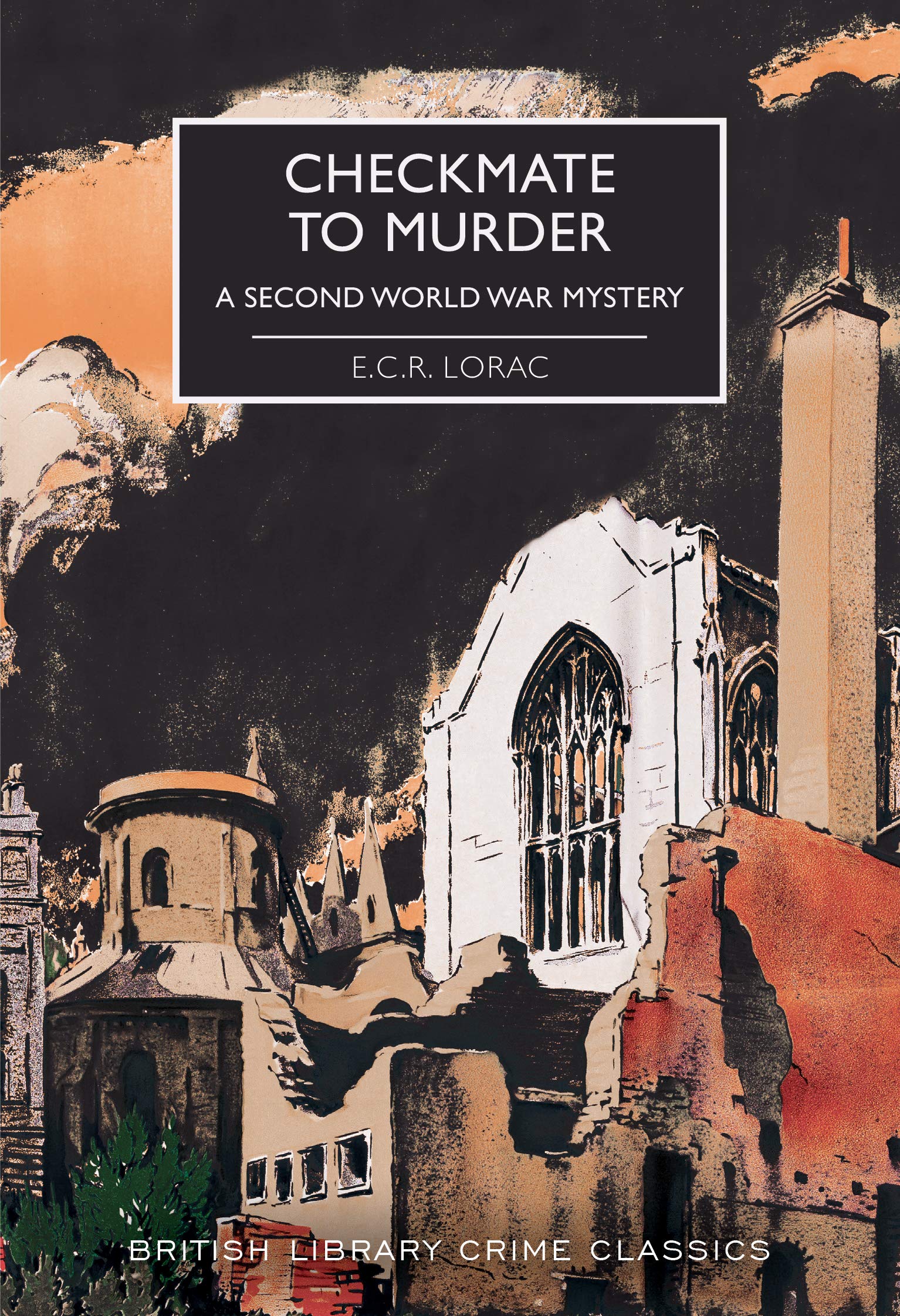
#1076: Checkmate to Murder (1944) by E.C.R. Lorac

Checkmate to Murder

star filledstar filledstar filledstarsstars
In the latter stages of World War 2, artist Bruce Manaton is painting the portrait of a friend dressed in the robes of a cardinal, and his sister Rosanne fretting about the efficacy of the blackout curtains on the studio where they live, when there is a knock at the door. It seems that a special constable has discovered the body of murdered Old Mr. Folliner, the Manatons’ miserly landlord, and apprehended the killer as he was fleeing. Leaving the suspect in the care of the five people in the studio — two chess-playing friends have also dropped by for the evening — the constable summons the police, and before long Chief Inspector Robert Macdonald finds himself with another complex tangle to unfurl.

Continue reading