
Good heavens, I wish Gerald Verner had written 20 books about Simon Gale.
Continue reading
I first read Not to be Taken, a.k.a. A Puzzle in Poison (1938), my debut experience of the work of Anthony Berkeley, after happening across a Black Dagger Crime edition in about 2005. And I bloody hated it. Over the years, however, I’ve come to love Berkeley’s work, so the recent reissue of the title in the British Library Crime Classics range was a (welcome…?) chance to reappraise it.
Continue reading


I’m not entirely sure where Casual Slaughters (1935) by James Quince first came to my attention, but it might have been this list of 150 largely very good detective novels, compiled by Curtis Evans back in 2010. And since Curtis and I recently agreed about The Dead Man’s Knock (1958) by John Dickson Carr, and since Oreon Books recently reprinted Casual Slaughters and I bought a copy while visiting at the excellent Bodies in the Bookshop in Cambridge, well, the time seemed ripe to pull it out of my TBR to see how I fare. And, as if I needed more convincing, Quince’s title is from Hamlet, this blog takes its name from Hamlet…seriously, could the universe be aligning more?
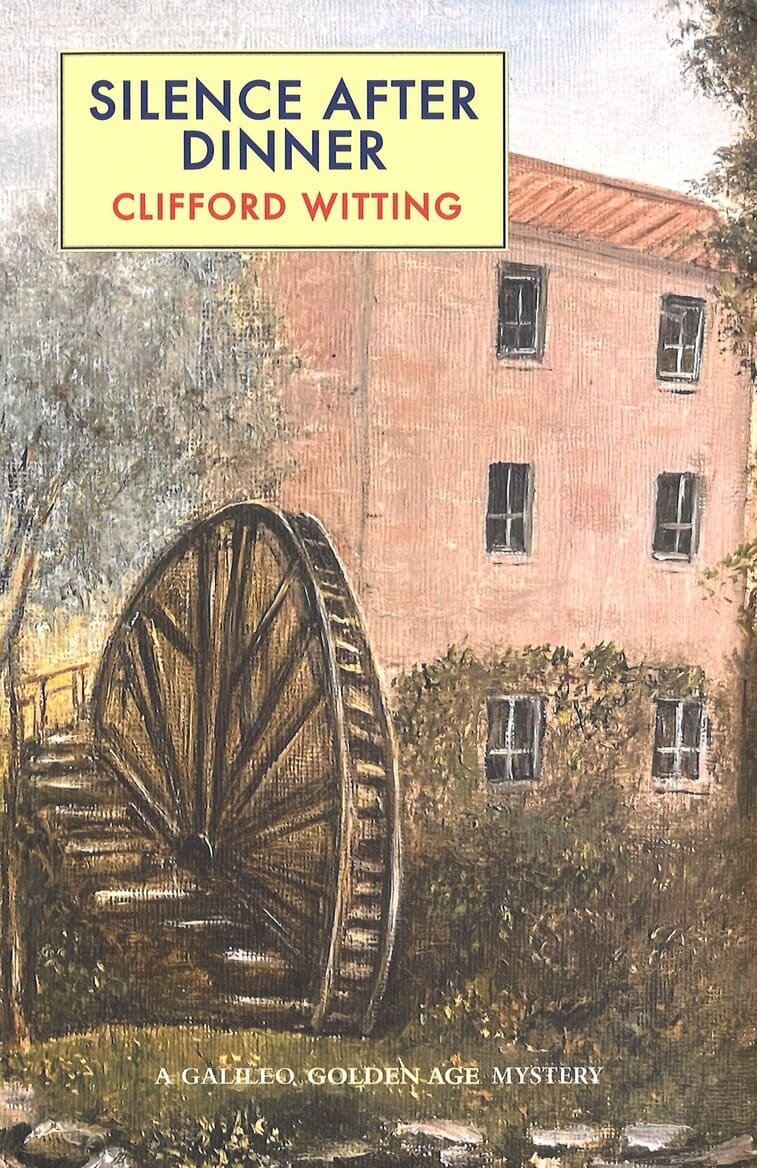
With an intriguing title taken from Oscar Wilde’s The Picture of Dorian Gray (1890) (“Murder is always a mistake. One should never do anything that one cannot talk about after dinner.”), Silence After Dinner (1953) is the eleventh Clifford Witting novel republished by Galileo Publishers. And since they were kind enough to send me a review copy, I can tell you about it fairly close to its release for a change. Opening with a startling, anonymous diary entry set in late-Communist Revolution China, we jump forward four years to the more bucolic South Downs where various people all seem to have spent time in that country and so might be the person responsible for the acts relayed in that opening. So, whodunnit?
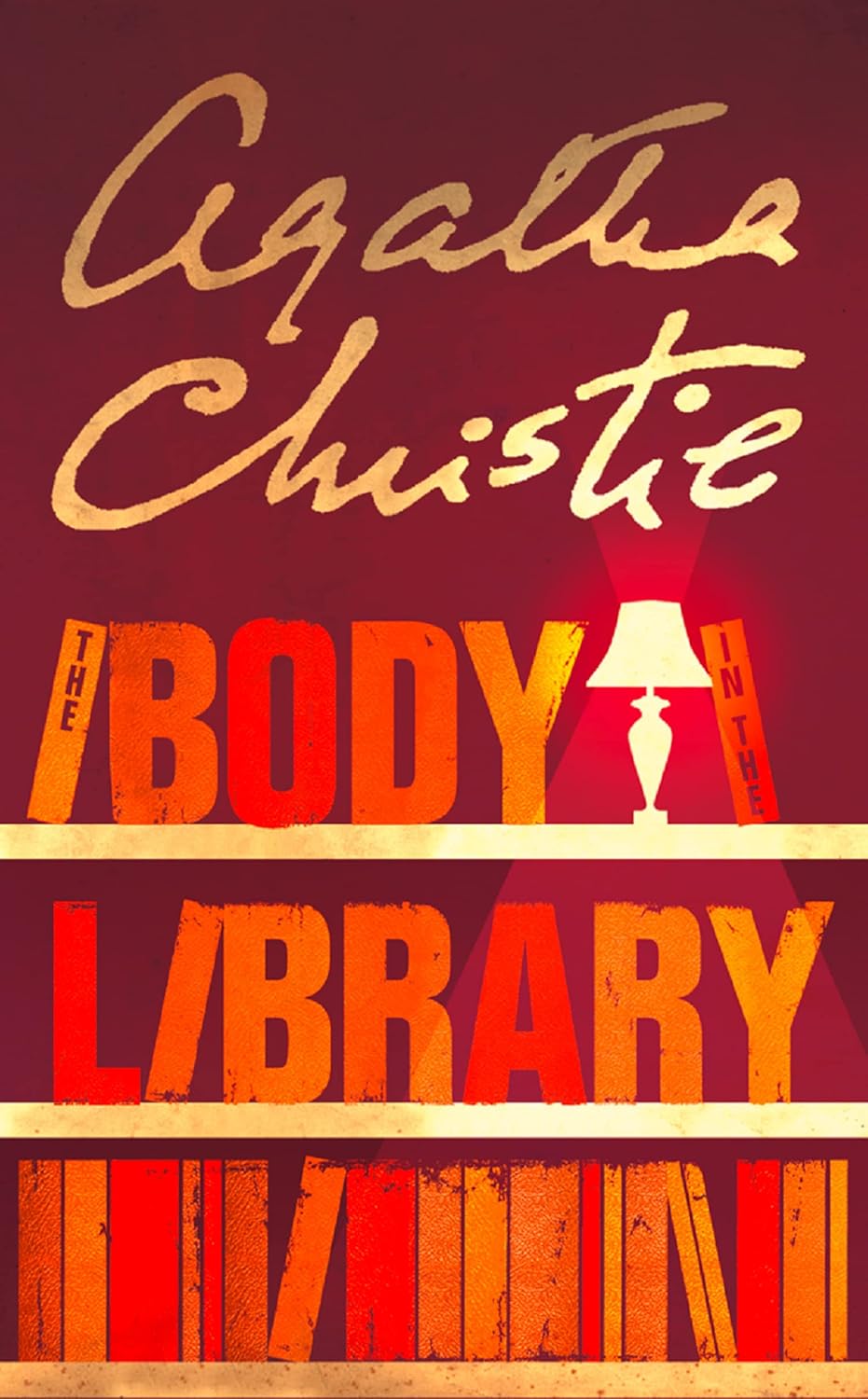
When we talk about examples of the classic novel of detection being treated as a knowing parody of itself, titles oft-mentioned include The Poisoned Chocolates Case (1929) or Jumping Jenny (1933) by Anthony Berkeley. But I’ve just read The Body in the Library (1942) by Agatha Christie for the first time in 25 years, and, like, her tongue is positively bulging through her cheek at times, no?
Continue reading
Last year my book club picked our favourite 1930s mysteries, and earlier this year we moved on a decade and each selected a top 10 for the 1940s. So, well, here’s mine.
Continue reading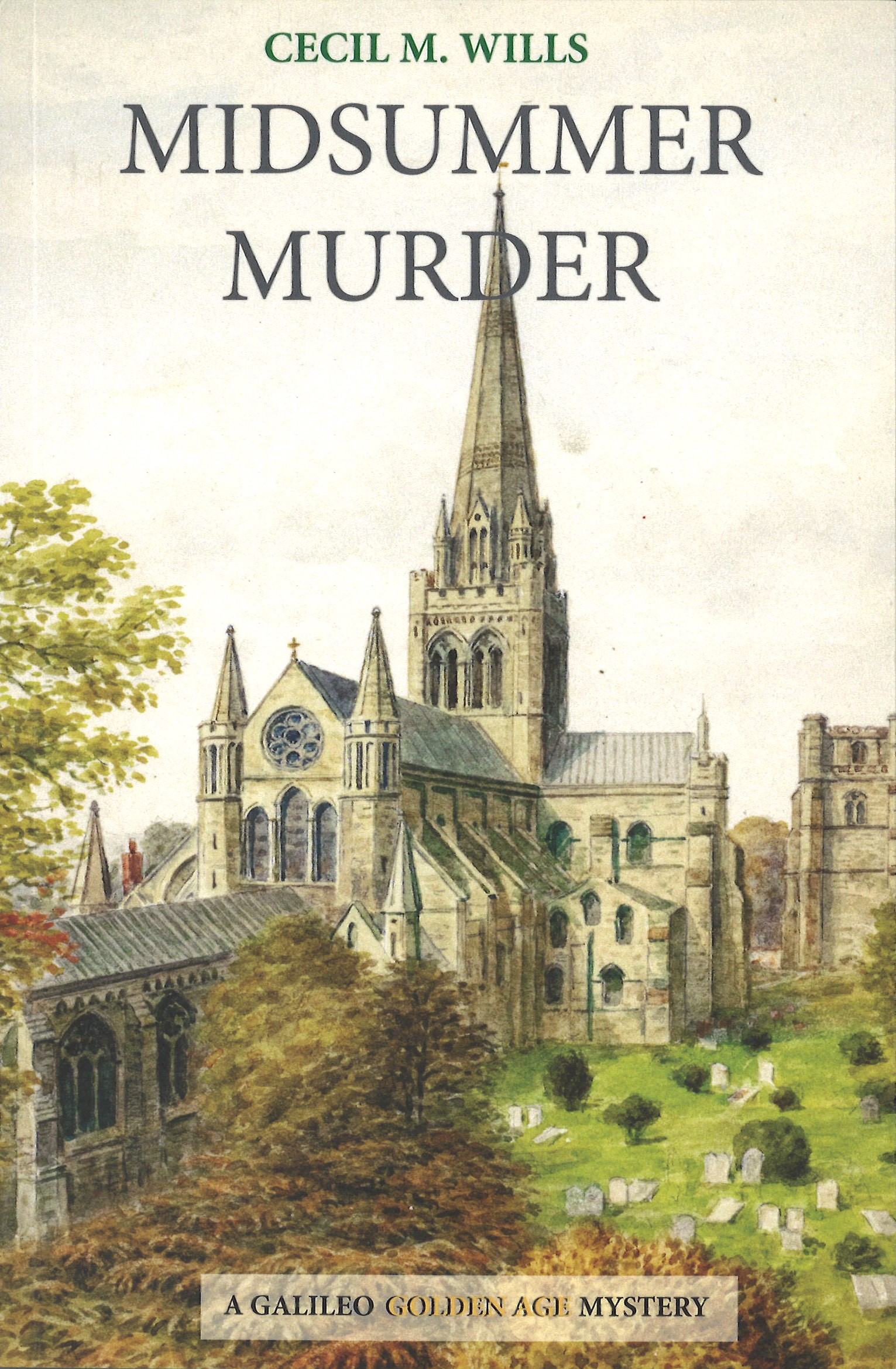
I’d previously read just one book by Cecil M. Wills, the Ramble House edition of Fatal Accident (1936), about which I remember nothing — though the fact that I didn’t review it might be telling. So when Galileo Publishers sent me an advance copy of Midsummer Murder (1956), I was intrigued to see how it stacked up: one (possibly) poor book does not a bad author make, and Galileo have shown some good taste in their unusual selections to date. And, well, I don’t know quite what to make of this, to be honest — Wills writes charmingly, and the enjoyable plot is communicated in easily-digested prose that flies by…but, equally, there’s a massive flaw at the core of this which can’t have passed by everyone else who’s read it…right?
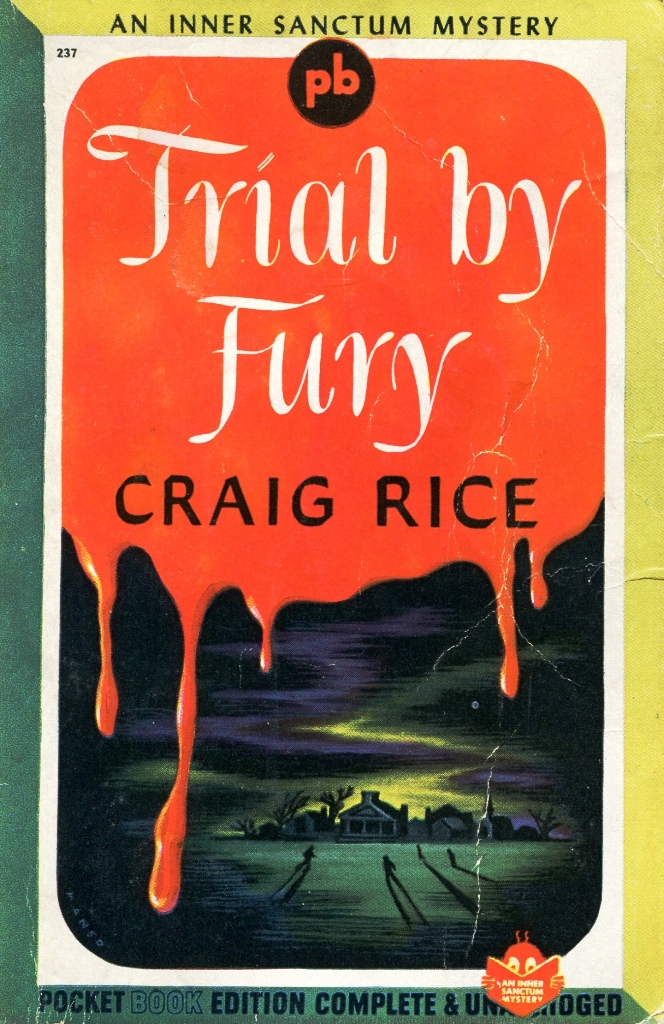
“This is the sort of thing we came to the country to get away from,” Jake Justus laments when, being given a tour of the Jackson County Courthouse in Wisconsin, the dead body of ex-Senator Gerald L. Peveley rolls down an emergency stairwell and lands at his feet. And with the D.A. insisting that “nobody here could have murdered him [because] we all know each other” it’s only a matter of time before Jake finds himself arrested and his wife Helene must enlist the services of Chicago-based lawyer John J. Malone, who has joined the Justuses on four previous murder investigations, to dig them out of trouble…a task that will only get harder as the murders in the town multiply.
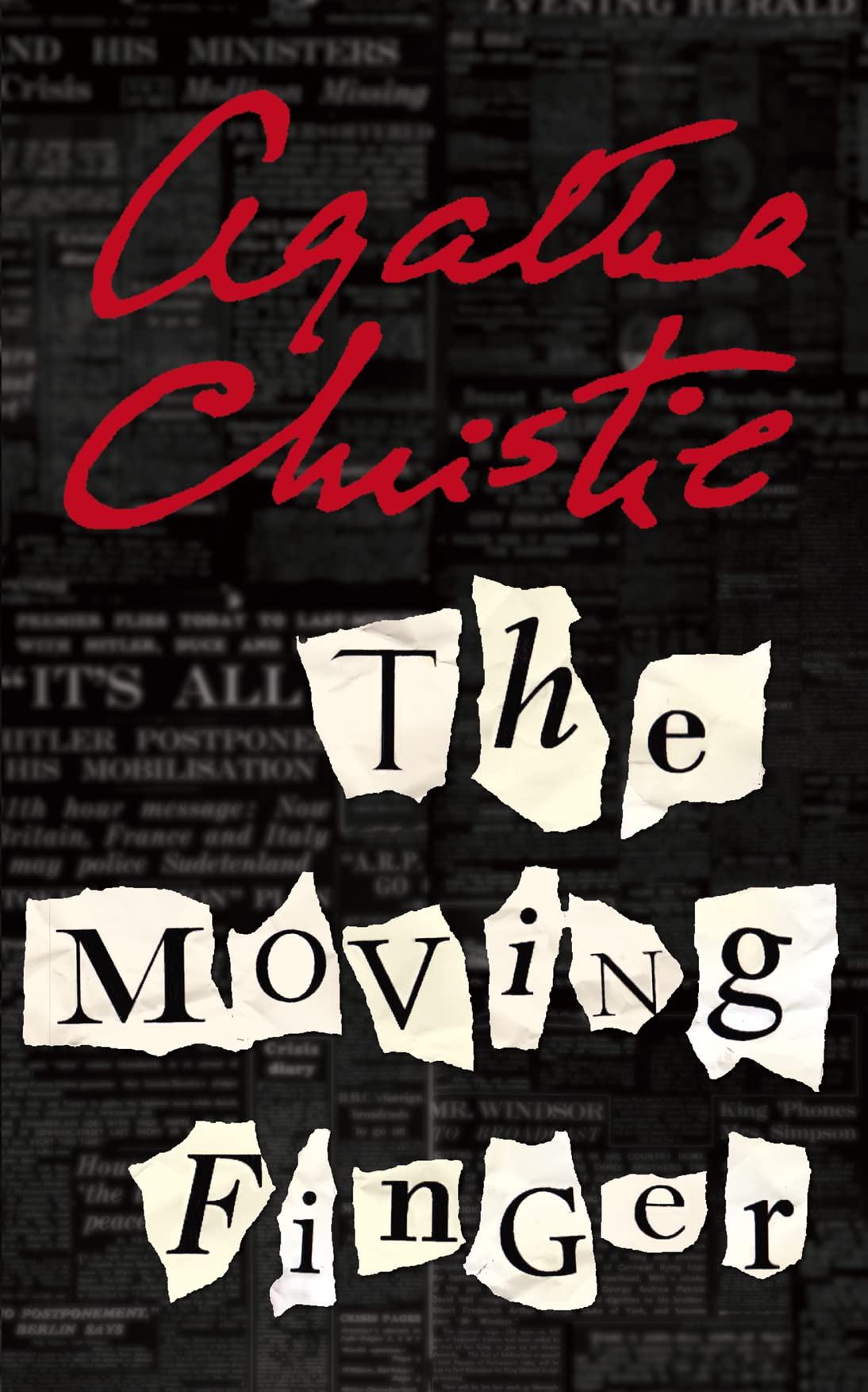
I had intended to review Behind the Crimson Blind (1952) by Carter Dickson this week, but the opening chapters of that puzzled my will and so I’ve taken the coward’s way out and opted to reread what I remembered as a stone-cold classic: village poison pen tale The Moving Finger (1942) by Agatha Christie. My recollection was that this both made the threat of nasty letters actually seem like something to fear and provided a superb reveal of its guilty party through one of the best pieces of negative evidence in the genre…and, in these regards, it stood up. It also fell down in a couple of others, but we’ll get to that. Headline: this is a great example of what the Golden Age did so well, and comes highly recommended.

Man, I’m conflicted on this one. For sheer giddy authorial overlapping of people and events, Villainy at Vespers (1949) by Joan Cockin is an absolute delight, giving us all manner of coming and going in a slightly down-at-heel Cornish village as plenty of people find themselves with plenty to hide in the wake of an unknown man being found naked and apparently ritually slaughtered on the altar of the local church. Cockin, nom de plume of Edith Macintosh, is clearly a woman with a superb wit and a keen eye for detail, but what she really needs is a hard-as-nails editor to bring her events into sharper focus, because there’s a huge amount of charm here but it takes some getting to.
 The Invisible Event