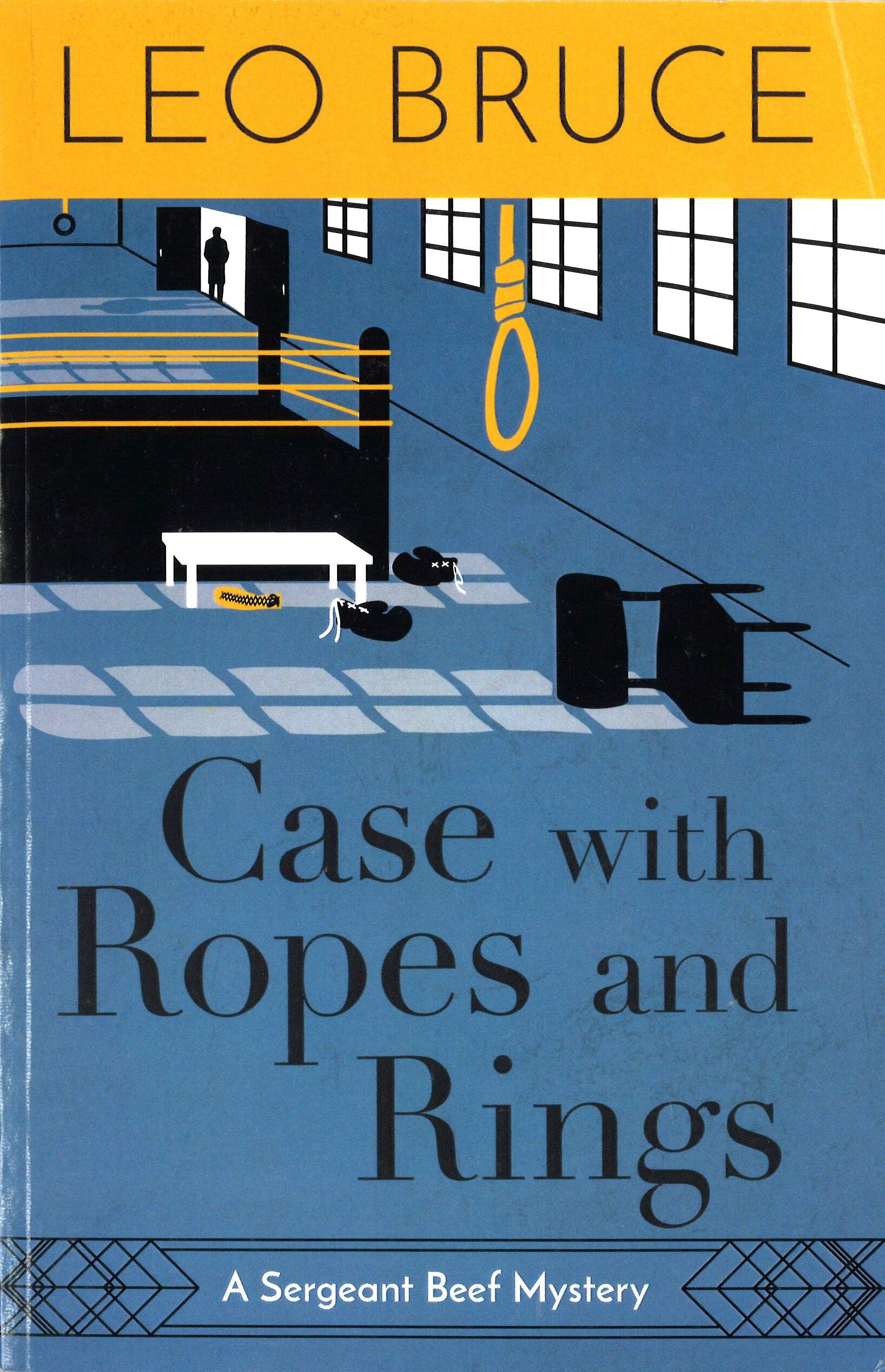
#1192: Case with Ropes and Rings (1940) by Leo Bruce

Case with Ropes and RIngs

star filledstar filledstar filledstar filledstars
Following the revelation at the end of my recent review of Case for Three Detectives (1936) by Leo Bruce that I had not read three of sometime-Sergeant William Beef’s later cases, a friend has staged an intervention and leant me Case with Ropes and Rings (1940), Neck and Neck (1951), and Cold Blood (1952). So let’s mop these three up, and then I can turn my eye upon rereading the earlier titles which have not yet made it onto The Invisible Event. Today, the death by hanging of a popular boy at Penshurt public school raises Beef’s suspicion of murder and, figuring that the boy’s wealthy father might be remuneratively grateful, Beef and his chronicler Lionel Townsend descend on Penshurt and begin to investigate.

Continue reading

#1174: Case for Three Detectives (1936) by Leo Bruce

Case for Three Detectives

star filledstar filledstar filledstar filledstars
Case for Three Detectives (1936) by Leo Bruce was perhaps the first impossible crime novel I read after becoming aware that the subgenre existed, and it had such a marked effect on me that, nearly 15 years later, it was the first title added to my Locked Room Library. Revisiting it is, then, something I approached with trepidation: I have experience of beloved texts failing to live up to my memories…but, then, I’ve reread books I enjoyed and found them even more delightful on more than one occasion. So forward I sallied into this: a weekend gathering, a locked room throat-slashing, and the usual rounds of suspicion and obscure proclamations from three genius amateur detectives.

Continue reading

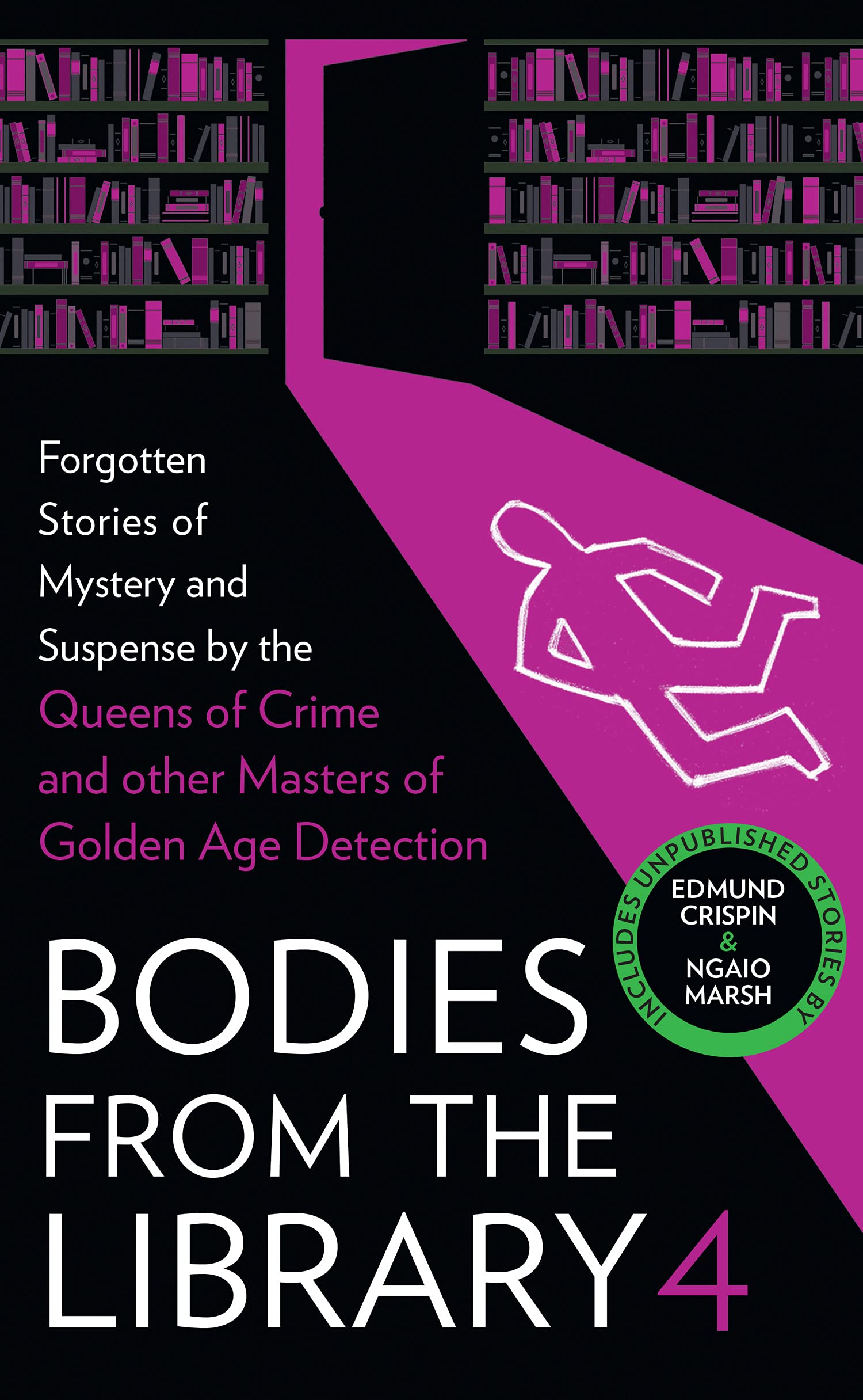
#831: “As you know, an unusual crime has a deep interest for me…” – Bodies from the Library 4 [ss] (2021) ed. Tony Medawar

I can’t believe that there is a GAD enthusiast who doesn’t look forward to the annual Bodies from the Library collections so expertly curated by Tony Medawar. In bringing to public awareness some of the forgotten, neglected, or simply unknown stories that the great and the good of the form produced, these collections have become a source of great excitement, and a must-read for even the most ardent student of the Golden Age.

Continue reading