A posthumous collection occasionally wrong billed as “Twenty-six stories featuring Gervase Fen” (there should really be, at least, a comma after ‘stories’, since series detective Fen isn’t in all of them), Fen Country (1979) was, I believe, the first collection of Edmund Crispin’s short fiction I read. And now I’m back, to get some thoughts on record.
Continue readingRobert Bruce Montgomery
#1251: The Case of the Gilded Fly, a.k.a. Obsequies at Oxford (1944) by Edmund Crispin

![]()
![]()
![]()
![]()
![]()
Among the five books I have reread for Thursday reviews this January, The Case of the Gilded Fly (1944), the debut of the composer Bruce Montgomery under the name Edmund Crispin, is unique in that I wasn’t completely sure I could remember the guilty party. The method by which our corpse finds itself shot in a room to which there was no access and no open windows through which a bullet could be fired was dimly in my brain somewhere, but I had the very enjoyable experience of rereading something and being able to treat it as a genuine problem…trying to work out if my suspicions came from dim remembrance of the solution or were merely smelly fish. So that was fun.
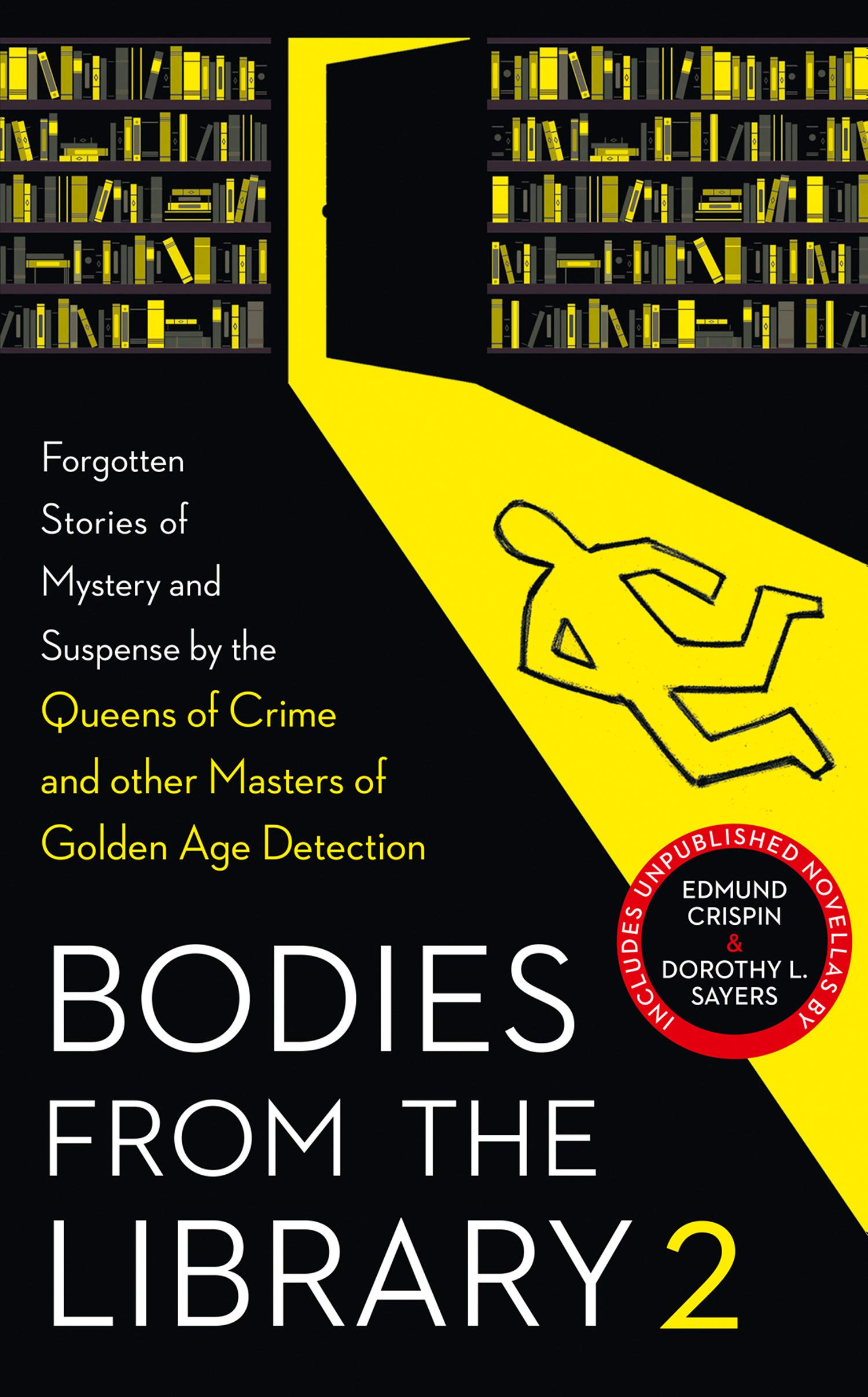
#892: “He happens to be around when so many murders crop up…” – Bodies from the Library 2 [ss] (2019) ed. Tony Medawar
With the Bodies from the Library 5 (2022) collection due in a couple of months, and spin-off Ghosts from the Library (2022) coming later in the year, the time seems ripe to revisit one of the earlier collections which — given the timespan over which I first read them — I failed to review on publication. And since, for reasons too complicated to bore you with here, the second volume was the first one I encountered, it’s there I’ll head today.
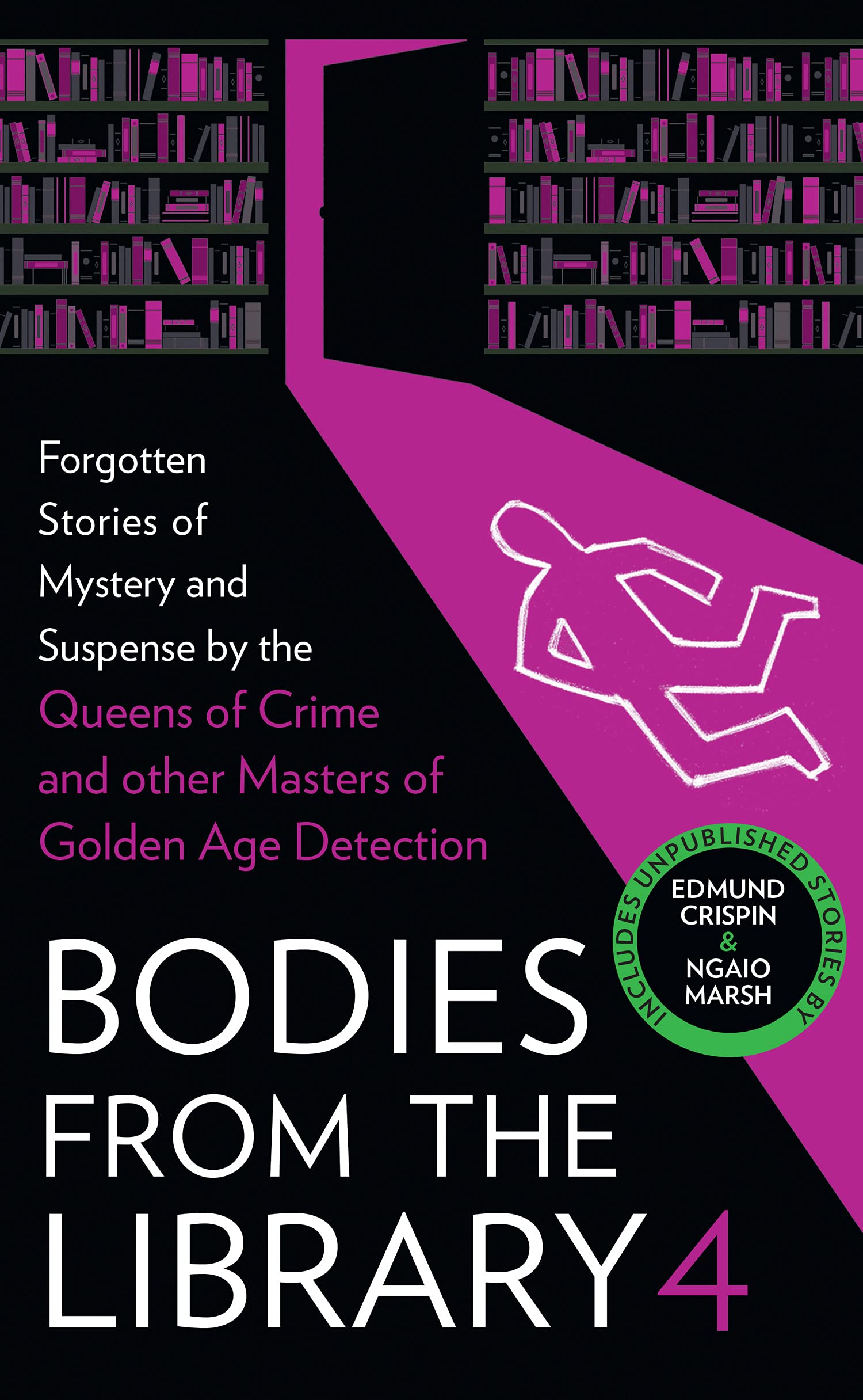
Continue reading#831: “As you know, an unusual crime has a deep interest for me…” – Bodies from the Library 4 [ss] (2021) ed. Tony Medawar
I can’t believe that there is a GAD enthusiast who doesn’t look forward to the annual Bodies from the Library collections so expertly curated by Tony Medawar. In bringing to public awareness some of the forgotten, neglected, or simply unknown stories that the great and the good of the form produced, these collections have become a source of great excitement, and a must-read for even the most ardent student of the Golden Age.
Continue reading