#59: On Locked Rooms and Impossible Crimes in fiction – something of a ramble

footprints

I was recently reading a book on the promise of it providing a locked room murder, to which I am rather partial.  When said murder arrived, it took on this approximate form: a large indoor hall with a free-standing stone chapel inside it which has one door and no windows or other points of ingress, a crowd witnesses a lady entering said chapel – which is deserted – alone and the doors are shut, only for them to be opened some time later and said lady found beaten, bruised and devoid of life.  It’s moderately classic in its setup and should therefore provide some interest, but once I read the details of the crime I gave up on the book and will not return to it (in fact, it’s already down the charity shop).

This is not due to any squeamishness on my part, or a particular problem I had with the writing or the characters – both were fine, if unexceptional – but rather just because it just wasn’t interesting.  It is hard to put this in words, which is why I imagine this post may run rather longer than usual, but there were simply no features of intrigue to me in that supposedly impossible murder.  And so I got to thinking…forget plot or prose or atmosphere, take away all the context of an impossible crime, particularly forget about the solutions: what makes an interesting fictional impossibility? Continue reading →

#52: The Picture from the Past (1995) by Paul Halter [trans. John Pugmire 2014]

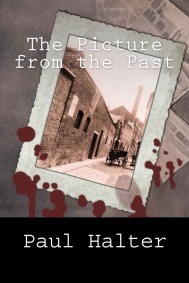
Picture from the Past largeA man seeing an old photograph of an unremarkable street scene on the cover of a book and being struck by an overpowering reaction of uncertain origin doesn’t sound like a promising start to an impossible crime novel.  However, it turns out that such an opinion is simply a sign of your lack of inventiveness, as Paul Halter can spin one hell of a tale from just that.  Well, okay, not just that, as there’s also the notorious Acid Bath Murderer going around destroying the remains of murder victims by pouring acid on them – and John Braid, our photo-phobic protagonist, is curiously unwilling to tell his young, trusting and rather new wife what he gets up to every day when he leaves the house.  And he’s rather keen on not letting his briefcase out of his sight…
Of course, Halter then complicates things further by throwing in a parallel narrative set some years previously in which the wife of a wealthy resident of a down-at-heel London suburb is murdered, tracing the impact of that murder upon the woman’s husband and children.  Clearly the two stories must be related, but how?  And who is responsible for the deaths in each thread? Continue reading →

#6: The Phantom Passage (2005) by Paul Halter [trans. John Pugmire 2015]

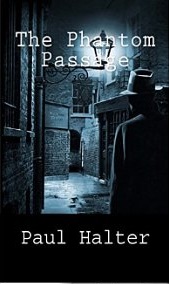
Phantom Passage, TheUnder the guise of Locked Room International, John Pugmire has been providing English translations of (among others) Paul Halter’s impossible crime novels for a few years now, and there can be little more fitting than his latest effort as the opening salvo in my cataloguing of the undoable provably done.

It really is time we started appreciating Halter on his own terms, so let’s mention John Dickson Carr now – hey, I adore the man, so don’t think I’m being dismissive – and look at what makes Halter stand apart.  Carr undoubtedly revolutionised the impossible crime/locked room genre and left a wake that it’s sill virtually impossible to sail in these waters without disturbing, but Halter is increasingly showing himself capable of the impossible.  After some nice touchstones in the earlier LRI works – murderers leaving no footprints in snow or mud (The Lord of Misrule/The Seven Wonders of Crime), impossible body-swaps in locked rooms (The Fourth Door) – we’re now getting to see a greater diversity in Halter’s imagination and smoothness in his realisation.  The ‘murder by genie’ in The Tiger’s Head was a lovely riff, the central idea of The Crimson Fog was superbly realised (please don’t find out what it is in advance, you really should read the book in total ignorance), and now The Phantom Passage goes even futher.

Continue reading →