
Send a thief to catch a thief, eh? And then try to catch that second thief and frame him for the theft done by the original thief? Sir, you’re not playing very fairly with Lester Leith.
Continue readingSend a thief to catch a thief, eh? And then try to catch that second thief and frame him for the theft done by the original thief? Sir, you’re not playing very fairly with Lester Leith.
Continue readingFive Tuesdays in August, five stories about gentleman scoundrel Lester Leith from the pen of Erle Stanley Gardner — synergy.
Continue reading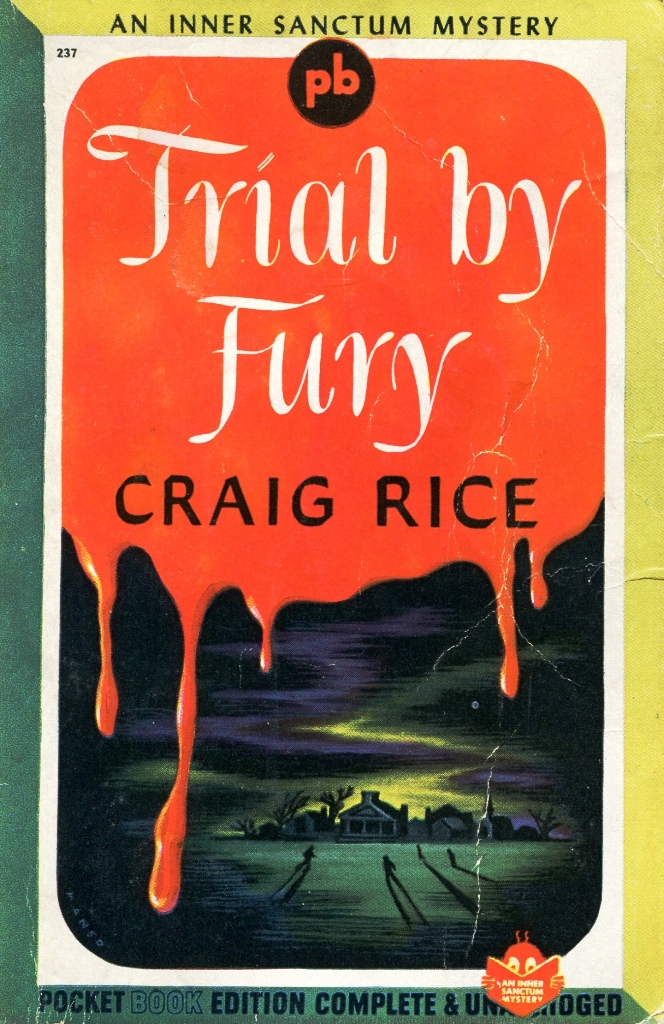


“This is the sort of thing we came to the country to get away from,” Jake Justus laments when, being given a tour of the Jackson County Courthouse in Wisconsin, the dead body of ex-Senator Gerald L. Peveley rolls down an emergency stairwell and lands at his feet. And with the D.A. insisting that “nobody here could have murdered him [because] we all know each other” it’s only a matter of time before Jake finds himself arrested and his wife Helene must enlist the services of Chicago-based lawyer John J. Malone, who has joined the Justuses on four previous murder investigations, to dig them out of trouble…a task that will only get harder as the murders in the town multiply.

We’ve all wanted to solve a ‘footprints in the sand/snow/dust’ mystery, right? Well, here’s your chance…
Continue readingA shorter mystery from The Book of Clues (1984) from the excellent John Sladek, and pay attention to the picture this week…
Continue readingAnother week, another mini-mystery from the pen of one of the genre’s great lost names.
Continue readingI’ve said before that detective fiction lost a fine proponent of the form when John Sladek, after two novels and a handful of stories, abandoned the genre in favour of SF. Except, well, he didn’t quite abandon it altogether…
Continue reading
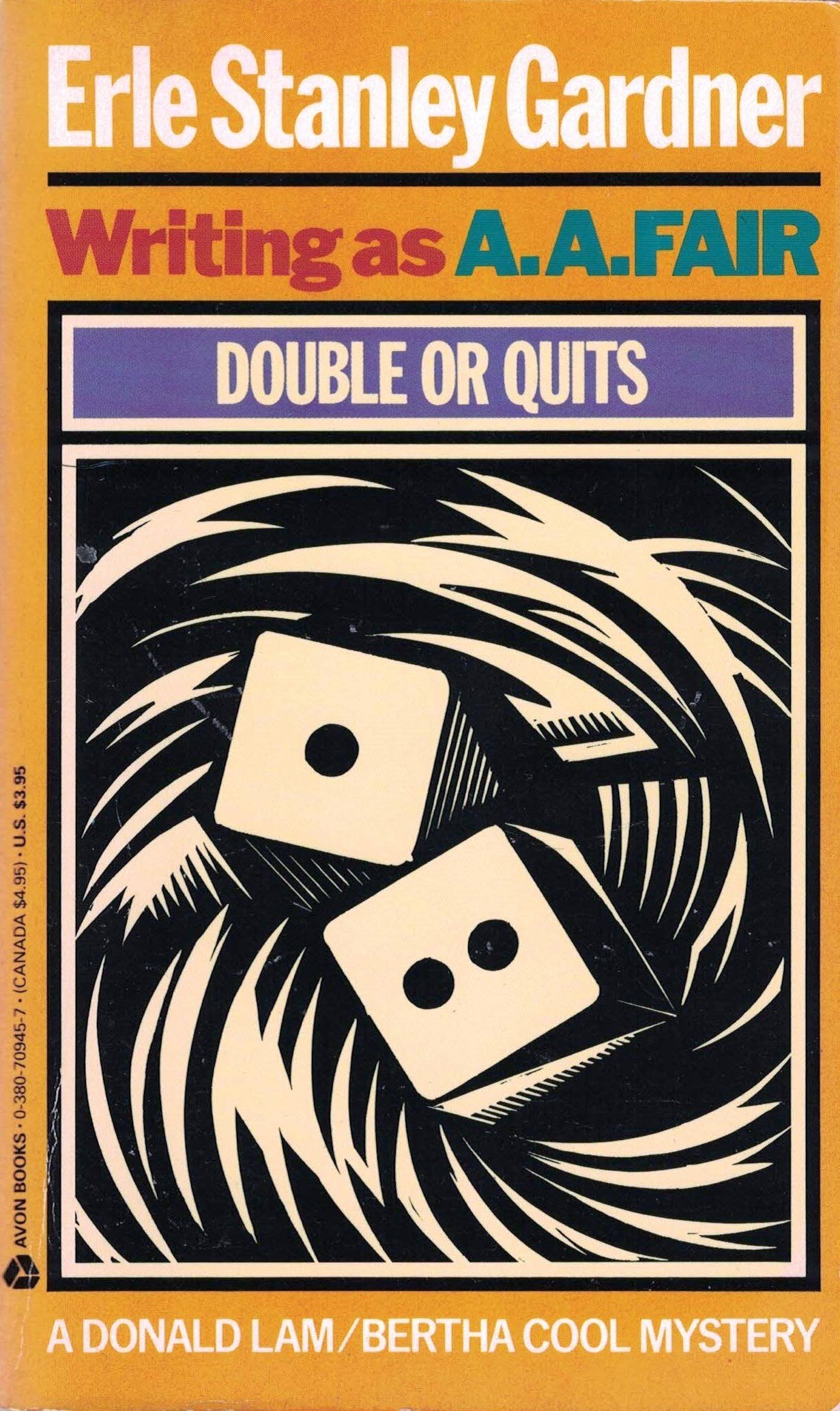
If I remember correctly — and, let’s face it, I probably don’t, since I read them years ago and all out of order — Owls Don’t Blink (1942), the sixth title to feature Erle Stanley Gardner’s irrepressible P.I. duo of Donald Lam and Bertha Cool, starts something of a hot streak for the series. Hired by New York lawyer Emory Hale on behalf of an unknown client to find an ex-model who was last heard of in New Orleans some three years ago, you know Gardner has something special up his sleeve when the resourceful Donald is able to produce the woman within twenty pages. From here, it’s a criss-cross of obscured motives and identities, and enough skulduggery for Yorrick’s remains.
Where the novel of detection delights in tropes so as to better lull you in and then sock you with an unexpected development, I’m starting to suspect that the private eye novel likes tropes so that you’re as comfortable as possible throughout without ever having to pay too close attention. You sign up for wealthy families, suspicious deaths, shady hangers-on, and plenty of business malfeasance, all the better to then unfurl a complex final chapter explanation which probably works as well as anything else, but, hey, at least it was entertaining while it lasted. And the world absolutely has a place for that kind of book, just don’t expect me to get too excited when I encounter one of them.
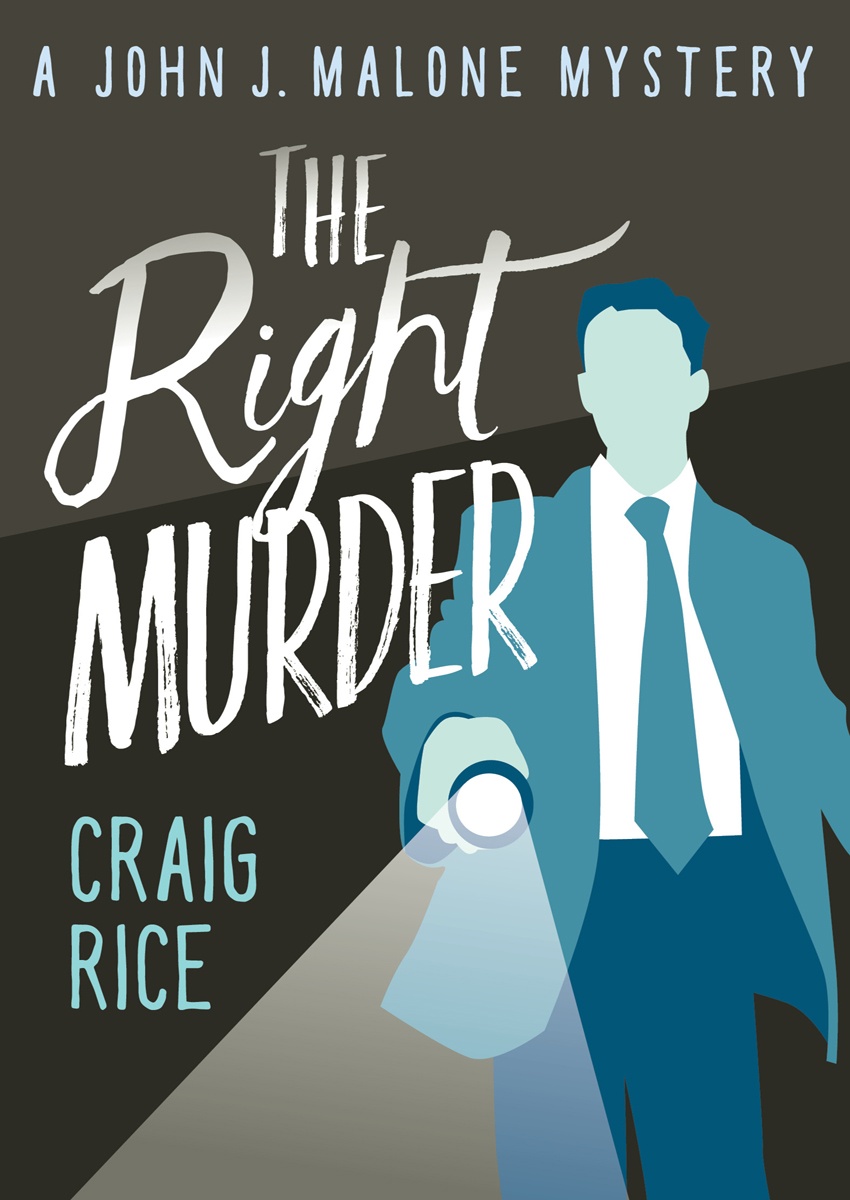
“Now you take this guy who was killed New Year’s Eve. If he was gonna be killed, why couldn’t he have had his passport on him, or a driver’s license, or even a calling card? No. Not a damn thing. So I have to go to all the trouble of finding out who he was. When I do find out, then what? More trouble.” Homicide Captain Daniel von Flanagan has a point, as there’s also the matter of the dead man staggering into a bar where lawyer John J. Malone was drowning his sorrows and croaking out “Malone!” before expiring on the floor, added to Malone’s insistence that he’d never seen the man before. And what of the key numbered 114 the man slipped to Malone…a key that was apparently stolen from the lawyer only moments later?

