#918: The Life of Crime (2022) by Martin Edwards

Life of Crime

star filledstar filledstar filledstar filledstar filled
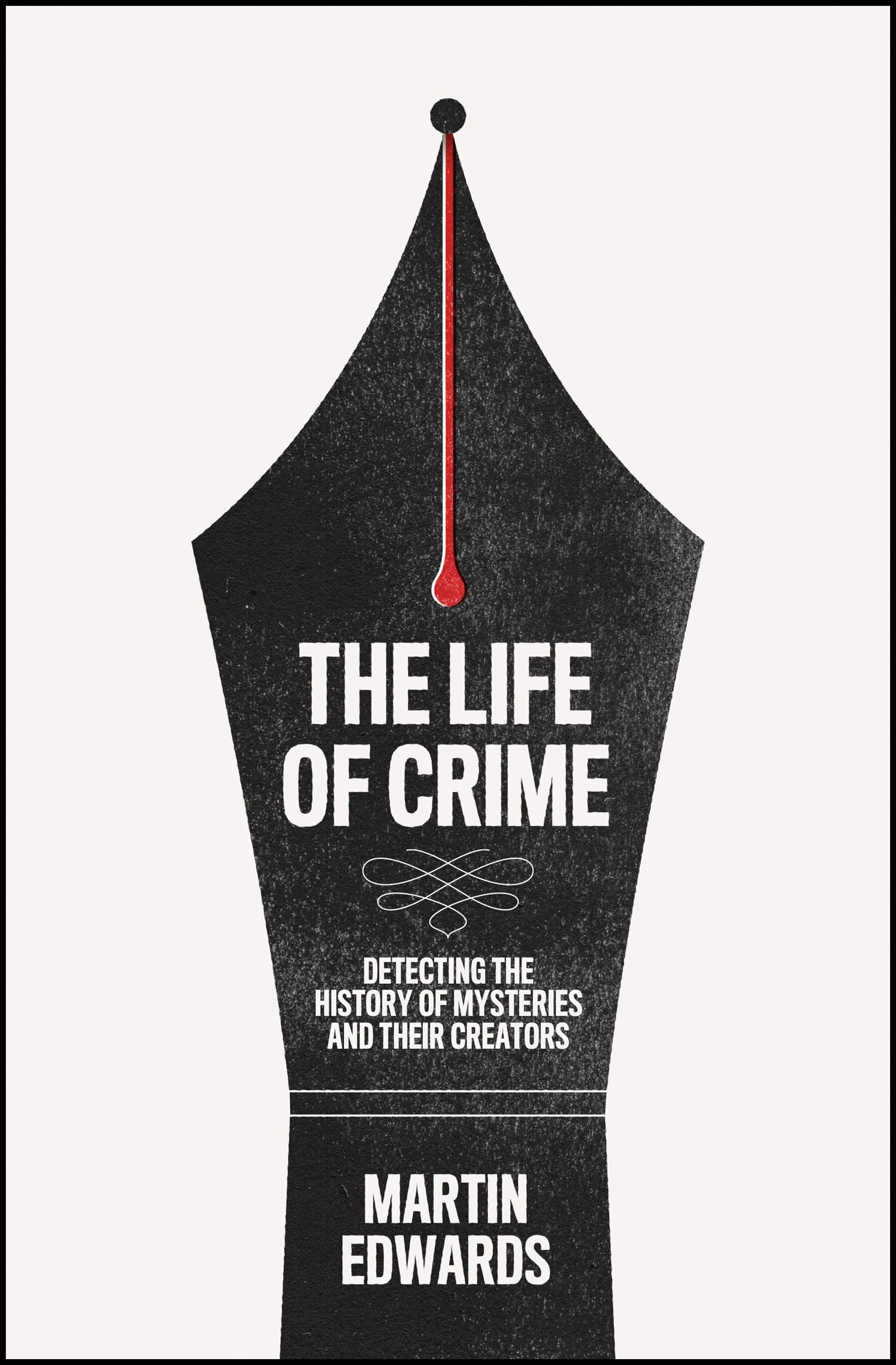
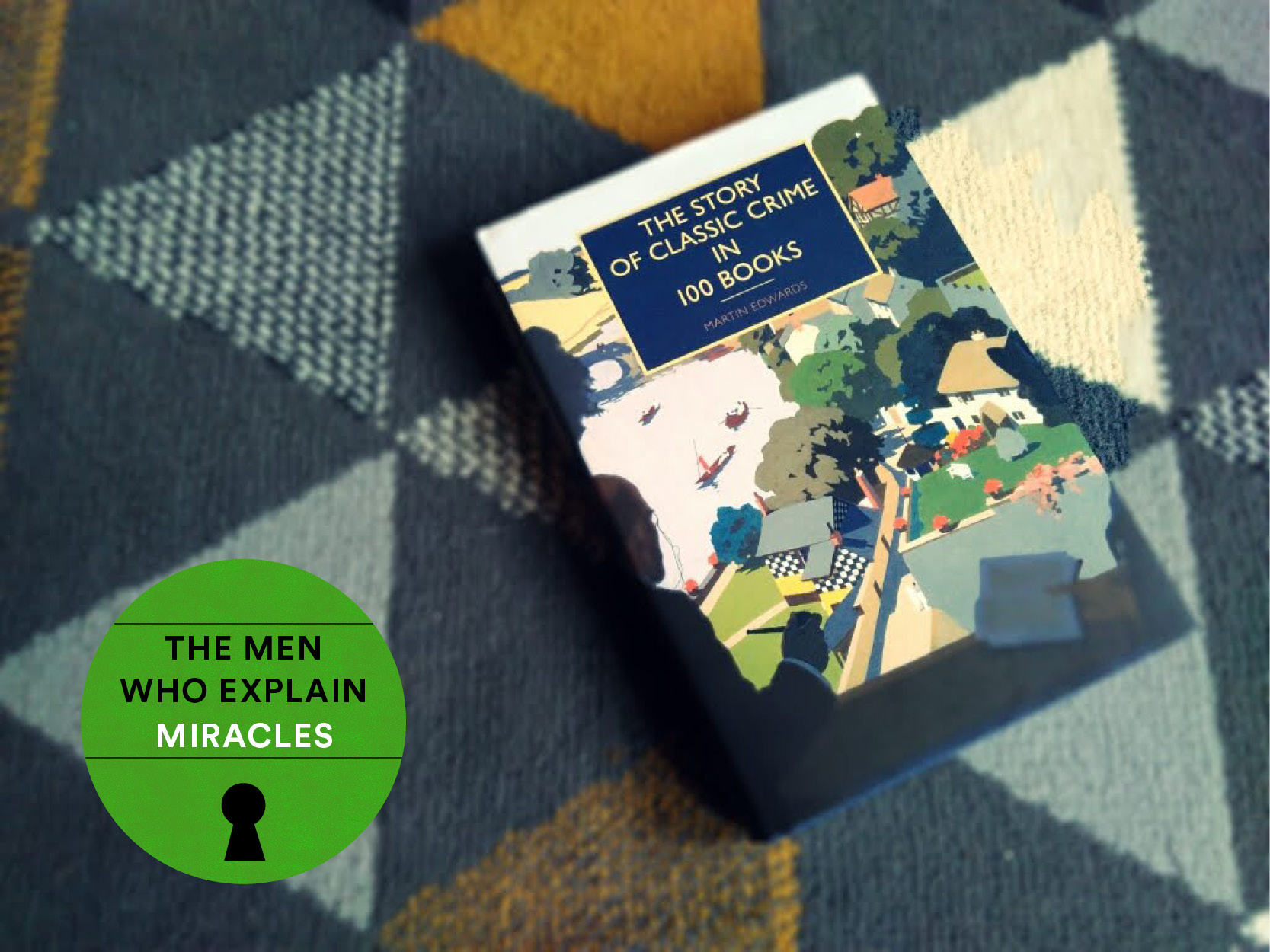
To me falls the honour of rounding off the blog tour for The Life of Crime (2022) by Martin Edwards, adding to the deserved praise it has already garnered elsewhere. This “personal journey through the genre’s past, with all the limitations and idiosyncrasies that implies” is a monumental achievement, encompassing the breadth and depth of a genre that is now a good couple of centuries old, and finding many nuggets to share about it along the way. And, since any study of a genre must inherently be about that genre to some extent, Edwards’ trump card here is to tell a story of crime writing that also sheds light on the need for such stories to exist in the first place.

Continue reading

In GAD We Trust – Episode 21: The Diversity of Approaches to Detective Fiction [w’ Martin Edwards]

The detective fiction genre is built around the essential structure of a crime, an investigation of that crime, and the revelation of the guilty party who committed the crime, and good heavens didn’t the Golden Age map out a lot of different ways to walk that path. And there are few people better placed to discuss this than President of the Detection Club and recent recipient of the CWA Diamond Dagger Martin Edwards, who celebrates three decades as a published author this year.

Continue reading

#788: All the Lonely People (1991) by Martin Edwards

All the Lonely People

star filledstar filledstar filledstar filledstars
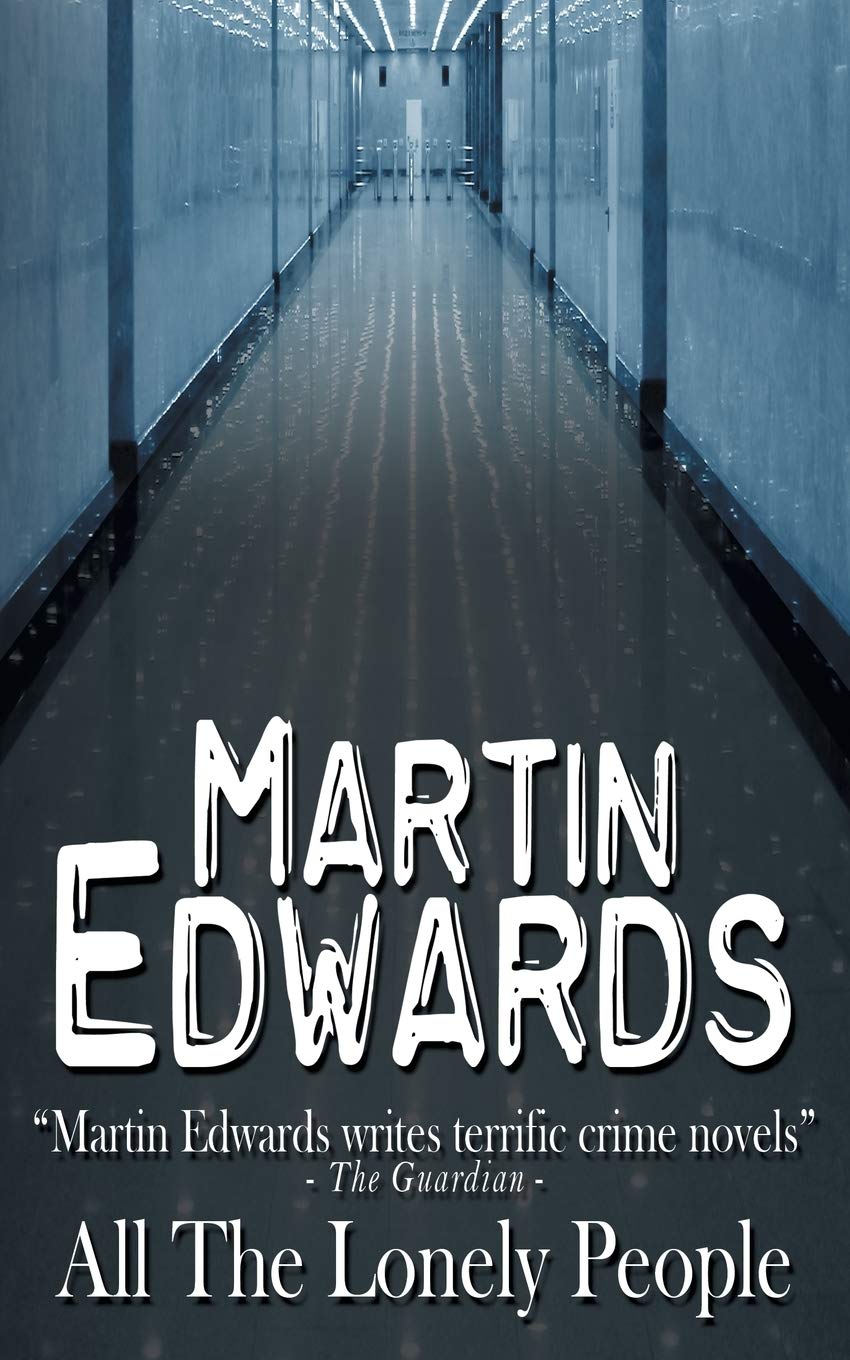
Earlier this year, when I spoke with Steve about modern authors writing in the Golden Age tradition, he reminded me that I’d not read any of Martin Edwards’ series of Liverpool-set novels featuring solicitor Harry Devlin.  Back when modern crime fiction commanded more of my attention, Robert Crais had led me to Michael Connelly, who led me to Ian Rankin, who led me to John Harvey, who then led me to Edwards’ Lake District novels The Coffin Trail (2004) and The Arsenic Labyrinth (2007), but his earlier series eluded me.  So, at long last, here we are at All the Lonely People (1991) — the debut for author and character both, which turns 30 this year.

Continue reading

In GAD We Trust – Episode 16: Modern Writers in the Golden Age Tradition [w’ Puzzle Doctor @ In Search of the Classic Mystery Novel]

Let’s get the new year off to a happy start by showing some appreciation for contemporary authors who make life difficult for themselves by upholding the traditions of Golden Age detective fiction in their own works. And, if you want to discuss modern detective fiction, few are better-placed than Puzzle Doctor, a.k.a. Steve from In Search of the Classic Mystery Novel.

Continue reading

#337: Foreign Bodies [ss] (2017) ed. Martin Edwards

Foreign Bodiesstar filledstar filledstar filledstarsstars
Had you asserted back in 2014 that the republication of two forgotten crime novels would lay the foundation for one of the most celebrated series of GAD reissues in modern times, well, people would have laughed.  And yet the British Library Crime Classics collection, under the stewardship of Martin Edwards and Rob Davies, is now over 50 books deep and gathering momentum for another exciting year.  And it’s a sure sign of the hale condition of the series that, far from simply reissuing books, they’re now branching out into original translations with this collection of overseas tales.  In the words of Ira Gershwin, who’s got the last laugh now?

Continue reading

#326: Reflections on Detection – ‘Decline of the English Murder’ (1946) by George Orwell and the End of the Golden Age

George Orwell’s essay ‘Decline of the English Murder’ (1946) is focussed not on the quality of said fictional undertakings but rather the attitudes of a society suffering the “brutalising effects of war” and thus immune to the horror of murder the perspectives of both commission and punishment.  Citing the case of the Cleft Chin Murder, in which three people were killed with no meaningful motivation and the opprobrium of the public was vented upon the couple responsible, the sentiment of the final line is easily the most powerful; “crimes as serious as murder should have strong emotions behind them”.

Continue reading