Inverted Mystery

#510: Minor Felonies – The Mad Scientists’ Club [ss] (1965) by Bertrand R. Brinley
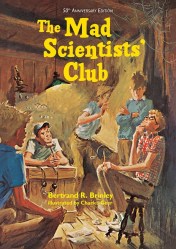
This collection is composed of seven fun, light-hearted stories of youthful shenanigans perpetrated in the smalltown Americana of Mammoth Falls. Sure, it’s not strictly detection, but the prospect of actual, y’know, science in the Mad Scientists’ Club’s adventures seemed to warrant investigation.
Continue reading
#491: Spoiler Warning 9 – Mr. Priestley’s Problem, a.k.a. The Amateur Crime (1927) by Anthony Berkeley [a.p.a. by A.B. Cox]
Here we go again, with the usual warnings: this post discusses in spoiler-heavy detail elements of the plot of Mr. Priestley’s Problem, a.k.a. The Amateur Crime (1927) by Anthony Berkeley, also published under the name of A.B. Cox.
Continue reading
#447: The Criminous Alphabet – A is for…Alibi [Part 2 of 2]

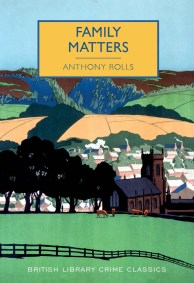


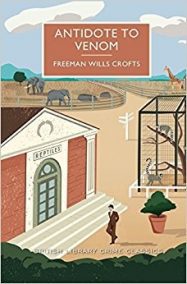 The reputation for being something of an interminable bore that still dogs Freeman Wills Crofts some 60 years after his death wants for evidence in Antidote to Venom. We’re about halfway through when the murder occurs, by which point you’ve had not only a highly sympathetic portrait of the central man in the affair, but also the convincing use of minor characters to create the situation in a way that relies on coincidence without feeling forced, an allusion to the Sherlock Holmes canon, and two — count ’em — legitimate jokes. It is spry, focussed, beautifully rich in intrigue and heartbreak, and balances its inverted and traditional elements perfectly. And when the investigation starts…oh, boy, are you in for a treat.
 The Invisible Event