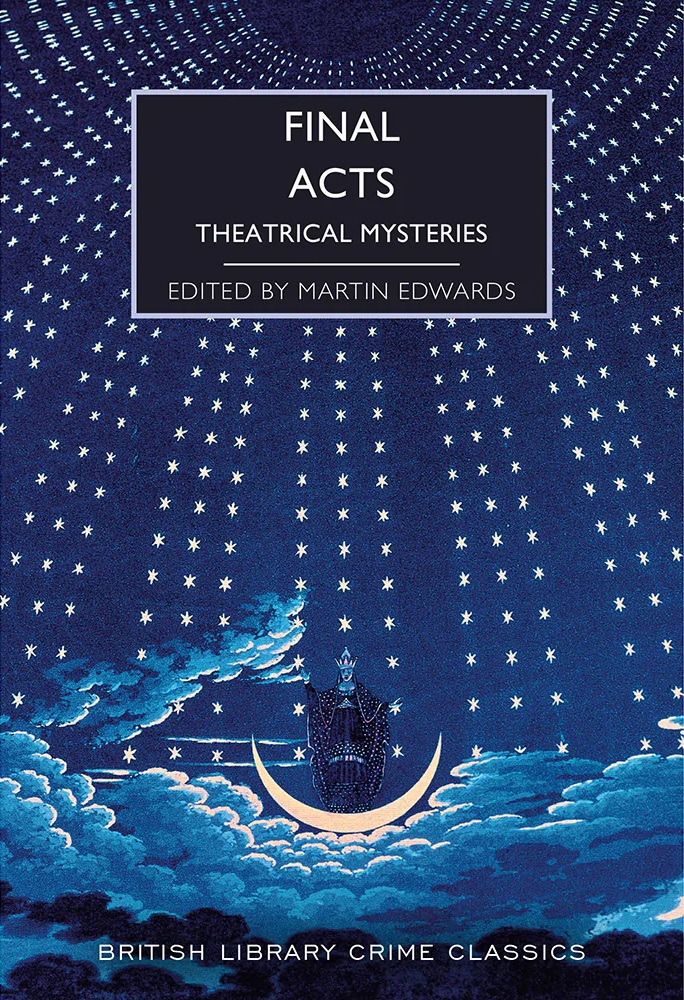
I tend to read multi-author anthologies over — if I’m honest — a couple of months, to better ameliorate the often wild changes in style and content of each tale. In recent times I’ve sped this process up, so that I’m able to review the annual Bodies from the Library (2018-present) collections on this very blog, so let’s see how I fare doing the same for the latest Martin Edwards-edited collection in the British Library Crime Classics range, eh?
Continue readingInverted Mystery
#990: Payment Deferred (1926) by C.S. Forester

![]()
![]()
![]()
![]()
![]()
It seems almost indecent that someone should have the inspiration to write a book like Payment Deferred (1926) before Anthony Berkeley had conceived of his Francis Iles nom de plume and written Malice Aforethought (1931). And yet there’s something unformed about C.S. Forester’s tale of ill-gotten money, murder, and general moral decay that speaks to the callowness of the undertaking. Land sakes, don’t read this if you’re having a bad week — its unrelenting grimness and domestic horror would dent even the sunniest of dispositions — and avoid it, too, if you want a tight criminous plot with even a sniff of Iles-brand irony. This is dark stuff, unleavened at any stage.
#977: (Spooky) Little Fictions – Japanese Tales of Mystery and Imagination (1956) by Edogawa Rampo [trans. James B. Harris 1956]
This week, nine tales of criminous and/or eerie happenings written by Hirai Tarō who, under the name Edogawa Rampo, is widely acknowledged as the godfather of Japanese mystery writing.
Continue reading#969: The Chocolate Cobweb (1948) by Charlotte Armstrong

![]()
![]()
![]()
![]()
![]()
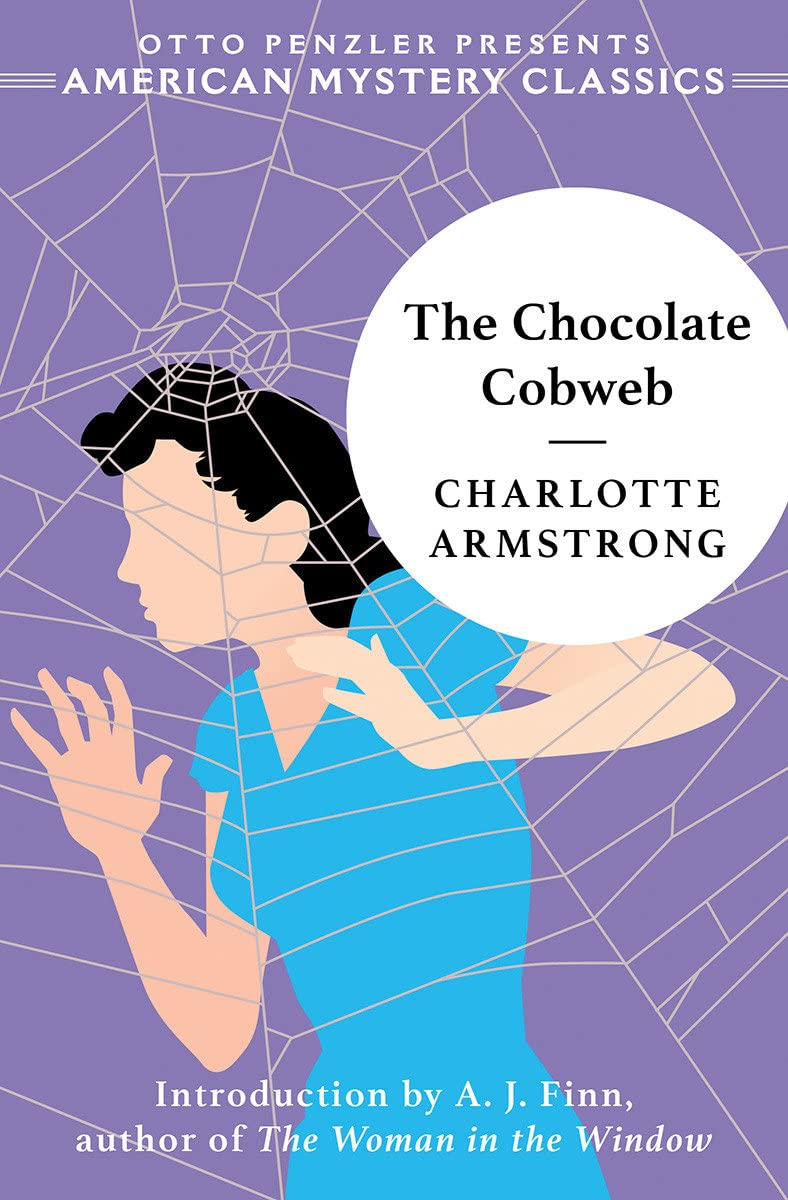
There really is no accounting for taste. When I read The New Sonia Wayward (1960) by Michael Innes following a rave review from Aidan, I found it rather wanting; now that I’ve read The Chocolate Cobweb (1948) by Charlotte Armstrong following a rave review from Aidan, I wonder if he praised it enough, because it’s very probably the best novel of pure domestic suspense that I’ve ever encountered. We can add this to the likes of The Voice of the Corpse (1948) by Max Murray on the list of Books I Should Not Like Yet Absolutely Loved, an experience so enjoyable that it stalled my reading for about a week since I had no idea what I could possibly follow it up with.
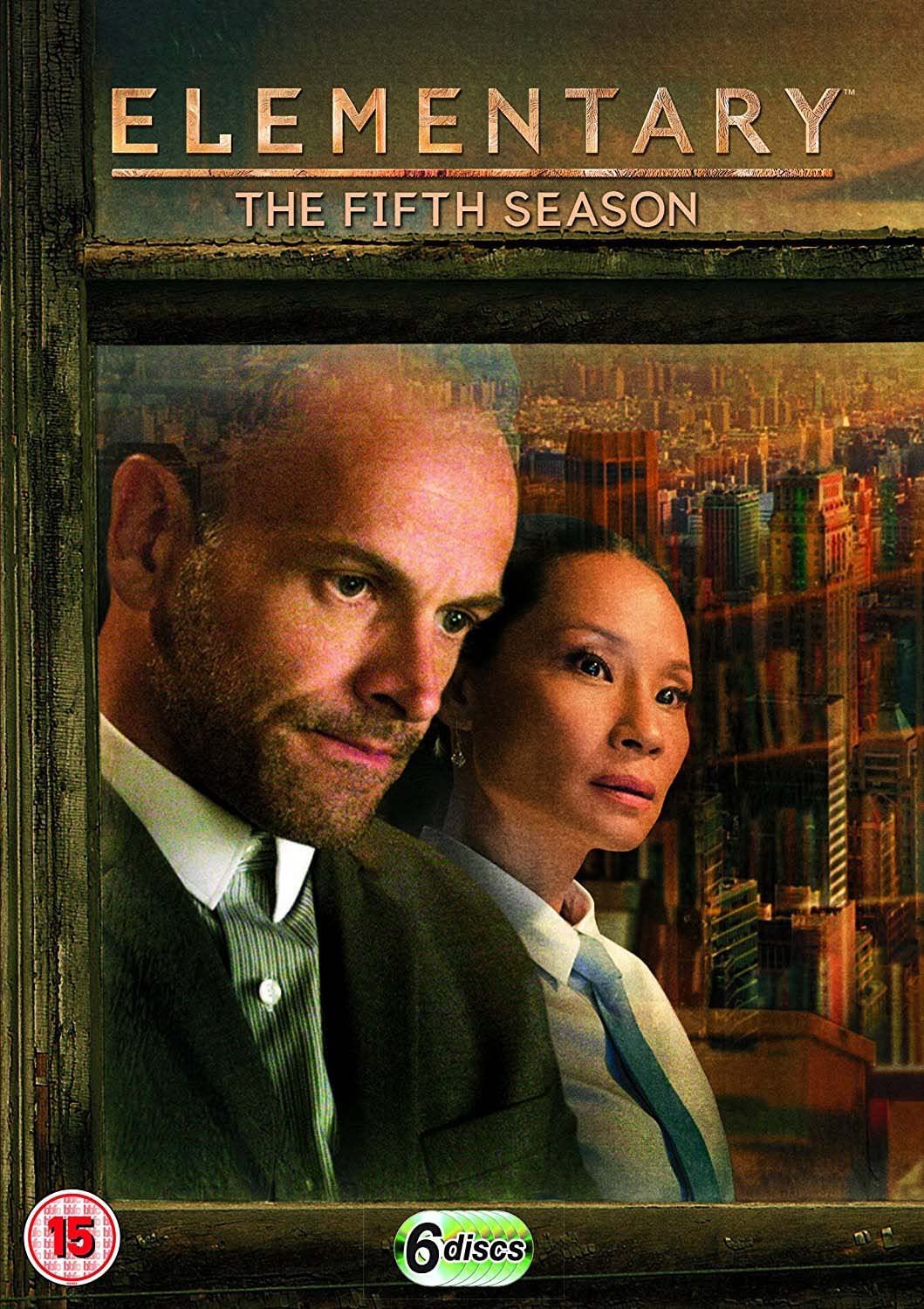
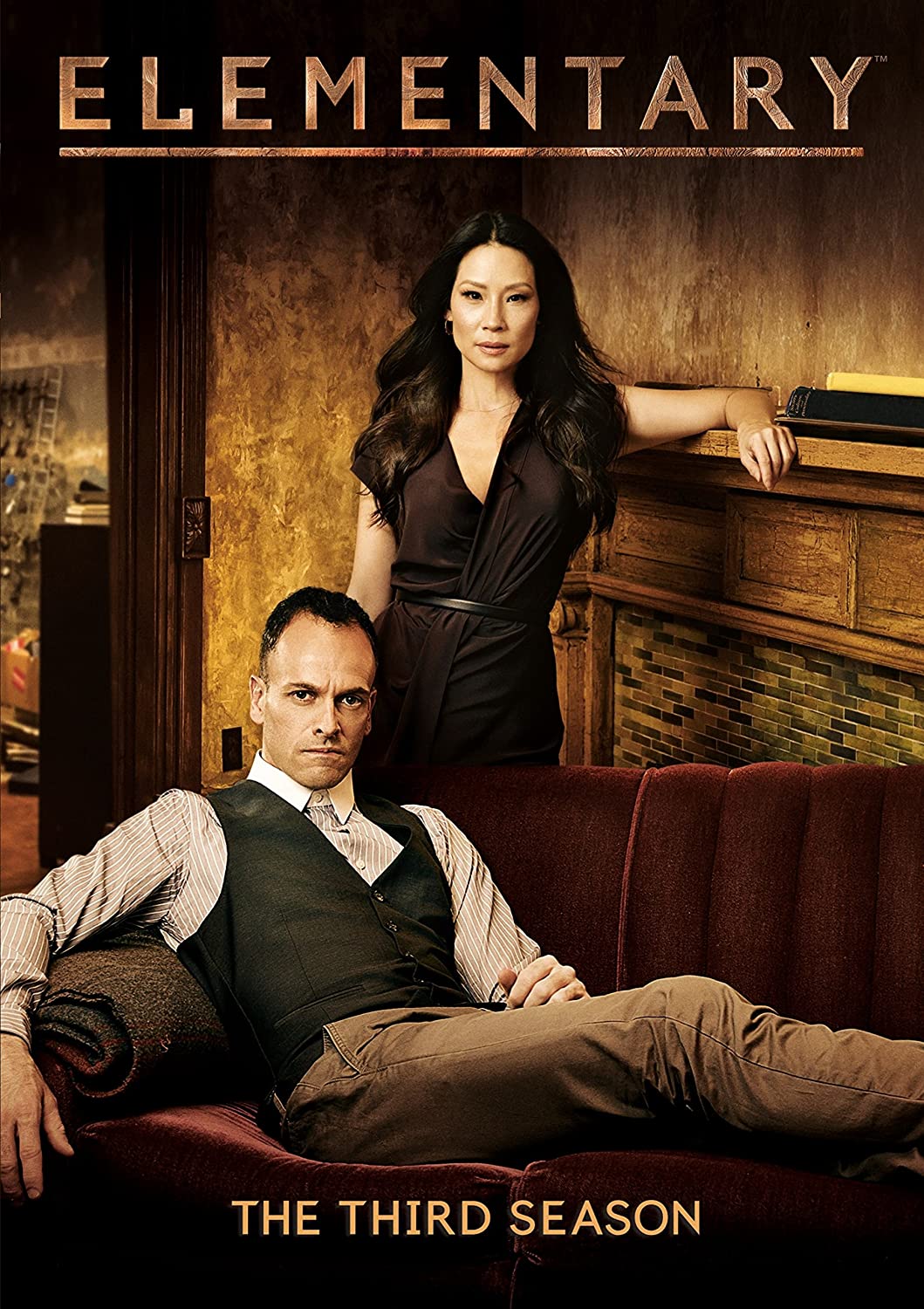
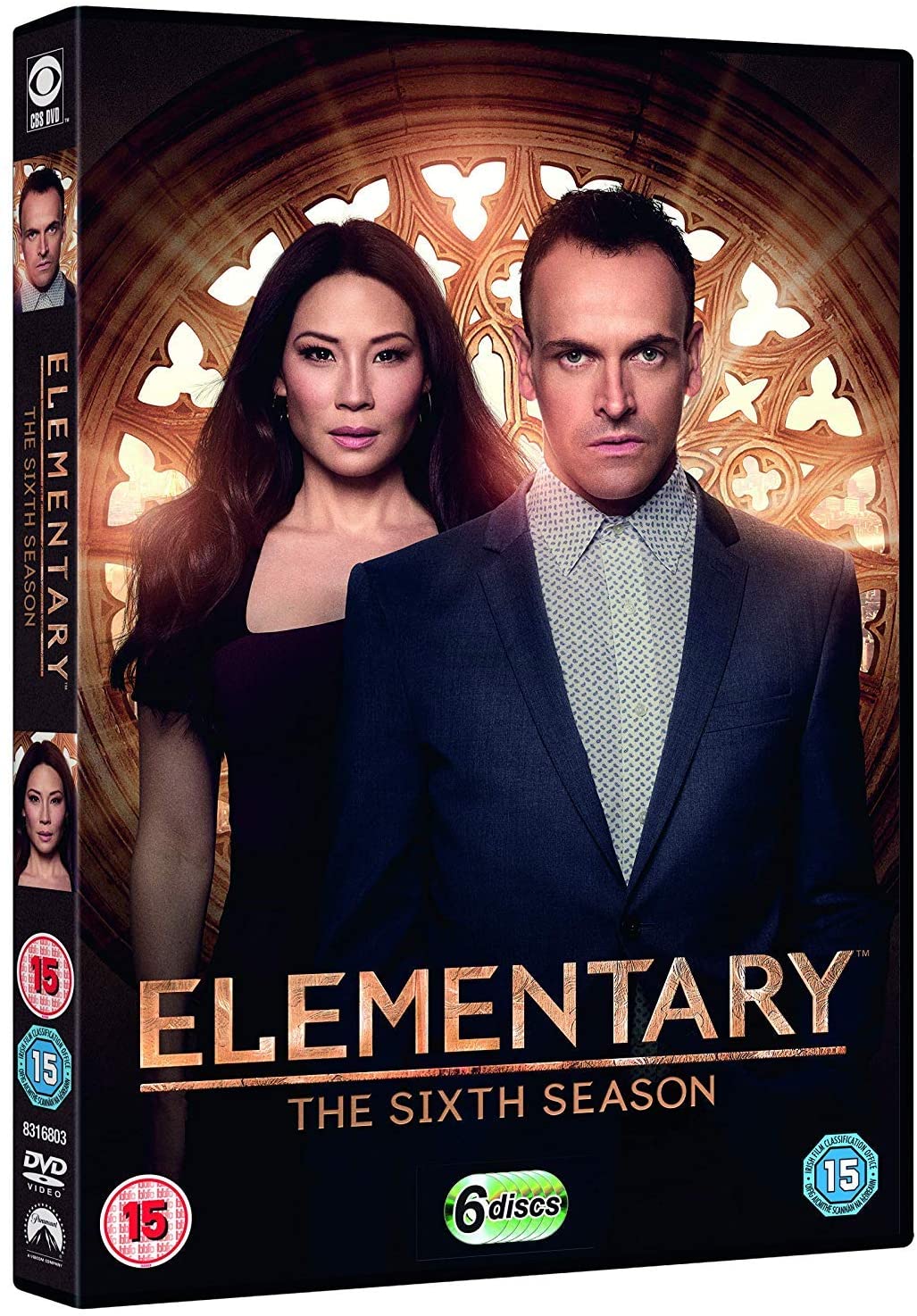
#958: Five to Try – Elementary, Season 3 (2014-15)
Five more recommended episodes of Elementary, in which Sherlock Holmes (Jonny Lee Miller) and Dr. Joan Watson (Lucy Liu) solve mysteries in modern day New York. And this time it’s season 3 under the microscope. Or magnifying glass, whatever.
Continue reading#957: Rendezvous in Black (1948) by Cornell Woolrich

![]()
![]()
![]()
![]()
![]()
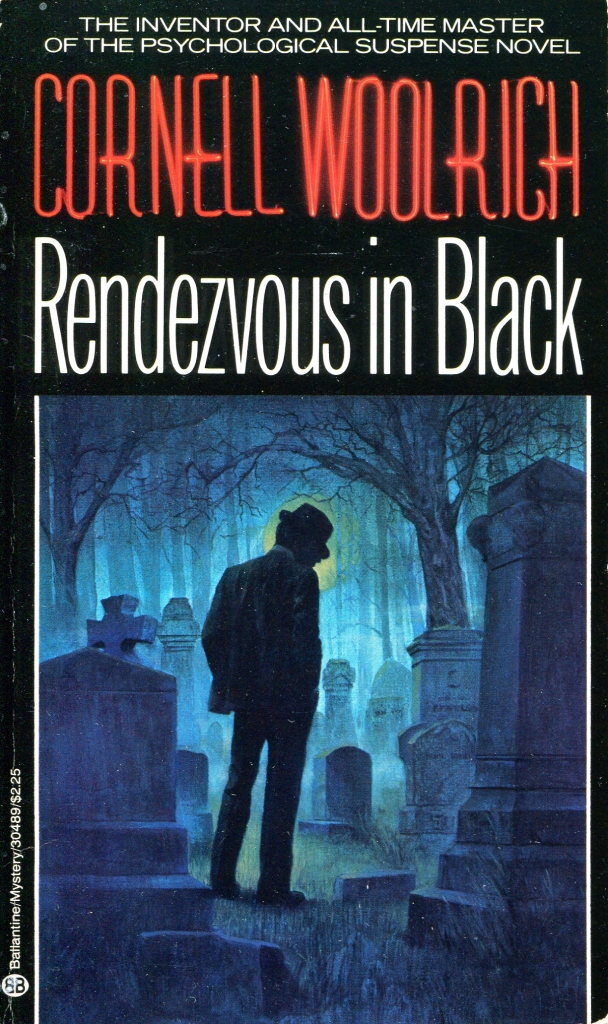
One of the things that struck me as I got into the works of Freeman Wills Crofts is how, from book to book, he always finds a way to subtly alter the nature of the plot he is writing so that he never covers the exact same ground twice. This was evidently not so much of a concern for Cornell Woolrich, who could so readily imagine so many nightmarish possibilities bristling from any setup that he often had to use the same core idea more than once just to explore the principles that struck him. ‘All At Once, No Alice’ (1937) shares a sizeable chunk of DNA with the novel Phantom Lady (1942), and today’s read Rendezvous in Black (1948) harks back to Woolrich’s criminous debut, The Bride Wore Black (1940).
#946: Law and Order – Ranking the First Fifteen Inspector French Novels (1924-36) by Freeman Wills Crofts
With the sixteenth to twenty-fourth novels by Freeman Wills Crofts to feature his series detective Chief Inspector Joseph French due to be republished between now and January 2023 (well, #18, Antidote to Venom (1938), is already available from the British Library) it occurred to me that people might be looking for advice about the first fifteen — all, incredibly, in print.
Continue reading#939: The New Sonia Wayward, a.k.a. The Case of Sonia Wayward (1960) by Michael Innes

![]()
![]()
![]()
![]()
![]()
Previous experience with the detective fiction that John Innes Mackintosh Stewart published under the name Michael Innes has universally left me cold, but Aidan’s laudatory review of The New Sonia Wayward (1960) convinced me to give him one more go. I’m glad I did, because I disliked this book immensely and can now strike Innes off my ungrammatically-titled list of Authors To Persevere With and never look back. But, here’s the thing, my dislike here is quite startlingly personal in a way that makes it interesting to me, so I thought I’d struggle through and write it up as a lesson to my future self. You are invited to come along, but I shall not mind (or know) if you refuse.
#934: “It was surprising what a change the last minute or two had wrought…” – The Great Portrait Mystery [ss] (1918) by R. Austin Freeman
The short story collection The Great Portrait Mystery (1918) occupies an odd position in the oeuvre of R. Austin Freeman. Five of the seven stories herein have almost nothing to do with each other — tonally, thematically, genre-wise — and the other two are inverted tales of detection featuring his famous medical jurist character Dr. John Evelyn Thorndyke. So were Freeman’s publishers simply fancying up some of his B-material by including a couple of Thorndyke tales to draw otherwise-uninterested readers to this collection? Let’s find out.
Continue reading#933: Dead Sure, a.k.a. Collar for the Killer, a.k.a. A Matter of Fact (1956) by Herbert Brean

![]()
![]()
![]()
![]()
![]()
Herbert Brean is an author whose work is really rather difficult to pigeonhole, and this multi-titled obscurity — I’ll call it Dead Sure (1956), as per my Dell paperback edition — highlights why. From the gentle Americana puzzling of his debut Wilders Walk Away (1948), to the gloomy suspense of The Darker the Night (1949) and the intricate historical imbrications of his masterpiece Hardly a Man is Now Alive (1950), we find ourselves now in a sort of Woolrichian nightmare of an honest cop framing an innocent man and attempting to dig himself out before it’s too late…both legally and morally. And yet, even then, there’s more going on here.