
Last weekend, it was my distinct honour to present for a fourth time at the Bodies from the Library conference, in this instance on the topic of Enid Blyton’s detective fiction as represented by her Five Find-Outers series.
Continue readingLast weekend, it was my distinct honour to present for a fourth time at the Bodies from the Library conference, in this instance on the topic of Enid Blyton’s detective fiction as represented by her Five Find-Outers series.
Continue reading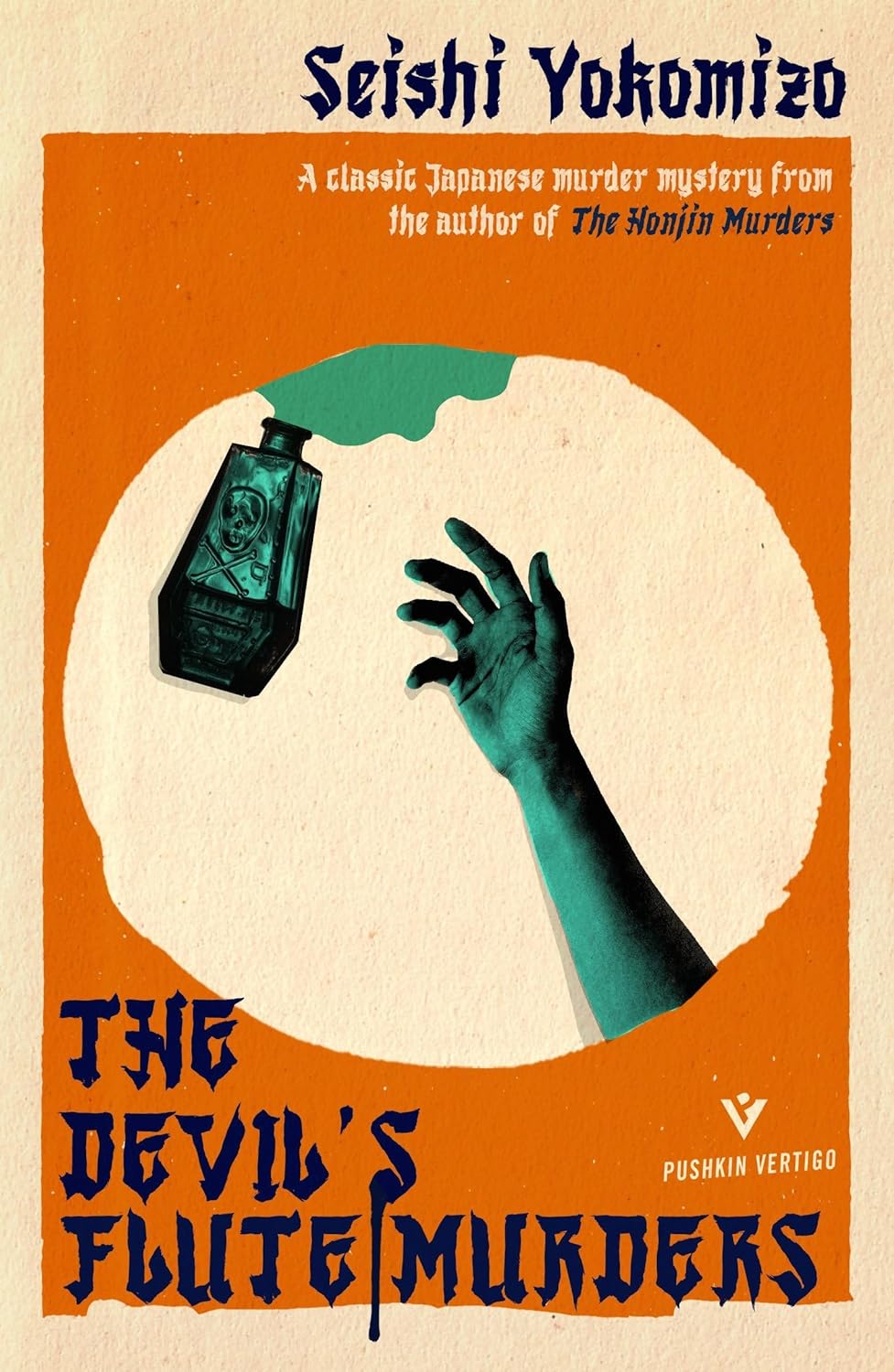


After what felt like a run of fairly light reading, I found myself in the mood for something a little denser, and boy does The Devil’s Flute Murders (1953), the fifth title by Seishi Yokomizo to be published in English by Pushkin Vertigo, deliver on that front. We start with a mass poisoning in a jewellery store, then move onto the disappearance of a member of the nobility who turns up dead…only for his family to doubt his demise and pull amateur genius detective Kosuke Kindaichi into a superbly atmospheric divining ceremony that culminates in a gruesome locked room murder. Yup, the opening third of this book is, pleasingly, something of a whirligig.
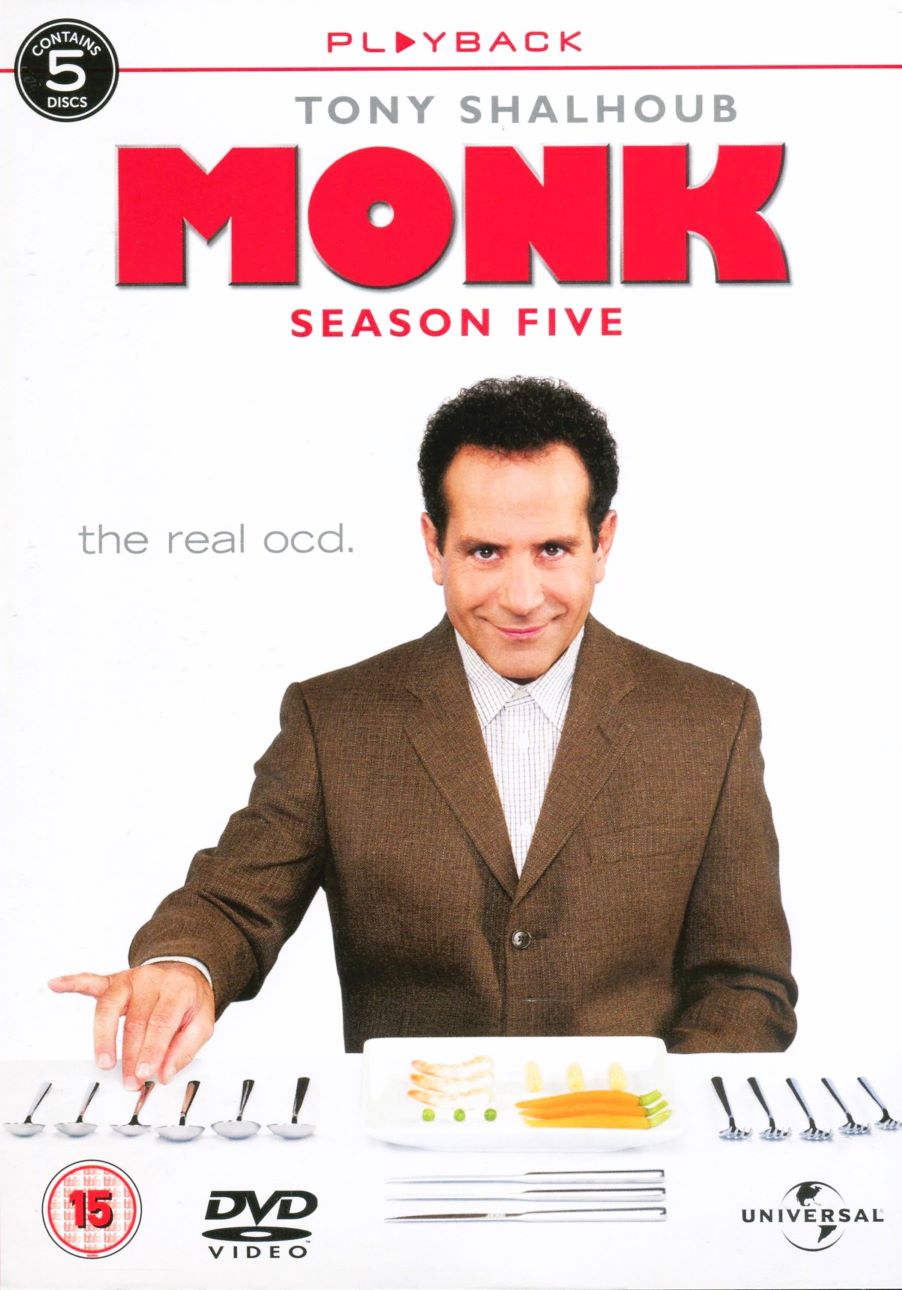
And so we reach season 5 of Monk, in which Tony Shalhoub plays the eponymous OCD-afflicted former detective, brought in to consult on a range of odd and uncommon crimes.
Continue reading
Case for Three Detectives (1936) by Leo Bruce was perhaps the first impossible crime novel I read after becoming aware that the subgenre existed, and it had such a marked effect on me that, nearly 15 years later, it was the first title added to my Locked Room Library. Revisiting it is, then, something I approached with trepidation: I have experience of beloved texts failing to live up to my memories…but, then, I’ve reread books I enjoyed and found them even more delightful on more than one occasion. So forward I sallied into this: a weekend gathering, a locked room throat-slashing, and the usual rounds of suspicion and obscure proclamations from three genius amateur detectives.

It was after finishing Stuart Gibbs’ Moon Base Alpha trilogy that I turned my eye upon his FunJungle novels, wondering if he brought the same sense of open-handed clewing and enjoyable detection to his other books. And, as it happened, he had just published sixth FunJungle title Tyrannosaurus Wrecks (2020), in which a Tyrannosaurus skull disappears from muddy surrounds with no footprints to account for its removal. Colour me intrigued…
Continue reading
I really rather enjoyed Faith Martin’s impossible crime novel The Castle Mystery (2019) when I read it back in 2019, so stumbling over a new hardback by her at my local library — and learning that Murder by Candlelight (2024) features a murdered body discovered in a sealed room — was a very pleasant surprise.
Continue reading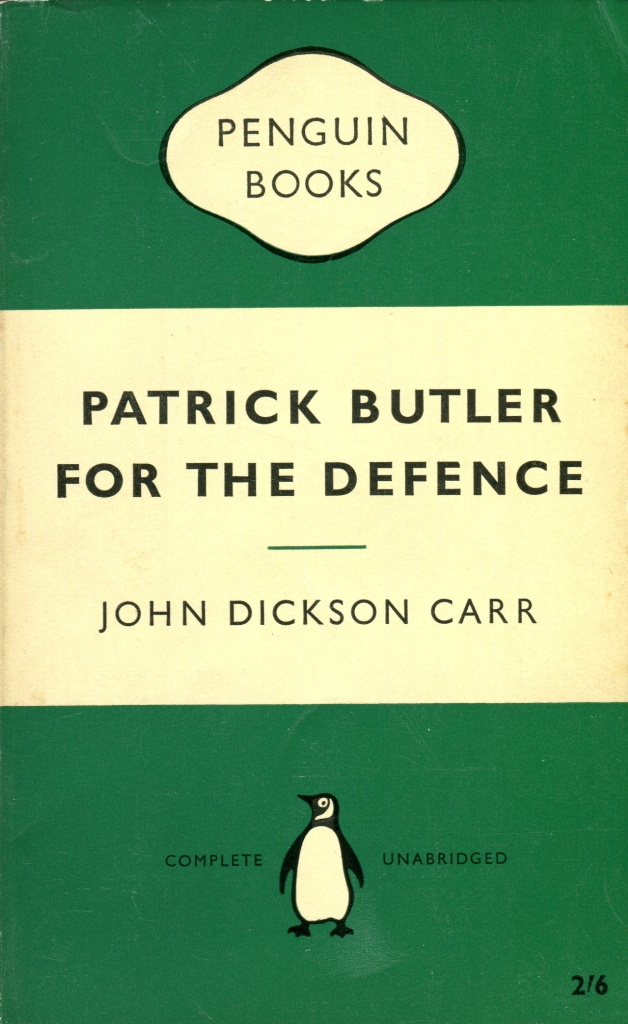
It is perhaps fitting — though, I assure you, completely accidental — that a locked room murder in a novel by John Dickson Carr, doyen of the apparently undoable nevertheless rationally explained, is the focus of the 500th post on this blog to be tagged “impossible crimes“. Sure, upon realising this I could have chosen one of Carr’s acknowledged masterpieces to reread, but I enjoyed the divisive barrister Patrick Butler, K.C. at first encounter, and was intrigued to see how the character fared without the support of Carr’s frequent and best sleuth, Dr. Gideon Fell. And, having given up on the two Carr novels I tried to read prior to this, I’m pleased to report that I enjoyed a fair amount of what Carr did here.
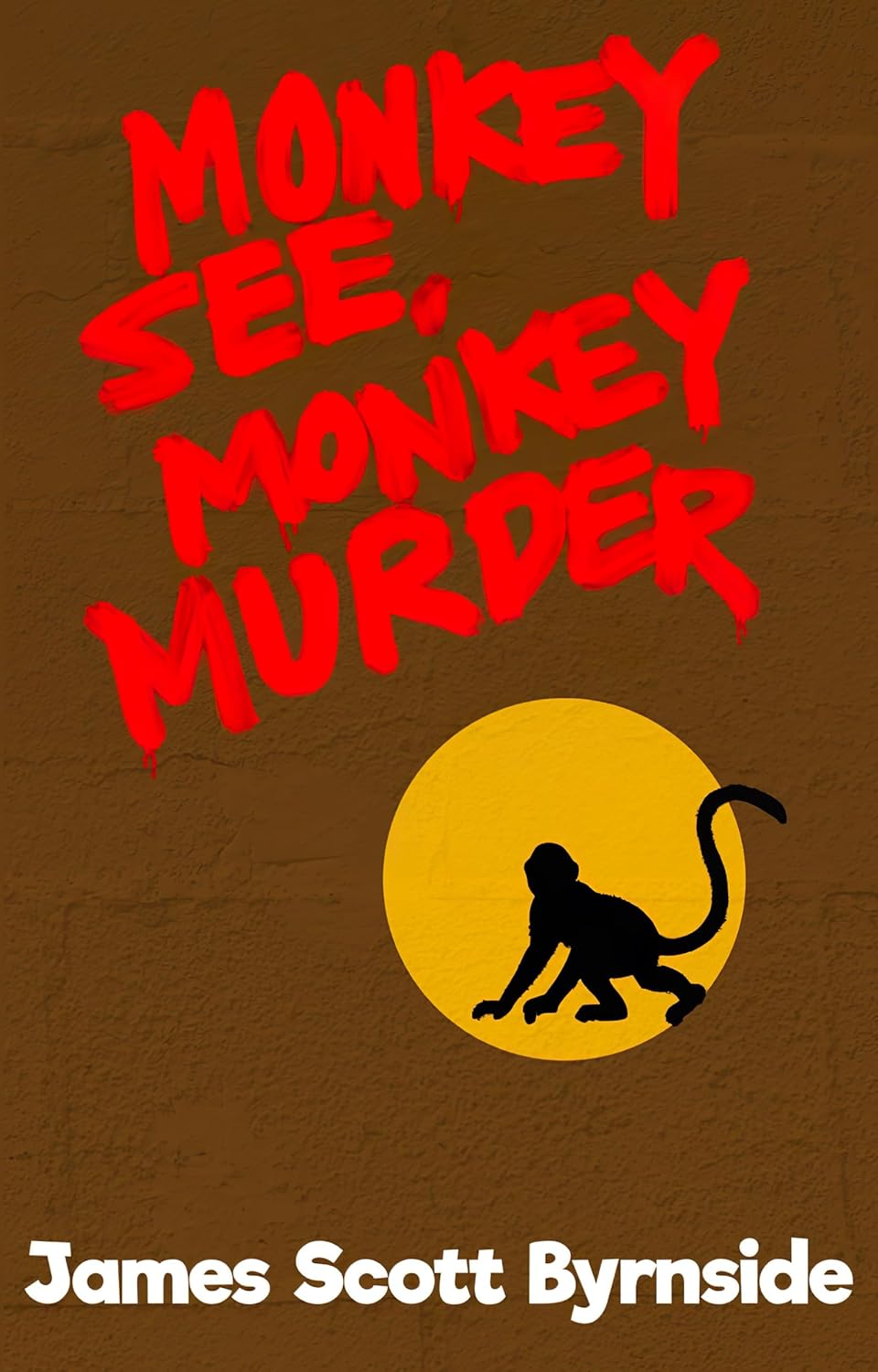
It’s incredible to think that Monkey See, Monkey Murder (2023) is James Scott Byrnside’s fifth novel, and wonderful to report that it continues to walk the line between classic detection and a 21st century motivation to create something quite unlike what you may have read in the genre before.
Continue reading
I was saddened to learn of the recent death of John Pugmire who, for the best part of the last 20 years, has been instrumental in bringing the works of foreign authors to Anglophone fans, latterly through his Locked Room International imprint.
Continue reading
Having previously looked at the first ten stories in this collection of impossible crime tales selected by Jack Adrian and Robert Adey, let’s crack on with the final eleven stories, shall we?
Continue reading
