
Right, you probably know the drill by now: 100+ sleuths nominated, top 64 chosen, the top half of 32 already voted on…today you’re voting on the bottom half of the first round.
Continue readingRight, you probably know the drill by now: 100+ sleuths nominated, top 64 chosen, the top half of 32 already voted on…today you’re voting on the bottom half of the first round.
Continue readingOver one hundred names were nominated. The top 64 have been sifted. Today we begin the process of finding the favourite sleuth of detective fiction’s Golden Age (precise dates pending, but we’re saying 1920-45).
Continue reading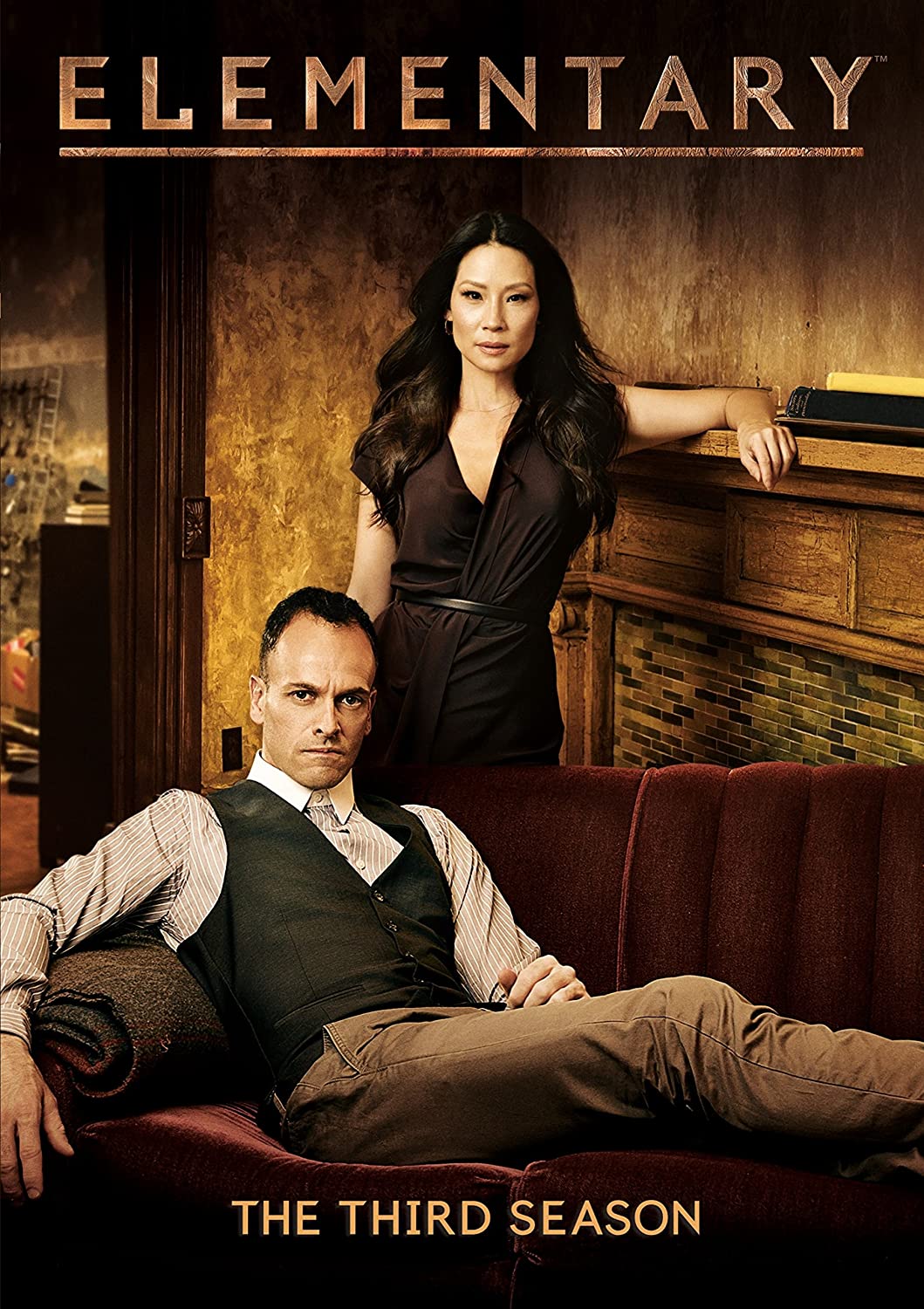
Five more recommended episodes of Elementary, in which Sherlock Holmes (Jonny Lee Miller) and Dr. Joan Watson (Lucy Liu) solve mysteries in modern day New York. And this time it’s season 3 under the microscope. Or magnifying glass, whatever.
Continue reading
Here’s something I’ve been curious about, and probably only now have the time and energy to think about organising: who is the most popular detective character of the genre’s Golden Age?
Continue reading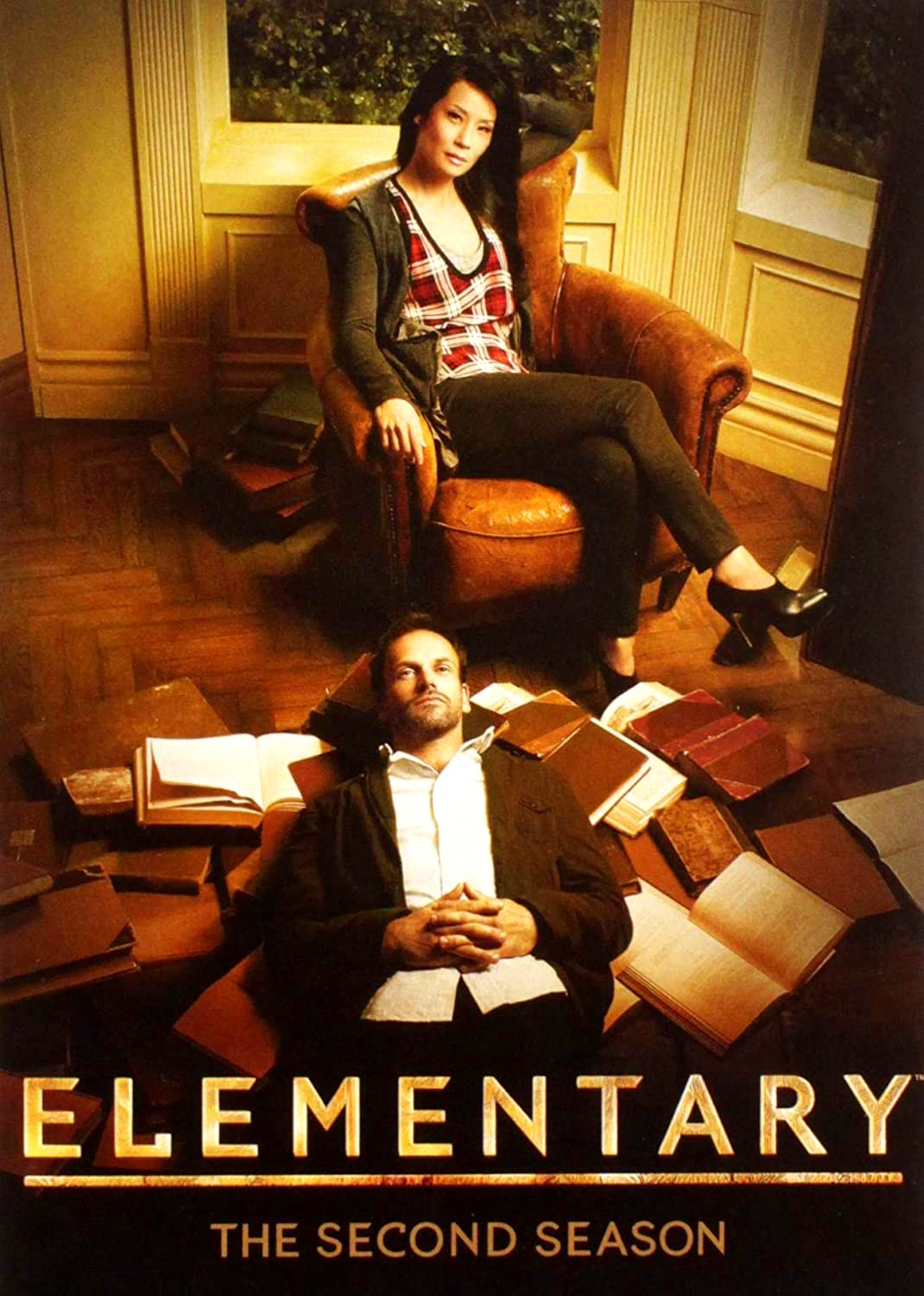
Five more recommended episodes of Elementary, the US TV update of Sherlock Holmes, this time from season 2.
Continue reading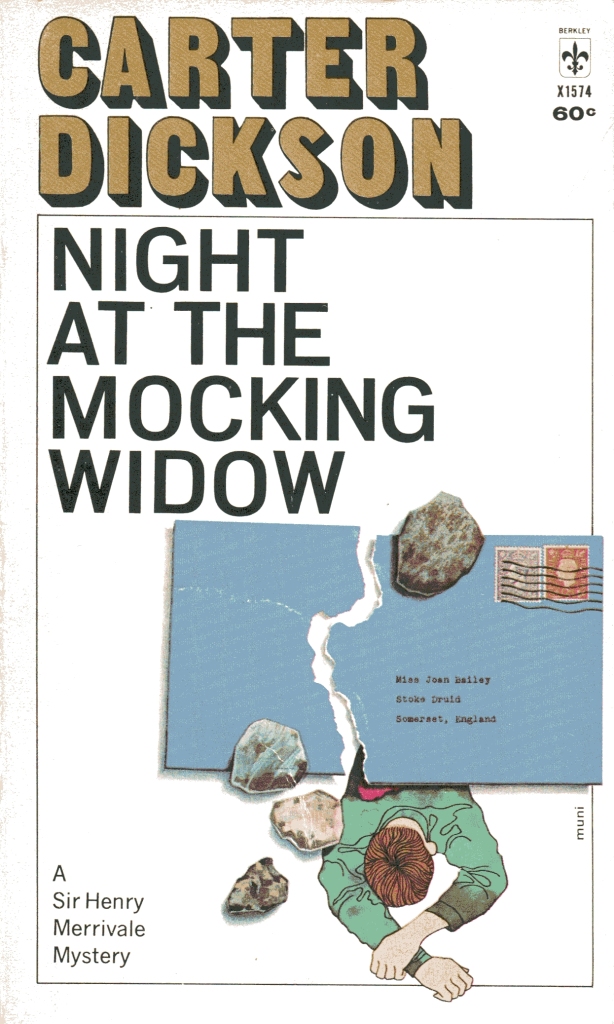


I love a good village poison pen mystery but, as I’ve said before, they’re difficult to write because both the village and the mystery must convince and compel. Night at the Mocking Widow (1950), the twentieth book written under John Dickson Carr’s Carter Dickson nom de plume to feature Churchillian sleuth Sir Henry ‘H.M.’ Merrivale, starts off seeming like a great example of both…but once we hit the halfway stage and the impossible appearance and vanishing of the sinister Widow presents itself, the life rather goes out of things. From that point on, it feels more like a writing exercise than a novel, and one that Carr is forcing himself to complete.
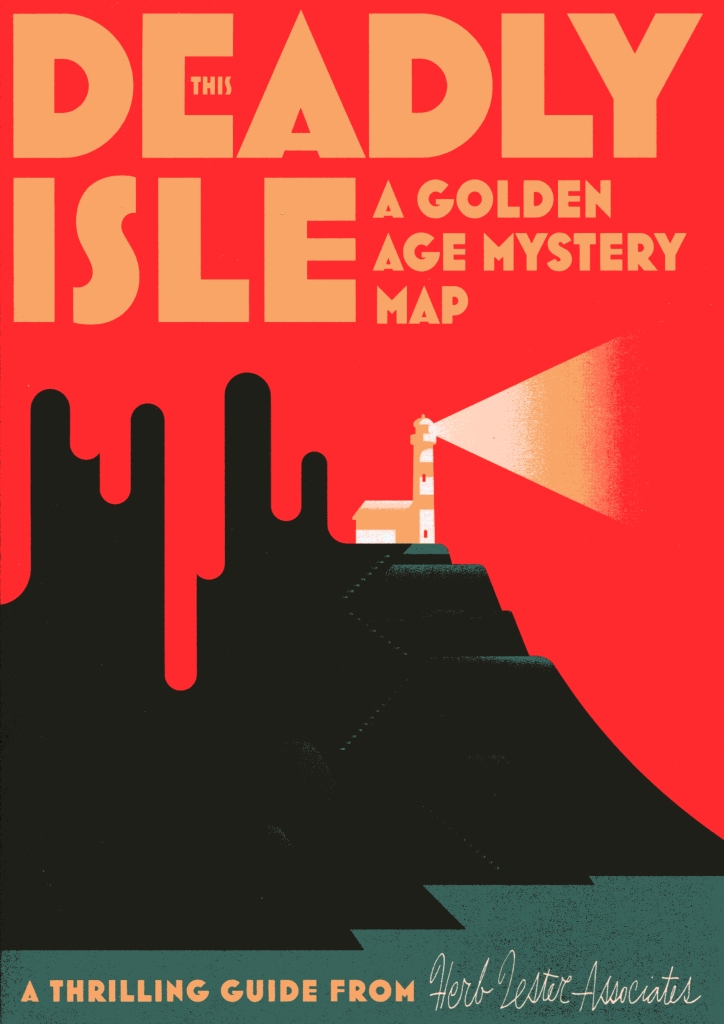
After the very enjoyable work done by Herb Lester and Caroline Crampton in mapping the key locations of Agatha Christie’s English mysteries, it was surely only a matter of time before a similar project was attempted. And This Deadly Isle, which maps the locations of a raft of Golden Age mysteries across the country, is the delightful inevitable follow-up.
Continue reading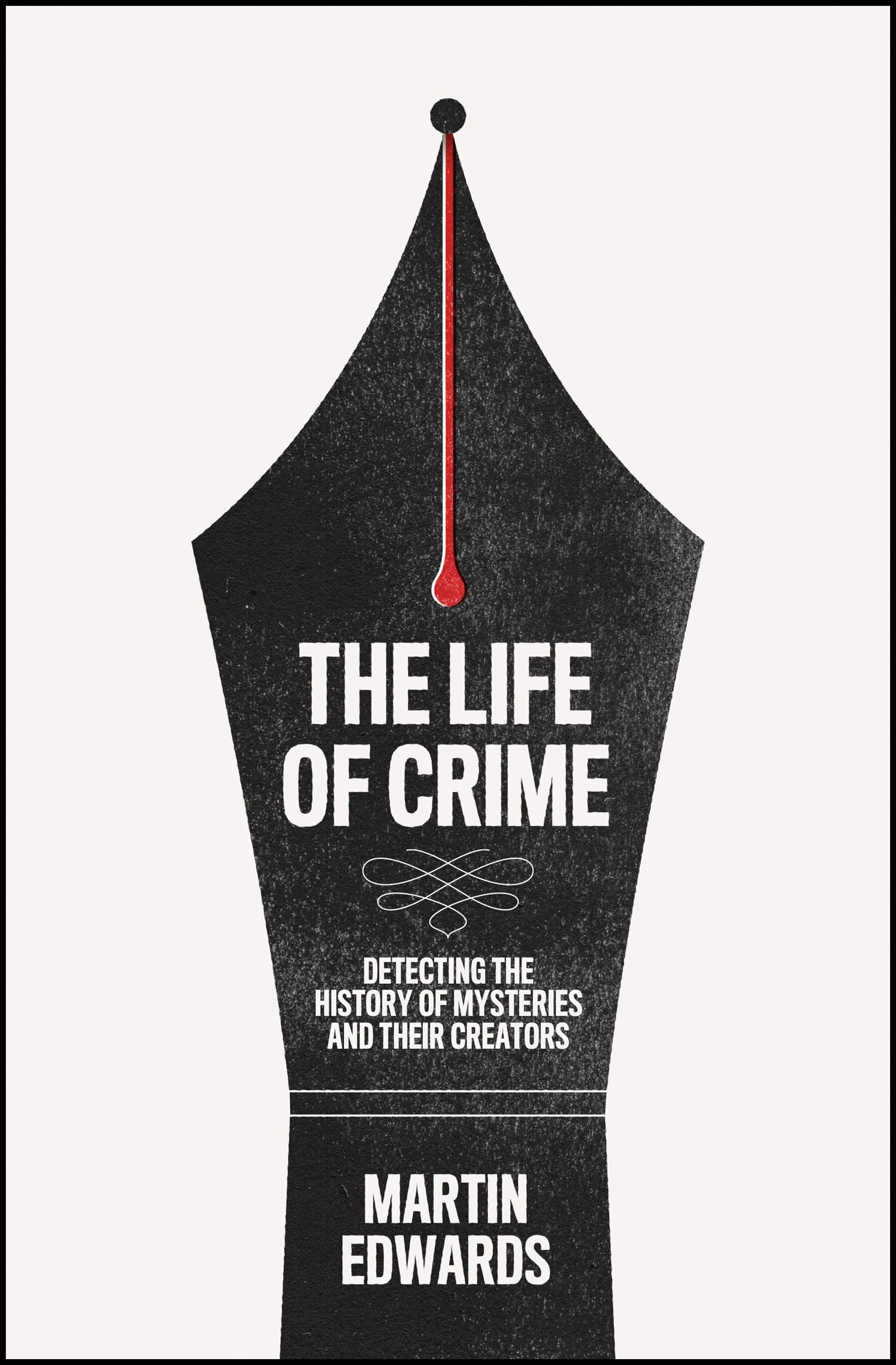
To me falls the honour of rounding off the blog tour for The Life of Crime (2022) by Martin Edwards, adding to the deserved praise it has already garnered elsewhere. This “personal journey through the genre’s past, with all the limitations and idiosyncrasies that implies” is a monumental achievement, encompassing the breadth and depth of a genre that is now a good couple of centuries old, and finding many nuggets to share about it along the way. And, since any study of a genre must inherently be about that genre to some extent, Edwards’ trump card here is to tell a story of crime writing that also sheds light on the need for such stories to exist in the first place.
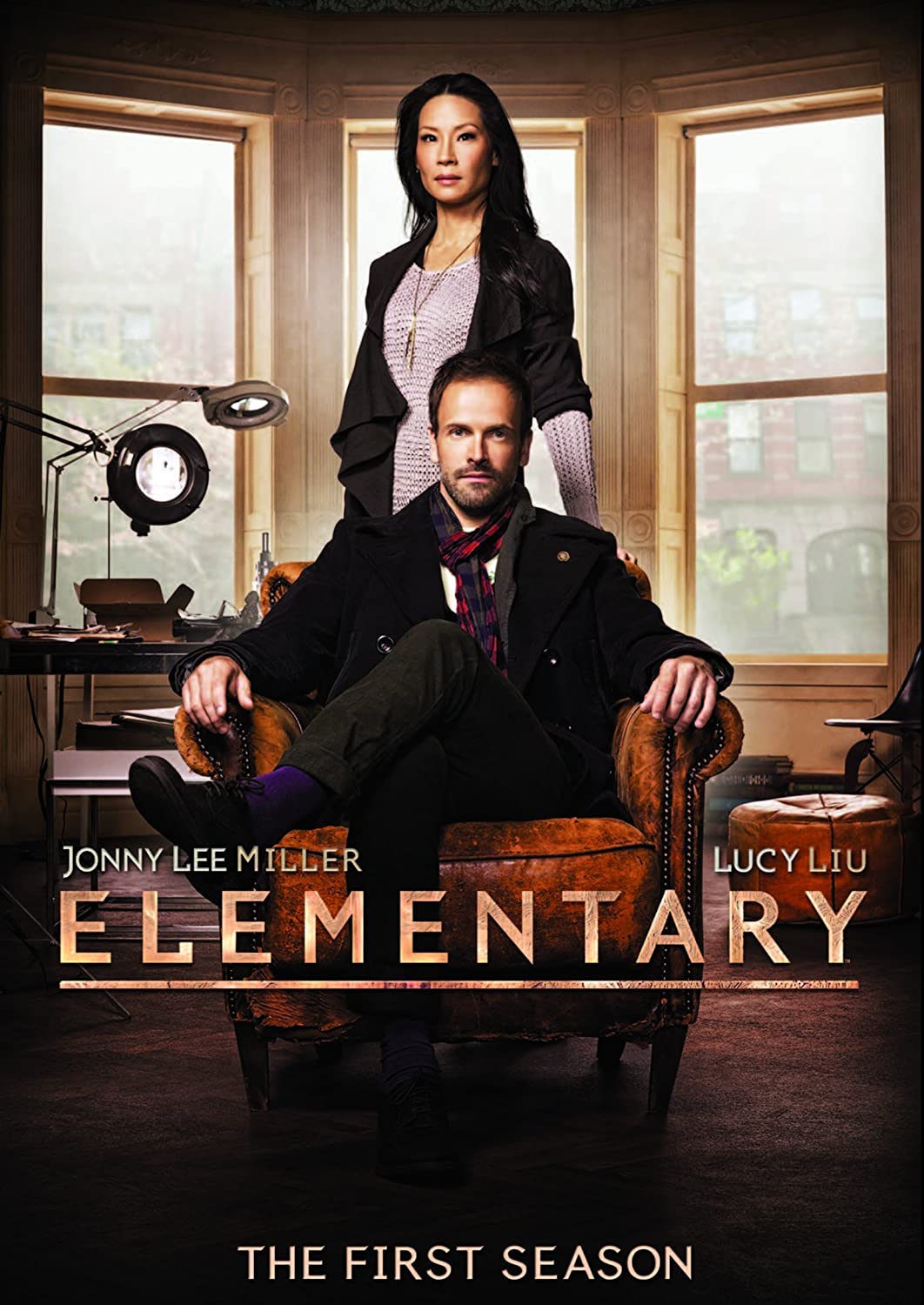
Brad is working his way through full season summary breakdowns of the recent US TV Sherlock Holmes update Elementary (2012-19) and, since he and I have been watching it at about the same time — thanks to urging from a mutual friend — I thought I’d belatedly jump on that bandwagon share my own thoughts in more compact form.
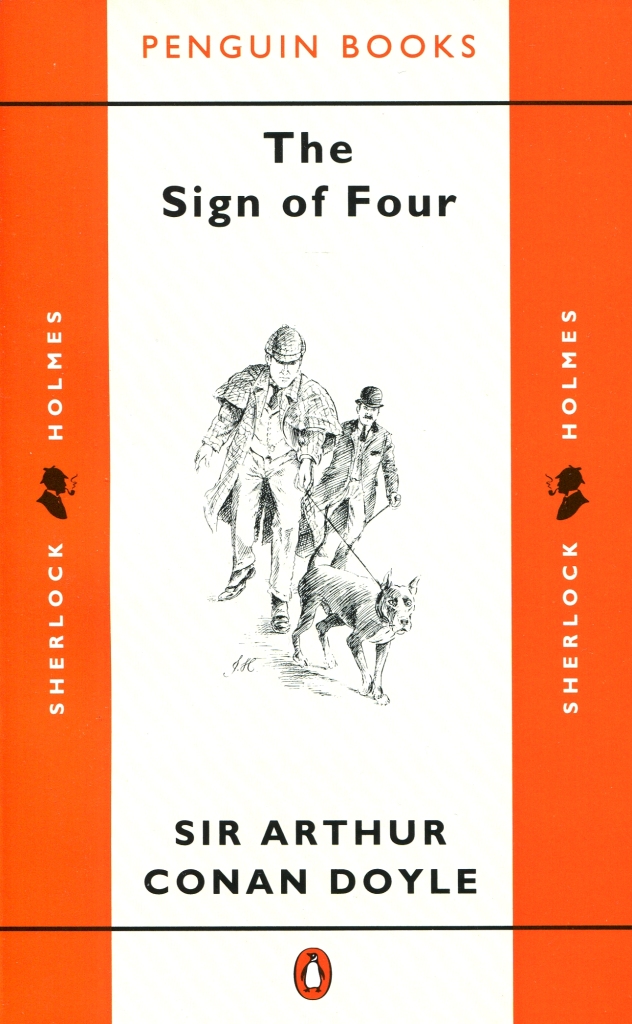
My memory of The Sign of Four (1890), the second story to feature Sherlock Holmes from the pen of Arthur Conan Doyle, was that it offered little of interest or consequence, and stood rather as a footnote in the canon than a core text. And, rereading it for this post, I’ve come to realise that this impression is both quite right and very wrong indeed.
Continue reading The Invisible Event