
Here’s something I’ve been curious about, and probably only now have the time and energy to think about organising: who is the most popular detective character of the genre’s Golden Age?
Continue readingHere’s something I’ve been curious about, and probably only now have the time and energy to think about organising: who is the most popular detective character of the genre’s Golden Age?
Continue reading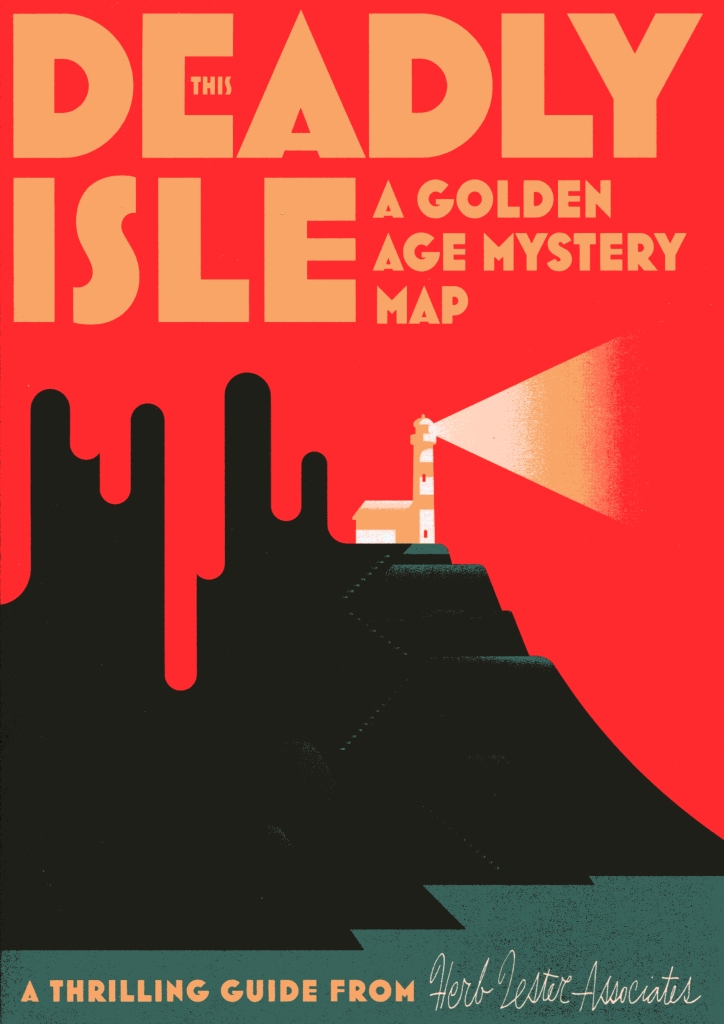
After the very enjoyable work done by Herb Lester and Caroline Crampton in mapping the key locations of Agatha Christie’s English mysteries, it was surely only a matter of time before a similar project was attempted. And This Deadly Isle, which maps the locations of a raft of Golden Age mysteries across the country, is the delightful inevitable follow-up.
Continue reading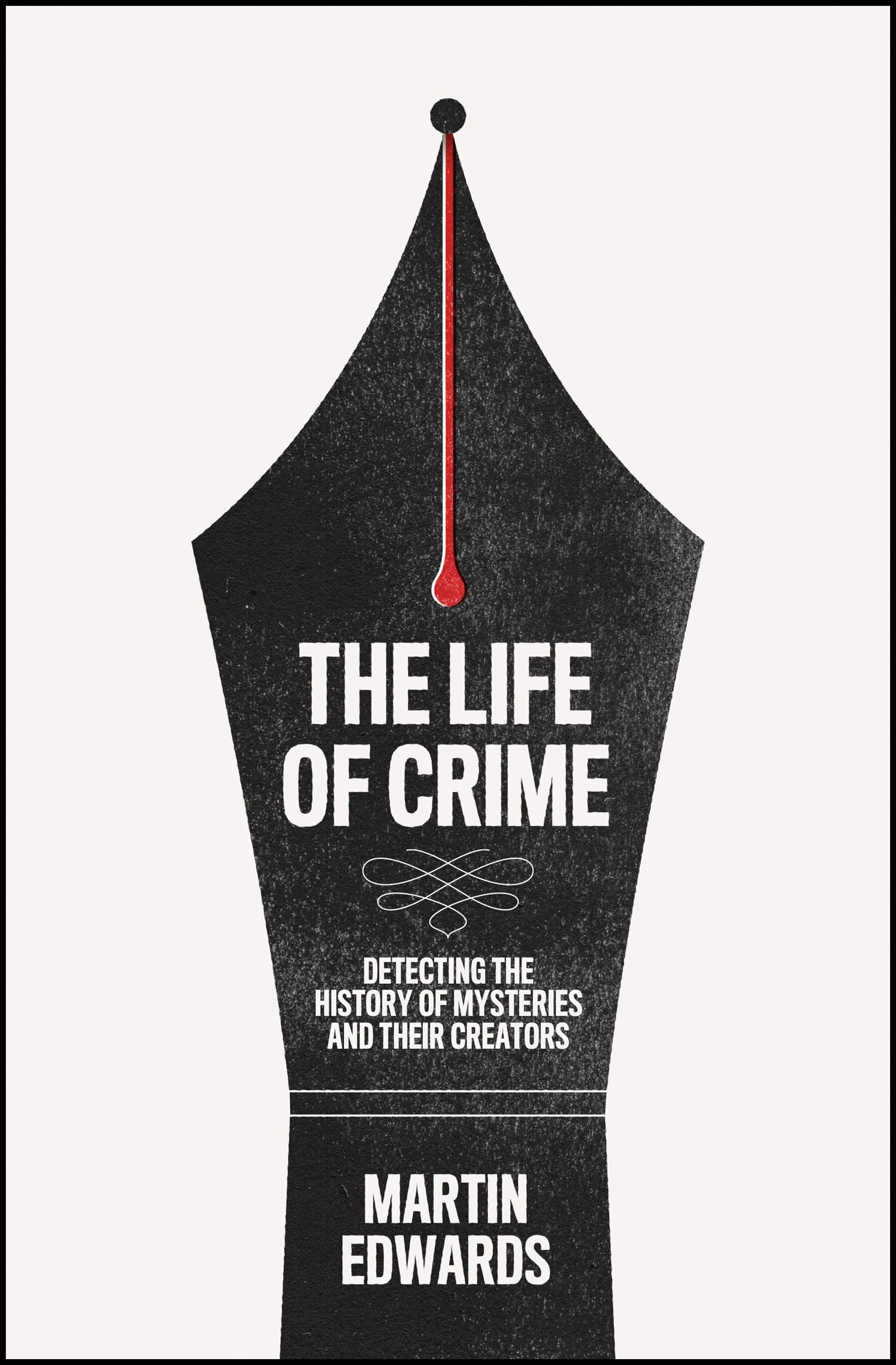

To me falls the honour of rounding off the blog tour for The Life of Crime (2022) by Martin Edwards, adding to the deserved praise it has already garnered elsewhere. This “personal journey through the genre’s past, with all the limitations and idiosyncrasies that implies” is a monumental achievement, encompassing the breadth and depth of a genre that is now a good couple of centuries old, and finding many nuggets to share about it along the way. And, since any study of a genre must inherently be about that genre to some extent, Edwards’ trump card here is to tell a story of crime writing that also sheds light on the need for such stories to exist in the first place.


For someone who wishes there was more ambition displayed in the modern impossible crime novel, I prove hard to please when Gallic maestro of the impossible Paul Halter stretches his wings into his more enterprising undertakings. I can’t shake the feeling that I rated The Man Who Loved Clouds (1999, tr. 2018) a little too harshly, and maybe in a couple of years I’ll feel that The Mask of the Vampire (2014, tr. 2022) deserves more than the three stars I’m giving it. Because, see, there is a lot of ambition here, and I want to celebrate the complexity of Halter’s intentions and achievements…but, I dunno, something just holds me back.

If ever you come back, there will be blood! Blood! So runs the anonymous note melodramatically warning 29 year-old Tatsuya Terada against returning to the isolated Village of Eight Graves, out of which he was smuggled as a toddler. However, it seems that he is the heir to the Tajimi family fortune, which in turn links him inextricably to the terrible violence that traumatised the village 26 years ago, and give many cause to see him as a bird of ill omen. Sure enough, upon his arrival at his wealthy family’s vast estate, people start to die. Quite a lot of people. People who were very much alive before Tatsuya Tajimi showed up.
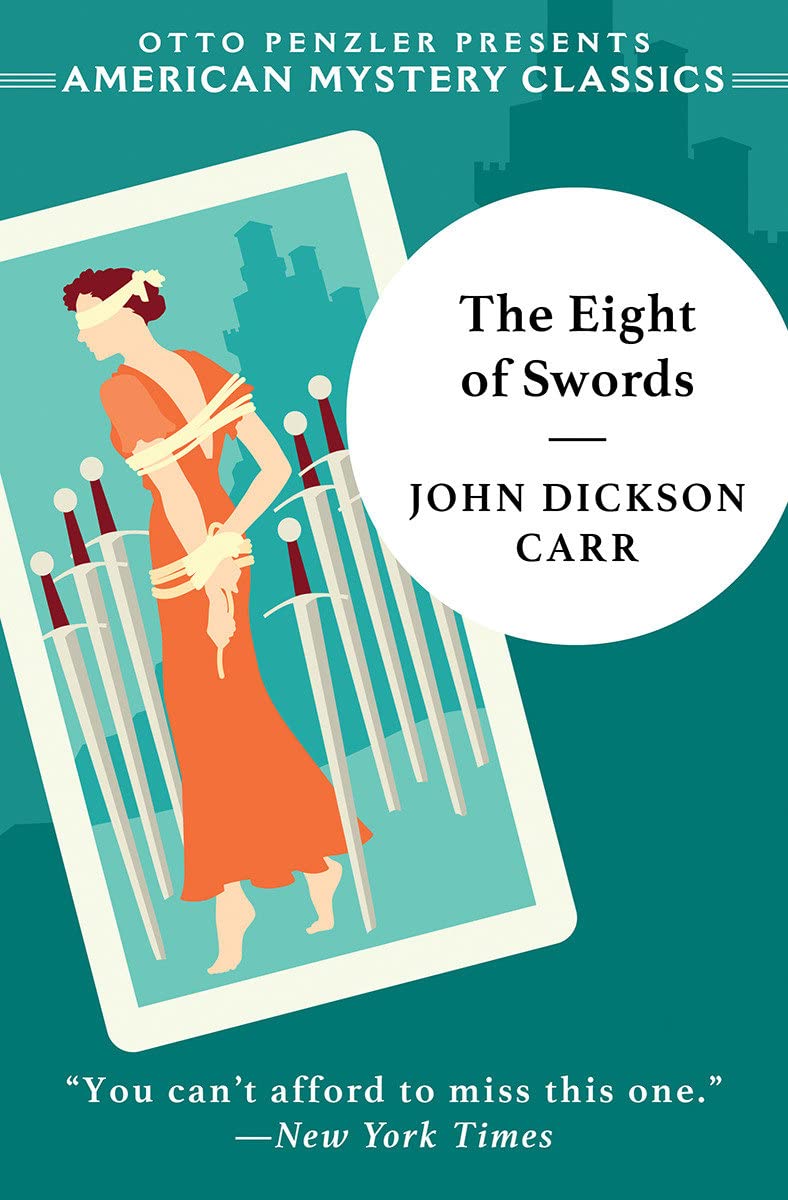
The recent undoing of whatever logjam had prevented the reissuing of John Dickson Carr’s novels is a cause for much celebration among fans of classic detective fiction. It Walks by Night (1930), Castle Skull (1931), The Lost Gallows (1931), The Corpse in the Waxworks (1932), Hag’s Nook (1933), The Mad Hatter Mystery (1933), The Plague Court Murders (1934), The Crooked Hinge (1938), The Case of the Constant Suicides (1941), She Died a Lady (1943), and Till Death Do Us Part (1944), can now be bought easily for sensible money, finally providing some company for The Hollow Man (1935), which had been flying the flag in bookshops toute seule for decades now.
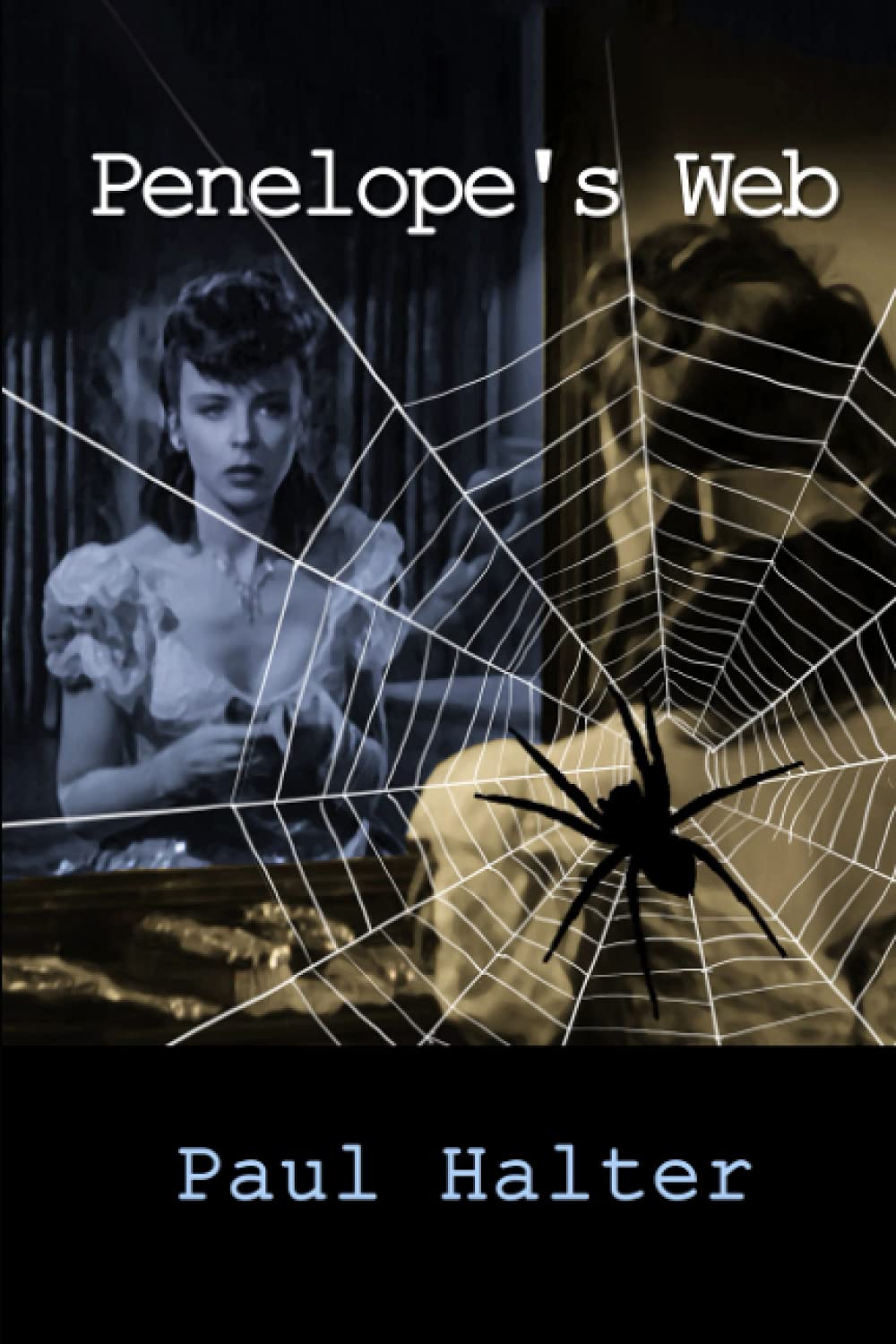
In my recent conversation with Nick about Jonathan Creek, I reflected on how a chance encounter with that television programme ended up having a profound effect upon my interests. No less profound an effect was brought about by my purchasing of John Pugmire’s translation of The Fourth Door (1987, tr. 1999) by Paul Halter back in 2013. The annual Halter translations Pugmire publishes through Locked Room International are a highlight of my year, having provided a window on the French mystery in the Golden Age and beyond (thanks almost entirely to Pugmire’s translations of many other classics), and being a riotously fun time along the way.

It’s Hallowe’en — or, er, it will be in a few weeks — and so I’m jumping on the branding train and looking at some short stories that feature ghosts, ghouls, witches, and other season-appropriate horrors which end up having rational resolutions.
Continue reading
Last week, Nick Cardillo and I discussed the impossible crime on screen, at the end of which he casually asked about Jonathan Creek like I’d be able to condense my thoughts into a pithy bon mot and not obsess about what I’d missed out for the next 30 or 40 years. Instead, we’re back to discuss the series as a whole today.
Continue reading
 The Invisible Event