#1372: “I’ll play along!” – You Are the Detective: The Creeping Hand Murder (2025) by Maureen Johnson & Jay Cooper

Having previously poked their tongue into their cheeks with Your Guide to Not Getting Murdered in a Quaint English Village (2021), Maureen Johnson and illustrator Jay Cooper turn their minds to committing crimes rather than evading them with The Creeping Hand Murder (2025). I have Brad to thank for bringing this to my attention, and, having recently held forth on the hiding of clues, it seemed the perfect opportunity to look at the inevitable use of the visual to communicate that which would be far more obvious, or difficult to convey subtly, in prose.

Continue reading

#1365: The Killer Question (2025) by Janice Hallett


You must, at the very least, admire Janice Hallett’s industry, The Killer Question (2025) being her seventh book since she burst onto the crime fiction scene with her debut, The Appeal (2021). It’s difficult not to feel that some of those books could have used a bit of extra time in the writing, but Hallett deserves to be lauded for the way her sort-of-epistolary approach to storytelling and — especially — character-building has shown such great variety in such a short time. And this latest novel, her fifth for older readers, continues to evince much of what makes her successful…and some of the habits she’s picking up which, for this reader at least, stymie her somewhat.

Continue reading

#1219: The Examiner (2024) by Janice Hallett

Examiner

star filledstar filledstarsstarsstars
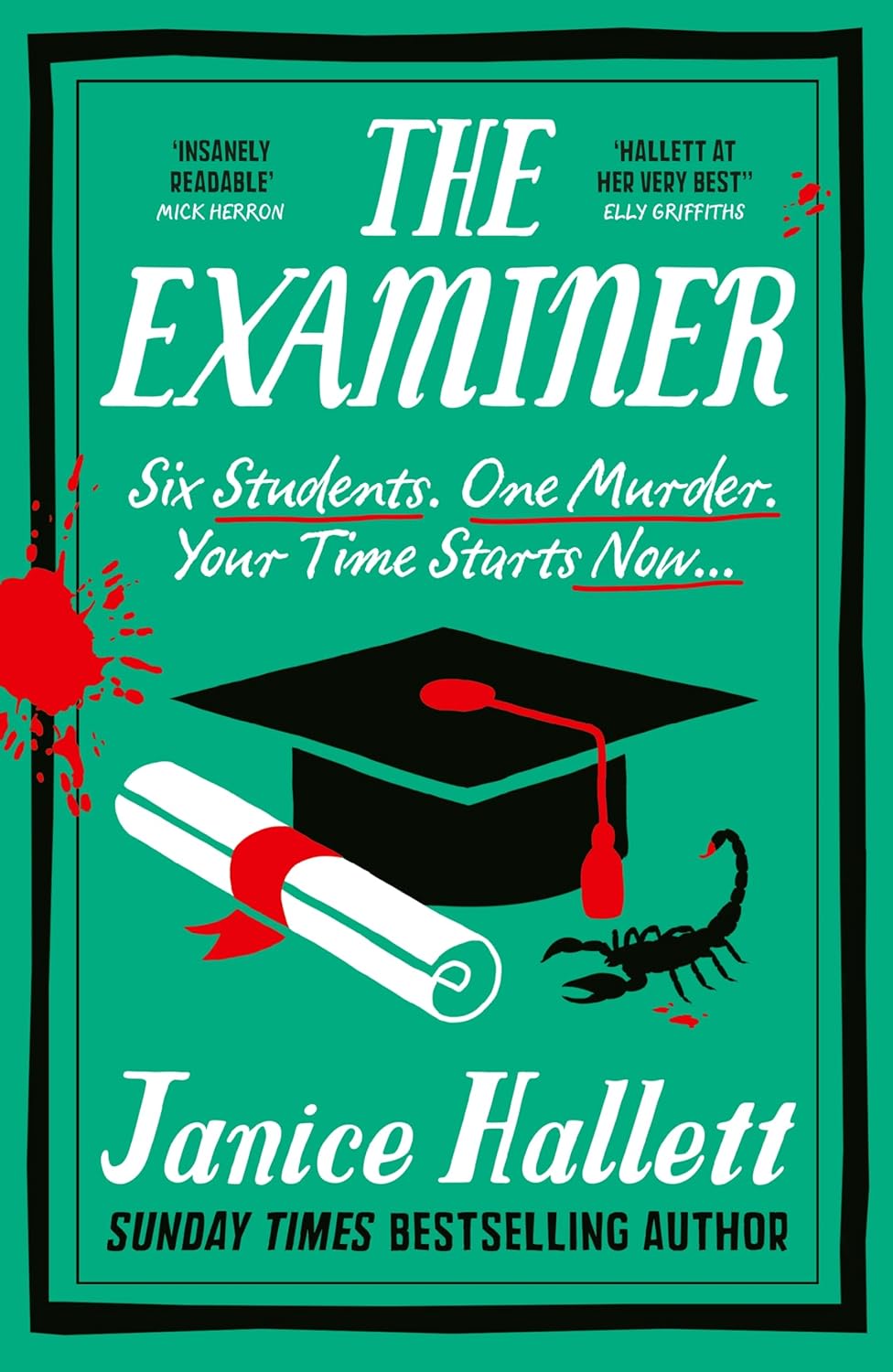
Janice Hallett fairly set the crime fiction firmament a-gaggle with her debut The Appeal (2021), a story of murder in a community theatre group told via emails and texts. Her third novel, The Mysterious Case of the Alperton Angels (2023), was, to my thinking, even more successful again, not least because of how it stirred in a speculative plot about the Antichrist and a forthcoming apocalypse so confidently, again told via various media rather than in straight prose. So when her fourth novel The Examiner (2024) was announced, I was at the head of the (library) queue, and, well, we might be in an her-odd-numbered-novels-are-the-good-ones situation.

Continue reading

#1040: The Mysterious Case of the Alperton Angels (2023) by Janice Hallett

Alperton Angels

star filledstar filledstar filledstar filledstars
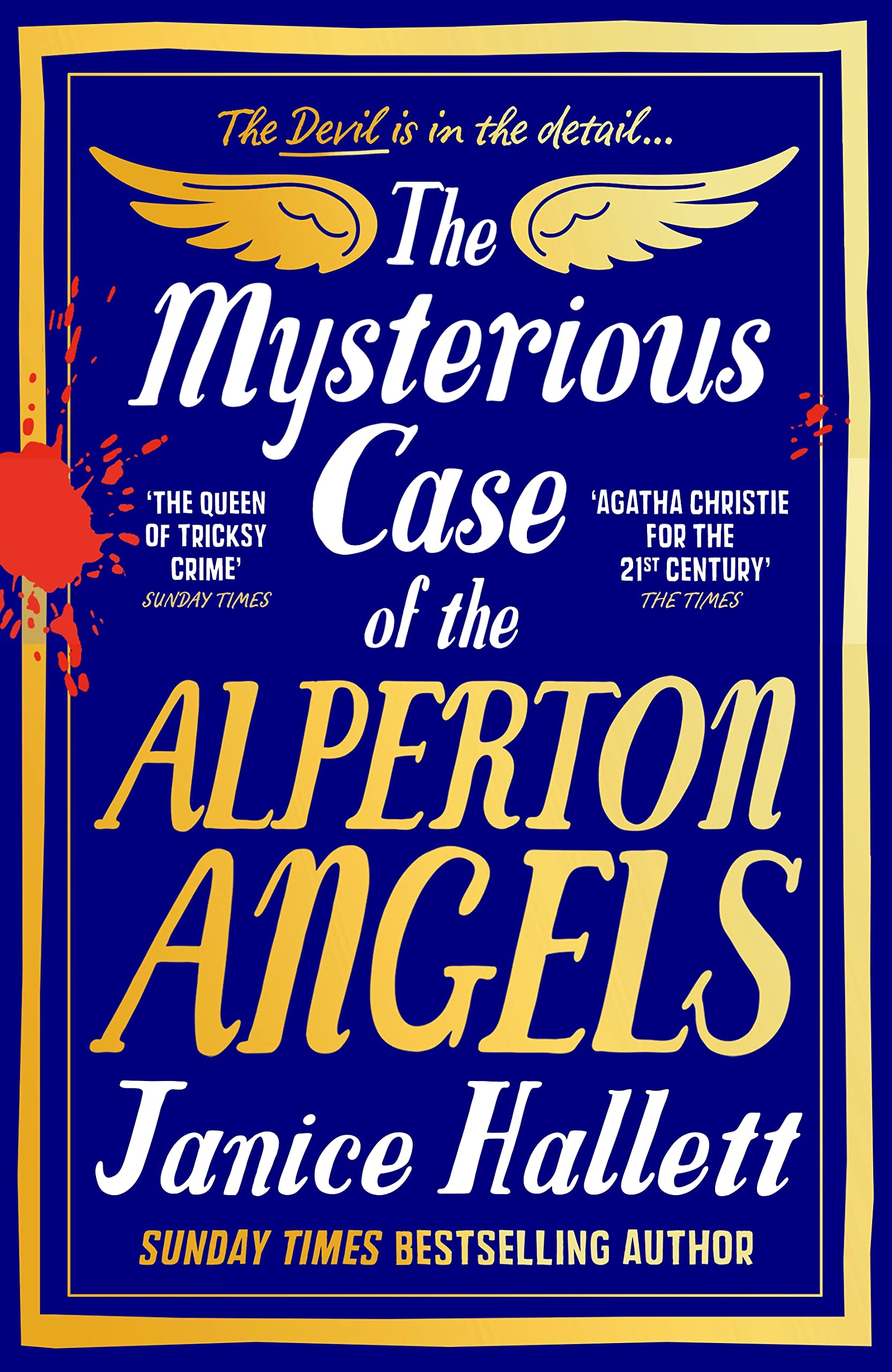
Belial.  Behemoth.  Beelzebub.  Asmodeus.  Satanas.  Lucifer.  The Antichrist has had many names in many cultures, and taken many forms, such as 18 years ago when a young woman gave birth to the Prince of Darkness. Thankfully, she was identified by a small group of angels who had taken human form and who knew that the baby had to be killed during a particular cosmic alignment in order to stop it simply being reborn over and over. What happened to that young woman, and to the angels who saved her, has been the subject of intense speculation ever since, and now true crime writer Amanda Bailey is going to dig into the case of the Alperton Angels and get to the bottom of all the nonsense. Because it was all nonsense. Right?

Continue reading

#975: Death on the Down Beat (1941) by Sebastian Farr

Death on the Downbeat

star filledstar filledstar filledstar filledstars
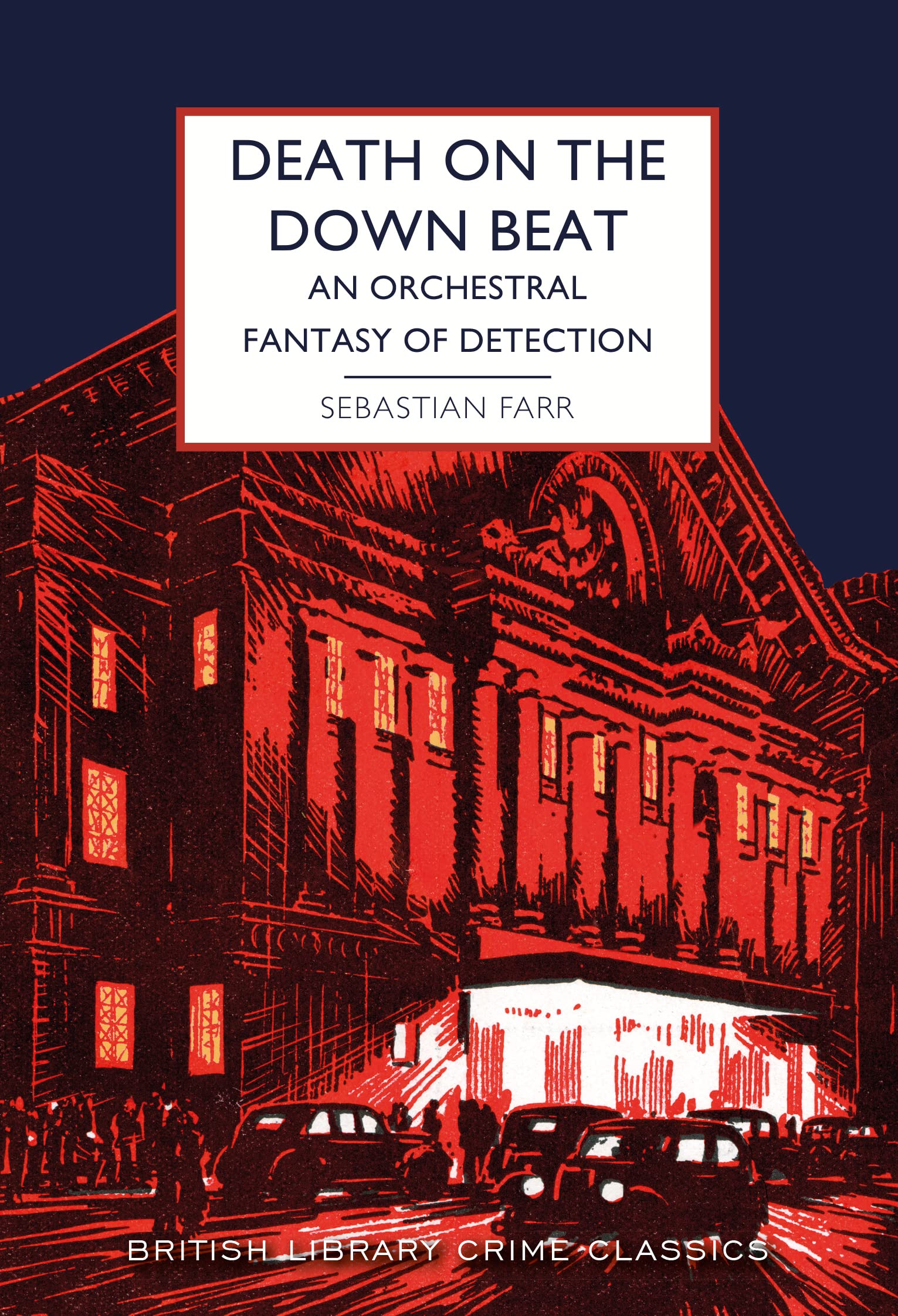
Both versions of Alfred Hitchcock’s The Man Who Knew Too Much (1934/1956) contain excellent scenes in which a killer takes aim at their target in the Royal Albert Hall while the music builds ominously. Sebastian Farr’s Death on the Down Beat (1941) utilises the same idea, but transfers it to an orchestral performance of Richard Strauss’ Ein Heldenleben in the fictional northern city of Maningpool and picks up after the killing, asking what would happen if the murder of an unpopular conductor in such circumstances was investigated a weary detective who just wants to get home to his wife and young children and finds himself frustrated at almost every turn by the intrusion by self-important local types.

Continue reading

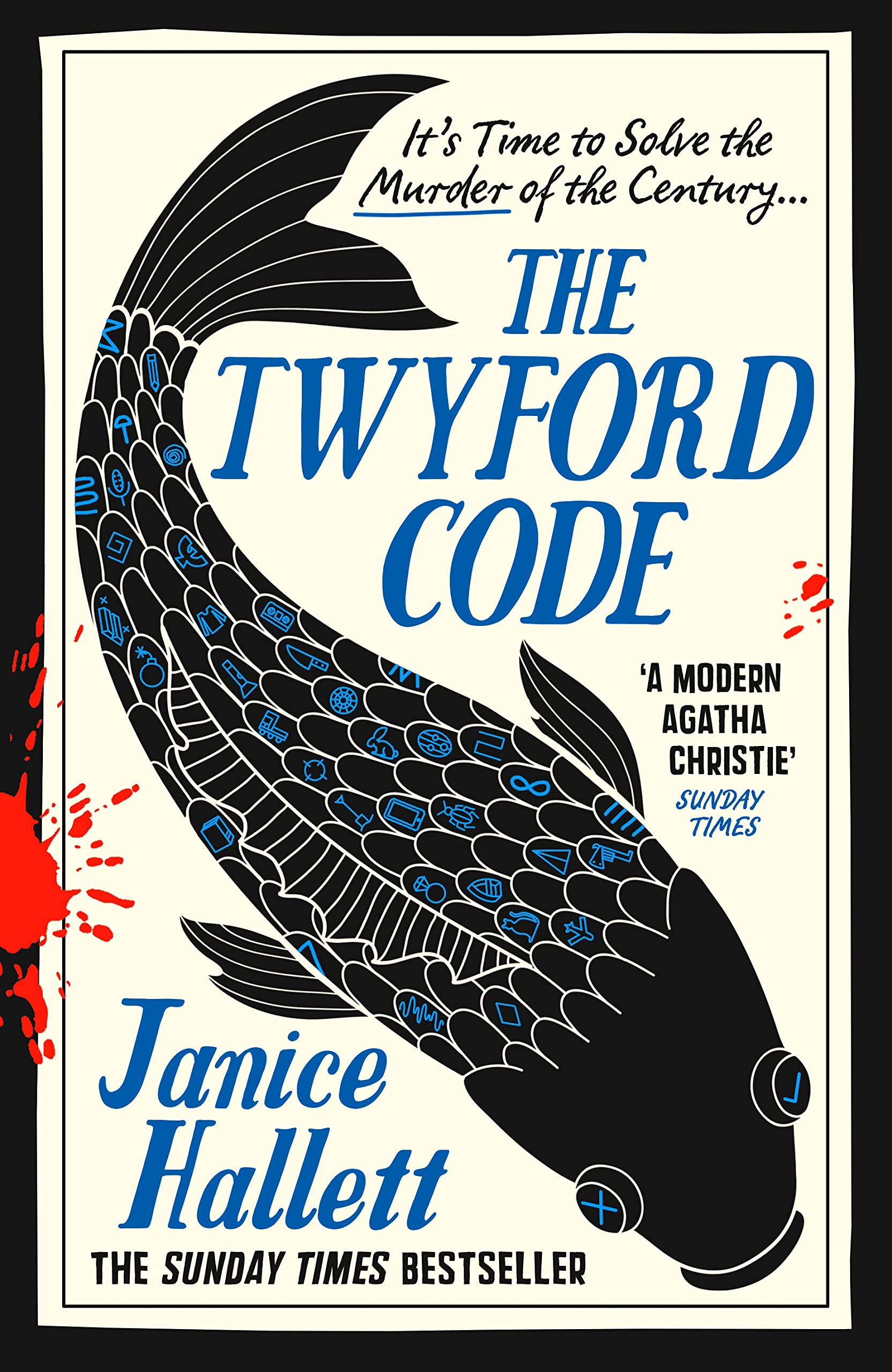
#900: The Twyford Code (2022) by Janice Hallett

Twyford Code

star filledstar filledstar filledstarsstars
Depending on who you ask, the wartime children’s books of Edith Twyford are either “an unchallenging read on every level [with n]o subtext [and n]o depth” or they’re “nasty, sadistic, moral little tales full of pompous superiority at best and blatant racism at worst.” Her series based around The Super Six in which “[t]hree girls and three boys…solve mysteries that have been puzzling the local community” has been gradually updated with each successive generation and translation, so that their outdated attitudes can be put aside once and for all. But might something else have been lost along the way? Something people would kill for?

Continue reading