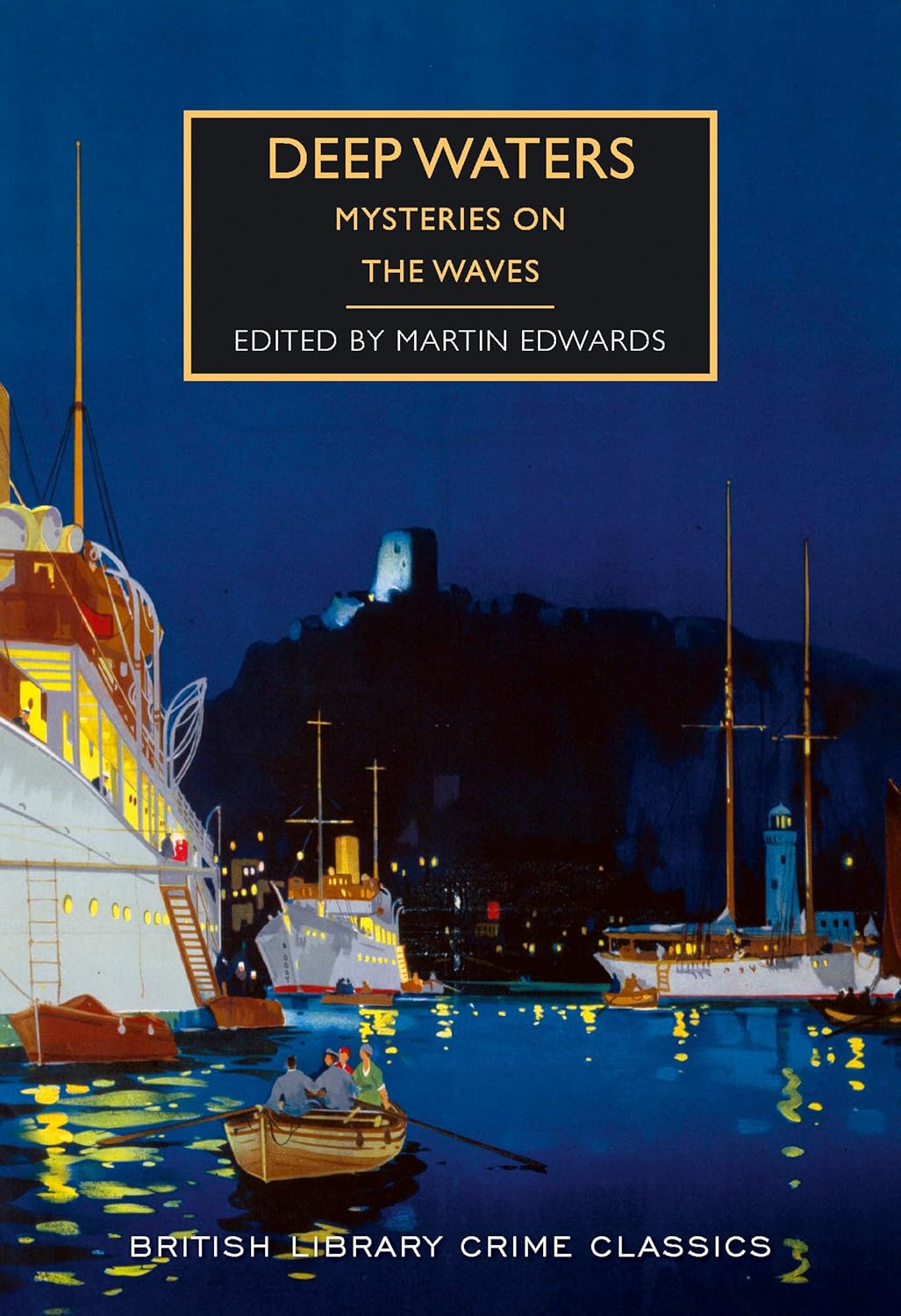
Sixteen salty seadogs sallying seaward in search of scurrilous…stuff, that’s what you’ll more or less find in Deep Waters [ss] (2019), another anthology of short fiction in the British Library Crime Classic series edited by the some-might-say-too-knowledgeable Martin Edwards.
Continue readingE.W. Hornung
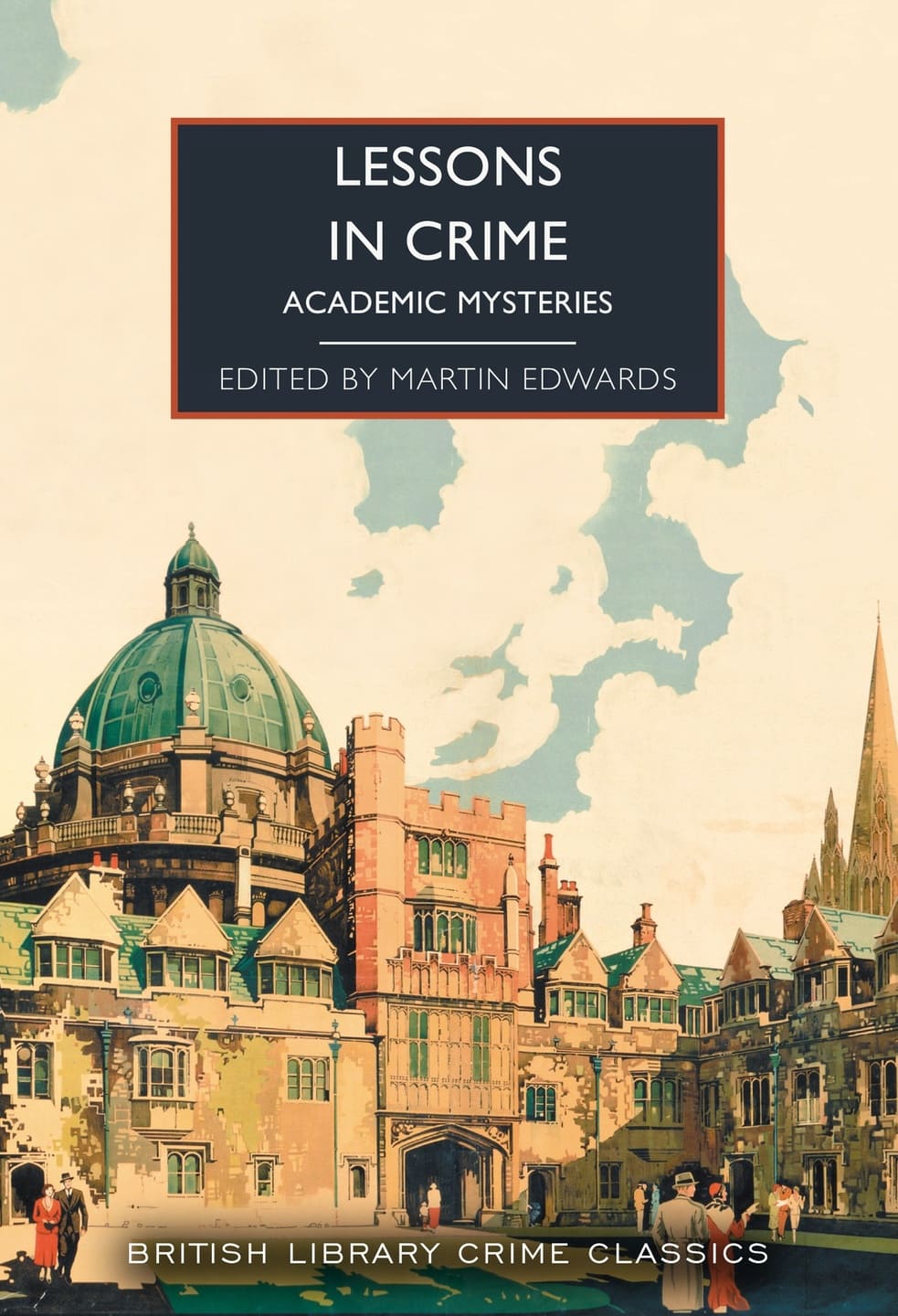
#1453: “The police are bound to be about the place somewhere.” – Lessons in Crime: Academic Mysteries [ss] (2024) ed. Martin Edwards
Featuring fifteen felonious fables from phrontistery factions, Lessons in Crime [ss] (2024) is another collection in the British Library Crime Classics range edited by the acme of appreciation of this era, Martin Edwards.
Continue reading#1077: “A gleeful disregard for law, and an ungentlemanly pride in his own cleverness.” – The Penguin Book of Gaslight Crime [ss] (2009) ed. Michael Sims
Subtitled Con Artists, Burglars, Rogues, and Scoundrels from the Time of Sherlock Holmes, The Penguin Book of Gaslight Crime [ss] (2009) collects twelve stories originally published between 1896 and 1919 — an era which I find myself increasingly interested in, giving birth as it did to the Golden Age of the 1920s-40s.
Continue reading#866: Little Fictions/The Cornerstones – The Amateur Cracksman, a.k.a. Raffles [ss] (1899) by E.W. Hornung
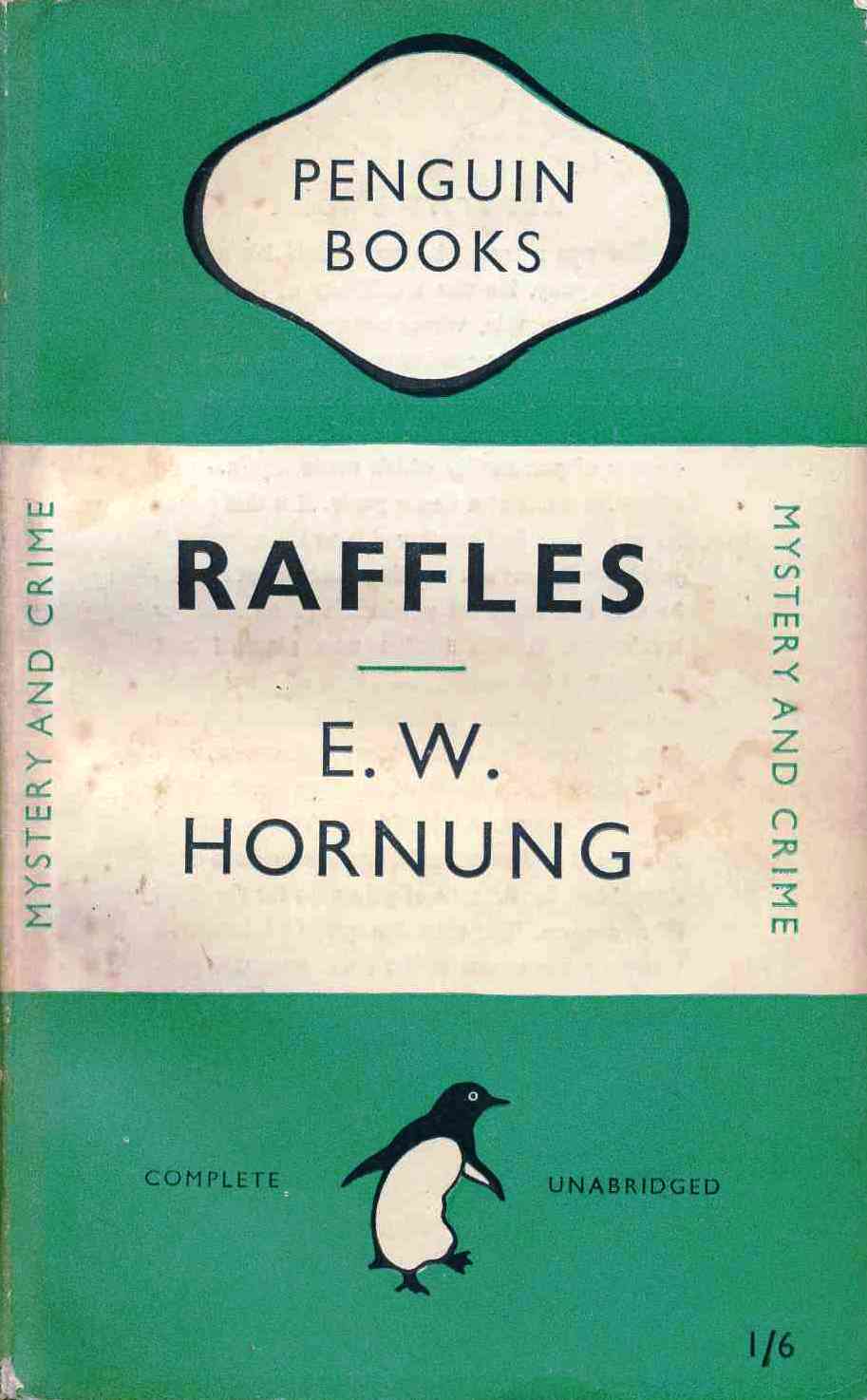
As discussed previously, Tuesdays in February will feature four collections of short stories on the Haycraft-Queen Cornerstones list, selected on account of my ever-growing interest in what the genre looked like before the advent of the Golden Age in (no arguments here…) 1920. Confusingly, my 1950 green Penguin paperback of gentleman thief Raffles stories by E.W. Hornung shown above contains 14 tales, only the first eight of which concern us today, comprising as they do the first collection to feature the character, The Amateur Cracksman (1899).
Continue reading#790: On the Morals of Golden Age Detective Fiction, via Crime and Detection [ss] (1926) ed. E.M. Wrong
That title is doing a lot of work, isn’t it? Fair warning: this goes on a bit.
At the online Bodies from the Library conference last weekend, I gave a talk inspired in part by E.M. Wrong’s introduction to the 1926 anthology Crime and Detection. And, in addition to coining the term “Wellington of detection” that inspired the thinking I laid out last weekend, there is plenty of material in that piece of prose to get the cogs turning.
Continue reading#726: Reflections on Detection – The Knox Decalogue 7: The Detective-as-Criminal
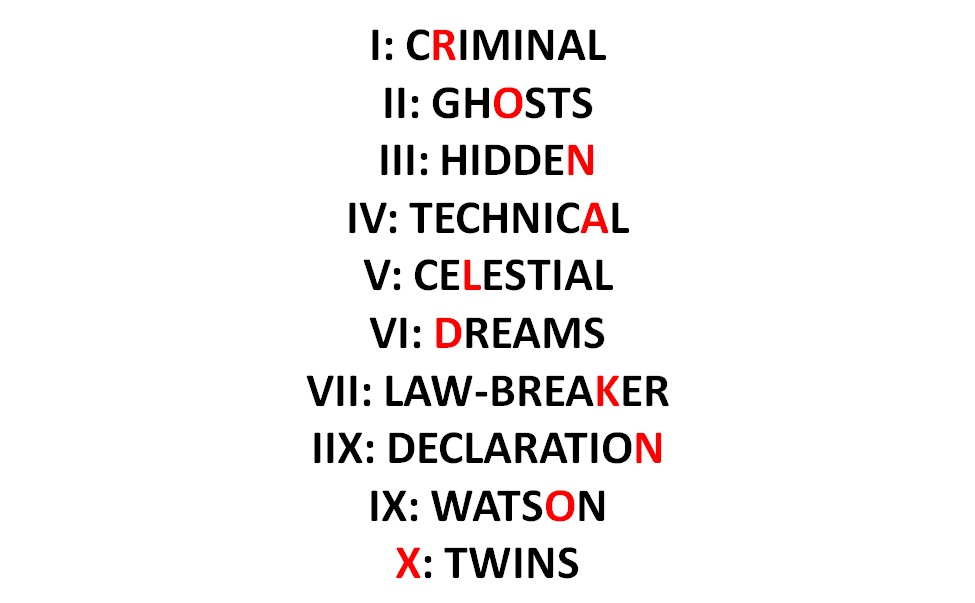
I hope I’ll finish this undertaking before another year passes, but with the end of November upon us this is my last post on the Knox Decalogue for this year. So, what have we got?
Continue reading