#59: On Locked Rooms and Impossible Crimes in fiction – something of a ramble

footprints

I was recently reading a book on the promise of it providing a locked room murder, to which I am rather partial.  When said murder arrived, it took on this approximate form: a large indoor hall with a free-standing stone chapel inside it which has one door and no windows or other points of ingress, a crowd witnesses a lady entering said chapel – which is deserted – alone and the doors are shut, only for them to be opened some time later and said lady found beaten, bruised and devoid of life.  It’s moderately classic in its setup and should therefore provide some interest, but once I read the details of the crime I gave up on the book and will not return to it (in fact, it’s already down the charity shop).

This is not due to any squeamishness on my part, or a particular problem I had with the writing or the characters – both were fine, if unexceptional – but rather just because it just wasn’t interesting.  It is hard to put this in words, which is why I imagine this post may run rather longer than usual, but there were simply no features of intrigue to me in that supposedly impossible murder.  And so I got to thinking…forget plot or prose or atmosphere, take away all the context of an impossible crime, particularly forget about the solutions: what makes an interesting fictional impossibility? Continue reading

#44: Who are the Kings of Crime?

King

The Tuesday Night Bloggers – an opt-in blogging group initially started by ‘Passing Tramp’ Curtis Evans to commemorate Agatha Christie’s 125th birthday but since expanded to include a broader program of authors from the Golden Age – has produced a glorious range of diverse posts from a variety of contributors and perspectives.  Mostly I feel incapable of contributing anything half as interesting as what these guys and girls come up with, but Brad Friedman’s recent Ngaio Marsh-themed post on his excellent AhSweetMysteryBlog has got me thinking laterally about something he said, and so I’m going to run in my own direction with an idea that I’m curious about.

Any conversation about Marsh, see, veers into the debate over the Queens of Crime which is rife with obviously-Christie, pro-Sayers (hmmm), anti-Mitchell (yay!), possibly-Allingham (wooo!) debate, but Brad says that his personal “Queens of Crime” included John Dickson Carr and Ellery Queen.  And I thought: hang on a minute, male monarchs?  There’s a word for that…

Because, who are the kings of crime fiction?

Continue reading

#38: Five to Try – Short Story Collections

Following my torrent of Sherlock Holmes I was tempted to do a ‘Five to Try’ on the short story collections, picking my favourite story from each.  But it’s not as if the Holmes canon doesn’t have enough words dedicated to it already, and thus I thought I’d opt for collections by other authors instead.

So, the rules: collections of short stories by a single author (no compendiums, wherein the quality always varies horrendously), readily available today…that just about covers it.  And so, alphabetically by author, we have:

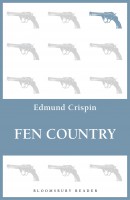
Fen Country (1950-79) by Edmund Crispin

Fen CountryThe second of Crispin’s two short story collections, published posthumously.  My choice of the two because of the way a lot of the stories hinge on a very simple core idea – homonyms, for example – that might come across a gimmicky but manage in about six or seven pages to communicate setting, setup, event, outcome and misdirection.  Frankly no small feat! Yes, consequently the characters tend to suffer (the ebullient Fen is a curiously neutered presence in the stories in which he features) but for sheer inventive interpretation after inventive interpretation this is hard to beat.  And as an example of Crispin’s tight hold on the reins of his plots (which could, let’s face it, get a bit beyond him in his novels) this reinforces his reputation in a form that has often proved the undoing of lesser talents. [Available in ebook and thoroughly unattractive print form from Bloomsbury]

Recommended reading: ‘Death and Aunt Fancy’, ‘The Hunchback Cat’, ‘Outrage in Stepney’ Continue reading