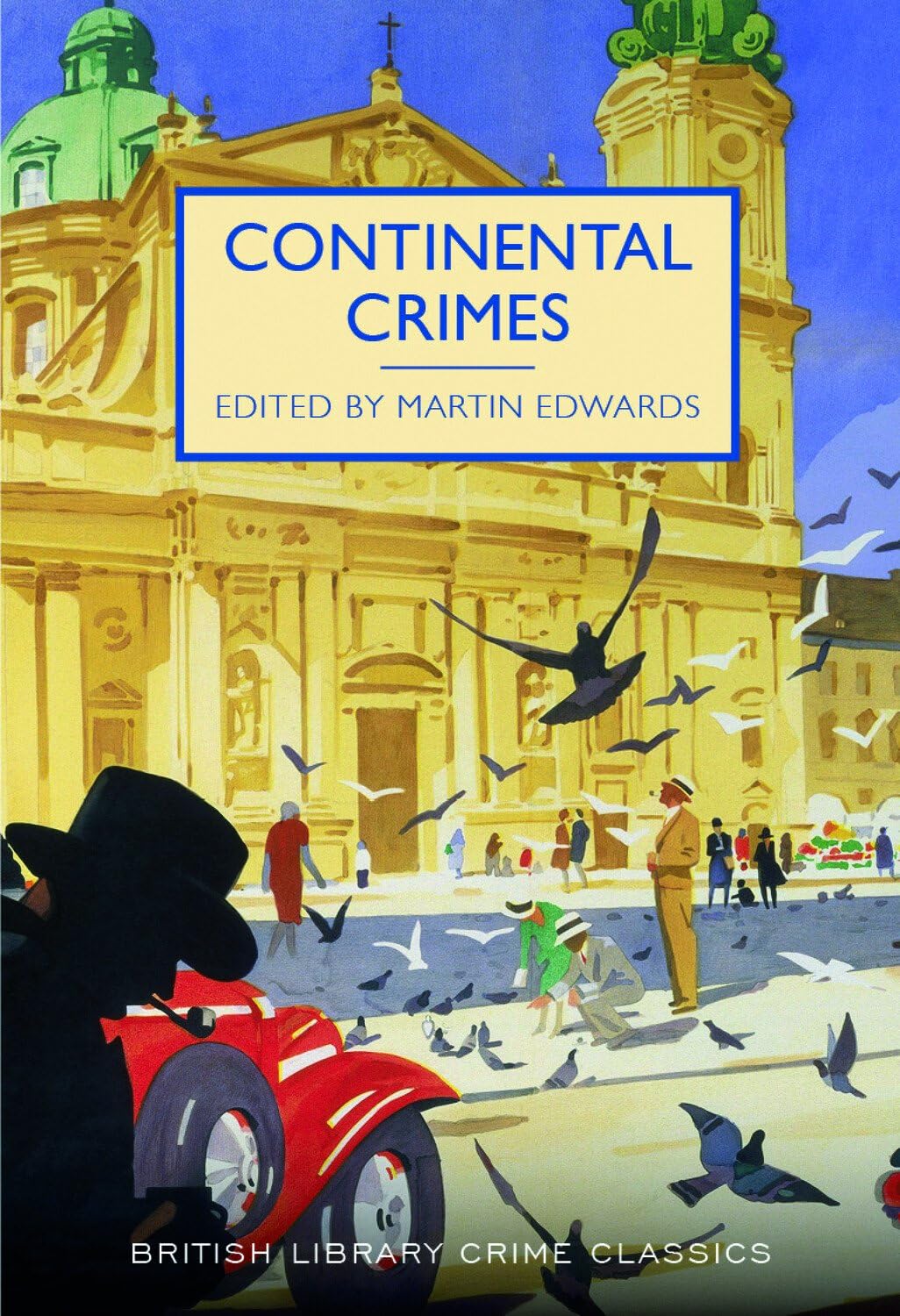
#1390: “Circumstances might arise when a murder would be the only way out of a difficulty.” – Continental Crimes [ss] (2017) ed. Martin Edwards

Christmas is done for another year, and so my mind turns to the summer holidays and the possibilities of Europe. Yeah, it’s early to be planning this sort of thing, but I like to be prepared. And so naturally it is the British Library’s collection Continental Crimes [ss] (2017) that I crack open for research

Continue reading

#1360: “Didn’t we have enough excitement four years ago?” – The Seven Dials Mystery (1929) by Agatha Christie

In my online book club, discussion turns from time to time to our favourite GAD novels of a particular decade. Having done the 1930s and the 1940s, we turned to the 1920s. And, since there’s an expectation of Agatha Christie being in the mix when discussing favourite GAD titles, I thought I’d return to what I remember to be my favourite from her first decade, The Seven Dials Mystery (1929).

Continue reading

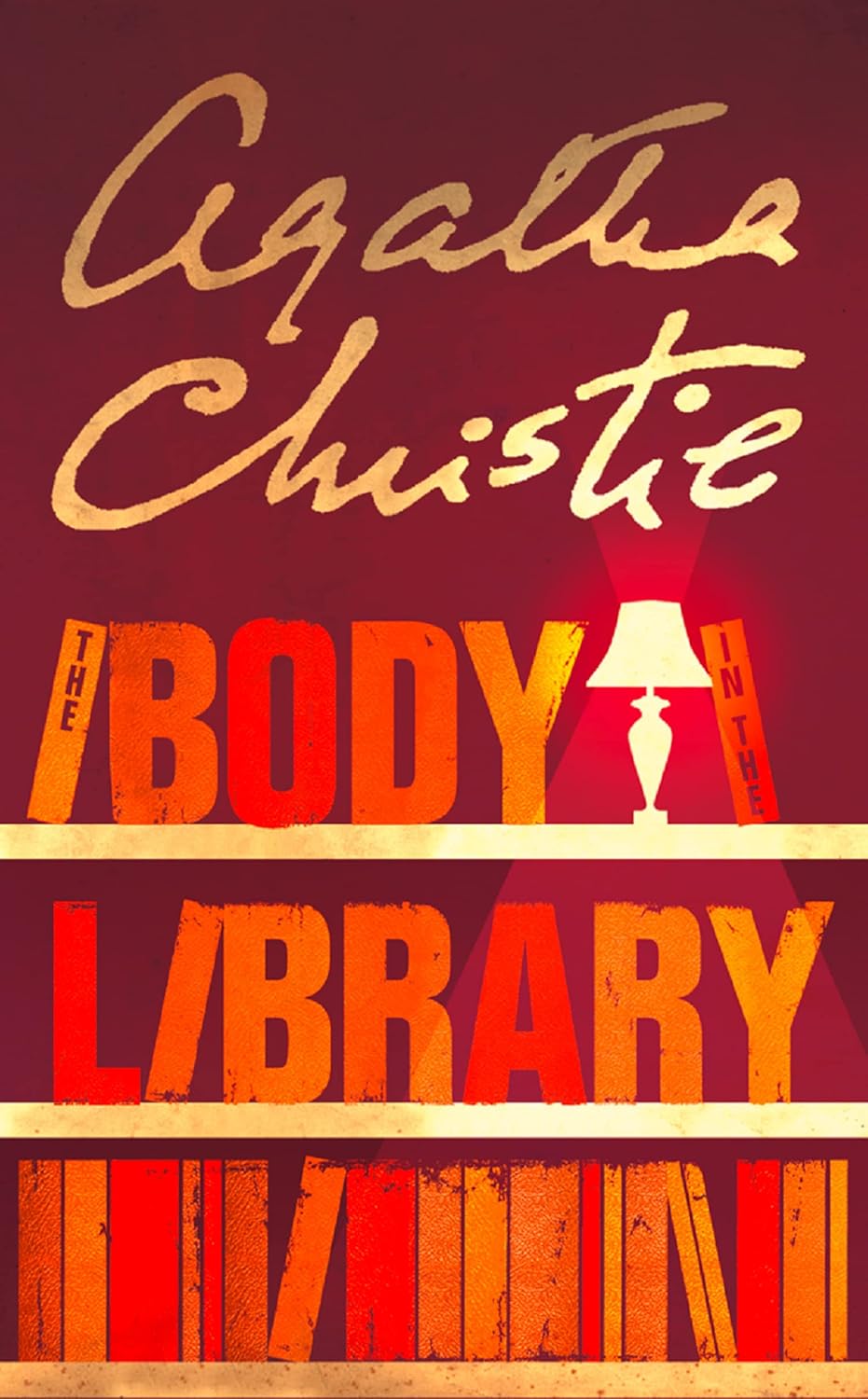
#1288: “I thought they only happened in books.” – The Body in the Library (1942) by Agatha Christie

When we talk about examples of the classic novel of detection being treated as a knowing parody of itself, titles oft-mentioned include The Poisoned Chocolates Case (1929) or Jumping Jenny (1933) by Anthony Berkeley. But I’ve just read The Body in the Library (1942) by Agatha Christie for the first time in 25 years, and, like, her tongue is positively bulging through her cheek at times, no?

Continue reading

#1245: Peril at End House (1932) by Agatha Christie

Peril at End House

star filledstar filledstar filledstar filledstars
Thursdays in January, I have decided — to get me through the start of year meh — are going to be books I loved before blogging and now want to revisit to get some thoughts on record.  Which brings us to Peril at End House (1932) by Agatha Christie, which I picked as one of my 10 Favourite Mysteries of the 1930s before thinking ‘Hmmm, I should probably reread that to see if it stands up’.  So, 20+ years later, here I am again. And, y’know what? While it has a few flaws that I would have been less awake to on first reading, I had a great time with this second visit: it’s fast, crammed with incident, and holds up in all the ways I remembered. Man, this project is off to a strong start.

Continue reading

#1244: To Take a Backward Look – My Ten Favourite Mysteries of the 1930s

I picked my ten favourite crime and detective novels published in the 1930s a little while ago for my online book club, but I only do a Ten Favourite… list every four months or so and thus am only just getting round to writing it up now. I am so late to the party that it might as well never have happened, but I ironed a shirt specially so, dammit, I’m going to dance. Or something.

Continue reading

#1152: The Sittaford Mystery, a.k.a. Murder at Hazelmoor (1931) by Agatha Christie

Sittaford Mystery

star filledstar filledstar filledstar filledstars
I’ve been struggling to enjoy my reading of late, so it was something of a relief to revisit The Sittaford Mystery (1931) by Agatha Christie and find it so enjoyable.  We’re probably in the lower half of Christie’s second-tier work here, but for a relatively early book it shows a lot of promise, goes about its simple story well, and doesn’t try to get too clever in doing what it does.  Yes, she would go on to write much, much better works in the decade that followed, but taken on its own terms this is a good little mystery which gives a sense of how far the young Agatha had come in her career, and hints at the maven she would soon be recognised as.

Continue reading

#1095: “You’ve all the instincts of a skilled criminal…” – The Truth Will Set You Free in Witness for the Prosecution (1957) [Scr. Billy Wilder and Harry Kurnitz; Dir. Billy Wilder]

I’ve heard much about the quality of the 1957 screen version of Witness for the Prosecution, based on the play which was spun from the story of the same name by Agatha Christie. Well, consider this me bowing to peer pressure as I finally check it out to see what all the fuss is about.

Continue reading