On the back of the Reprint of the Year Award run by Kate at CrossExaminingCrime, I thought it might be interesting to see what those of us who submit titles for that undertaking would choose to bring back from the exile of being OOP.
Continue reading#767: Nemesis at Raynham Parva, a.k.a. Grim Vengeance (1929) by J.J. Connington

![]()
![]()
![]()
![]()
![]()
When recently retired Chief Constable Sir Clinton Driffield heads to the village of Raynham Parva to spend some time with his widowed sister and her two children, he is met by surprises on all sides. On the drive down he encounters what appears to be the shattering of an Eternal Triangle, then he discovers that his beloved niece Elsie has embarked on a nostrum of a mariage to Vincente Francia, an Argentinian gentleman no-one had ever heard of before. Driffield barely has time to tut disapprovingly before one member of that Triangle turns up dead in suspicious circumstances and, despite his questionable official status, he is called in to consult.
#766: Little Fictions – Darkness at Dawn [ss] (1988) by Cornell Woolrich
Don’t be put off by the publication date — we’re deep in the Golden Age here, with the twelve stories in this collection originally published in 1934 and 1935. And, oh my, what a collection it is.
Continue reading#765: A Little Help for My Friends – Finding a Modern Locked Room Mystery for TomCat Attempt #15: Red Snow (2010) by Michael Slade
First TomCat, then John, and then last week Tom Mead mentioned the impossible crime credentials of the writing collective that publishes under he name ‘Michael Slade’, and then the rooster crowed and I realised I’d denied this three times and so should probably do something about it. Thus, today we dive into the world of Special X.
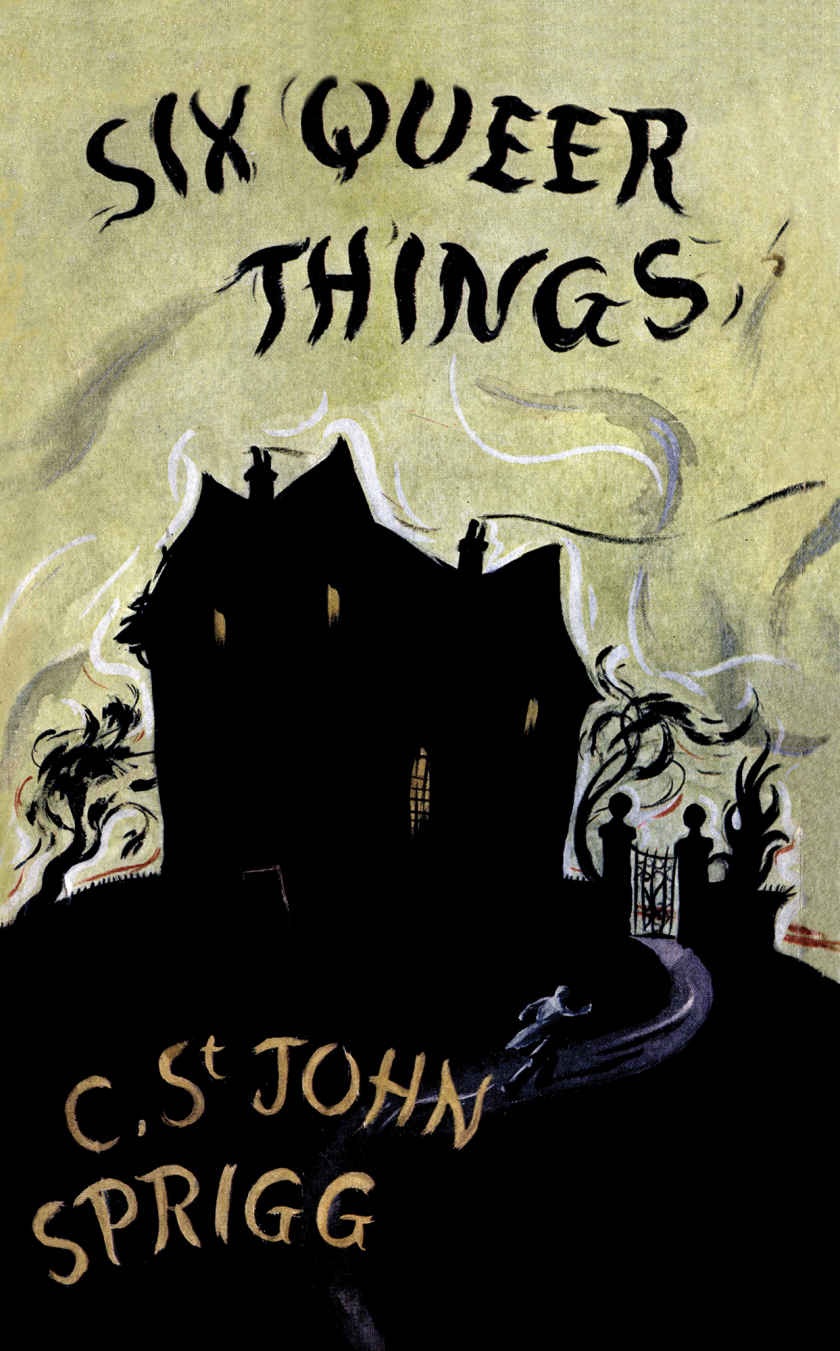
Continue reading#764: The Six Queer Things (1937) by Christopher St. John Sprigg

![]()
![]()
![]()
![]()
![]()
I’m aware that The Six Queer Things (1937) was the seventh and final novel to be published by Christopher St. John Sprigg following his death in the Spanish Civil War, but — having read two of his previous books — its contents belie its status as his final work, marking it out more as an apprentice effort from an earlier stage in his career. Both Death of an Airman (1934) and The Perfect Alibi (1934) sit more comfortably in the Golden Age milieu, where Queer Things is replete with details and developments that would have thrilled the late Victorians but impressed a crowd drunk on Agatha Christie, John Dickson Carr, and Ellery Queen to a decidedly less marked degree.
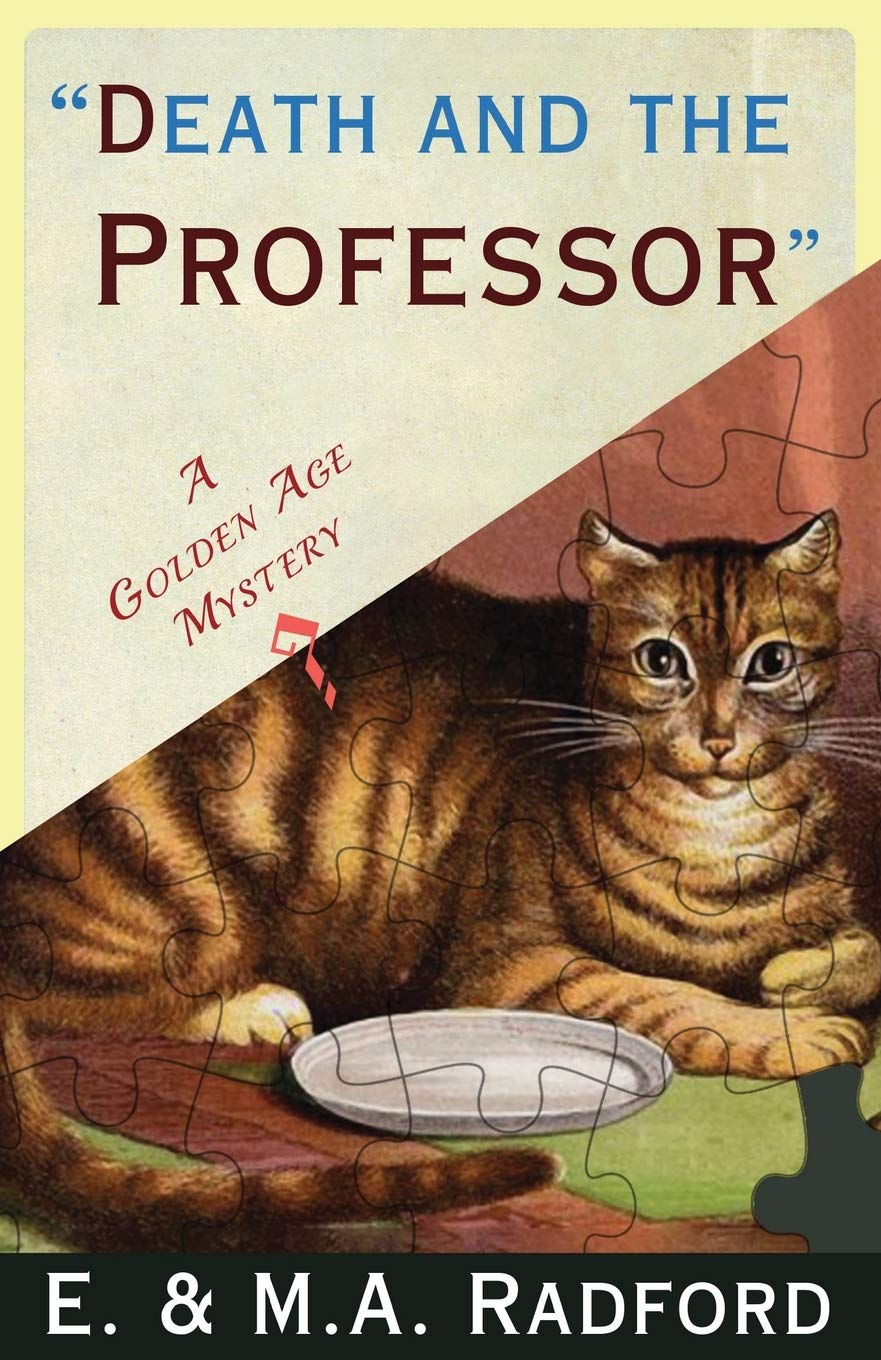
#763: Little Fictions – Death and the Professor [ss] (1961) by E. & M.A. Radford
A surgeon, a policeman, a psychiatrist, a mathematician, and a pathologist walk into a club — the foundation not of some esoteric wit but instead the Dilettante’s Club, a dinner-and-discussion group who meet fortnightly for their own entertainment. And when Professor Marcus Stubbs joins their number, those discussions take a frequent turn into the realm of the impossible crime.
Continue readingIn GAD We Trust – Episode 18: The ‘No Footprints’ Impossible Crime [w’ Tom Mead]
For a blog set up with the implicit aim to explore the impossible crime in fiction, it has to be said that impossibilities have been rather thin on the ground at The Invisible Event of late. Here, then, is a podcast episode committed to the impossible crime (or one-tenth of it, at least) with author Tom Mead.
Continue reading#761: The Skeleton in the Clock (1948) by Carter Dickson

![]()
![]()
![]()
![]()
![]()
On the afternoon of November 4th 1927, Sir George Fleet stood unaccompanied on the flat roof of Fleet House and was, as several independent witnesses assert, pushed to his death by invisible hands. Twenty years later, Scotland Yard receive three anonymous postcards marked “Re: Sir George Fleet” exhorting them to “examine the skeleton in the clock” and asking “what was the pink flash on the roof?” because “evidence of murder is still there”. Enter Chief Inspector Humphrey Masters, dragging the Old Man, Sir Henry ‘H.M.’ Merrivale, in his wake…Merrivale himself having just bought a grandfather clock which has a skeleton suspended inside of it.
#760: Little Fictions – The Mind of Mr. J.G. Reeder, a.k.a. The Murder Book of J.G. Reeder [ss] (1925) by Edgar Wallace
This week, eight stories featuring the unprepossessing Mr. John G. Reeder from the restlessly creative mind of Edgar Wallace.
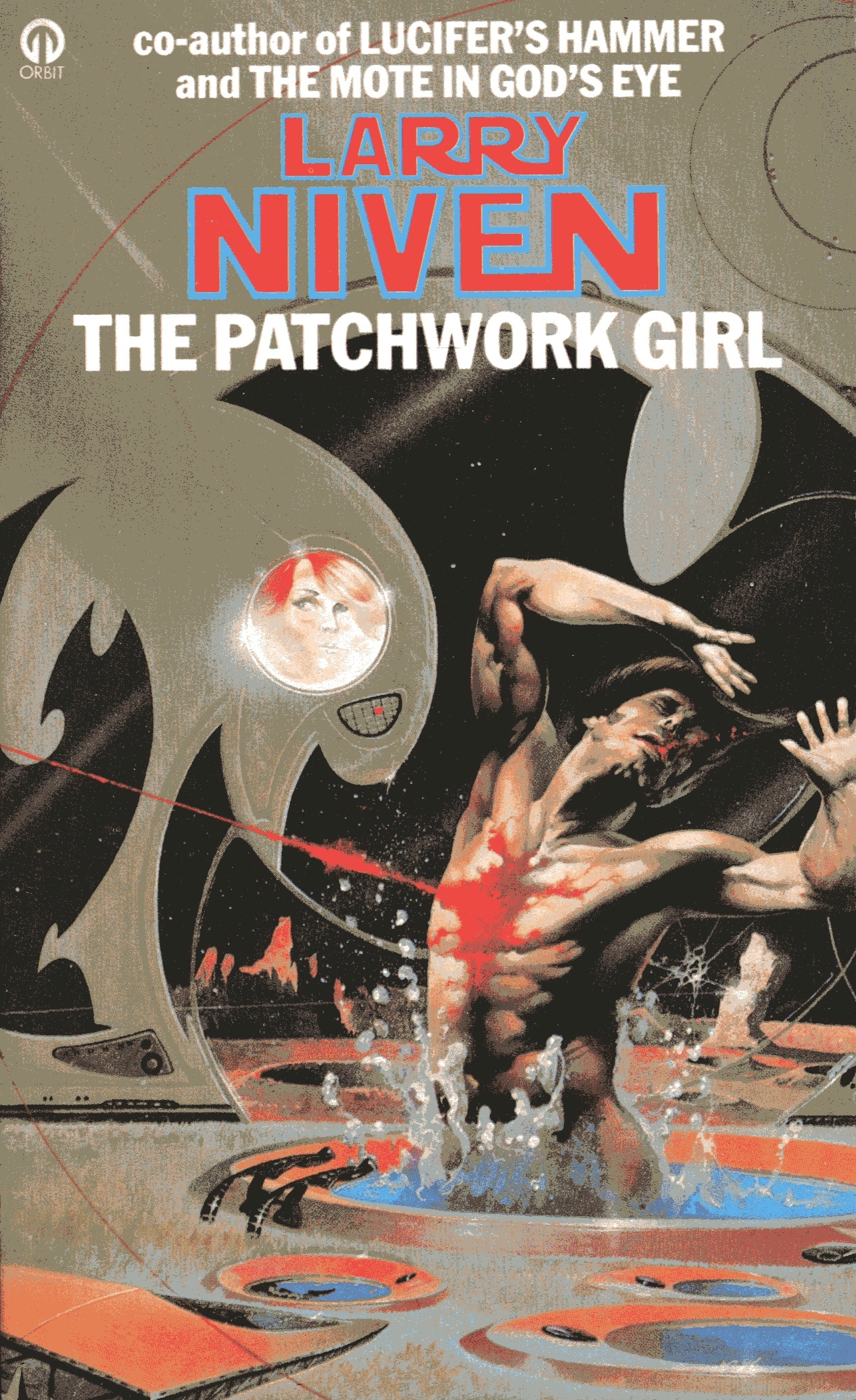
Continue reading#759: “They think they’ve got a locked room murder…” – The Patchwork Girl (1980) by Larry Niven
Before the classic detection bug bit me hard, I would have considered myself of a fan of latter-era Golden Age SF above anything else — put me in the triangle formed by Isaac Asimov, Arthur C. Clarke, and Philip K Dick and I’m very happy indeed. And sometimes these dual fascinations collide, as in Asimov’s The Caves of Steel (1953) or, under the microscope today, The Patchwork Girl (1980) by Larry Niven.
Continue reading