
Right, time to furrow the brow and get serious.
Continue reading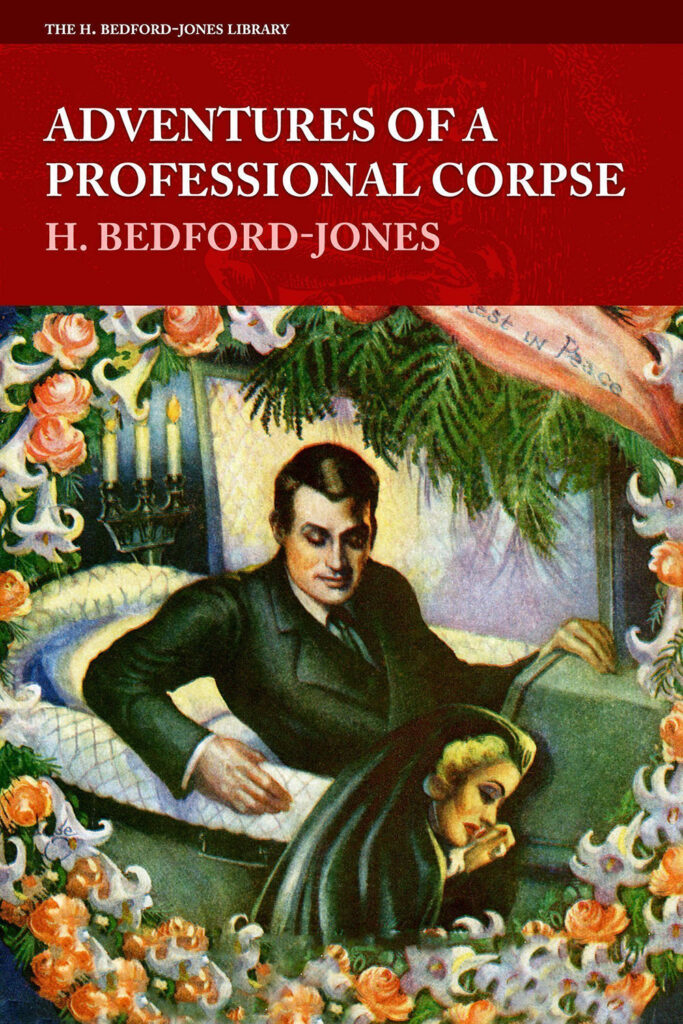
Henry Bedford-Jones wrote several hundred pulp stories under at least a dozen noms de plume, but this is my first encounter with his work…and a most intriguing encounter it turned out to be, with these four stories about dead-man-for-hire James F. Bronson.
Continue reading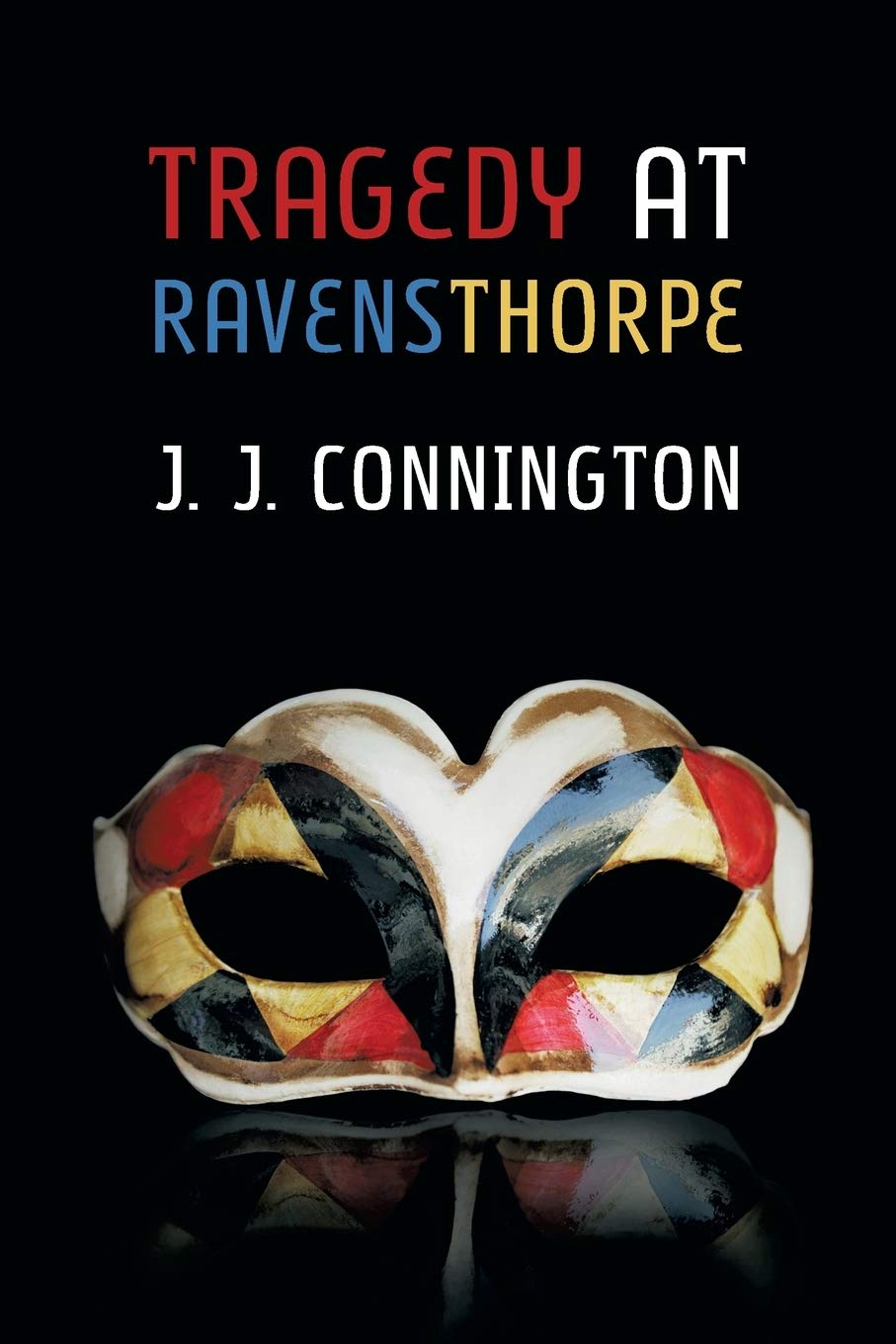


The second novel to feature Chief Constable Sir Clinton Driffield, Tragedy at Ravensthorpe (1927) joins the likes of The Wintringham Mystery (1927) by Anthony Berkeley in a subgenre I like to think of as Frustrated Japes: someone plans something as a bit of a lark — here the theft of some valuable medallions during a masquerade ball at the eponymous country pile — only for another party to interrupt the undertaking and turn things in an unexpectedly more sinister direction. Thankfully, what results is another zesty, energetic, well-clued mystery from Connington’s pen, albeit one which won’t linger in the memory.
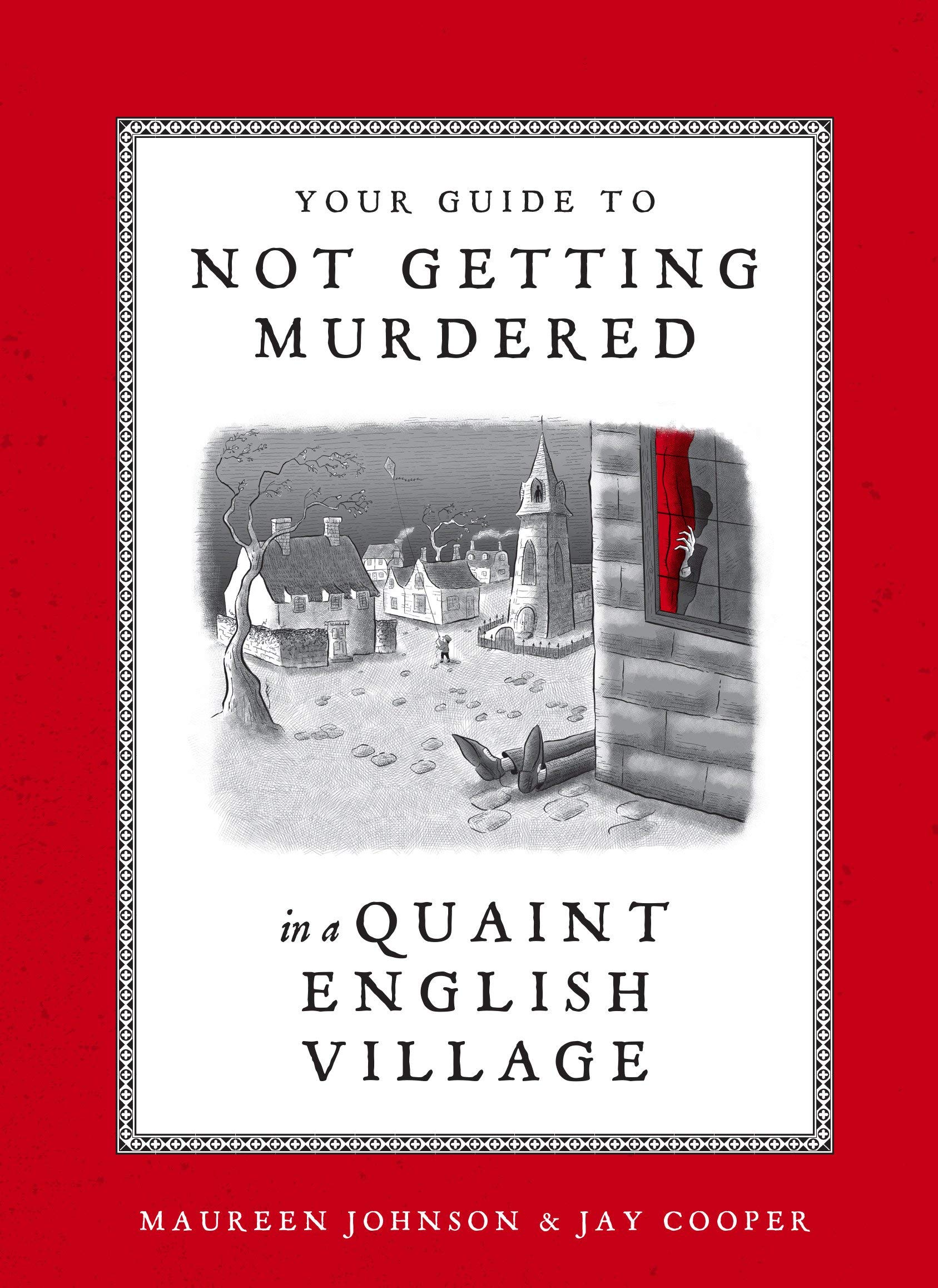
While not strictly about the Golden Age, this endlessly quotable little book (“The aristocracy have three passions: inbreeding, collecting stolen artifacts, and engaging in recreational violence.”) is clearly written with Golden Age tropes in mind and, since its tongue is wedged so firmly in its cheek, certainly warrants a closer look.
Continue reading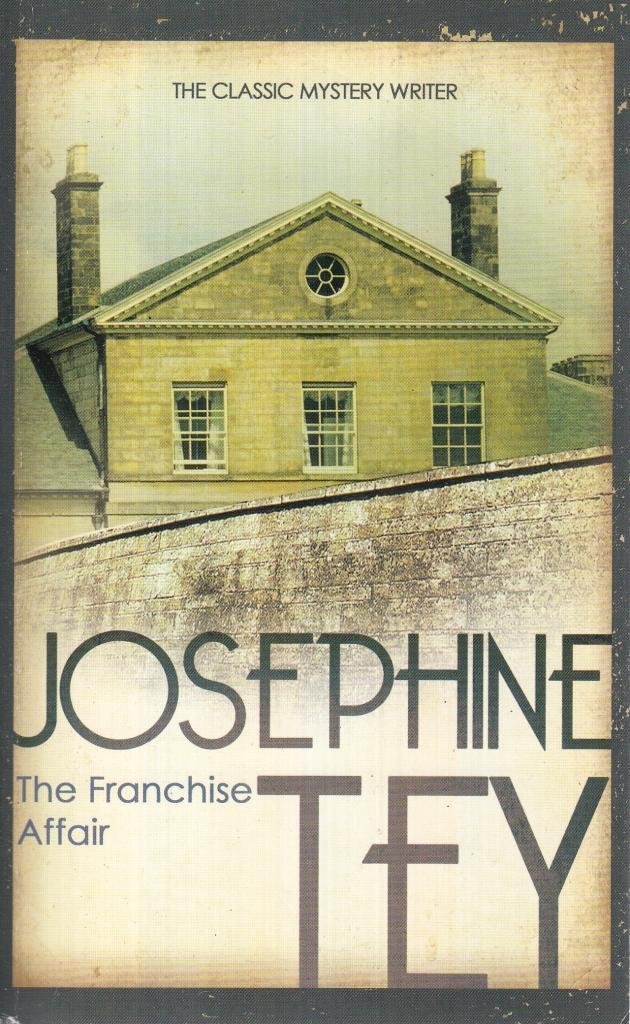
The Franchise Affair (1948) was the first novel by Josephine Tey that I ever read, back in the roseate days of probably 2005. Several years later, with classic era crime and mystery fiction more my bag, I read the rest of Tey’s criminous oeuvre, but nothing quite came close to the sweetness of that first taste. And so this return visit to the eponymous gloomy house where a 15 year-old girl claims to have been held captive by the two women who reside there was undertaken slightly nervously — memory can play tricks, after all. Well, everyone relax; we can add this to The White Priory Murders (1934) and Green for Danger (1944) on the list of recent rereads I enjoyed even more second time around, and holy hell if it doesn’t seem to me now one of the most perfect little books I’ve ever encountered.
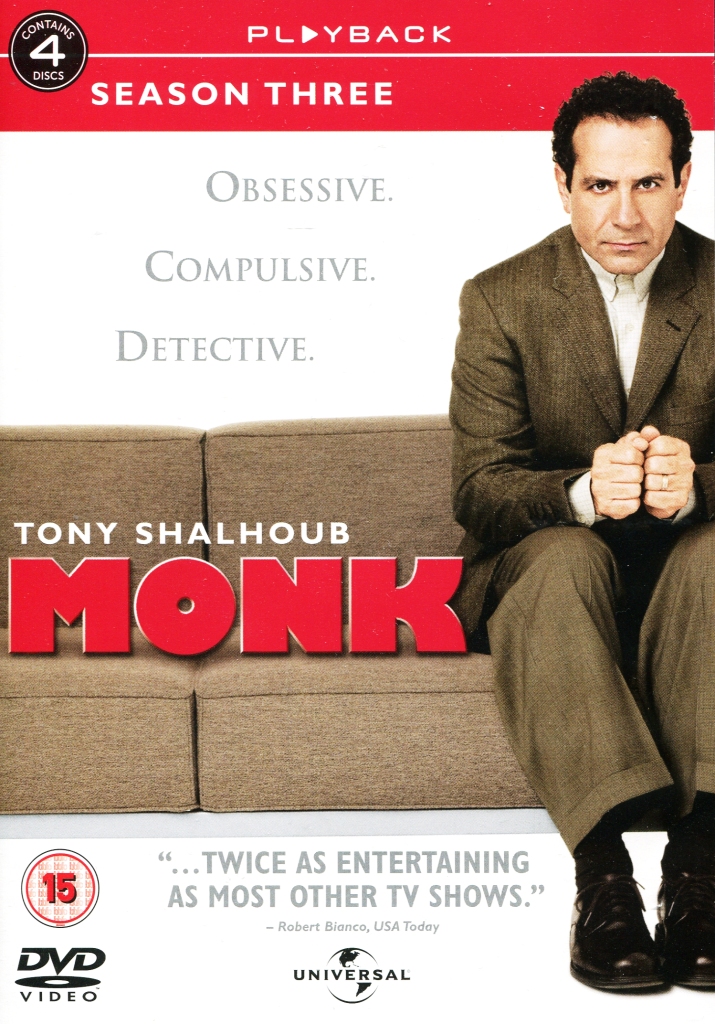
I started reviewing seasons of Monk (2002-09), starring Tony Shalhoub as the eponymous OCD-afflicted detective who helps the San Francisco police solve unusual cases, a few years ago, and then came unstuck at the start of season 3. So I’ve finally returned to it, and here are some thoughts.
Continue reading
Man, I’m conflicted on this one. For sheer giddy authorial overlapping of people and events, Villainy at Vespers (1949) by Joan Cockin is an absolute delight, giving us all manner of coming and going in a slightly down-at-heel Cornish village as plenty of people find themselves with plenty to hide in the wake of an unknown man being found naked and apparently ritually slaughtered on the altar of the local church. Cockin, nom de plume of Edith Macintosh, is clearly a woman with a superb wit and a keen eye for detail, but what she really needs is a hard-as-nails editor to bring her events into sharper focus, because there’s a huge amount of charm here but it takes some getting to.


