#1133: “I would detect with dignity or not at all.” – Sealed Room Murder (1941) by Rupert Penny

I’m pretty sure that Sealed Room Murder (1941), the eighth and final novel by Rupert Penny to feature Chief Inspector Edward Beale, was only the second-ever book I read from Ramble House, and it made me an instant fan of Penny. So now I return to it to get my thoughts on record, and see whether I’ve been remiss in singing its praises for all these years.

Continue reading →
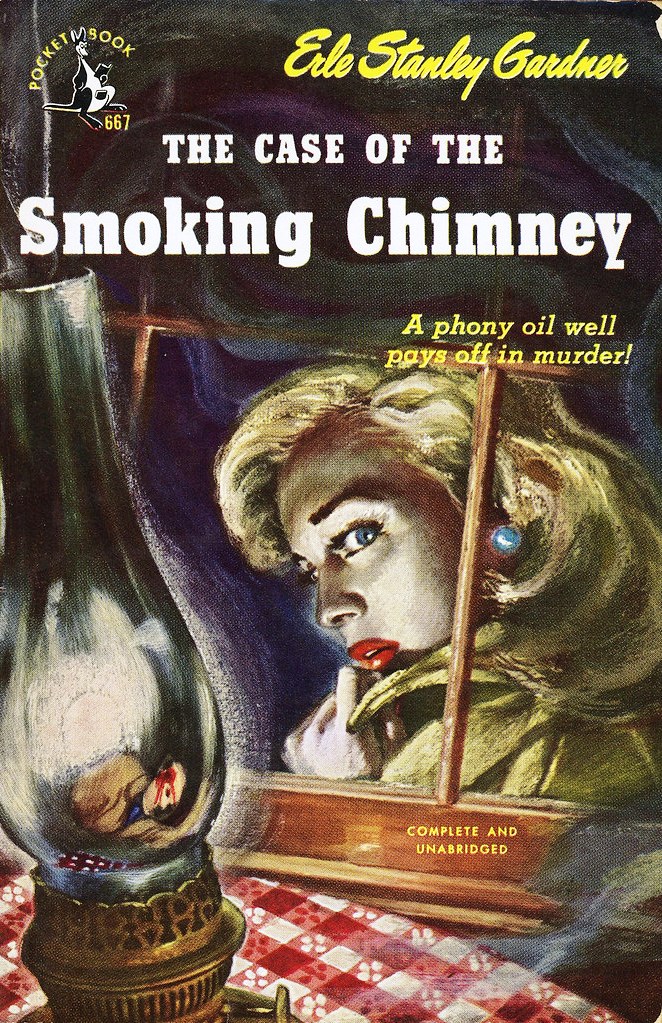
#1132: The Case of the Smoking Chimney (1943) by Erle Stanley Gardner

Case of the Smoking Chimney

star filledstar filledstar filledstarsstars
While you’ve hopefully been enjoying the regular reviews on The Invisible Event, I’ve been sweating bullets over the fact that I hit a seeming unpassable patch of reader’s block and haven’t read anything for nearly a month. Then Brad suggested that some Erle Stanley Gardner might help me out as it has done recently for him and, well, here we are. Mistakenly believing The Case of the Smoking Chimney (1943) to be the first of Gardner’s two novels featuring the disreputable Gramps Wiggins I picked it up and spent a very happy day in its pages, and while it reaffirmed much of what I like about Gardner’s writing the book also bears many of the man’s flaws.

Continue reading →

#1130: The Red Widow Murders (1935) by John Dickson Carr [a.p.a. by Carter Dickson]

red-widow-murders

star filledstar filledstar filledstar filledstars
I’ve written previously about The Red Widow Murders (1935) — John Dickson Carr’s first take on the Room That Kills, originally published under his Carter Dickson nom de plume — but this American Mystery Classics reissue is a chance to look at the book more broadly and attach a star value to it. This third reading reinforced my impression that it’s perhaps too busy a book, redolent with the enthusiasm the youthful Carr brought to his early efforts when his eagerness outweighed his skill with juggling plot, but reading it three times also give me a good perspective on its many successes, not least of which is just how busy Carr manages to make it.

Continue reading →

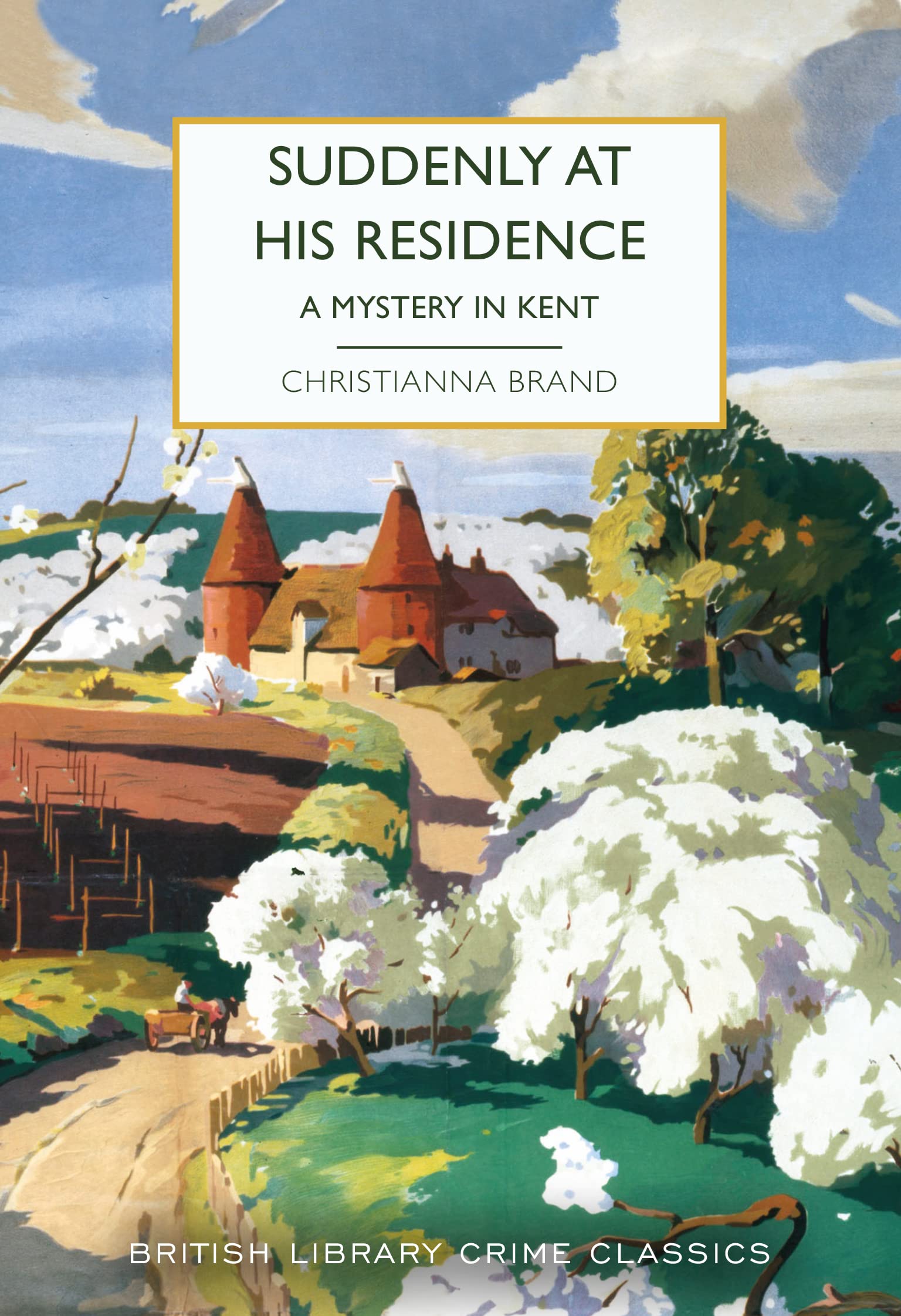
#1127: Suddenly at His Residence, a.k.a. The Crooked Wreath (1946) by Christianna Brand

suddenly-at-his-residence

star filledstar filledstar filledstar filledstar filled
Good heavens, after this second reading of Christianna Brand’s Suddenly at His Residence, a.k.a. The Crooked Wreath (1946) do I have plenty of Thoughts.  Indeed, I have so many Thoughts that I’m deliberately writing about it on a Thursday so that my self-imposed 1,000 word limit stops me going on for about four times that length, to the enjoyment of no-one. So: Sir Richard March, tiring of the attitudes of his grandchildren, threatens to rewrite his will, retires to the lodge in the grounds of Swanswater Manor for this express purpose…and is discovered dead the following morning. Having been visited by various people throughout the previous evening, who actually poisoned him?

Continue reading →

#1124: Bats Fly at Dusk (1942) by A.A. Fair

Bats Fly at Dusk

star filledstar filledstar filledstar filledstars
With considerations of the era taking Donald Lam out of the Cool and Lam Detective Agency, Bertha Cool is left to fend for herself when a blind man wishes to hire her services in tracking down a young woman who, he claims, has disappeared. It’s an unusual jumping-off point in itself, but the real delight here is how intelligently Erle Stanley Gardner, writing under his A.A. Fair nom de plume, explores and explains the way the blind man is able to identify so many different people — and how intelligently he is able to come to conclusions about the woman whose wellbeing is his concern. And then others start to express an interest in the same woman; and then someone is murdered…

Continue reading →