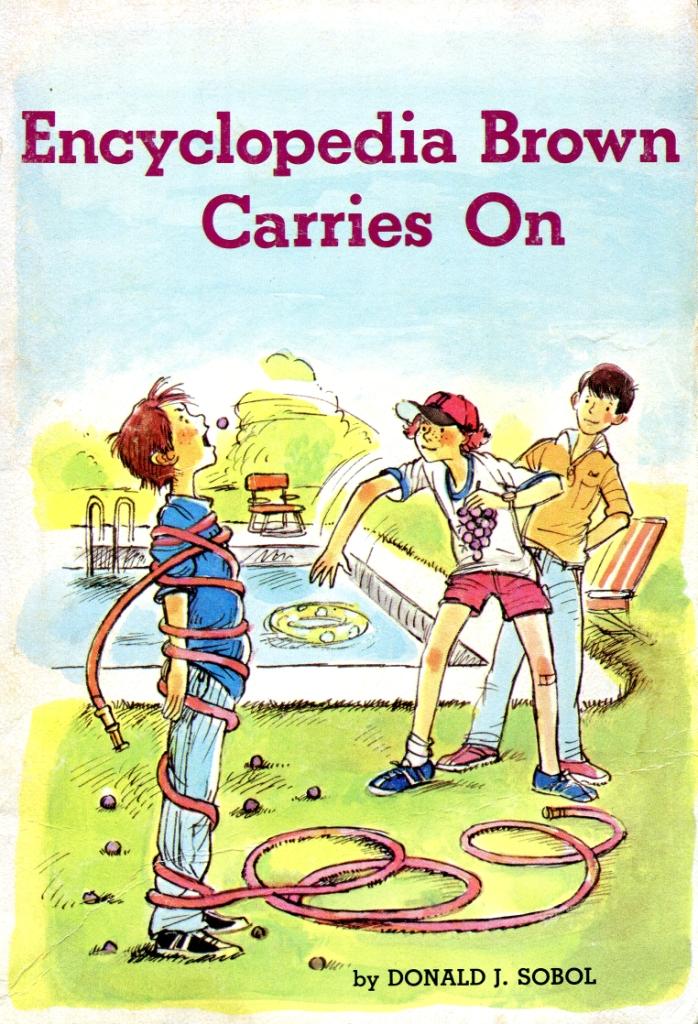
Another ten cases for Idaville’s “Sherlock Holmes in sneakers”, Leroy ‘Encyclopedia’ Brown.
Continue readingAnother ten cases for Idaville’s “Sherlock Holmes in sneakers”, Leroy ‘Encyclopedia’ Brown.
Continue reading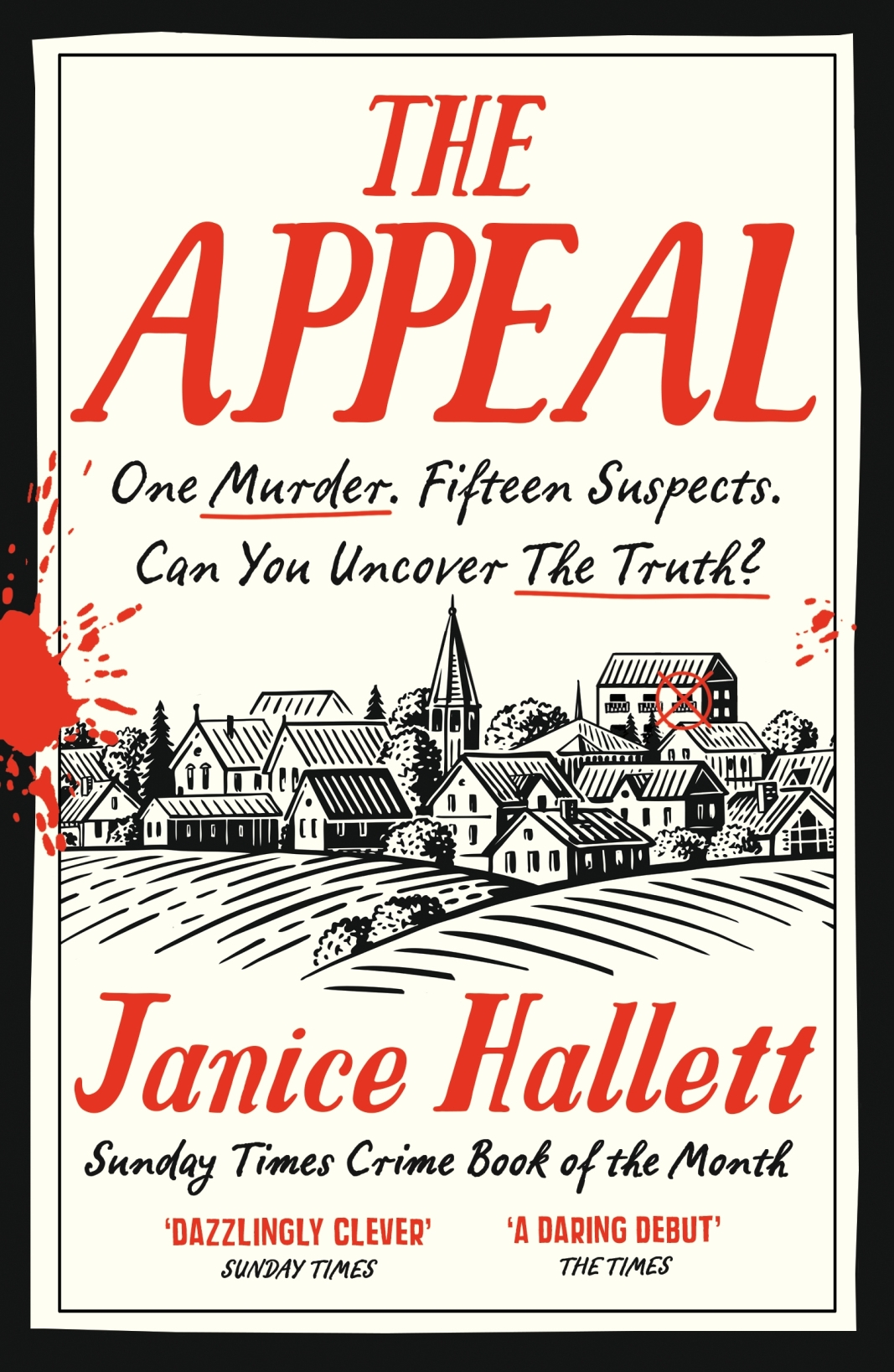


Do not adjust your sets, The Appeal (2021) by Janice Hallett is a modern crime novel that does not contain an apparent impossibility…and yet here I am reading and reviewing it. I was struck by the idea behind this: essentially an update of The Documents in the Case (1930) by Dorothy L. Sayers and Robert Eustace, The Maze, a.k.a. Persons Unknown (1932) by Philip MacDonald, and the Dennis Wheatley “murder dossier” books that began with Murder Off Miami (1936), in which the story of a murder is told through emails, text messages, interview transcripts, and more. And as updates go, this is a very good one indeed — very cleverly written, very easy to read.
After a couple of attempts reading mysteries for older younger readers a few months ago, I think I’m happy that my niche is to be found in stories probably aimed at 12 year-olds — older than that, hormones get involved and there’s as much time spent swooning over someone as there is trying to solve all the, y’know, murders happening at their elite private school.
Continue reading
The last time I checked out a modern impossible crime novel on the increasingly-tenuous pretence that this is being done exclusively for the beneft of TomCat, I took a swing at something that turned out to (maybe?) contain no impossibility at all. Thankfully that won’t happen again. Right?
Continue reading
It’s fair to say that, in the course of writing this blog over the last six years, I have become known as something of a plot fiend. Atmosphere is lovely, memorable characters are preferable, social commentary perfectly acceptable, but what drew me to classic-era detective fiction was the possibilities of plot and plenty of it. On that front, Waltz into Darkness (1947), Cornell Woolrich’s 1880s-set epic of catfishing, revenge, and much more besides should leave me cold — heavy on emotion, laden with dread, fond of repetition to hammer home obvious points…everythng that should send me running. And yet, damn, I wish this probably 120,000-word book was twice as long.
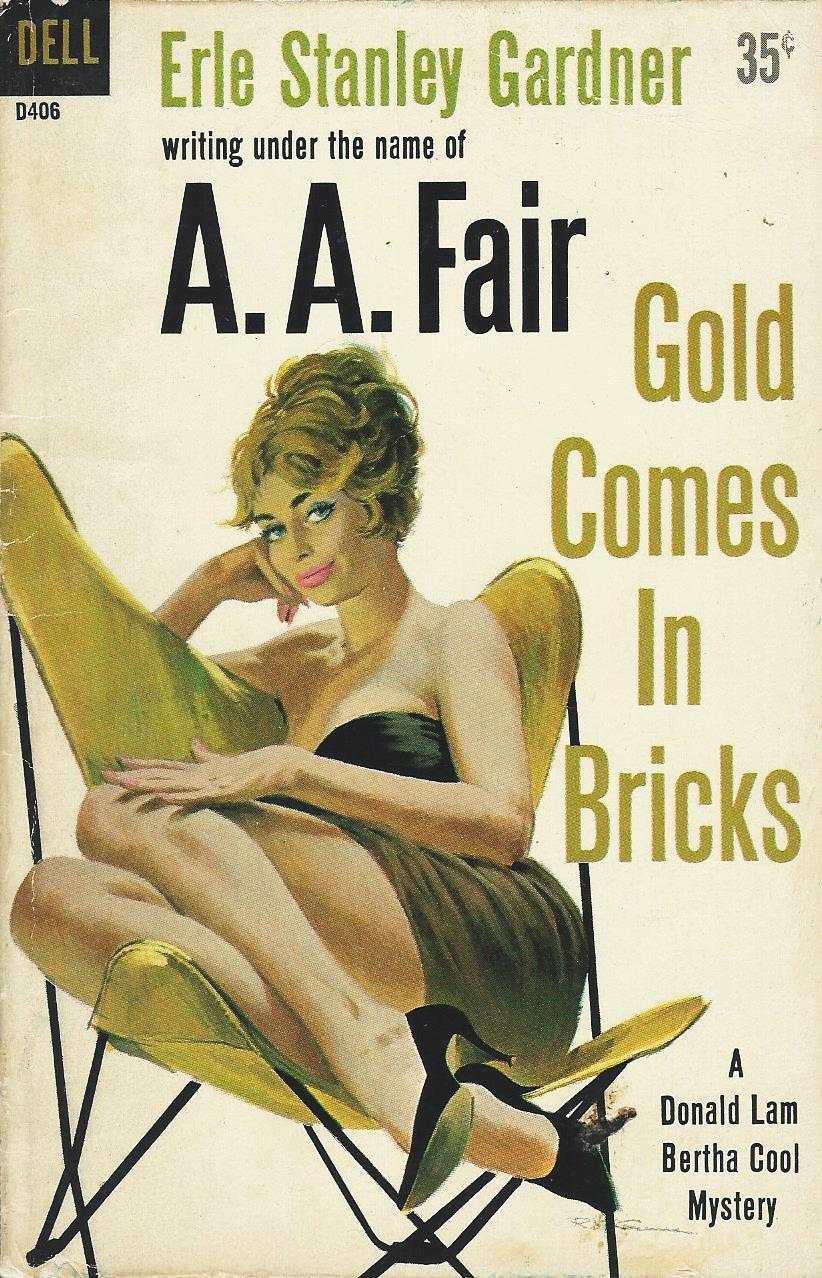
I wasn’t expecting to get a review out today, but a sleepless night and the ice-cube-on-an-oil-slick-fast prose of Erle Stanley Gardner combined to make Gold Comes in Bricks (1940), the official third entry in the Bertha Cool and Donald Lam series, fly past in no time at all. No, you didn’t miss anything, I haven’t yet reviewed the official second entry Turn on the Heat (1940) — I still don’t own about half of this series, having disposed of my original copies yeeeeears ago — I’ll try to fill in the gaps in my collection and reintroduce chronology from now on. Did I mention my sleepless night? Distraction was needed, and Gardner always delivers in that regard.

I know what you’ve been thinking: “For such an apparently avowed fan of Freeman Wills Crofts, that Invisible Event guy hasn’t exactly jumped on the recent collection from Crippen & Landru…”. Well checkmate, my friend. Check. Mate.
Continue reading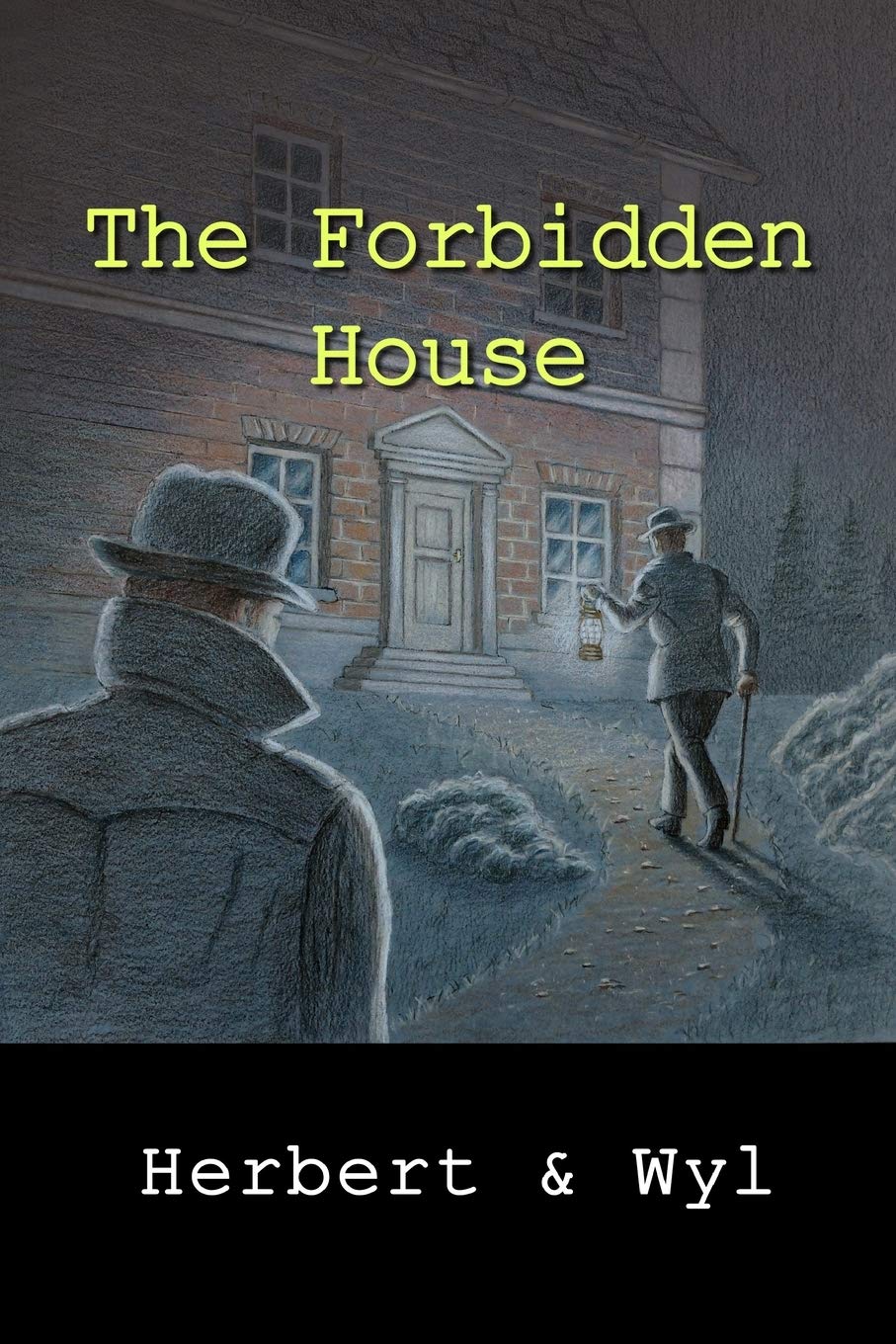
Nouveau-riche Napoléon Verdinage acquires Marchenoire Manor despite mysterious missives warning him against purchasing this “forbiddin [sic] house” and promising his untimely demise. Learning that the previous owners either died or took the letter writer’s warnings to heart and left, Verdinage becomes only more determined to stay. He only has himself to blame, then, when at the two month deadline given for his departure he is shot dead by a man who apparently vanished from the house…an outcome all the more baffling because the only exit was watched the entire time and multiple searches fail to discover the killer anywhere inside.

Just a few days ago it was my lot to be unimpressed by the concluding volume of one series, and so time is ripe for me to be slightly underwhelmed by the fourth and final novel to feature Herbert Brean’s photographer-sleuth Reynold Frame. This feels like the thousandth book I’ve read this year to which my response has been “Yeah, it was okaaaay…”, but it’s sort of pleasing to finally encounter something by Brean that fails on its own terms — though if you can’t help but go into this “ten people trapped on an island, then murder intrudes” story expecting an update of And Then There Were None (1939), you do so at your own damn peril.
Having thoroughly enjoyed the first two collections of Baroness Orczy’s stories about the Old Man in the Corner, I was anticipating a similarly enjoyable time with the third and final collection, Unravelled Knots (1925). The third and final collection had other plans…
Continue reading The Invisible Event