
Having just completed a look at the Murder in the Mews (1937) collection by Agatha Christie, let’s turn our attention to “the Crow’s Nest business” referenced by Mr. Satterthwaite therein.
Continue readingHaving just completed a look at the Murder in the Mews (1937) collection by Agatha Christie, let’s turn our attention to “the Crow’s Nest business” referenced by Mr. Satterthwaite therein.
Continue reading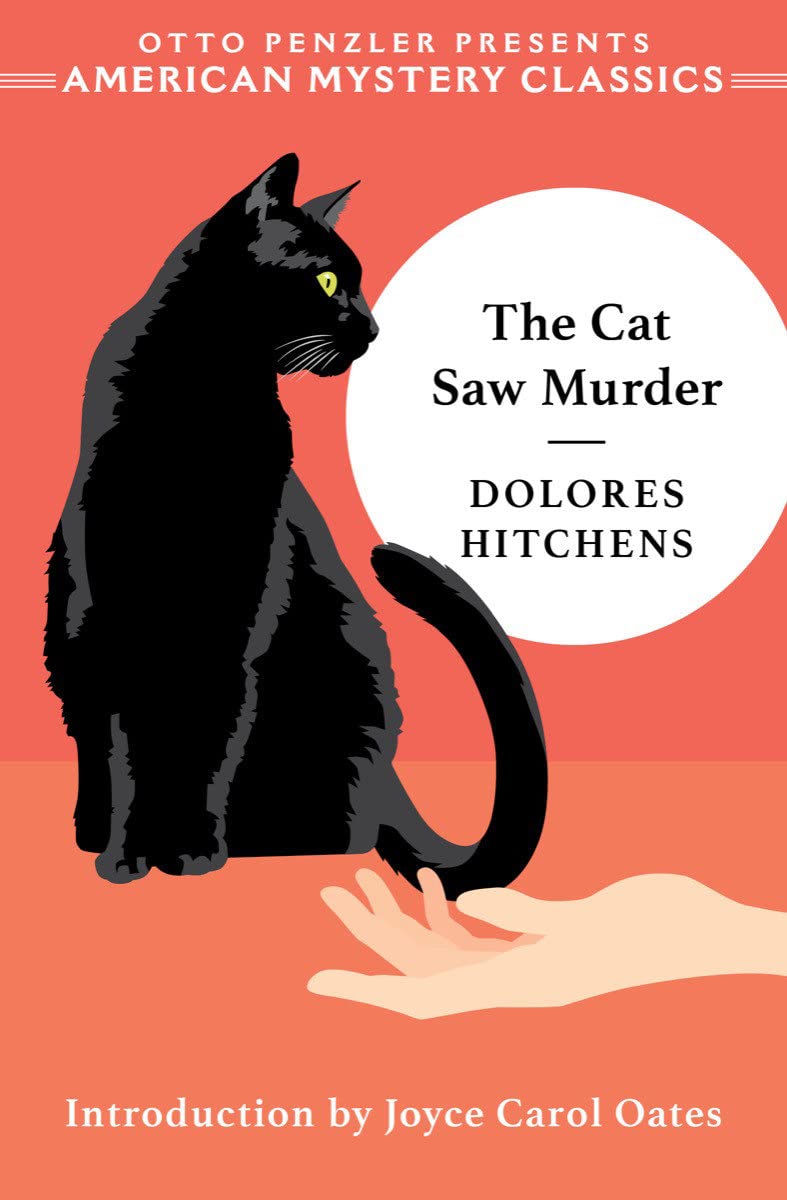


If, like me, you were dissuaded from reading The Cat Saw Murder (1939) by Dolores Hitchens because the titles brings on the hives of a cozy Cat Catches Criminals caper, rest assured that this is very much not that type of book. The cat does indeed see murder — the surprisingly violent hacking to death of Lily Stickleman in the shabby beachside boarding house where she resides while waiting for an inheritance — but the sleuthing is done by a combination of Lieutenant Stephen Mayhew and the elderly Miss Rachel Murdock. Samantha, the eponymous moggy, provides a clue and a little intrigue of her own, but she’s much more dragged in rather than an essential catalyst (Ithankyou).

If I remember correctly — and, let’s face it, I probably don’t, since I read them years ago and all out of order — Owls Don’t Blink (1942), the sixth title to feature Erle Stanley Gardner’s irrepressible P.I. duo of Donald Lam and Bertha Cool, starts something of a hot streak for the series. Hired by New York lawyer Emory Hale on behalf of an unknown client to find an ex-model who was last heard of in New Orleans some three years ago, you know Gardner has something special up his sleeve when the resourceful Donald is able to produce the woman within twenty pages. From here, it’s a criss-cross of obscured motives and identities, and enough skulduggery for Yorrick’s remains.
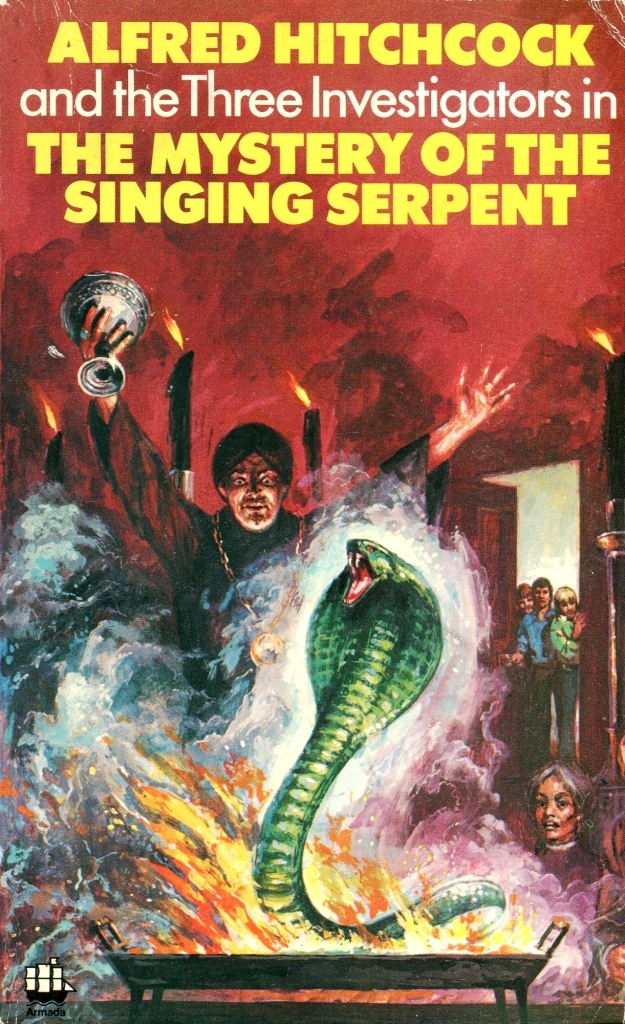
Mary Virginia Carey would, in time, write more books in the Three Investigators series than any of the four other writers so employed, but got off to a slightly wobbly start with The Mystery of the Flaming Footprints (1971). So will her second title, The Mystery of the Singing Serpent (1972), find her on better form?
Continue reading
The expertly-curated British Library Crime Classics series continues to diversify with crowd-pleasing reissues of Anthony Berkeley, Christianna Brand, and John Dickson Carr, never-heard-of-em delights like Family Matters (1933) by Anthony Rolls and Death of Anton (1936) by Alan Melville, and stirring in a Freeman Wills Crofts or a few E.C.R. Loracs along the way. And The Mysterious Mr. Badman (1934) by W.F. Harvey definitely falls into the middle category, because ask 100 people if they’d heard of it before this reissue and maybe three would say they had, two of whom would be lying to look cool. But a delight it is, and welcome it most certainly is.
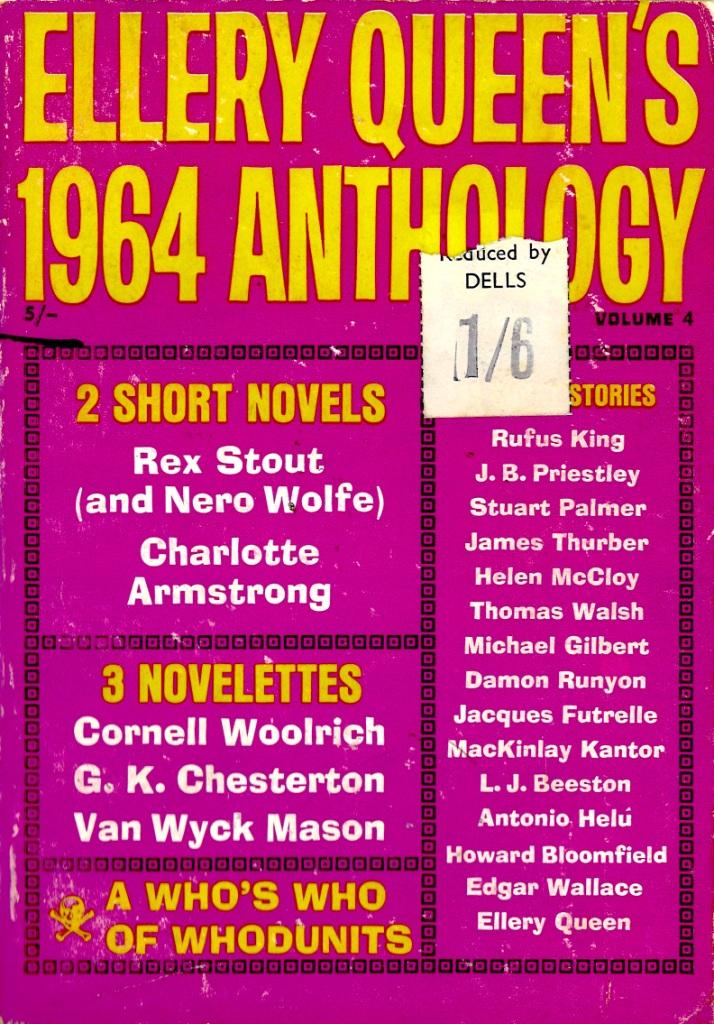
Quite some time ago, I was made a very generous gift of a random selection of old Ellery Queen Mystery Magazines and anthologies and, aside from the odd story, they’ve sat largely unread on my shelves since. Well, no more. From today, they will (probably) make regular appearances on The Invisible Event where longer or notable entries are concerned.
Continue reading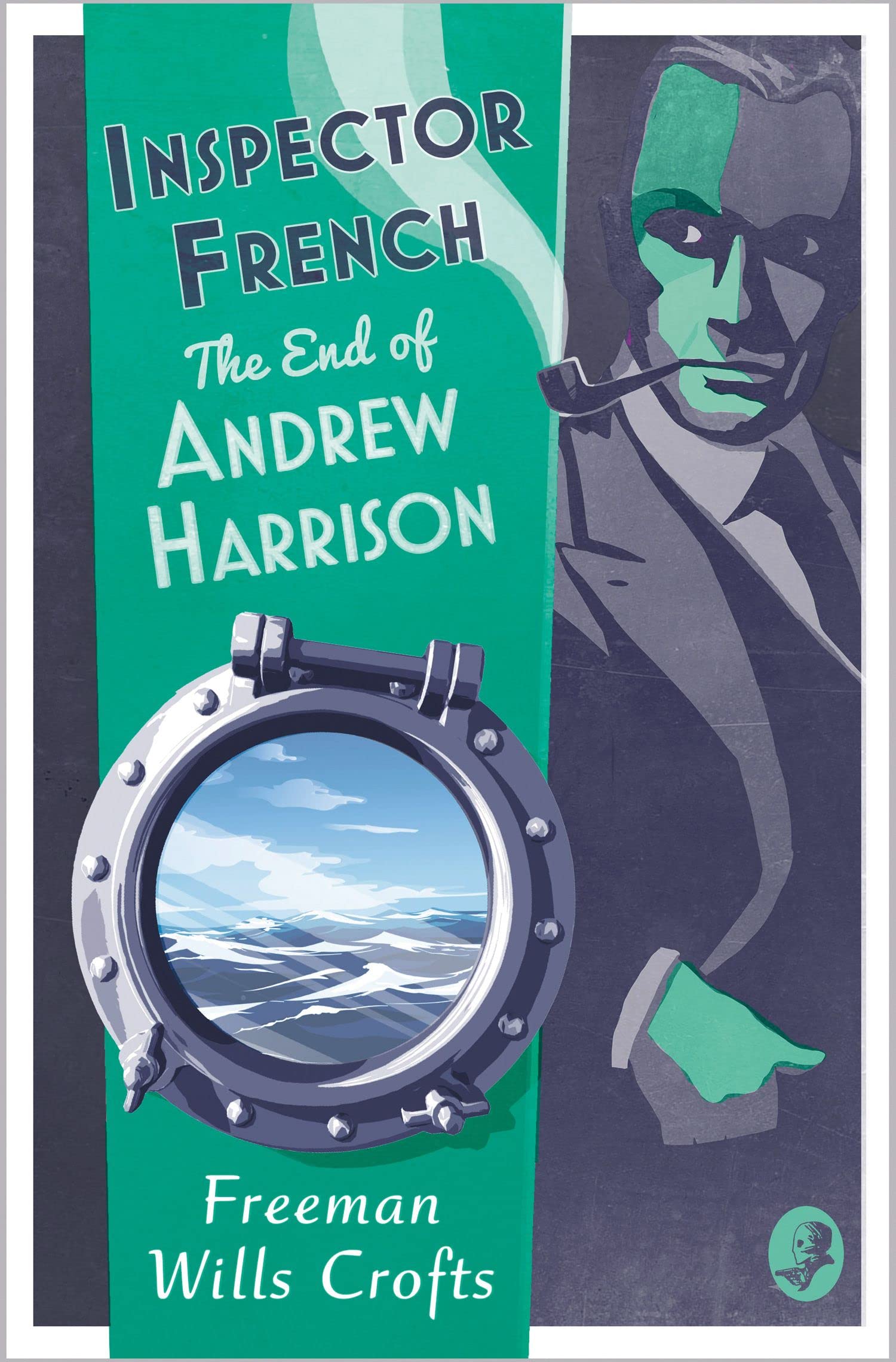
It’s been a long road to The End of Andrew Harrison, a.k.a. The Futile Alibi (1938) by Freeman Wills Crofts. Back when I was fairly new to classic era detective fiction in general, and impossible crimes in particular, I heard rumours of this book — the first I’d ever heard of Crofts — but it turned out to be rather unavailable. I also heard that Crofts was dull, dull, dull, however, and so spent a long time avoiding him before finally taking the plunge, falling in love with his writing and reading 22 of his novels in broad chronology, in which time Andrew Harrison was reprinted by Harper Collins. And…that just about brings us up to date.
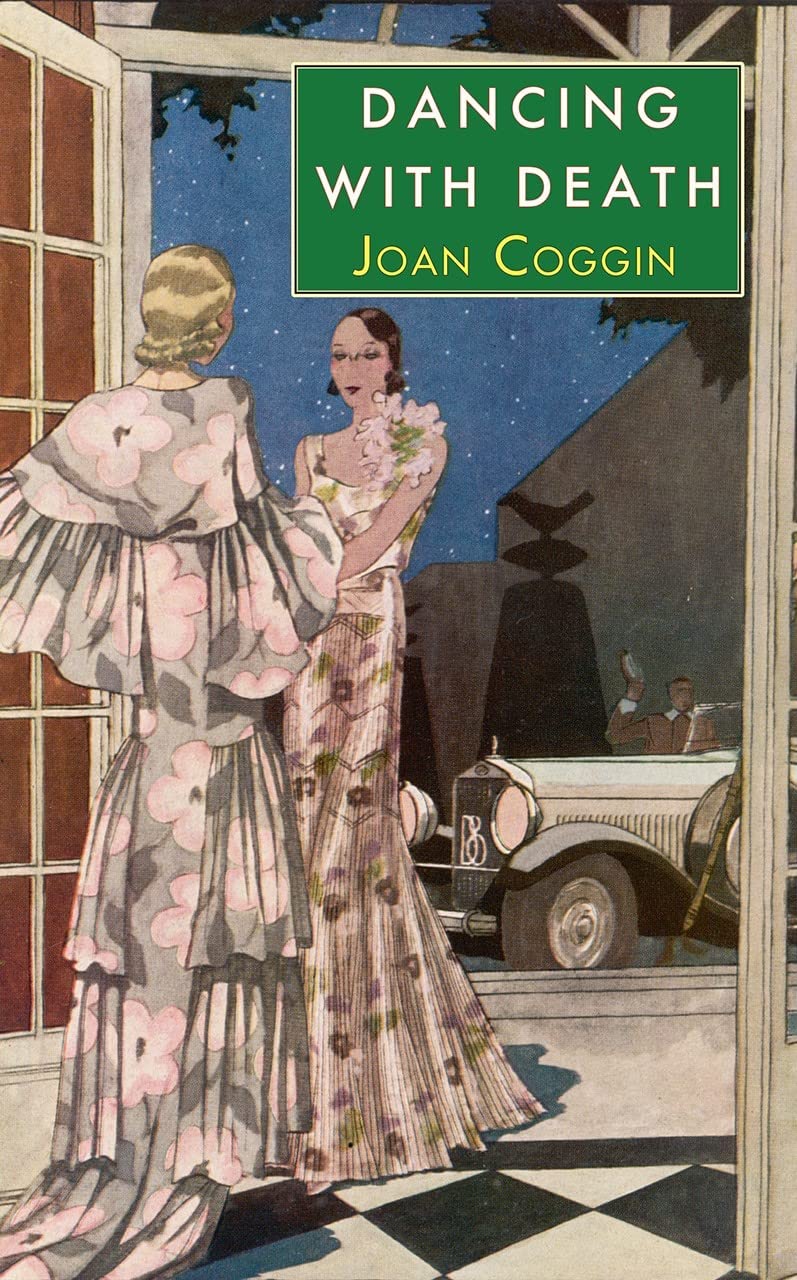
As someone who has recently found more joy in certain books upon rereading them, I appreciate the many ways context can affect how we respond to a book when we encounter it. And so when I say that I read Dancing with Death (1947) by Joan Coggin at the right time, I suppose it is to acknowledge that I was fortunate enough to be in the mood to appreciate its many subtle touches which might, at any other time, have passed me be entirely. It’s very much not my usual kind of thing, but a break from the norm is often encouraged and, in this case, turned out very well indeed. One is left to rue the fact that Coggin wrote only four books, that those books are hard to find, and that she spoils the solutions of two of them in the first chapter here.
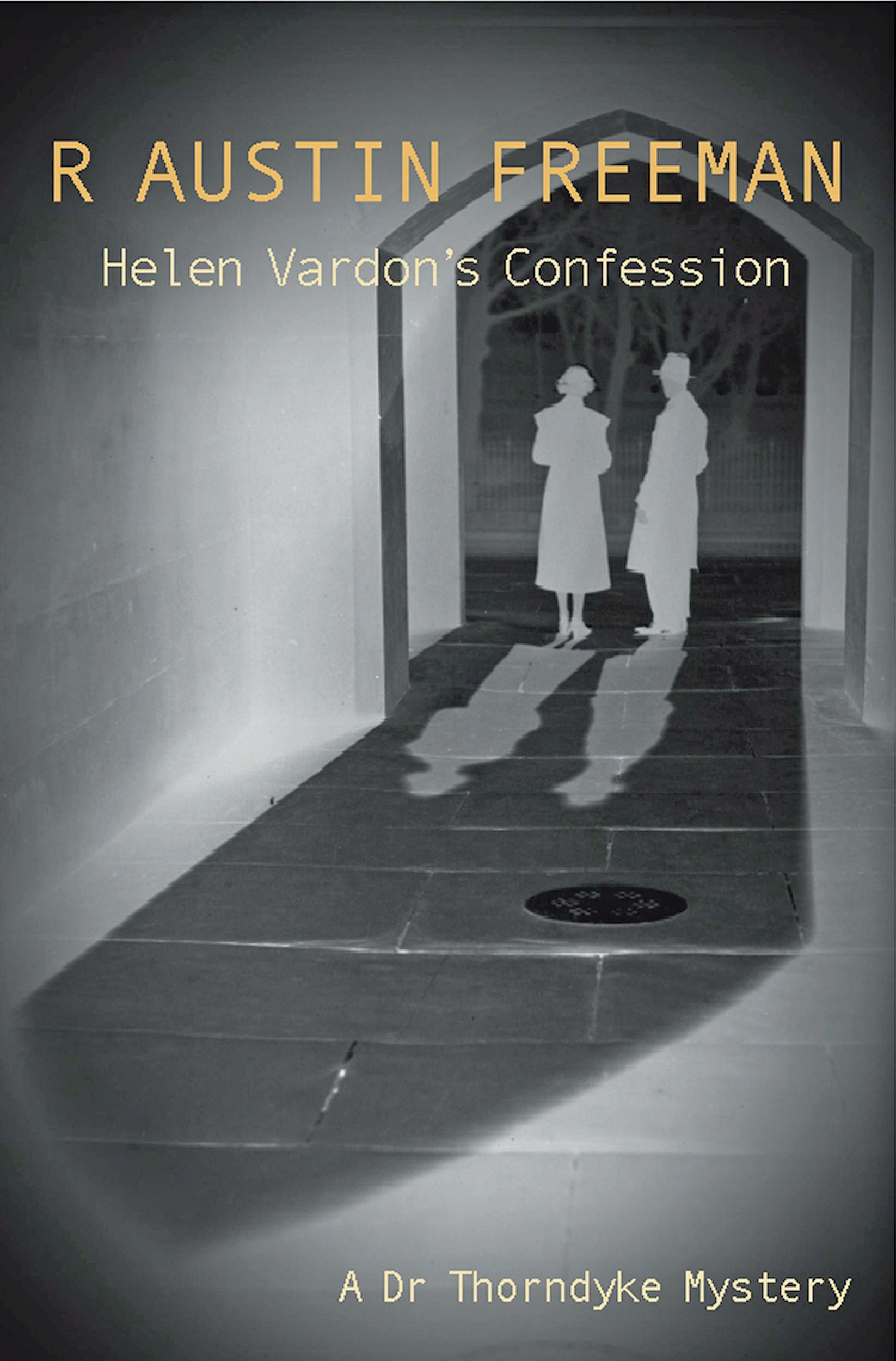
I’ll be honest, I’ve been kind of dreading this. A glance across the spines of the Dr. John Thorndyke novels and short story collections by R. Austin Freeman reveals Helen Vardon’s Confession (1922) to be his longest book by a factor of about 50%, yet Nick Fuller — who directed me so some excellent Thorndyke novels when I was new to author and character both — considers it perhaps Freeman’s worst offering. And having now read it, I can see its many problems, not least of which is a short story’s worth of criminous endeavour hiding in a 130,000 word novel that takes in too many loose ideas to warrant its tedious length. This was…not fun to read.

 The Invisible Event