
Another Nero Wolfe novella, this time from the February 1956 British edition of Ellery Queen Mystery Magazine.
Continue readingAnother Nero Wolfe novella, this time from the February 1956 British edition of Ellery Queen Mystery Magazine.
Continue reading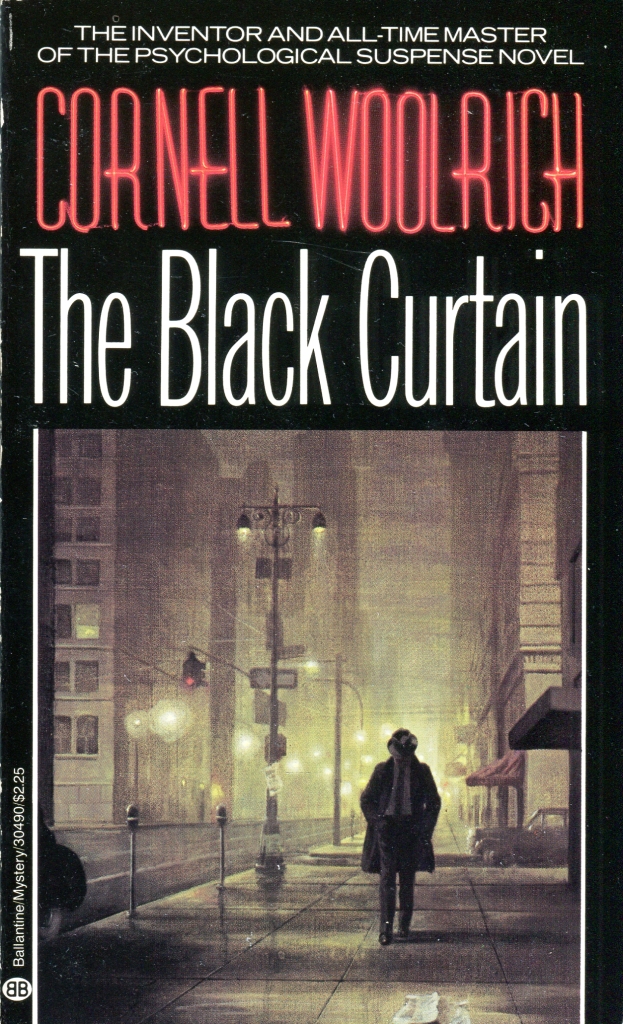


I’m starting to develop the belief that the novelistic output of Cornell Woolrich can be broadly summed up in a single word: ‘Loss’. The six novels of his I’ve read so far all concern the desperate search for — and horror associated with — something either already lost or on the verge of being so, be it love, opportunity, or escape. And The Black Curtain (1941) extends this theme by finding yet another string of loss to add to the great man’s bow in Frank Townsend’s misplacement of perhaps the most crucial of all things: himself. And, this being a work of suspense writing, when he starts to uncover what the eponymous curtain obscures, he’s not necessarily going to be thrilled with what he finds.
I might have read as many as half of Erle Stanley Gardner’s 80-some Perry Mason books — it’s difficult to remember, I didn’t used to keep track — and am fond of stating the opinion that eleventh title The Case of the Lame Canary (1937) is perhaps the peak of those I have encountered to date. So let’s revisit it, eh, and see how my memory stands up.
Continue reading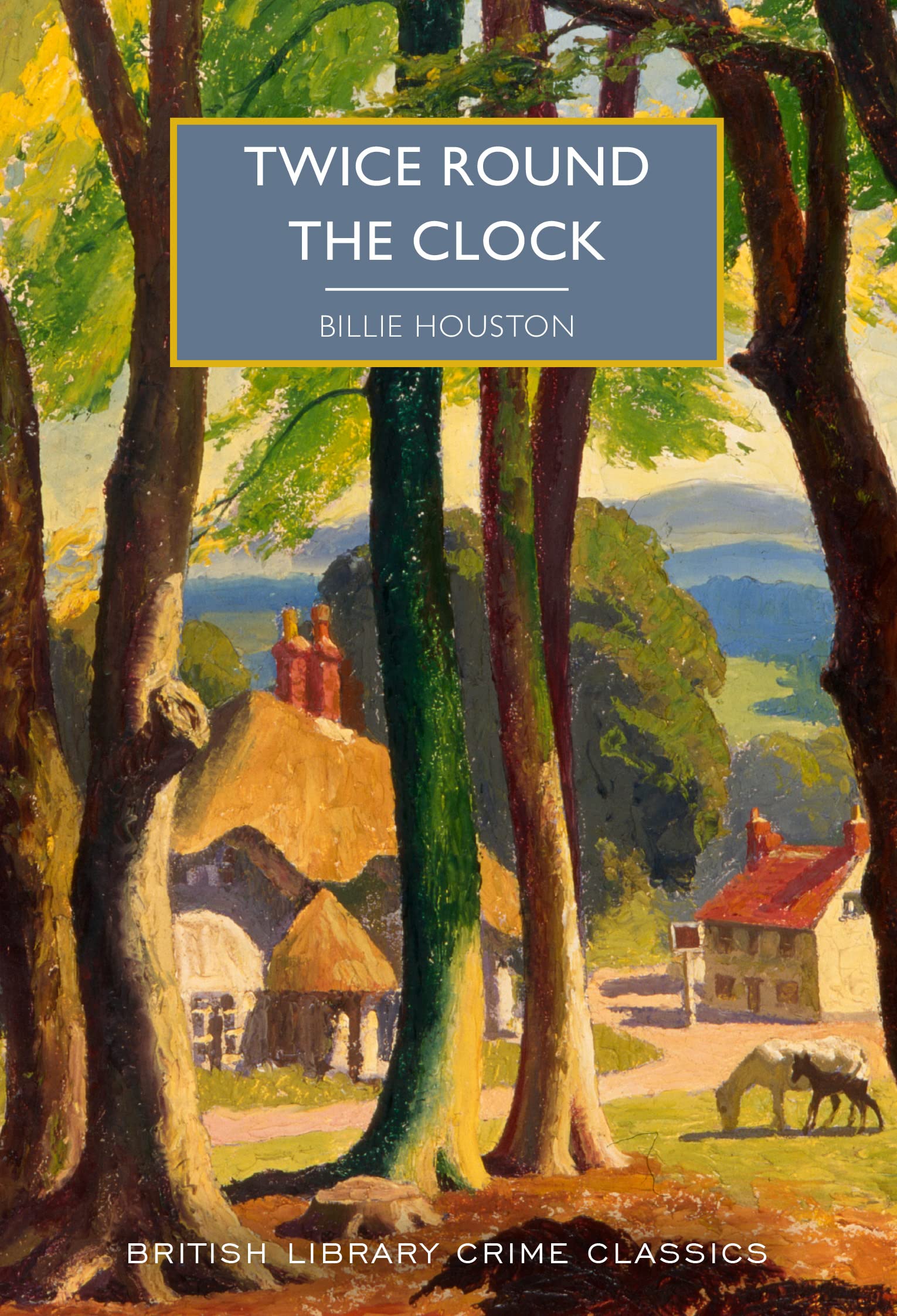
The core framing of Billie Houston’s sole crime novel Twice Round the Clock (1935) — a murdered man discovered in the opening scene, before we jump back in time twelve hours and see events that lead up to the murder, then the twelve hours that follow the discovery — is hardly new, but the book is written with a fresh eye, and such clear lines in its character and narrative that it’s difficult not to enjoy. Don’t come for the detection or clues, which are scanty, but those of you who enjoyed Death of Anton (1936) by Alan Melville, another British Library Crime Classic, will find this equally to your liking for its clear setting, distinct characters, and occasionally unusual ideas.

A title like The Door with Seven Locks (1926) suggests all manner of locked room excitement, hopefully resulting is some impossible crime shenanigans. So imagine my surprise when this ended up being little more than a straight thriller with some (perhaps not unexpectedly, this is Edgar Wallace after all) weird ideas at its core.
Continue reading
Hard to believe, I know, but I had a life before this blog, and in that life I read The Case with Nine Solutions (1928) by J.J. Connington and was mildly disappointed that those ‘solutions’ were merely permutations on the interpretations put on two deaths and not a Poisoned Chocolates Case-esque reinterpretation of available information to give a nonet of distinct answers to explain away events. Beyond that, I remembered very little about it and so, now more versed in Connington’s writing, I return — making this the fifth Connington novel I’ve read in the last 12 months, which is probably enough to convince me that I’m now a fan.
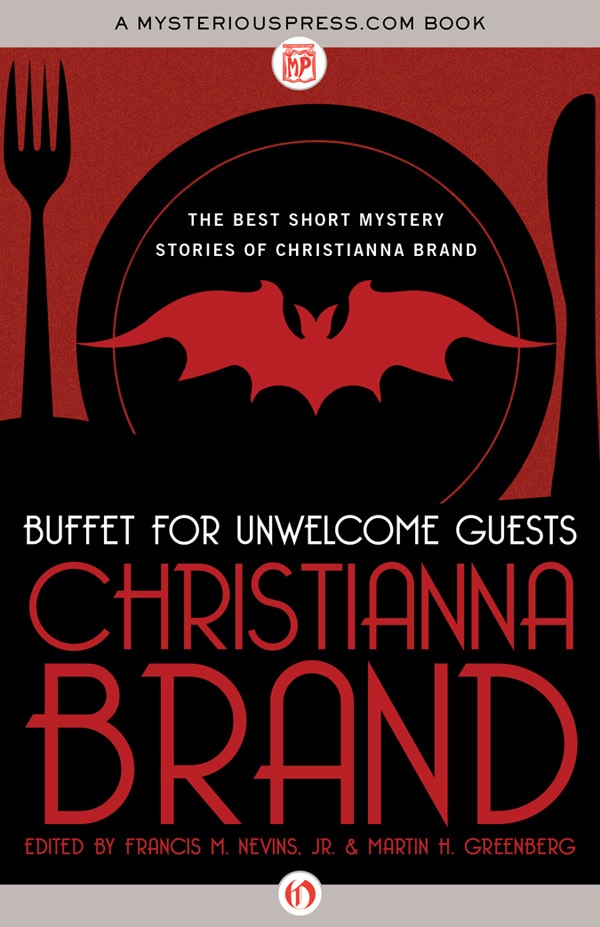
Sixteen stories from Christianna Brand, who, thanks to the likes of the excellent Bodies from the Library (2018-present) series and the British Library Crime Classics range, has enjoyed something of a resurgence of late. So, how do these stack up?
Continue reading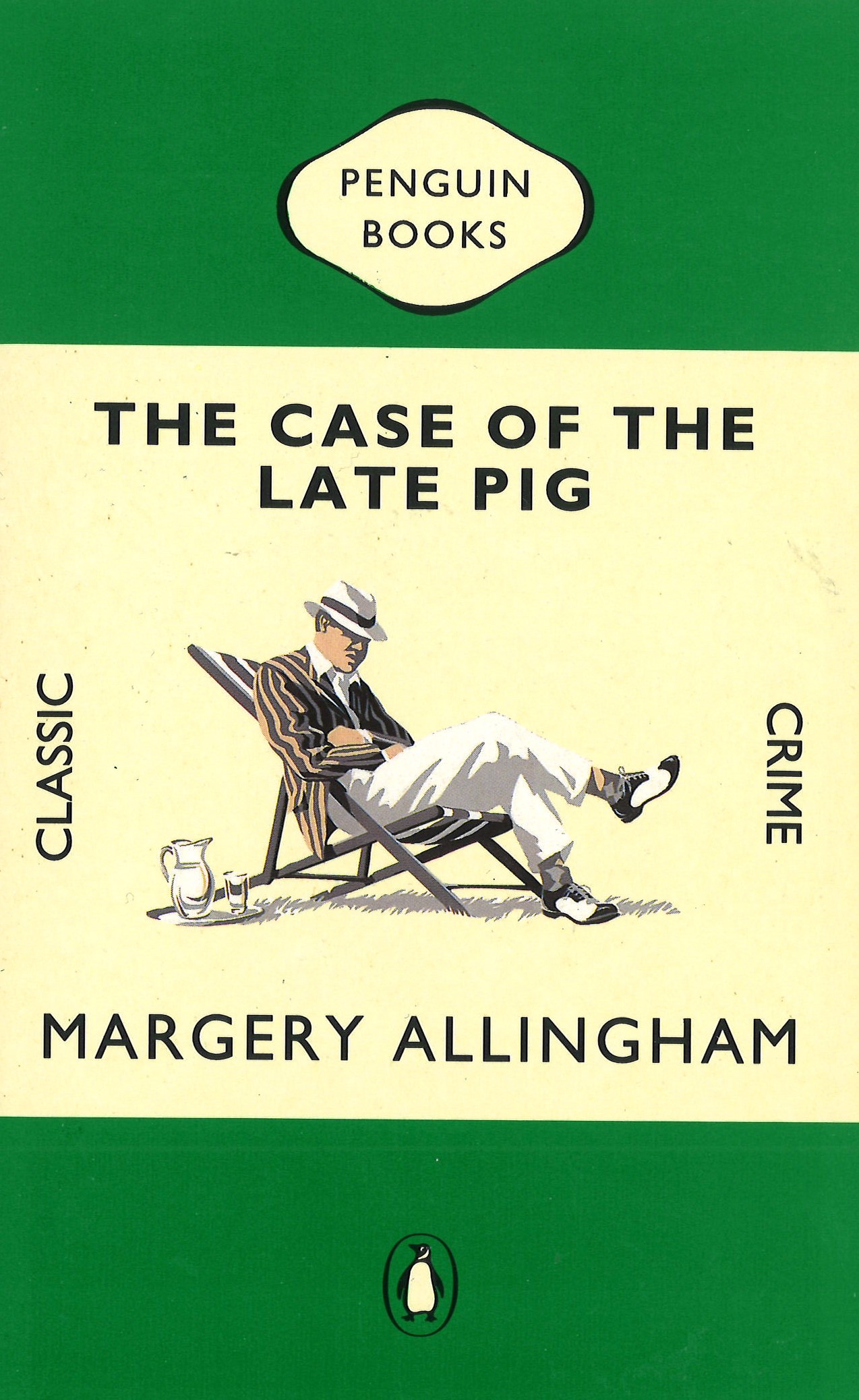
I’m in a confusing place with Margery Allingham. I definitely read three of her books when I started getting into Golden Age detective fiction, one of which, I’m almost certain, was The Beckoning Lady (1955) and very hard work indeed. A few years passed, and I next thoroughly enjoyed the amoral ingenuity of Police at the Funeral (1931) before stumbling badly over Flowers for the Judge (1936) and sort of abandoning her, faintly dissatisfied. So when The Case of the Late Pig (1937) passed into my hands, the mere 132 pages of this Penguin edition commended themselves as an opportunity to reacquaint myself with the author and see how things go.
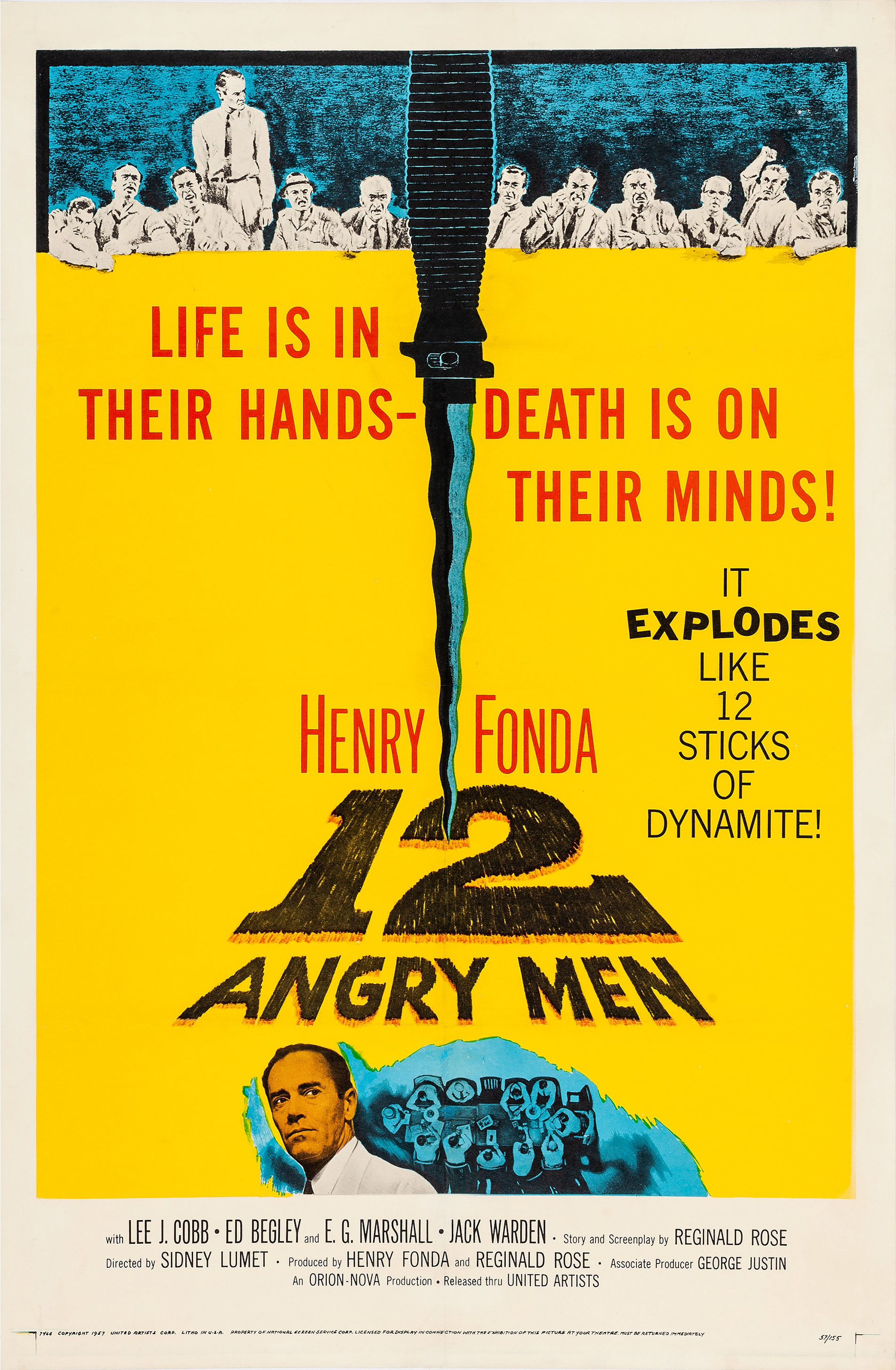
I first watched 12 Angry Men (1957) some 20-odd years ago and was delighted, as a callow teenager, to find it more than living up to its reputation. So, 20-odd years on, does it stand up to a second viewing?
Continue reading
Tom Mead is that rare thing these days: an author writing detective fiction in the classic tradition with some actual interest in the classic tradition of detective fiction. When he peppers the text of Death and the Conjuror (2022), his very entertaining and easy-to-read debut novel, with references to the work of R. Austin Freeman, G.K. Chesterton, Melville Davisson Post and others, you know it’s the result of time spent reading the genre rather than a few quick Google searches to give him credibility. And when he plays the games of identity and location as well as he does here, you also know he’s having a joyous time playing in his favourite sandbox…and wonderful it is to see.
 The Invisible Event