-
Subscribe
Subscribed
Already have a WordPress.com account? Log in now.
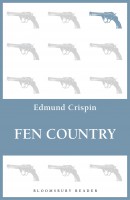 The second of Crispin’s two short story collections, published posthumously. My choice of the two because of the way a lot of the stories hinge on a very simple core idea – homonyms, for example – that might come across a gimmicky but manage in about six or seven pages to communicate setting, setup, event, outcome and misdirection. Frankly no small feat! Yes, consequently the characters tend to suffer (the ebullient Fen is a curiously neutered presence in the stories in which he features) but for sheer inventive interpretation after inventive interpretation this is hard to beat. And as an example of Crispin’s tight hold on the reins of his plots (which could, let’s face it, get a bit beyond him in his novels) this reinforces his reputation in a form that has often proved the undoing of lesser talents. [Available in ebook and thoroughly unattractive print form from Bloomsbury]
 The Case of the Constant Suicides (1941) Hey, you; yes, you, with the cup of tea. I want you to write a book about people inexplicably hurling themselves out of a window when sleeping alone in a room at the top of a tower. I want it to be creepy, I want it to be fast-moving, I want it to have an undertone of threat; it also has to be fairly-clued, the culprit responsible must be a complete surprise and you can kill as many characters as you like. Oh, and make it funny. Make it laugh out loud, technicolour funny, but light enough to take up residence in your brain without leaving so much as a shadow and without undoing the threat mentioned above. What’s that? It’s already been done? Oh, forget it, then I’ll just read that book instead. [Available from Rue Morgue Press in print only, the recommended version as some other publishers inexplicably and unforgivably give away key points in their cover art]
 The Invisible Event