Author: JJ
#669: Adventures in Self-Publishing – Murder in a Watched Room (2019) by A.G. Barnett

My previous encounter with A.G. Barnett’s self-published impossible crime fiction was An Invitation to Murder (2019), which saw an interesting-if-cozy impossible battering in a locked room lose points for drawing attention to the one detail it then failed to explain. But, everyone gets two books, and so we’re back, this time with a different series and a stabbing in a locked and watched room.
Continue reading
In GAD We Trust – Episode 4: Magic, Mummery, and Misdirection [w’ John @ Pretty Sinister Books]

Lockdown rolls on, and so does my GAD-focussed podcast, which this time around sees me picking the brains of John Norris who blogs at Pretty Sinister Books and is surely one of the most widely-read members of our GAD coterie.
Continue reading
#667: A Kiss Before Dying (1953) by Ira Levin
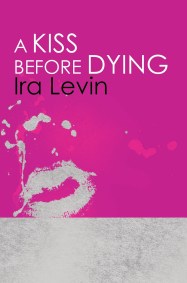


In our recent discussion about inverted mysteries, Aidan made Ira Levin’s debut A Kiss Before Dying (1953) sound simply fabulous: the first part of the novel follows a nameless man as he commits a murder, the second part is then concerned with unpicking his identity, and the third is the fallout. Much like Antidote to Venom (1938) by Freeman Wills Crofts, then, you get both an inverted and a traditional detective story, knowing who the killer is and watching characters who aren’t aware of his identity coming to that awareness, with the additional kick of only finding out yourself with about 100 pages remaining in the book.
Continue reading
#666: Adventures in Self-Publishing – The Thirteenth Apostle (2020) + ‘The Episode of the Nine Monets’ (2020) by Jamie Probin
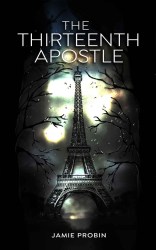
There’s a quote attributed to Michaelangelo essentially stating that a statue already exists inside a block of stone and it’s merely the sculptor’s job to chip away the stone that isn’t part of the resulting artwork. This came to mind a lot whilst reading The Thirteenth Apostle (2020) by Jamie Probin, because if you remove the excess of nervous repetition and tedious tone setting there’s probably a great book in here somewhere.
Continue reading
#665: Spoiler Warning – Coming in July: The Mysterious Affair at Styles (1920) by Agatha Christie + Agatha Cryptic: Poirot Edition

We’ve discussed The Eye of Osiris (1911) by R. Austin Freeman in spoiler-rich detail, so it’s time to make new plans.
Continue reading
#664: The D.A. Breaks an Egg (1949) by Erle Stanley Gardner

Well, it’s taken me about twice as long as I thought it would, but we’re finally at the end of Doug Selby. This is the ninth and final novel to feature Erle Stanley Gardner’s District Attorney of Madison County — a place where “they roll up the sidewalks and put them in mothballs at nine or ten o’clock at night” and that in the words of P.L. Paden, new owner of the Blade newspaper, “has been small time [and is] about to grow up”. Certainly one change is in evidence here: events of the preceding novel carry over in a way that spoils one of the best surprises of that book, so make sure you’ve read The D.A. Takes a Chance (1948) before picking this up.
Continue reading
#663: Minor Felonies – The Mystery of the Hidden House (1948) by Enid Blyton
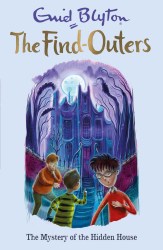
I was recently moved to suggest that The Secret of Hangman’s Inn (1956), the sixth title in the Ken Holt series by husband-and-wife team Bruce Campbell, was the point at which that series found its feet and jumped to life. Today I’m going to promulgate that The Mystery of the Hidden House (1948), the sixth title in the Five Find-Outers series by one-woman publishing sensation Enid Blyton, is the point where this series finds its feet and jumps to life. Coincidence? Yes, undoubtedly.
Continue reading
In GAD We Trust – Episode 3: British Library Crime Classics and Mortmain Hall (2020) by Martin Edwards [w’ Martin Edwards]

 The Invisible Event