#876: The Village of Eight Graves (1951) by Seishi Yokomizo [trans. Bryan Karetnyk 2021]

Village of Eight Graves

star filledstar filledstar filledstarsstars
If ever you come back, there will be blood! Blood!  So runs the anonymous note melodramatically warning 29 year-old Tatsuya Terada against returning to the isolated Village of Eight Graves, out of which he was smuggled as a toddler.  However, it seems that he is the heir to the Tajimi family fortune, which in turn links him inextricably to the terrible violence that traumatised the village 26 years ago, and give many cause to see him as a bird of ill omen.  Sure enough, upon his arrival at his wealthy family’s vast estate, people start to die.  Quite a lot of people.  People who were very much alive before Tatsuya Tajimi showed up.
Continue reading

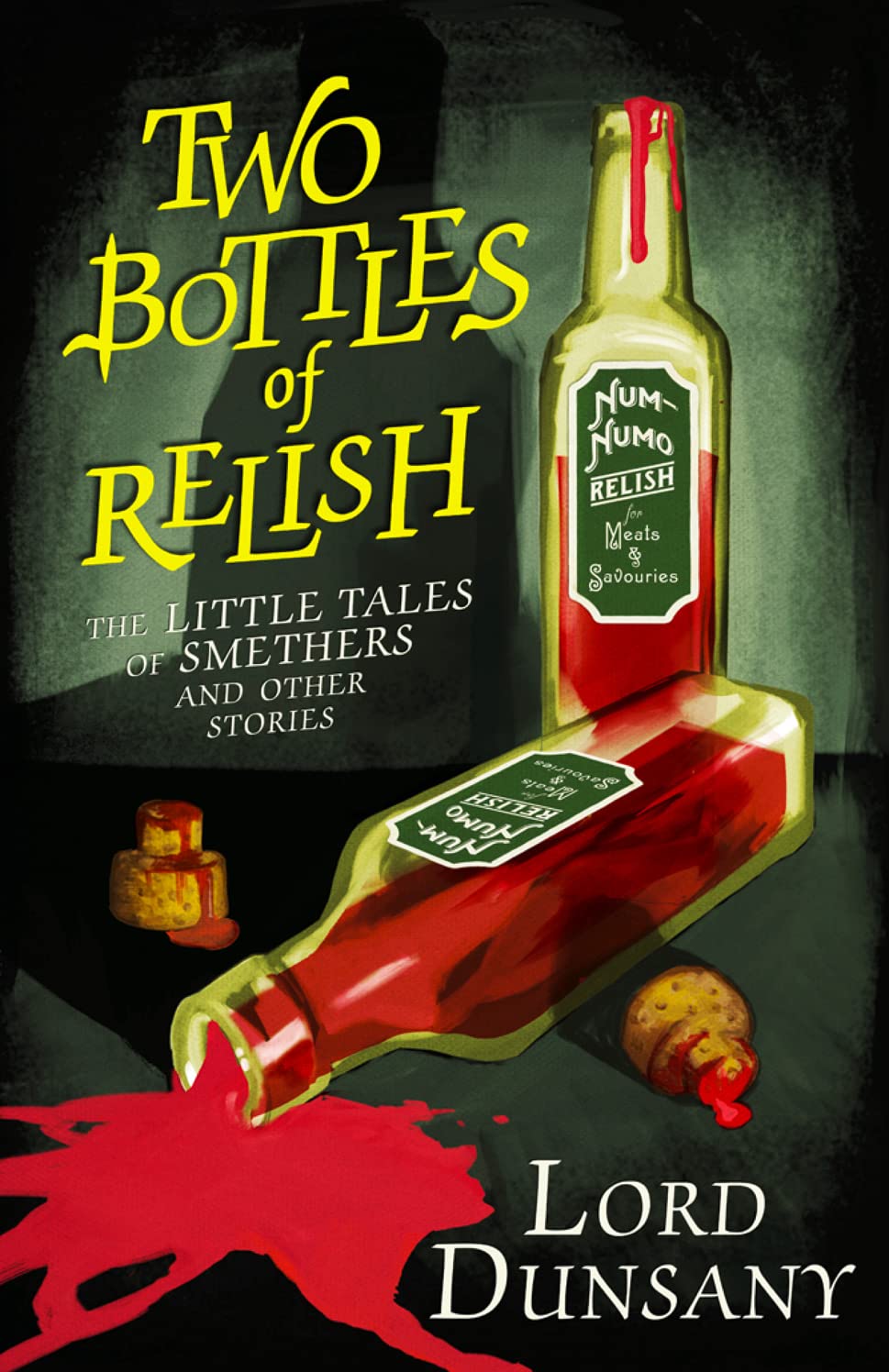
#875: Little Fictions/The Cornerstones – Two Bottles of Relish and Other Stories, a.k.a. The Little Tales of Smethers [ss] (1952) by Lord Dunsany

Well, look, it was bound to go wrong, wunnit? In four weeks of reading and writing about Cornerstone titles, assessing their merits and examining whether I felt they added anything to the corpus of detective fiction, I should have foreseen coming across one absolute dud. And trust me to get confident after three (largely) enjoyable weeks and leave this too late to replace with anything else, eh? Right, let’s get this over with.

Continue reading

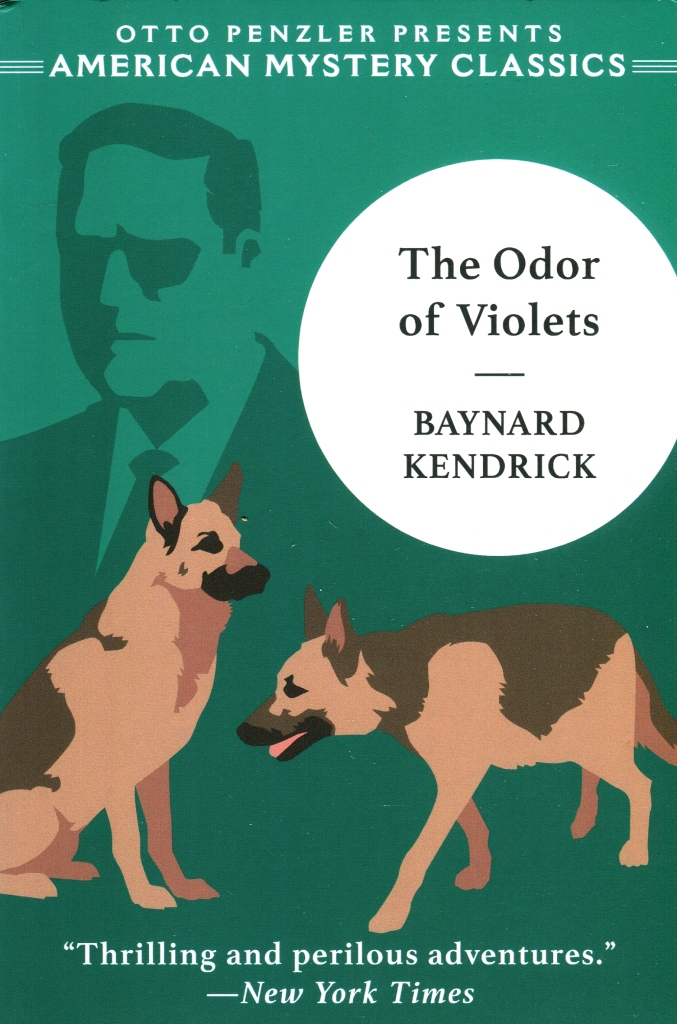
#873: The Odor of Violets, a.k.a. Eyes in the Night (1941) by Baynard Kendrick

star filledstar filledstar filledstar filledstars
The hybrid mystery — typically, though not always, a blend of clue-gathering detection and pulse-racing thrills — is a tricky proposition, since it often smashes together two styles of writing and plotting that don’t make the most comfortable of bedfellows.  The best example, to my mind, is John Dickson Carr’s underappreciated masterpiece The Punch and Judy Murders, a.k.a. The Magic Lantern Murders (1936), published under his Carter Dickson nom de plume, which solves this oft-discordant clash by keeping  the breathless chases to its first three-quarters before revealing itself as a cannily-clued mystery in the closing stages.

Continue reading

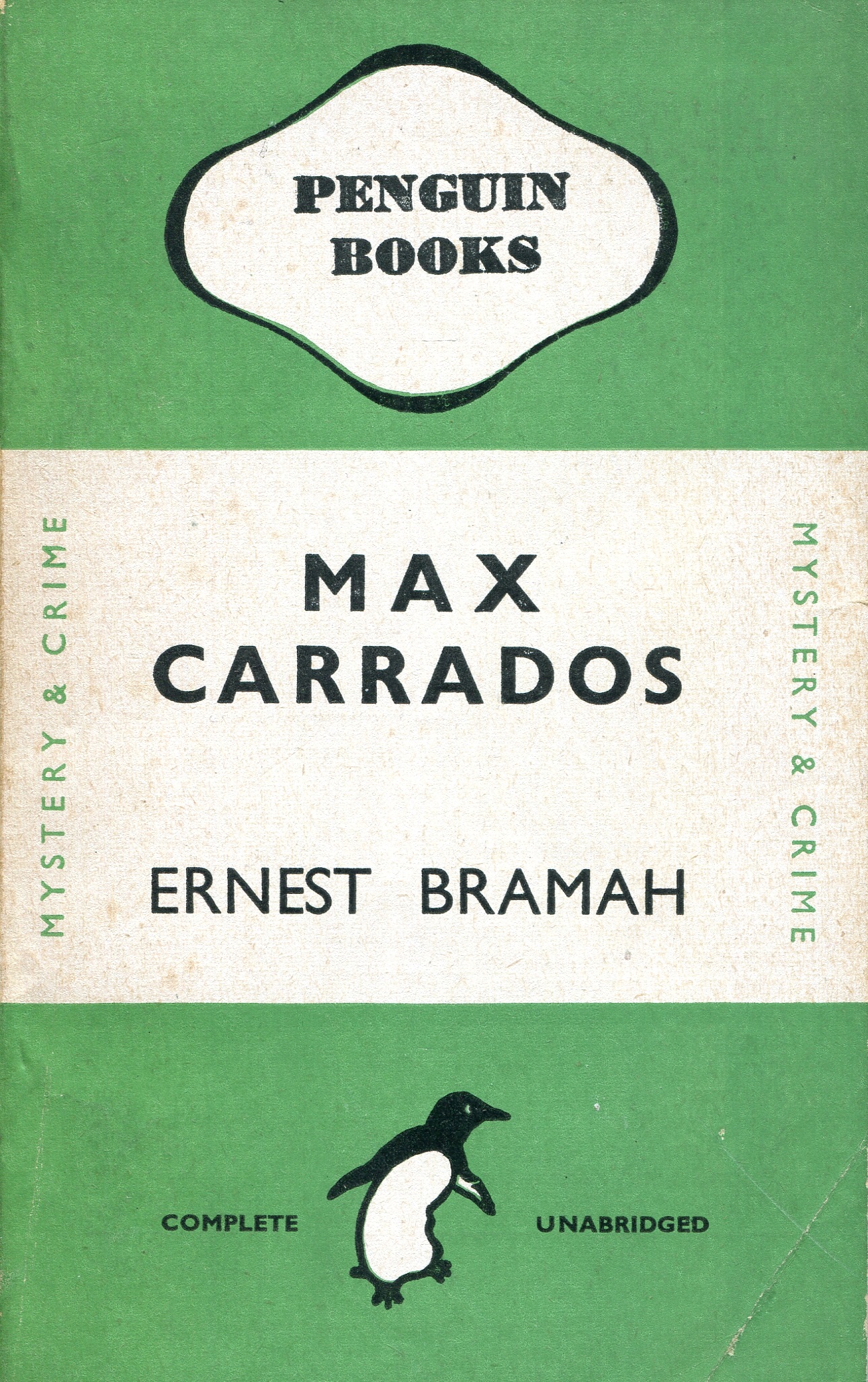
#872: Little Fictions/The Cornerstones – Max Carrados [ss] (1914) by Ernest Bramah

Max Carrados (1914) was the first collection of stories to feature Ernest Bramah’s eponymous aristocrat, blinded in an accident before deciding to turn his hand to detection, and another entry on the Haycraft-Queen Cornerstones list. Certainly the concept of a blind detective is novel enough to capture the imagination, but does Bramah do enough with the potential here to warrant consideration as one of the foundational texts of detective fiction?

Continue reading

In GAD We Trust – Episode 28: Writing Mysteries for Younger Readers [w’ M.G. Leonard and Sam Sedgman]

There is a Golden Age of detective fiction going on at the very moment, but because most of what’s being written is aimed at 8-to-12 year-olds, it gets overlooked by, like, grown-ups. I’m trying to raise awareness of this with my frequent Minor Felonies posts, and it’s partly in pursuit of this aim that I’m delighted to welcome M.G. Leonard and Sam Sedgman — authors of the excellent Adventures on Trains series — to my nerdy detective fiction podcast, In GAD We Trust.

Continue reading

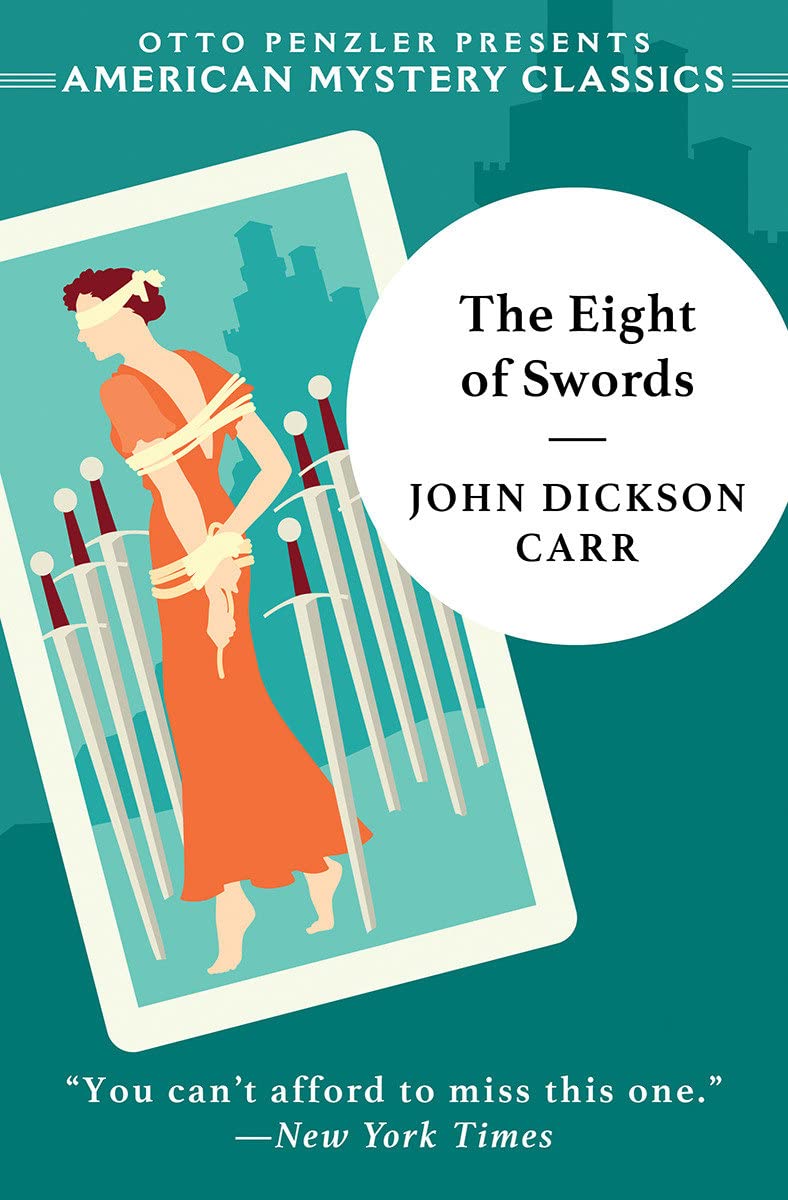
#870: The Eight of Swords (1934) by John Dickson Carr

Eight of Swords

star filledstar filledstar filledstar filledstars
The recent undoing of whatever logjam had prevented the reissuing of John Dickson Carr’s novels is a cause for much celebration among fans of classic detective fiction. It Walks by Night (1930), Castle Skull (1931), The Lost Gallows (1931), The Corpse in the Waxworks (1932), Hag’s Nook (1933), The Mad Hatter Mystery (1933), The Plague Court Murders (1934), The Crooked Hinge (1938), The Case of the Constant Suicides (1941), She Died a Lady (1943), and Till Death Do Us Part (1944), can now be bought easily for sensible money, finally providing some company for The Hollow Man (1935), which had been flying the flag in bookshops toute seule for decades now.

Continue reading

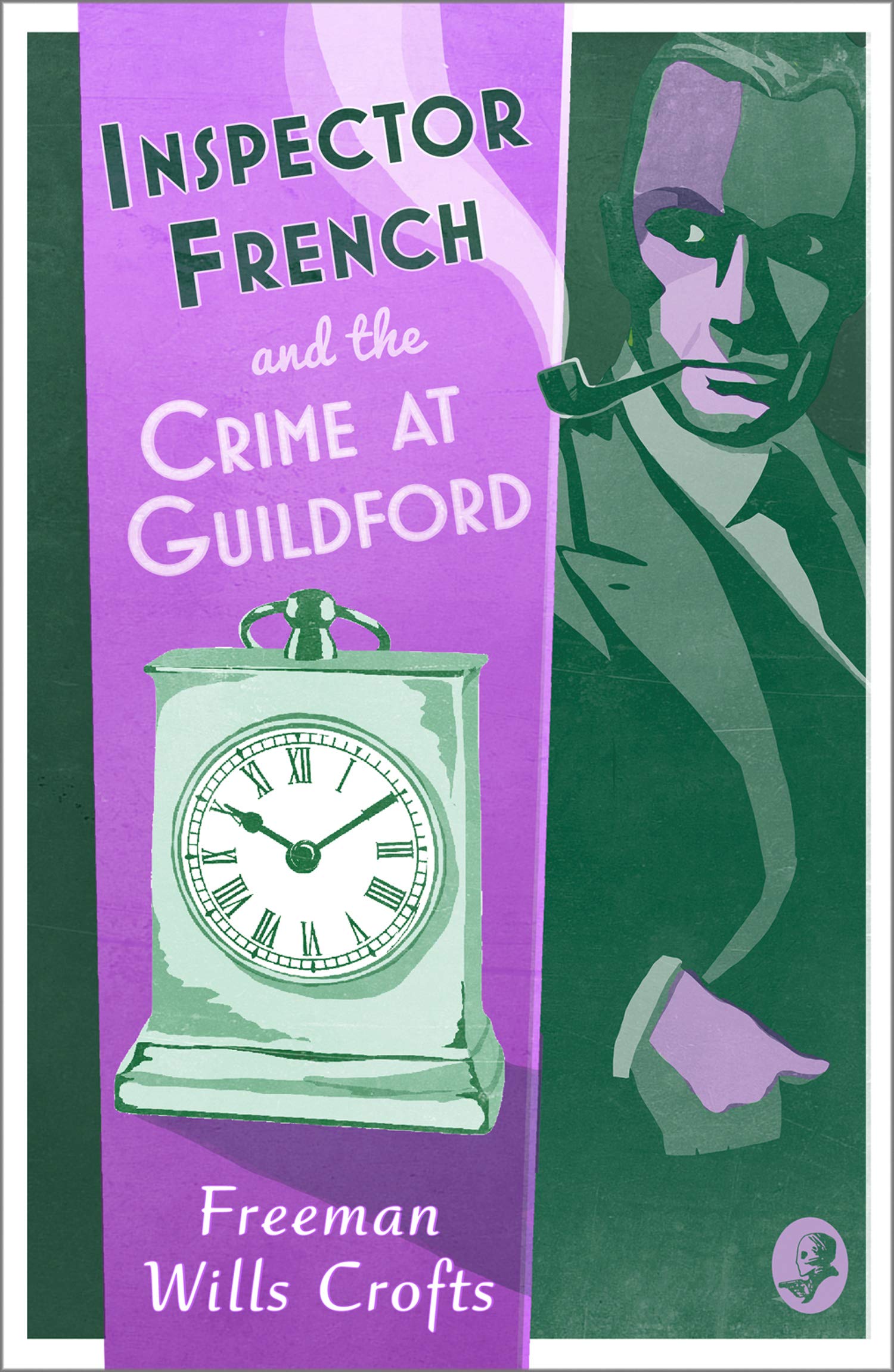
#867: Crime at Guildford, a.k.a. The Crime at Nornes (1935) by Freeman Wills Crofts

Crime at Guildford

star filledstar filledstar filledstar filledstar filled
Five members of the board of Nornes Limited, a London-based jewellers, meet one Saturday evening at the home of the company’s managing director to discuss the dwindling health of the business away from the prying eyes of their competitors.  On Sunday morning, one of the men is discovered dead in bed, and the doctor who is summoned to examine the body proves unwilling to offer a death certificate.  Little do Nornes, Ltd. know it, but their problems are only just beginning, as Monday morning reveals the execution of a theft that will sink their business if the loot is not recovered.  Enter DCI Joseph French.

Continue reading