
One final, for now, trip to Four Corners, “the kind of one-horse burg where they leave the doors open at night”, and the story of ‘Daisy Boy’ Dumont and the Curlew fortune.
Continue readingOne final, for now, trip to Four Corners, “the kind of one-horse burg where they leave the doors open at night”, and the story of ‘Daisy Boy’ Dumont and the Curlew fortune.
Continue reading
Here’s something I’ve been curious about, and probably only now have the time and energy to think about organising: who is the most popular detective character of the genre’s Golden Age?
Continue reading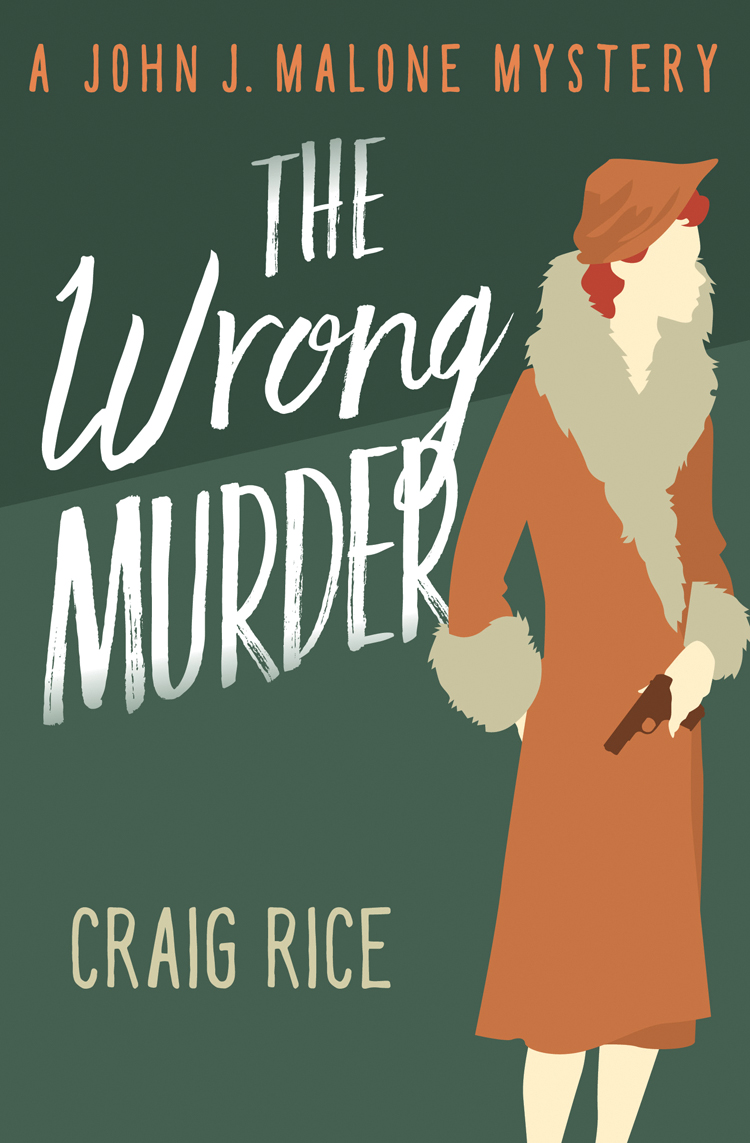


At the bunfight following his marriage to Helene Brand, theatrical agent Jake Justus, reflecting that “he had had more than his fair share of homicides”, is unprepared for Mona McClane boasting that she will kill someone “in broad daylight on the public streets, with…plenty of witnesses”. Surely she can’t be serious? And so a bet is struck — powered, no doubt, by the veneer of alcohol that drives so much of Craig Rice’s wild plotting — that, if Mona commits the murder, Jake will prove her guilty of it. And then a man is shot dead on the busiest corner in Chicago during the Christmas rush, with Mona McClane spotted in the vicinity just moments before.
Where next for Theodore Roscoe’s tales of small own life in upstate New York? Well, how about some Suspense?
Continue reading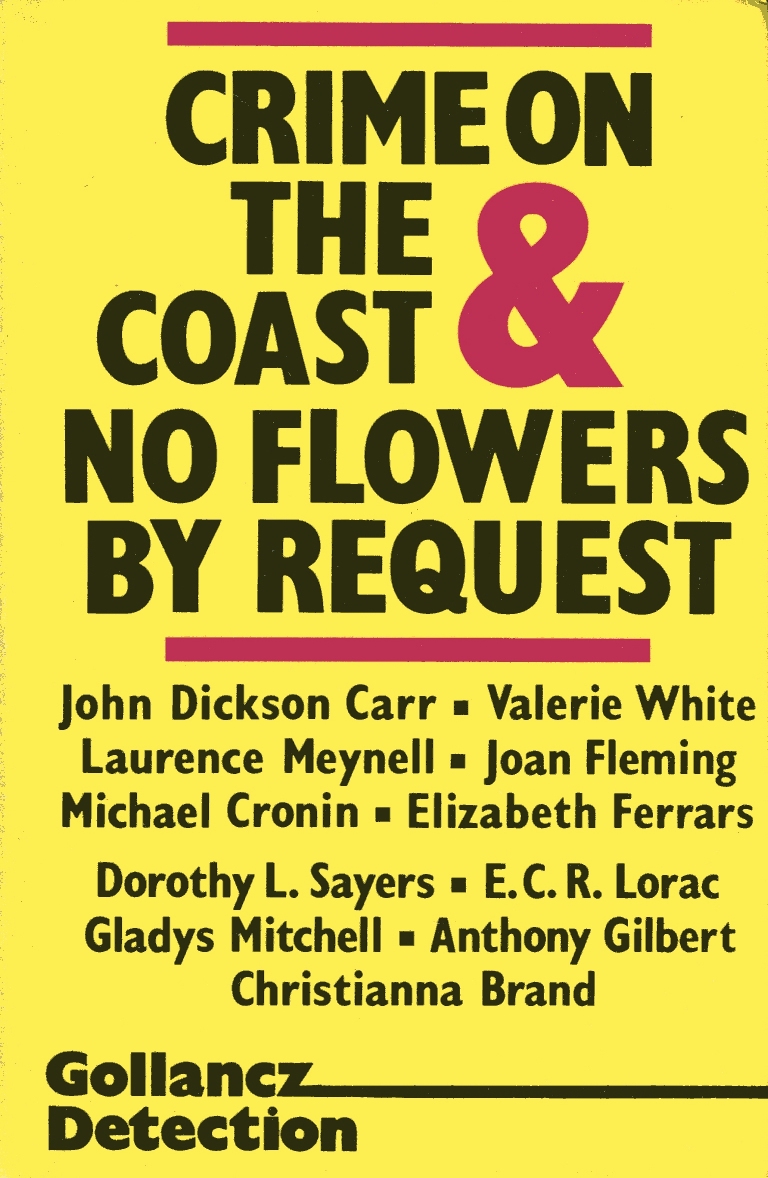
Another collaborative effort in the style of Behind the Screen (1930) and The Scoop (1931), with six authors each taking up the challenge of continuing this story, published in instalments in the News Chronicle in 1954.
Continue reading
One of my very favourite detective fiction tropes is the Unidentified Corpse. It’s at the heart of my favourite E.C.R. Lorac book, one of my favourite Freeman Wills Crofts books, and as a mainstay of the work of R. Austin Freeman is put to wonderful use both traditional and inverted. Murder in the Basement (1932) by Anthony Berkeley also invents the Whowasdunin?, giving us a cast of characters from which the corpse will be produced, and not divulging the identity of the victim until the halfway point. Thankfully, given Berkeley’s tendency to commit to a thought experiment regardless of whether the book that comes out of it is any good, he’s also written an entertaining and very witty novel along the way.
Another tales of small town Americana from Theodore Roscoe, his time focussing on the effects of a crime on one man’s standing in the tiny community of Four Corners, the fictional town in upstate New York
Continue readingThe Detection Club — a membership-by-election dining club for detective fiction writers, whose origins and early days were traced so entertainingly by Martin Edwards in The Golden Age of Murder (2015) — has produced several collaborative efforts down the years, and it’s to one of those that we turn today.
Continue reading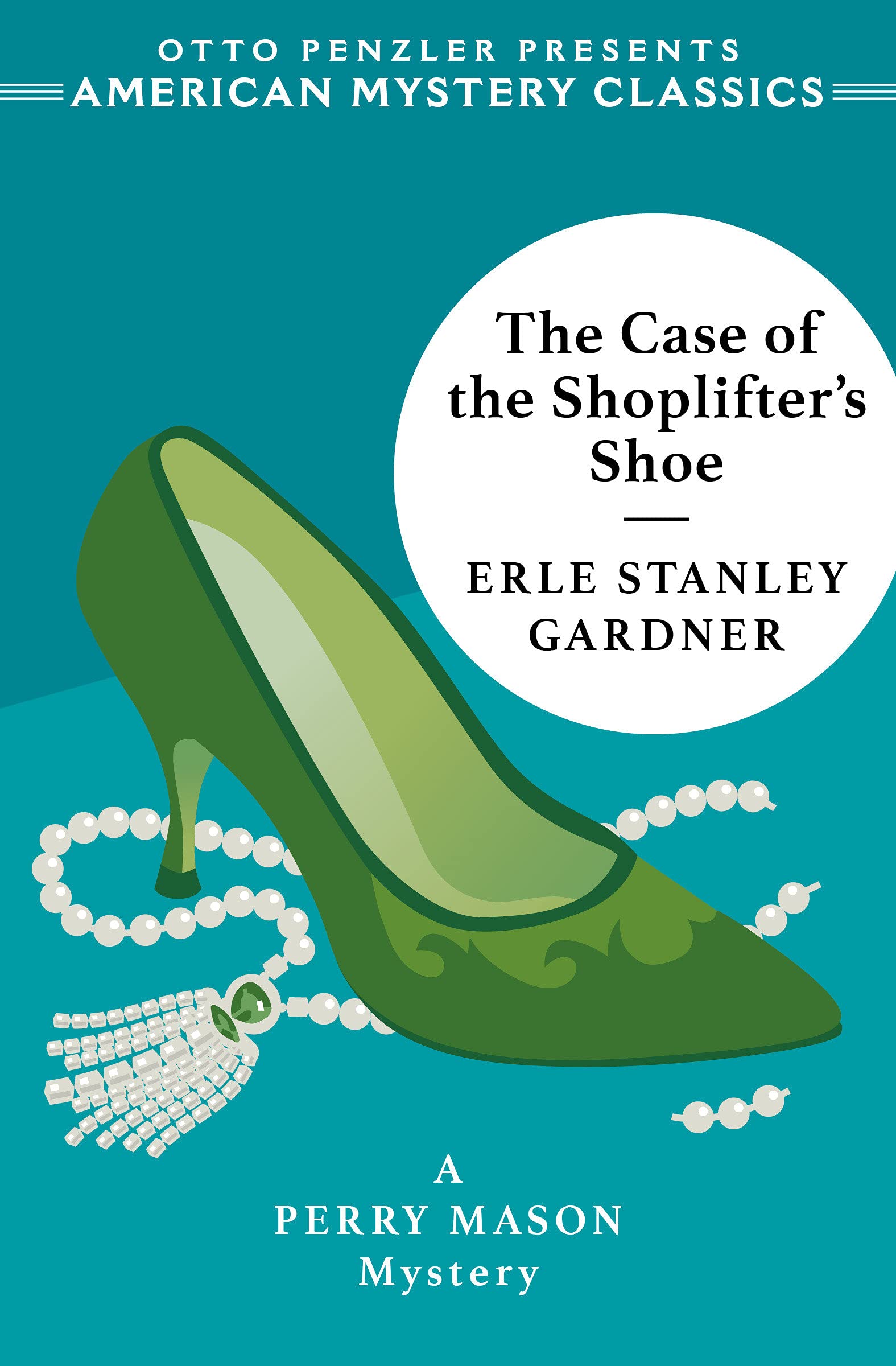
When charged with republishing the work of someone as prolific as Erle Stanley Gardner, the chief difficulty must surely be where to begin and where — crucially — to stop. As a creator of memorable, compelling, easily-communicated, and complex protagonists the man perhaps has no equal, but as a plotter his loosey-goosey tendencies can sometimes get the better of him…a fact demonstrated no more clearly than in the wild variation represented by the eighty-six Perry Mason books published between 1933 and 1973. So the (thus-far) four titles in that series put out by the American Mystery Classics range make interesting reading.
Given how much classic (and modern!) crime and detective fiction relies on the concept of Othering — identifying the person who doesn’t ‘fit’ in a situation, and hoping guilt can be pinned on them — it’s interesting to see Theodore Roscoe employ the concept in the story of ‘Frivolous’ Clariselle Allders.
Continue reading The Invisible Event