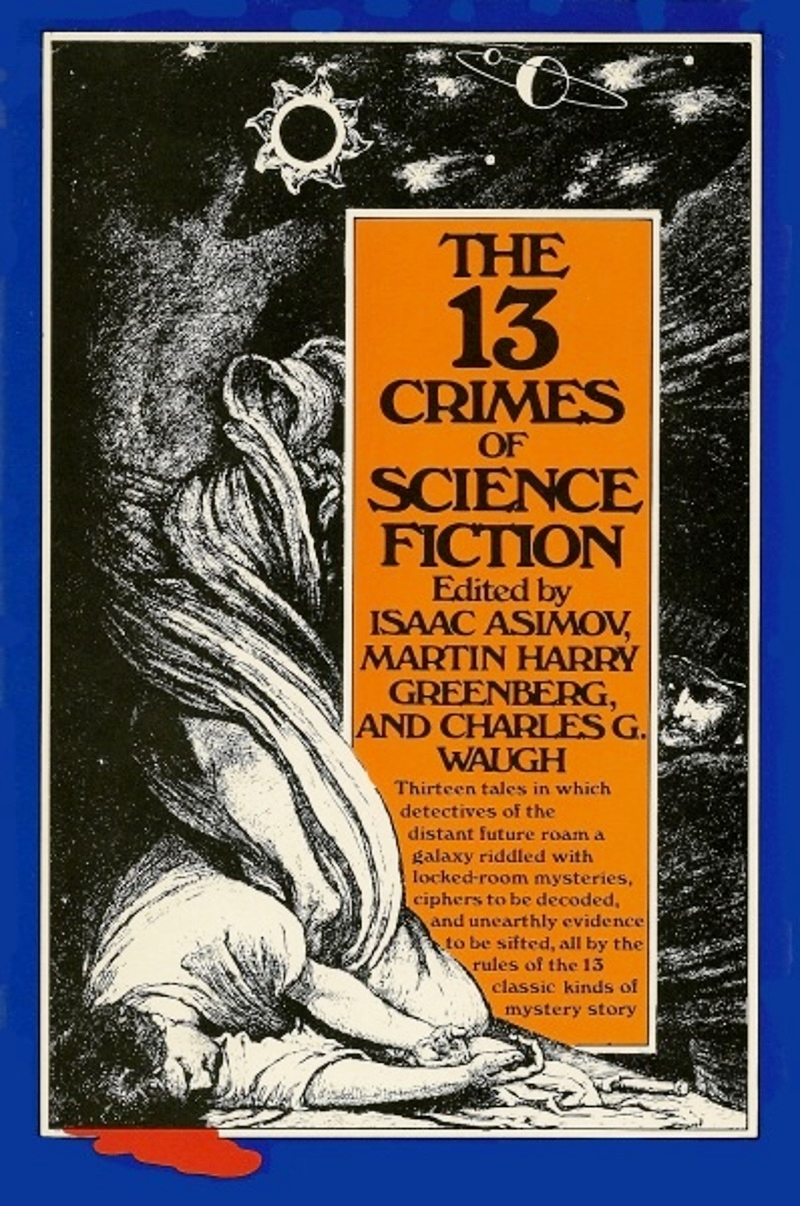
A second delve into The 13 Crimes of Science Fiction [ss] (1979), as I explore the possibilities of another crossover mystery.
Continue readingA second delve into The 13 Crimes of Science Fiction [ss] (1979), as I explore the possibilities of another crossover mystery.
Continue reading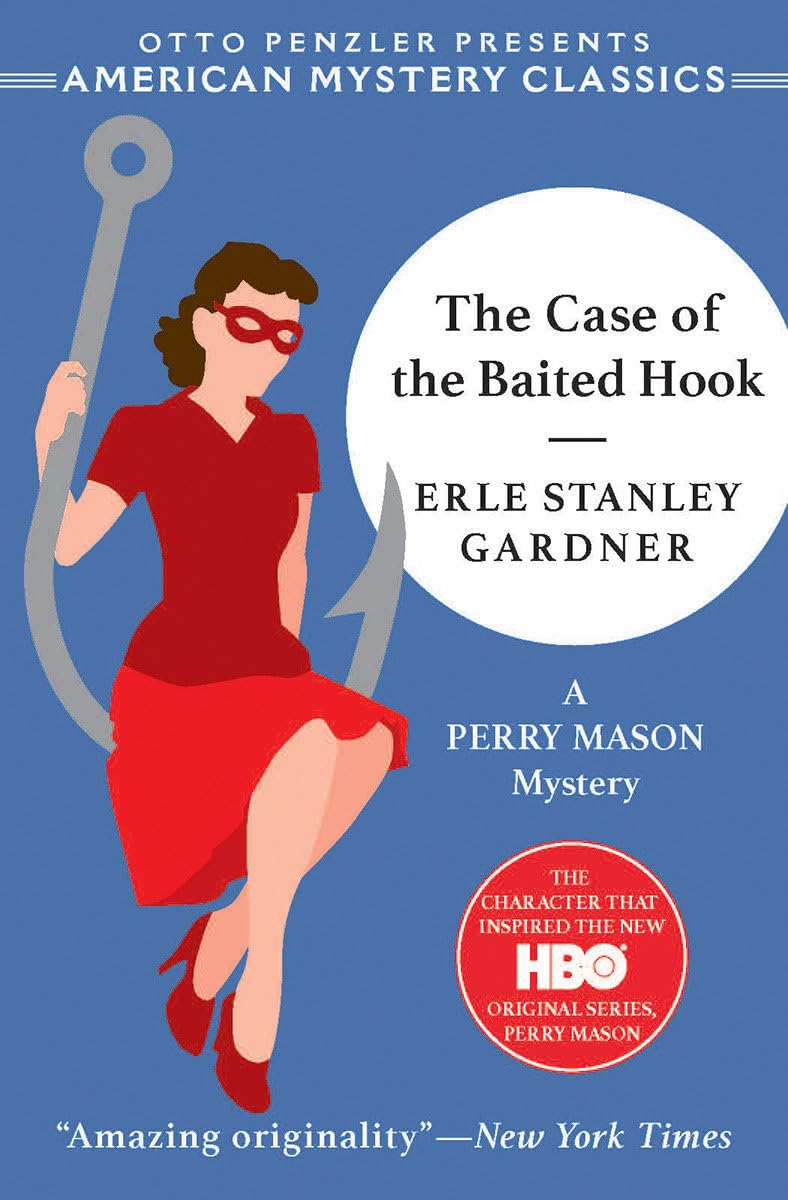
I first read The Case of the Baited Hook (1940), the sixteenth novel by Erle Stanley Gardner to feature go-fast-and-hit-hard attorney Perry Mason, back in about 2002. Its recent republishing in the American Mystery Classics range, then, was a chance to revisit it — an intriguing prospect, given that I was even vaguer on the events herein than usual.
Continue reading


The next couple of years will see me read the final few titles by a bunch of authors I’ve come to very much enjoy: I have five novels by Freeman Wills Crofts remaining, five by J.J. Connington, and now, having read Dr. Thorndyke Intervenes (1933), six by R. Austin Freeman. So my enjoyment of these books — and their later books are still proving enjoyable, though I appreciate that may not continue, with John Dickson Carr‘s work already stumbling into that slough of despond — is tinged with melancholy. It’s been such fun, and I don’t want it to end; and I especially don’t want it to end on a damp squib of turgid prose and bumbling plot mechanics.
I am a fan of a good crossover mystery, in which the tenets of crime and detection are placed into a science fiction/Fantasy milieu. So when I heard of a collection called The 13 Crimes of Science Fiction [ss] (1979), you’re darn tootin’ it was only a matter of time before I got to it.
Continue reading
Look, it took me a long time to appreciate the intelligence of the inverted mystery, in which we know who committed the crime and have to watch both them struggle over it and their eventual discoverer working out the threads of the case. But the important thing is that I got there in the end.
Continue reading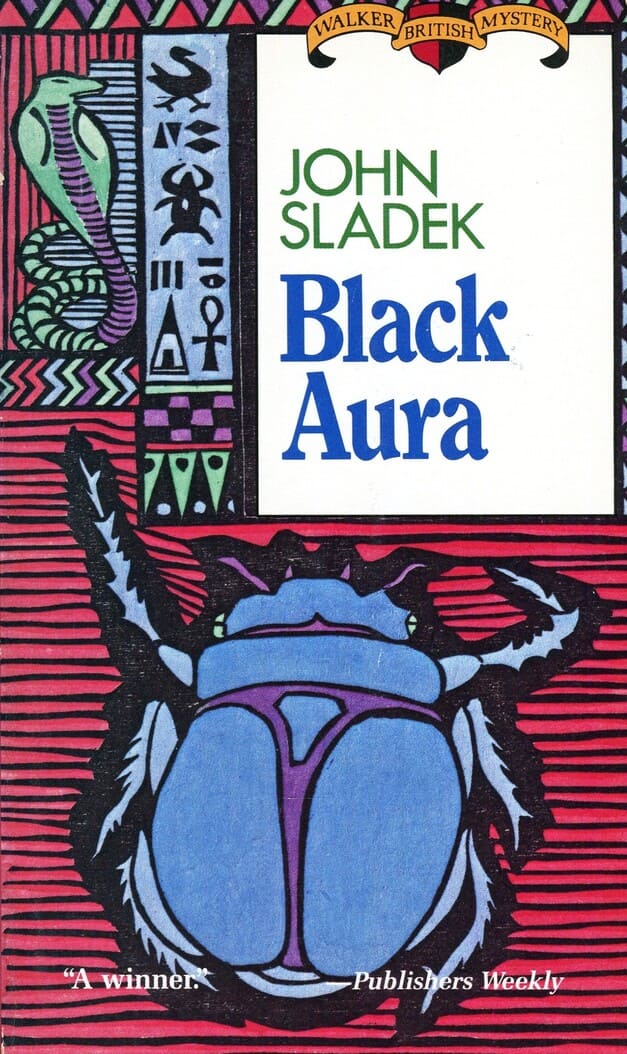
I hold John Sladek’s second and final detective novel Invisible Green (1977) in very high regard indeed, but have not read his first, the slightly less successful Black Aura (1974), for well over a decade. It’s pretty incredible that something which gave so much air to three baffling impossibilities was written as late as 1974 at all, and so revisiting it and finding a book which doesn’t quite fulfil the expectations of any idiom — it’s too puzzle-focussed for the gritty style that was popular at the time, but too nebulously handled to satisfy true puzzle heads — isn’t really a surprise. There’s still some enjoyable stuff in here, but this is very much the apprentice work for the masterpiece Sladek would produce three years later.
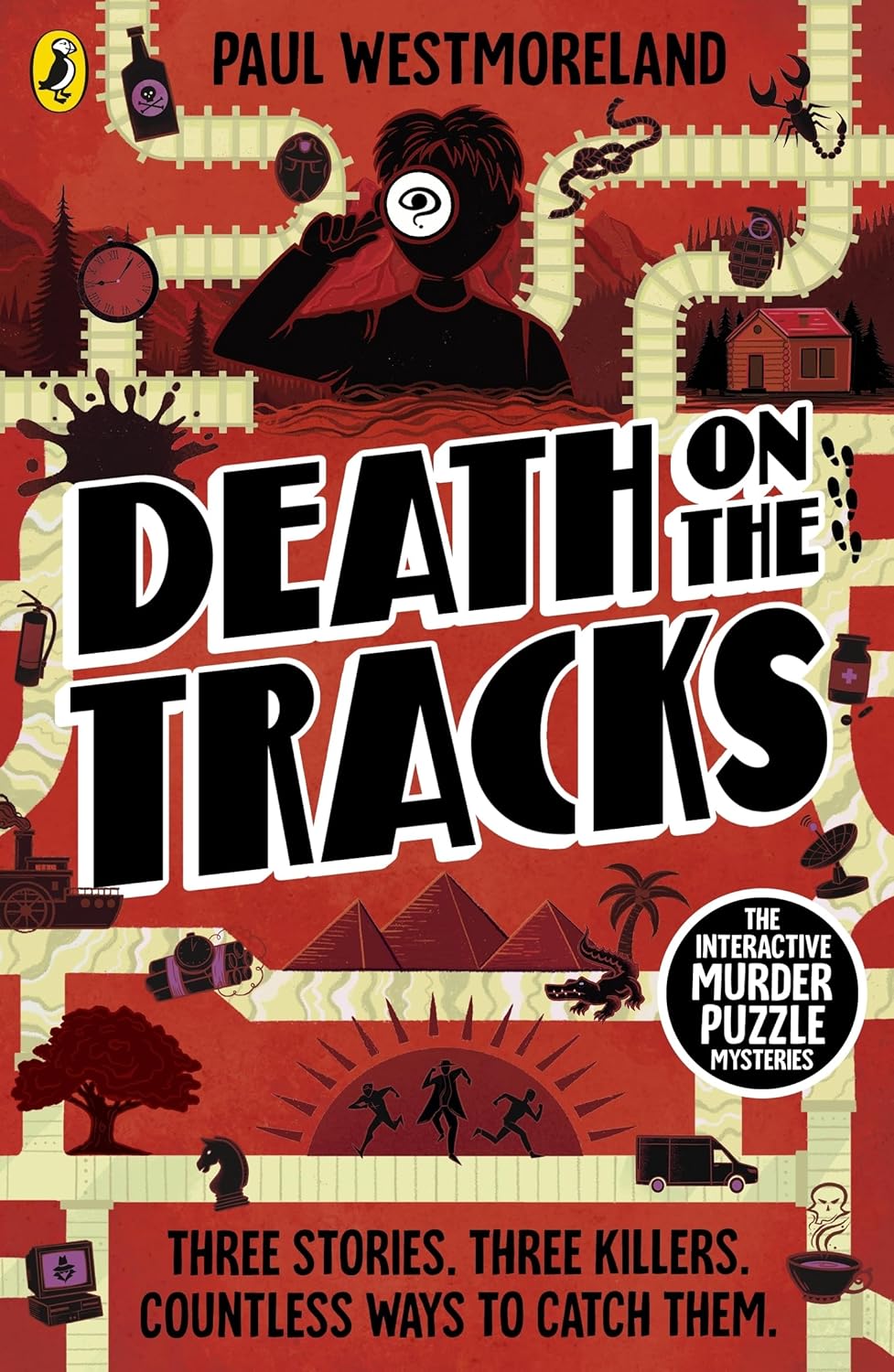
Another Choose Your Own Adventure-style mystery, this one aimed at the younger market. So how does it stack up in comparison to the other two I’ve tried thus far, which were more clearly for grown-ups?
Continue reading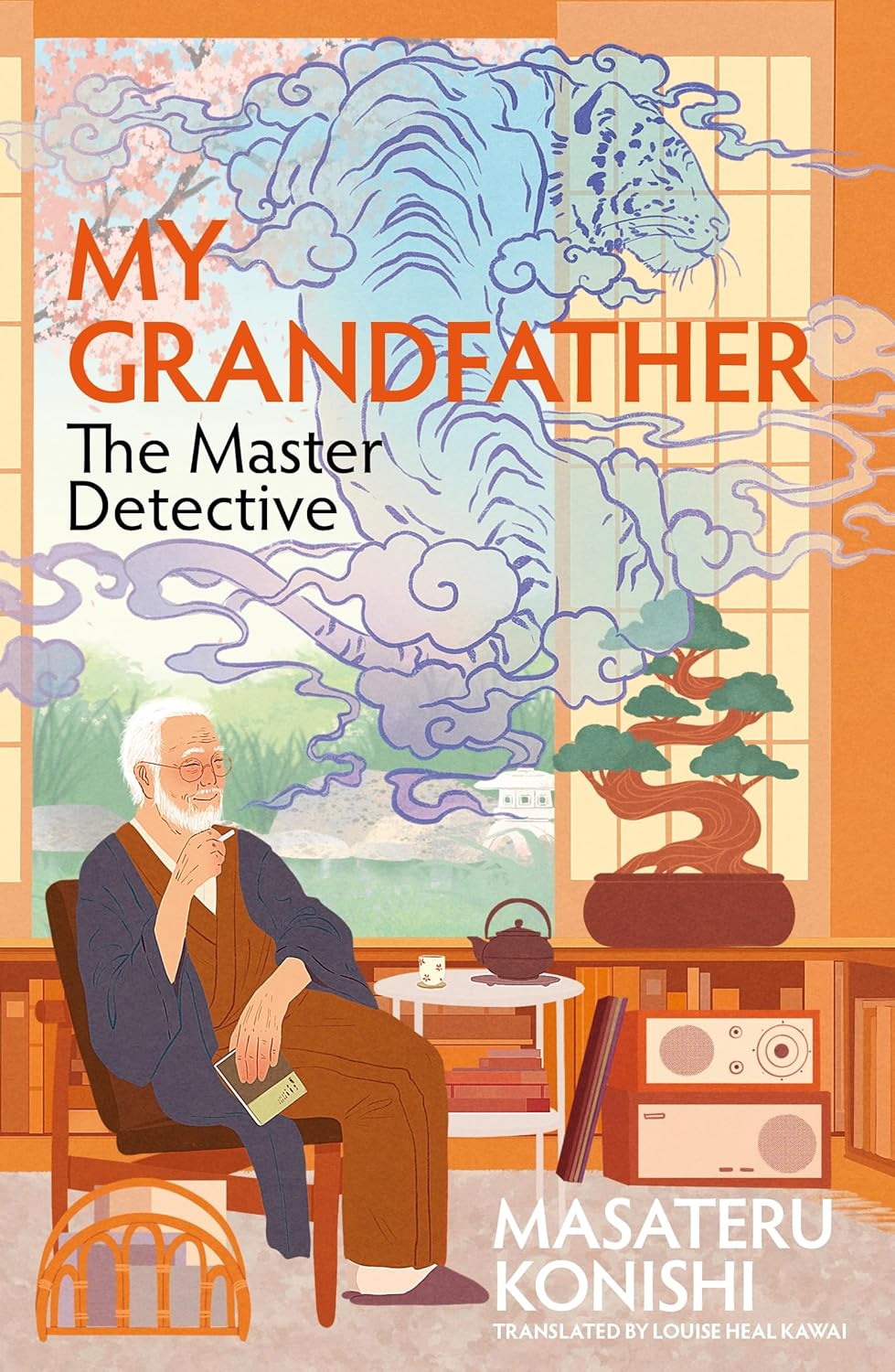
A collection of short stories, each part of an overall arc, My Grandfather, the Master Detective (2023) by Masateru Konishi is yet another intriguing Japanese mystery carried over into English by Louise Heal Kawai for our enjoyment.
Continue reading
When The Invisible Event hit 1,000 posts — ahh, back in the day — I put up a list of 100 recommended impossible crime novels and short story collections for those of you wishing to be a little more discerning when reading the best subgenre in the world. TomCat was disgruntled with my inclusion of Too Many Magicians (1967) by Randall Garrett, but I stood by it as an interesting take on both the crossover mystery and the impossible crime, with a neat little, expectation-subverting idea at is core, and I vowed to reread it in due course to reinforce these impressions. Well, I’ve reread it now, and while I stand by the locked room murder as clever and fun, the book itself is frankly so tedious that I wonder how I ever saw anything in it in the first place.
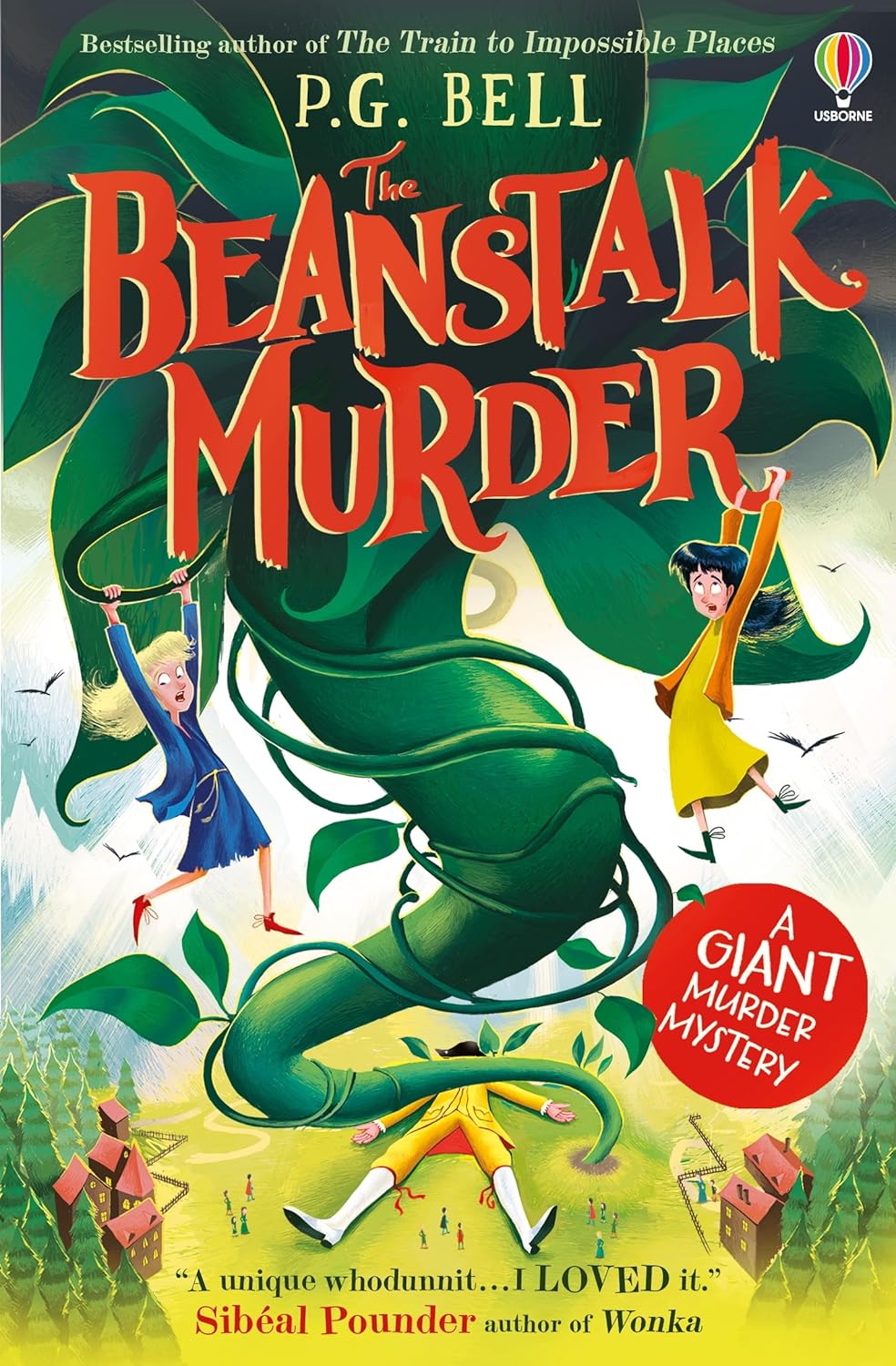
Given that it revolves around loosely-codified magic, a world of ‘normal’ folk living below a world of ‘giants’ in the sky, and a pigeon who is an art critic, The Beanstalk Murder (2025) by P.G. Bell is a far better book than it has any right to be.
Continue reading The Invisible Event